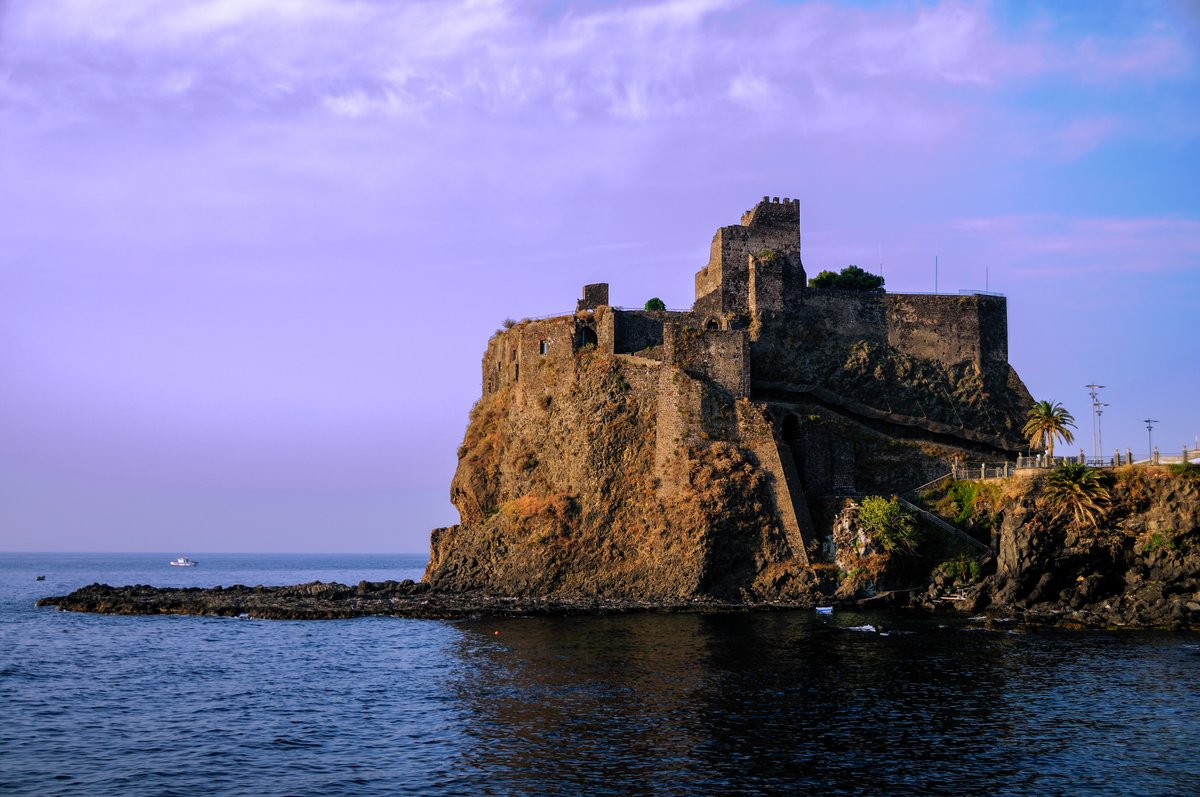

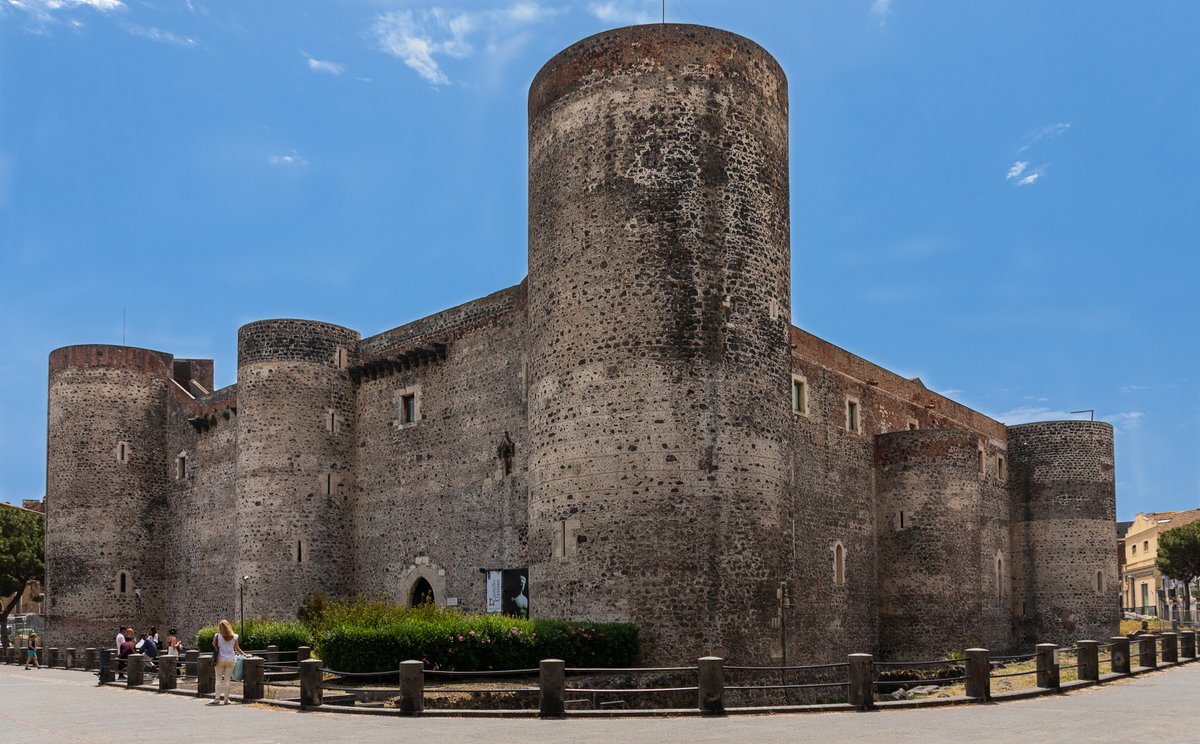
Does the Castello di Aci look like a natural part of the coastline? It sits on a rocky outcrop jutting out into the waves. The Normans built the castle in 1076 upon the foundations of a 7th-century Byzantine fortification. This strategic position was vital to the development of the region during the Middle Ages.
Can you imagine the heat in 1169? Mount Etna erupted, making the towns in the vicinity uninhabitable. Aci Castello began to expand in the aftermath, eventually coming under the ownership of the Bishops of Catania. The site was later drawn into the turmoil of the War of the Sicilian Vespers, a period of intense regional conflict.
In 1296, the Aragonese admiral Roger of Lauria received the fief of Aci and its castle as a reward from King Frederick III. However, when di Lauria transferred his loyalties to the Angevins, the castle was besieged and captured by King Frederick. By 1320, the property was given to Blasco II de Alagona, who was away defending Palermo when Bertrando di Balzo sacked the town.
Today, the castle functions as a museum. It stands as a testament to the many empires that fought over the region. From its Byzantine foundations to its role in the Sicilian Vespers, the walls have a long history of ownership and survival.
Sources: Wikipedia, OpenStreetMap, Wikidata, Wikimedia Commons
Written by Nicolo Ciampini
Discuss this with the author and others
No comments yet. Be the first to start the conversation.