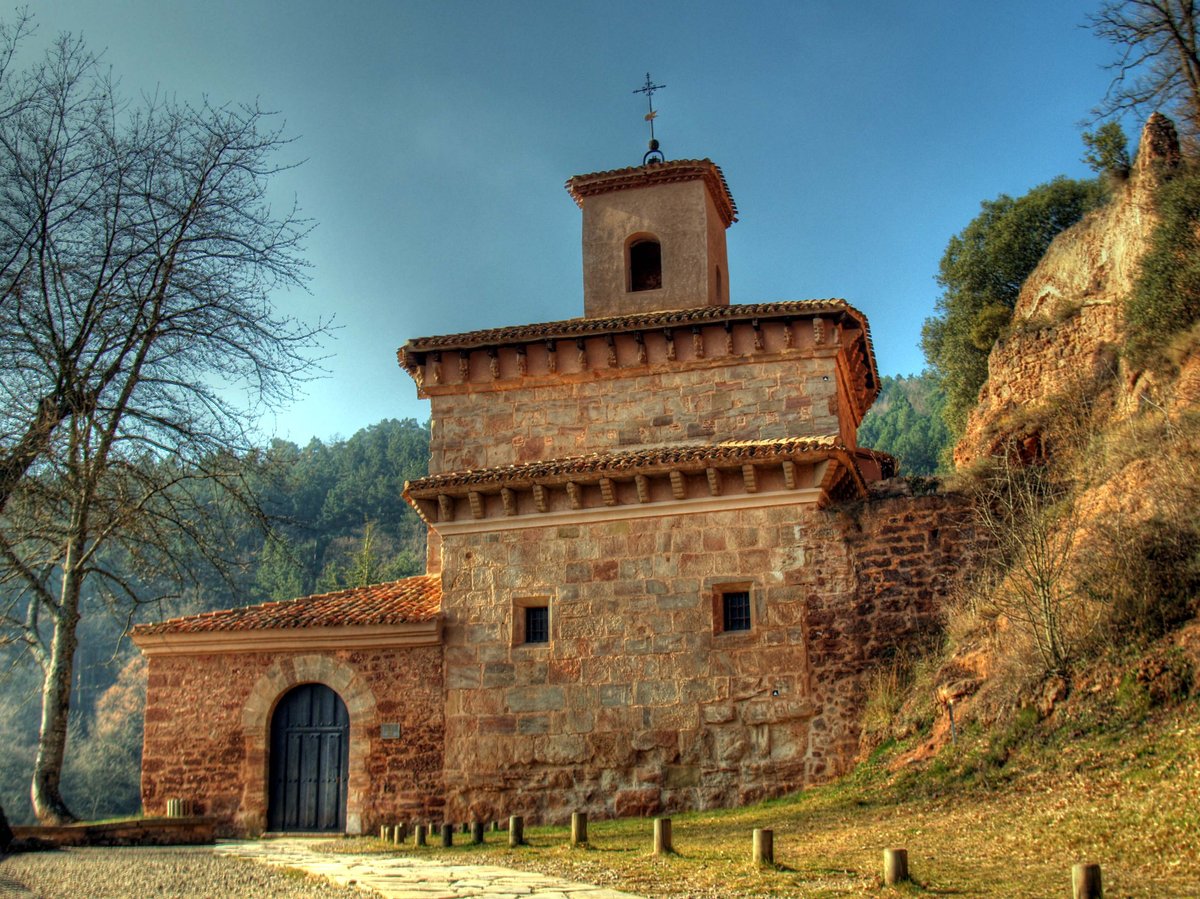

The two monasteries in San Millán de Suso and Yuso have a rich and long history, dating back to the 16th century. Located in Spain’s La Rioja region, these monastic buildings have been a part of the community for several centuries. The names Suso (meaning ‘upper’) and Yuso (meaning ‘lower’) reflect the monasteries’ positions in the valley. While Suso is thought to be built on the site where Saint Millán lived as a hermit, Yuso was constructed in the 16th century. These historical sites have contributed significantly to the Spanish language.
San Millán is recognized as a UNESCO World Heritage Site, and it is here that some of the earliest phrases written in Spanish were recorded, known as the Glosas Emilianenses. These were the first written testimonies of the Spanish language and set the stage for its further development. San Millán is also associated with Gonzalo de Berceo, the first known Spanish poet by name, who lived in the 13th century. Now, both the abandoned Suso monastery and the reoccupied Yuso monastery attract tourists seeking a glimpse into the past and a deeper understanding of Spain’s cultural heritage.
Sources: Wikipedia, OpenStreetMap, Wikidata, Wikimedia Commons
Written by Nicolo Ciampini
Discuss this with the author and others
No comments yet. Be the first to start the conversation.