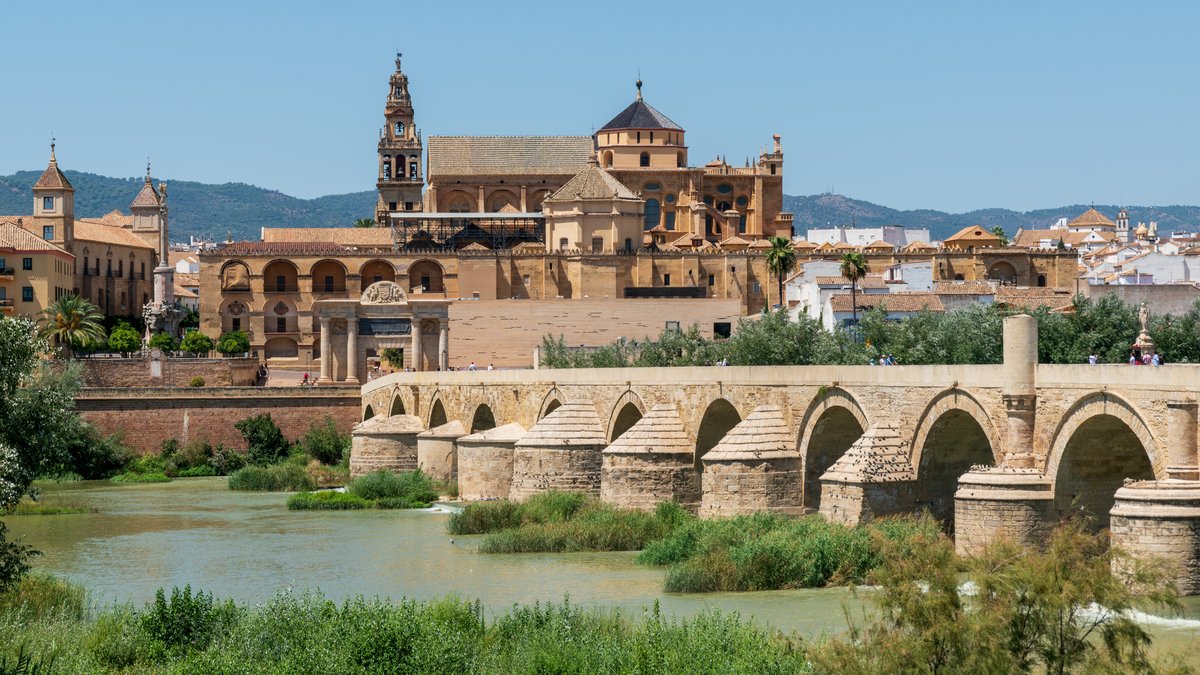

Córdoba, situated on the banks of the Guadalquivir River in southern Spain, boasts a rich and complex history. From its prehistoric origins to the Roman period, the city evolved significantly, eventually becoming a Roman colony with a bustling marketplace, a forum, and numerous temples. By the 1st century AD, Córdoba had grown to be an important trade hub, making way for the famous Cordoba Treasure, now housed in the British Museum, to be buried in the city.
However, it was during the Umayyad Caliphate that Córdoba truly transformed. It became the capital of the Emirate and then Caliphate of Córdoba, under Umayyad rule becoming a center of education and learning. By the 10th century, it had grown to be the second-largest city in Europe. The caliphate experienced a political crisis in the early 11th century, bringing about its state collapse. After the Christian conquest in 1236, Córdoba became part of the Crown of Castile as the head of the Kingdom of Córdoba.
Yet, the city continued to thrive under Christian rule, becoming a center of commerce, learning, and culture. Today, the Mezquita-Catedral stands as a testament to Córdoba’s rich and complex past, serving as a cathedral and a reminder of the city’s Muslim heritage.
Sources: Wikipedia, OpenStreetMap, Wikidata, Wikimedia Commons
Written by Nik Frost
Discuss this with the author and others
No comments yet. Be the first to start the conversation.