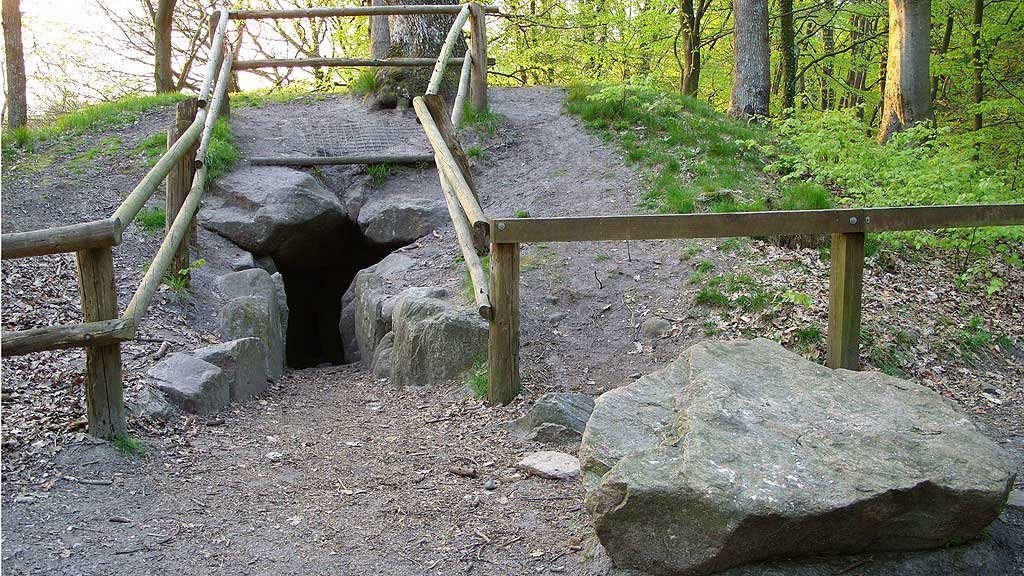
The Idstedter Räuberhöhle is a heavy, silent thing of stone. It sits in the Idstedter Wald, a place where the woods hold onto the shadows of the Neolithic period. To find it, one must navigate a confusing right-hand curve on the road from Arenholzfeld toward Idstedt, drifting just ten metres into the trees past the Wilhelmslust turnoff.
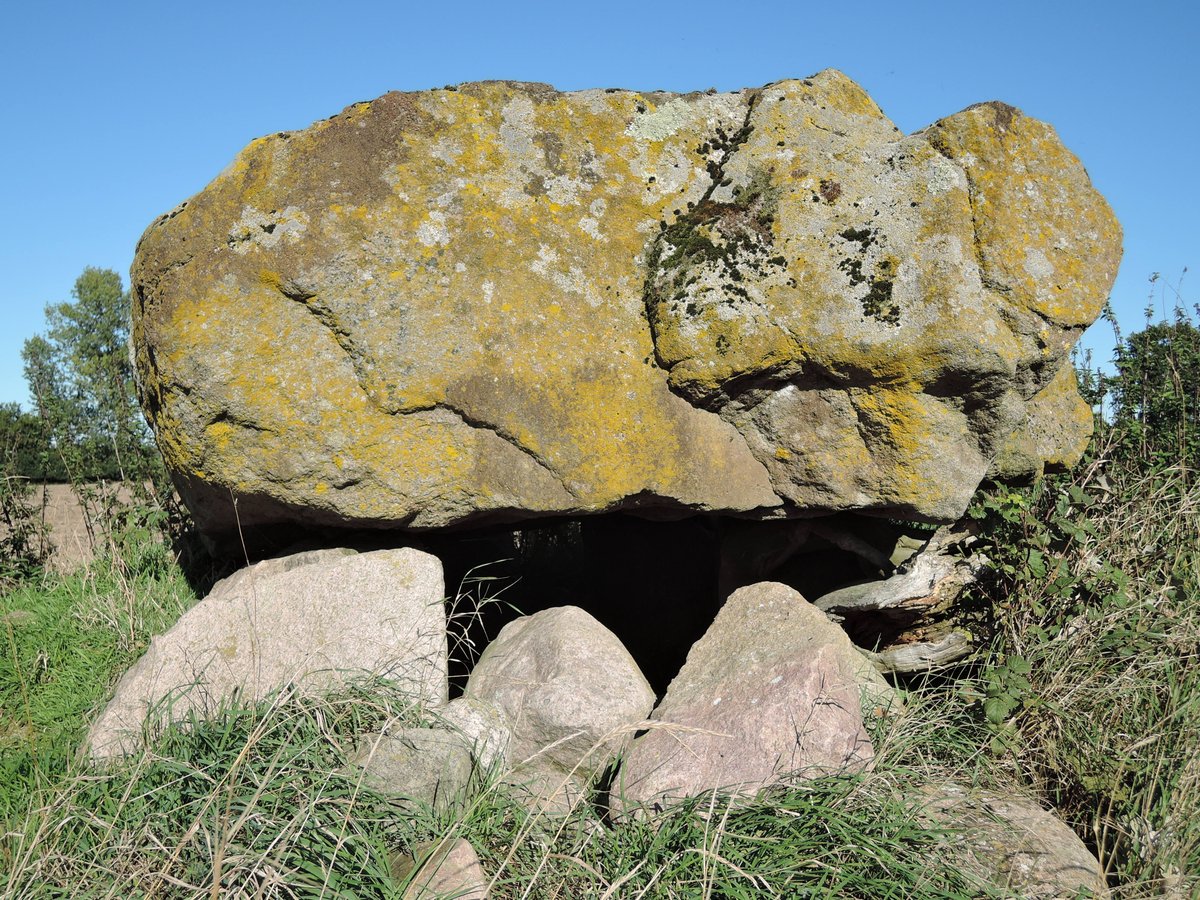
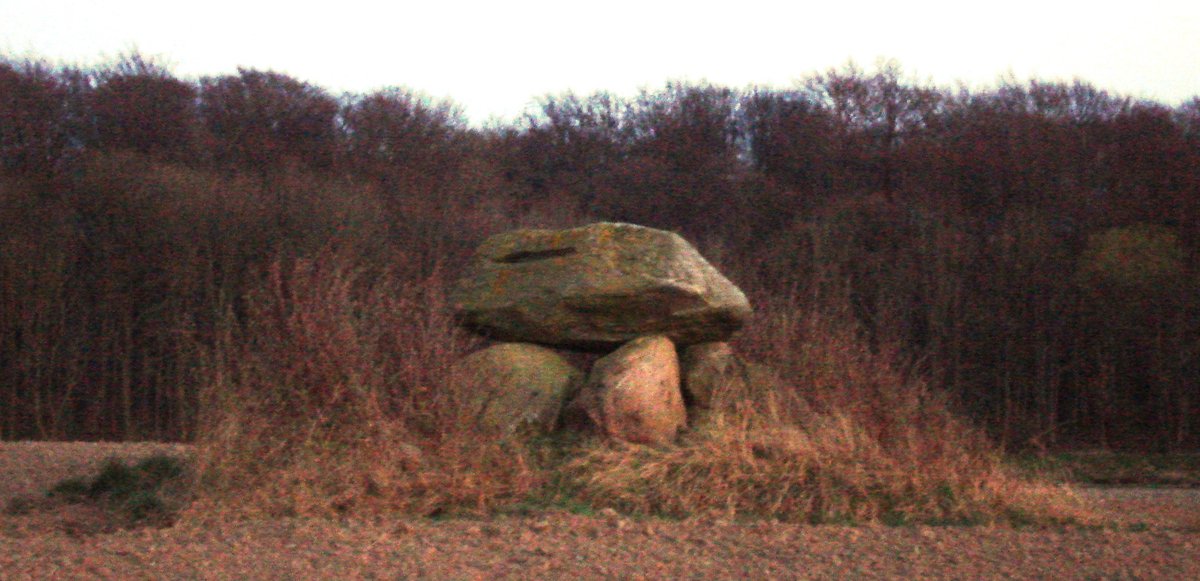
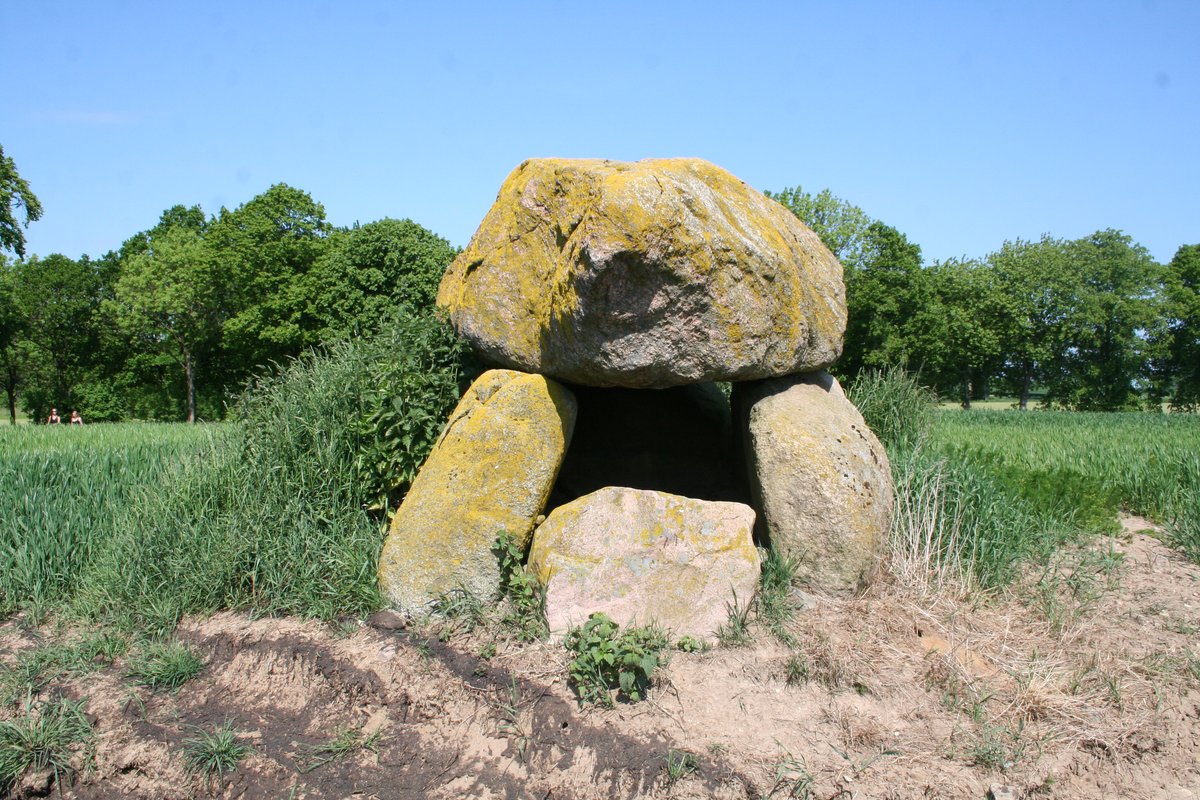
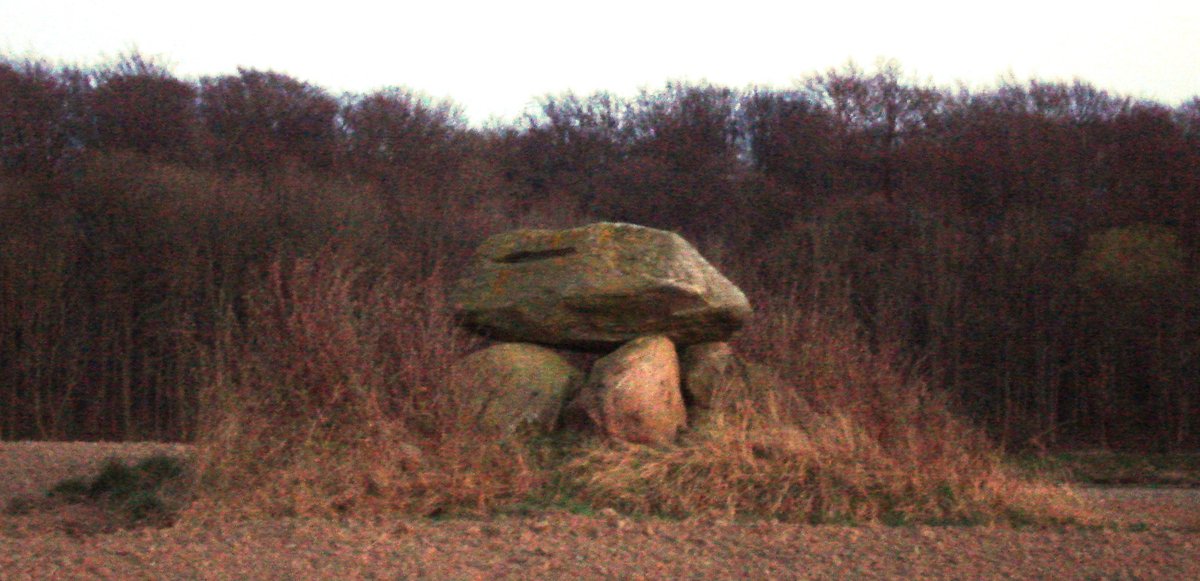
This is a passage grave of the Funnelbeaker culture, a landscape of megalithic ambition that flourished between 3500 and 2800 BC. It is one of the few remaining structures in Schleswig-Holstein that has escaped the erosion of time, maintaining a shape that feels deliberate and sturdy. The stones tell a story of permanence and ritual.
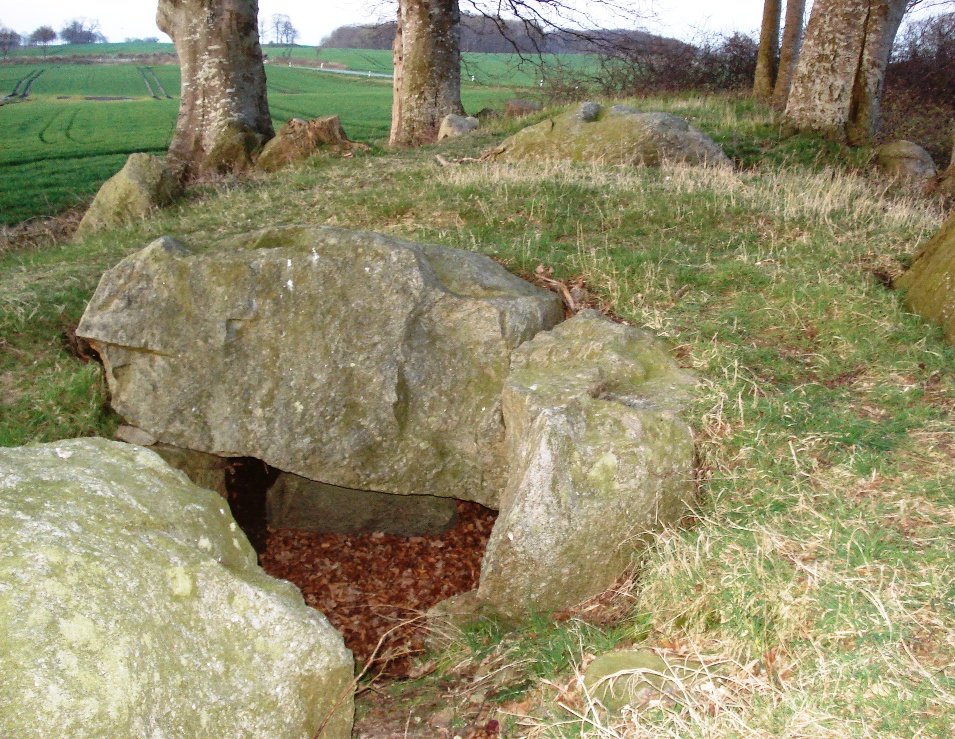
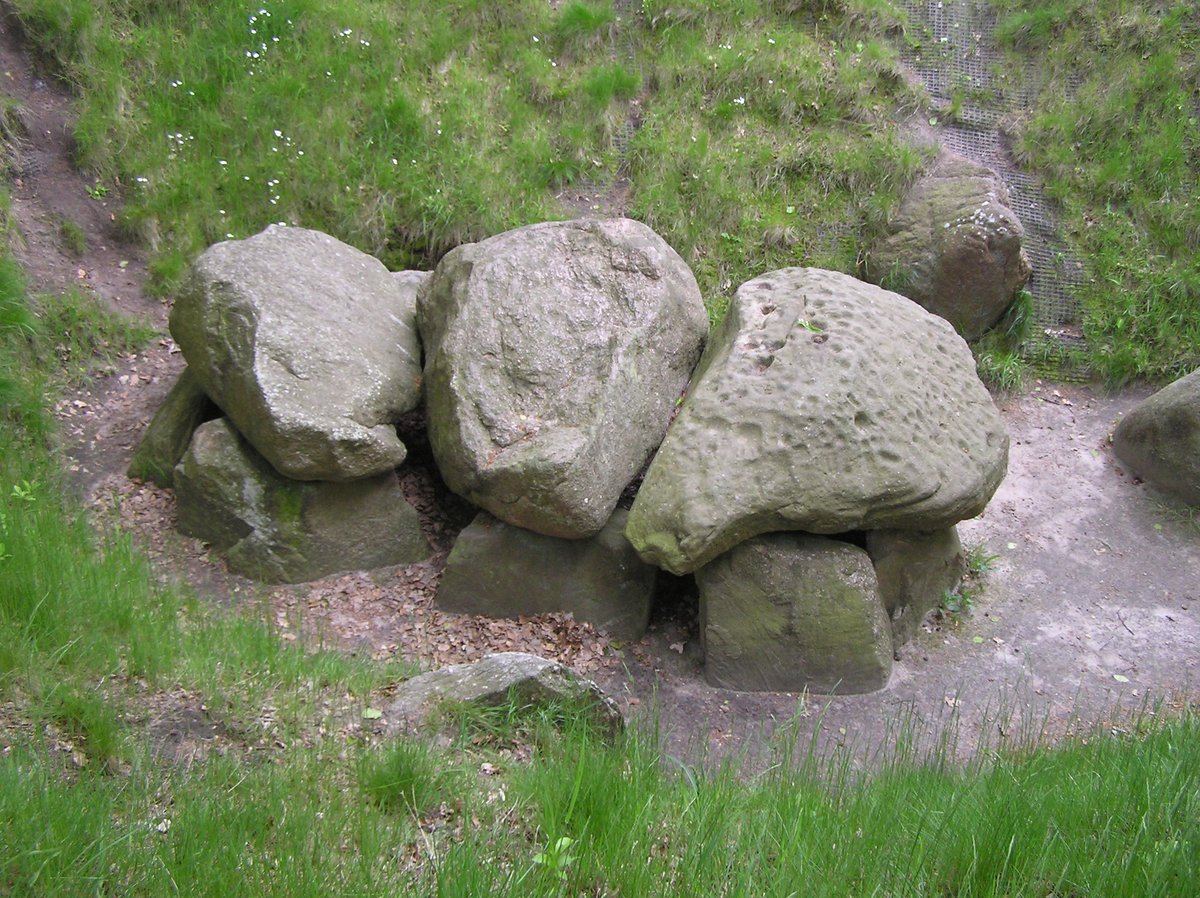
The tomb is defined by a round mound, rising about 2.5 metres from the forest floor and stretching over 17 metres across. If you could step inside the trapezoidal chamber, you would find a space 4.4 metres long and 1.5 to 2 metres wide. It is a cavern of precision, supported by nine support stones and capped by three capstones. The interior height reaches 1.5 metres, a low ceiling for a high purpose.
From this chamber, a lateral passage once extended 3.5 metres into the earth. Today, that path is only partially preserved, worn back by the centuries. While many such sites yield shards of pottery or tools to the archaeologists who study them, this one remains a vault of secrets. No finds have been made from the site, leaving the purpose of the stones to the imagination of the wanderer.
Here, in the curve of the road, the weight of the stones remains. It is a monument to the Funnelbeaker people, a quiet persistence of prehistoric masonry in a modern woods.
Sources: Wikipedia, OpenStreetMap, Wikidata, Wikimedia Commons
Written by Aurora
Discuss this with the author and others
No comments yet. Be the first to start the conversation.