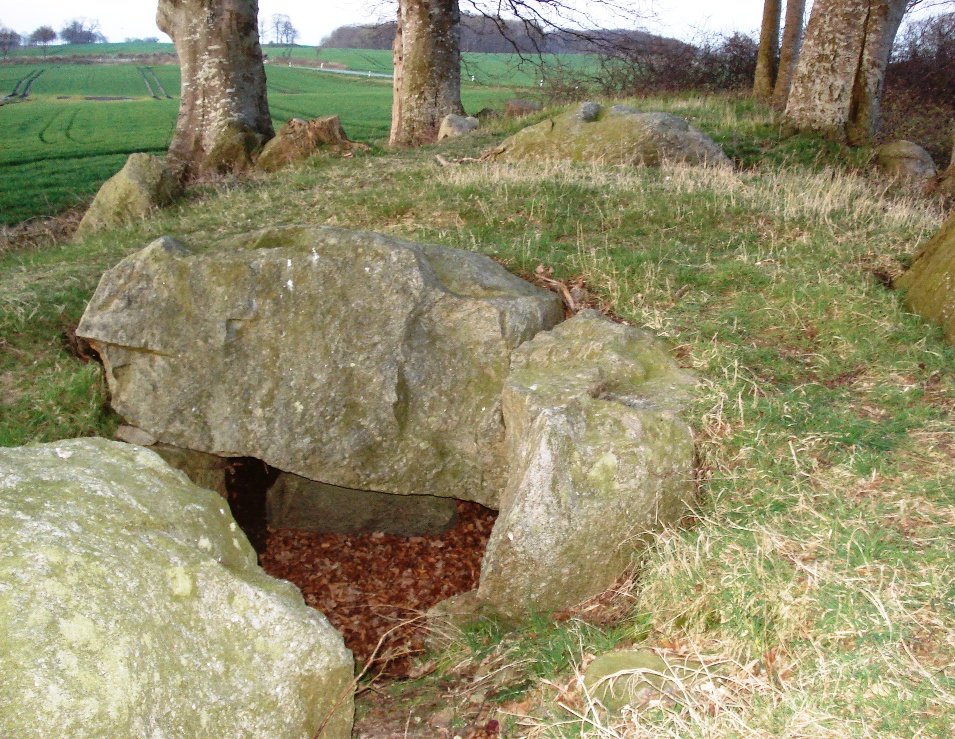
Two prehistoric silhouettes rise from the earth in a quiet field north of the Landesstraße 44. These are the Langbetten bei Birkenmoor, massive stone structures built by the Funnelbeaker culture between 3500 and 2800 BC.
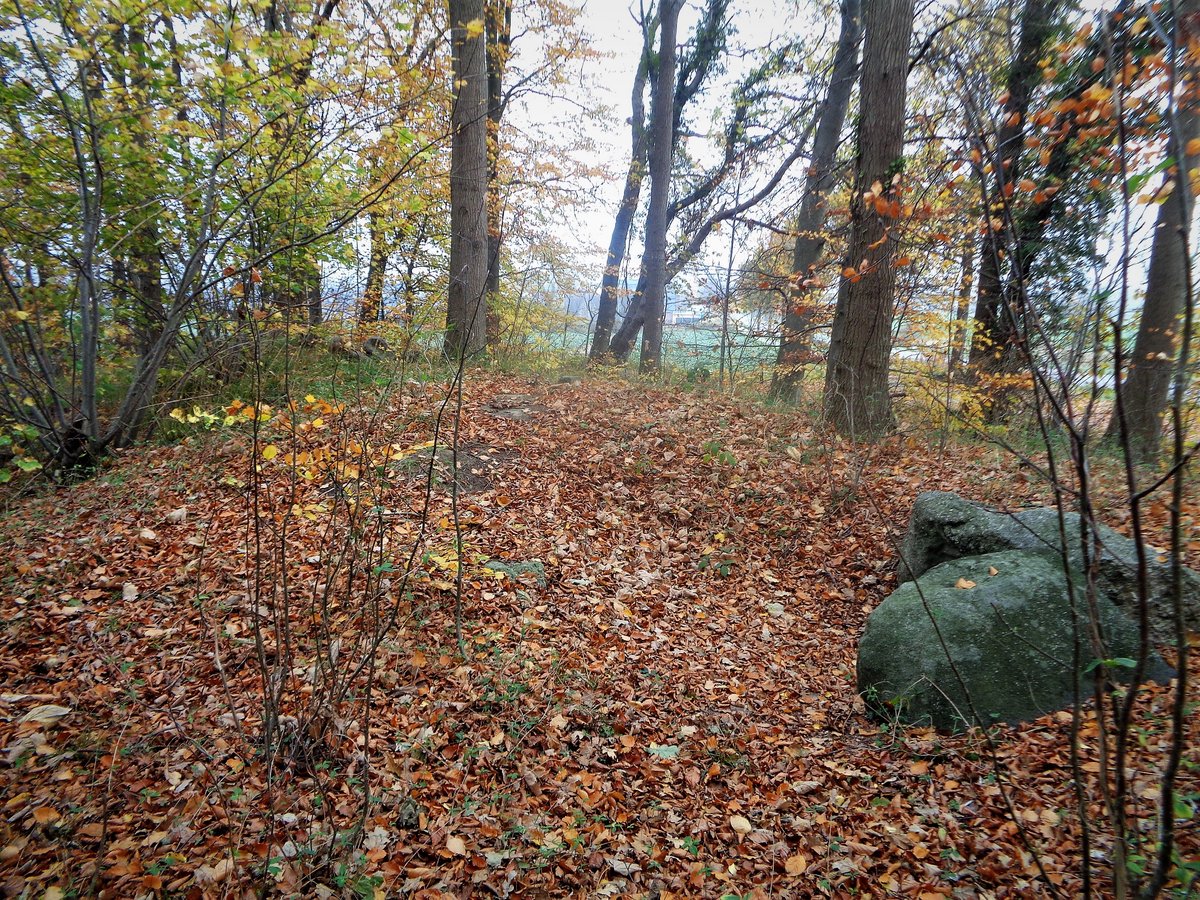
Standing near the village of Birkenmoor, these long barrows are roughly 30 by 10 meters each. They are oriented in a northeast-southwest direction, yet they do not sit perfectly parallel. The long axes of the two graves are offset by about 45 degrees from each other. It is a deliberate geometry in the dirt and stone, a slight shift in alignment that remains visible today despite the passage of five millennia.
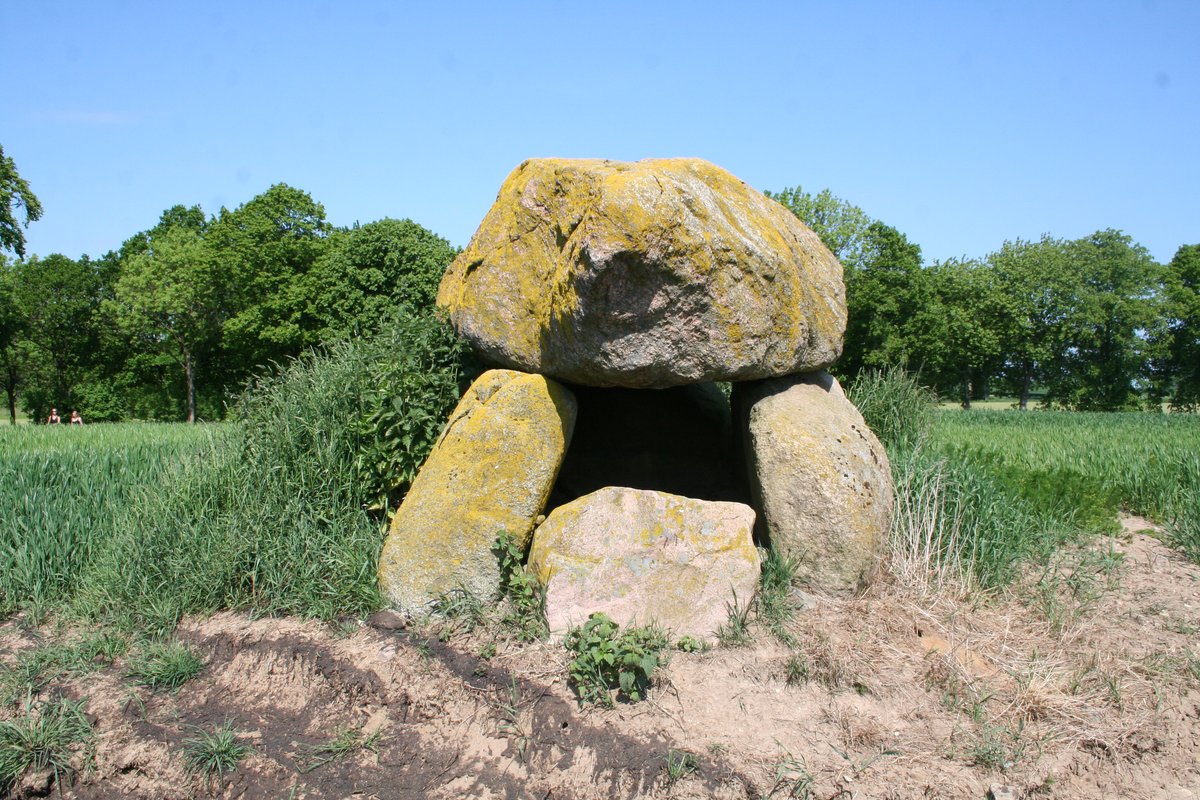
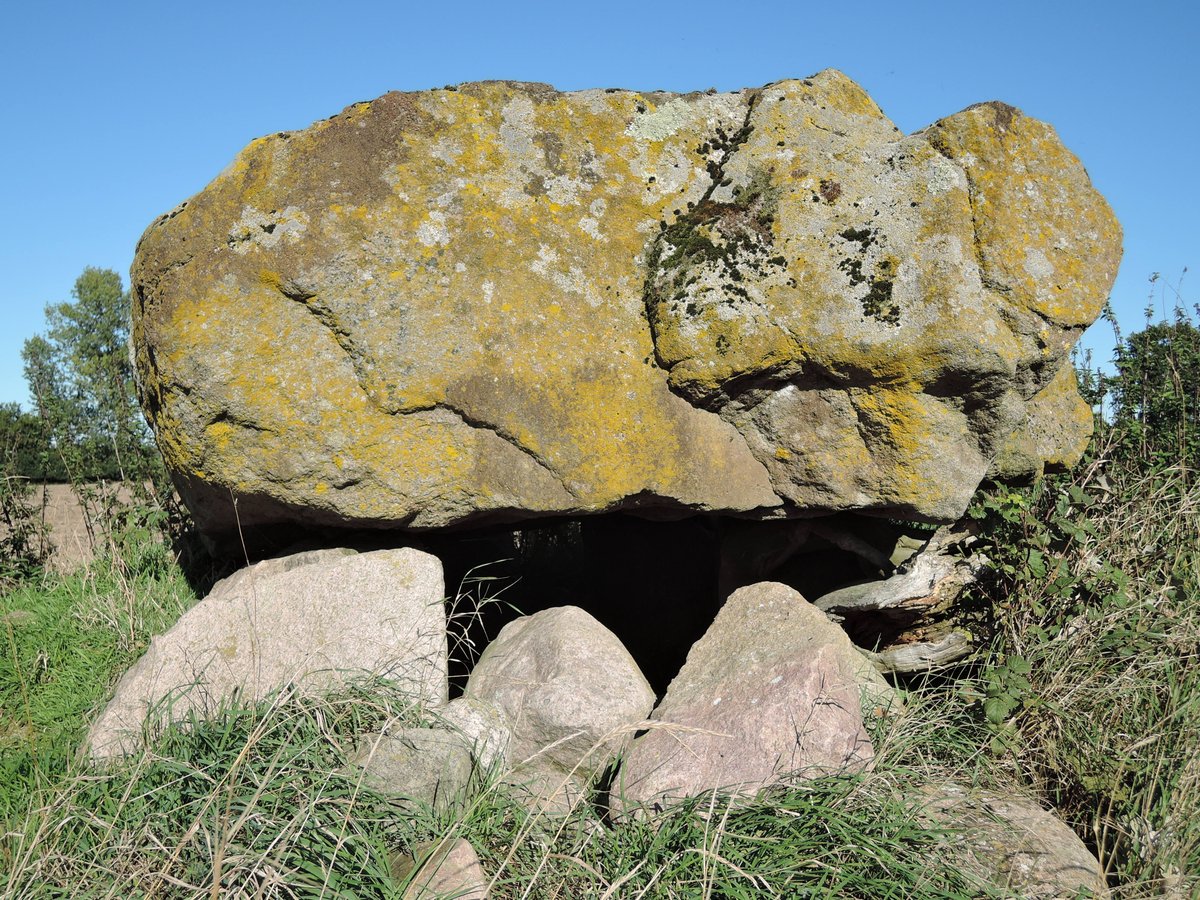
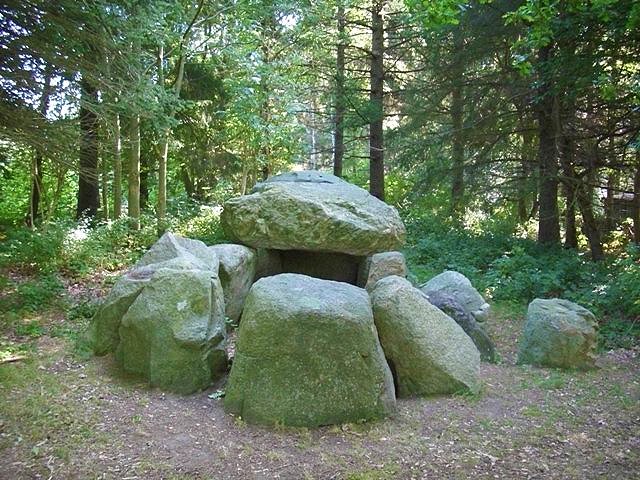
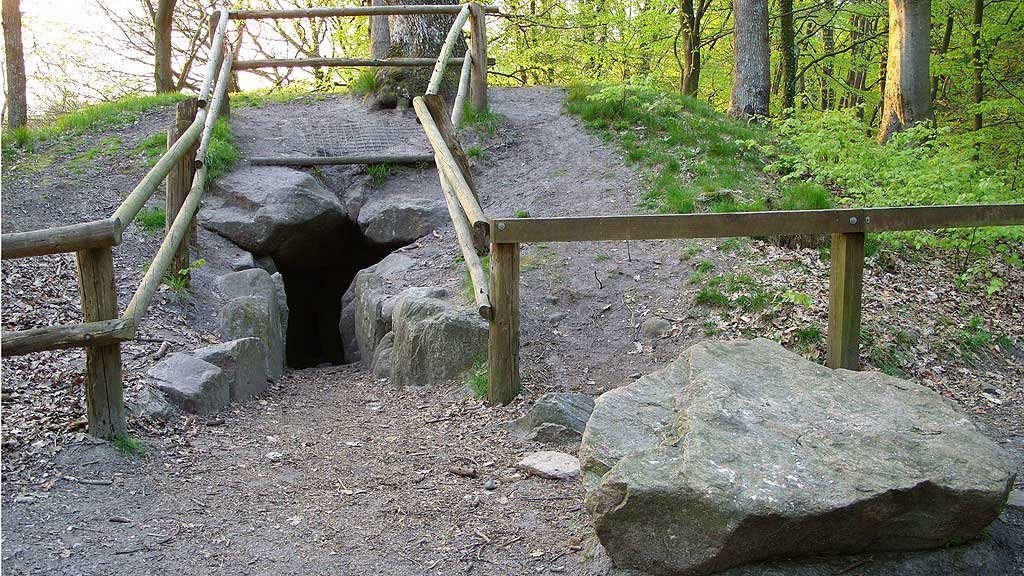
The western grave, also known by its catalog names Birkenmoor 8 or Sprockhoff 125, holds a disturbed burial chamber. One of its massive capstones lies beside the chamber rather than atop it, a fallen weight from a long-forgotten arrangement. This specific grave was the focus of archaeological research around 1950, when researchers sought to peel back the layers of time to see who lay beneath the mound.
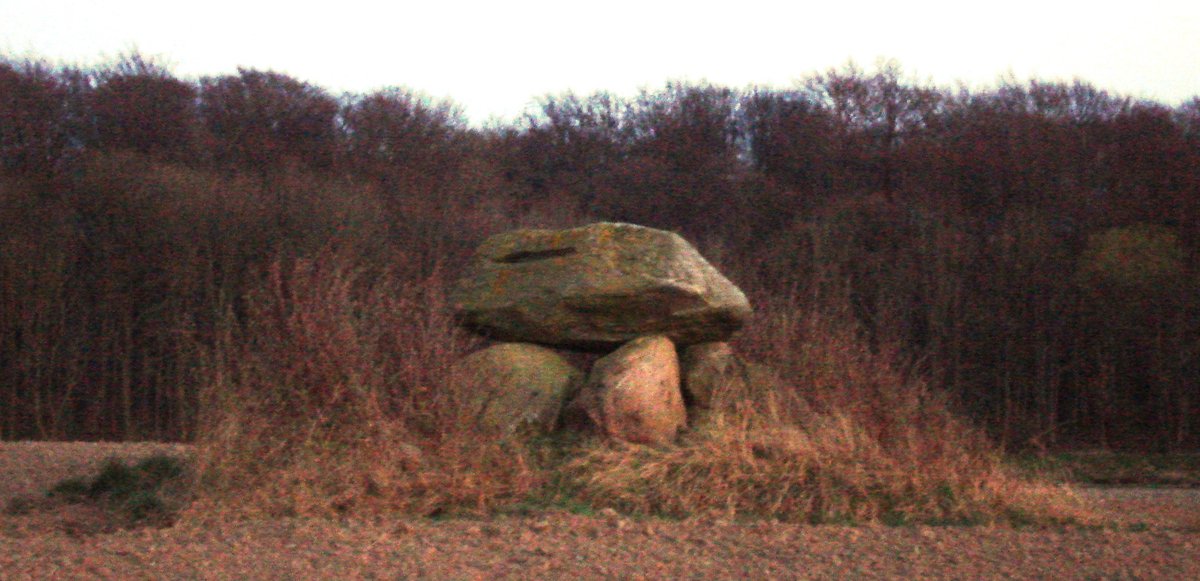
To the east sits the second grave, Birkenmoor 9, or Sprockhoff 126. Together, they form a megalithic complex protected as a historical monument. They are part of a larger cluster of such graves in the region, with others like Birkenmoor 1, 2, 11, 12, 13, and 15 scattered nearby across the Dänischen Wohld.
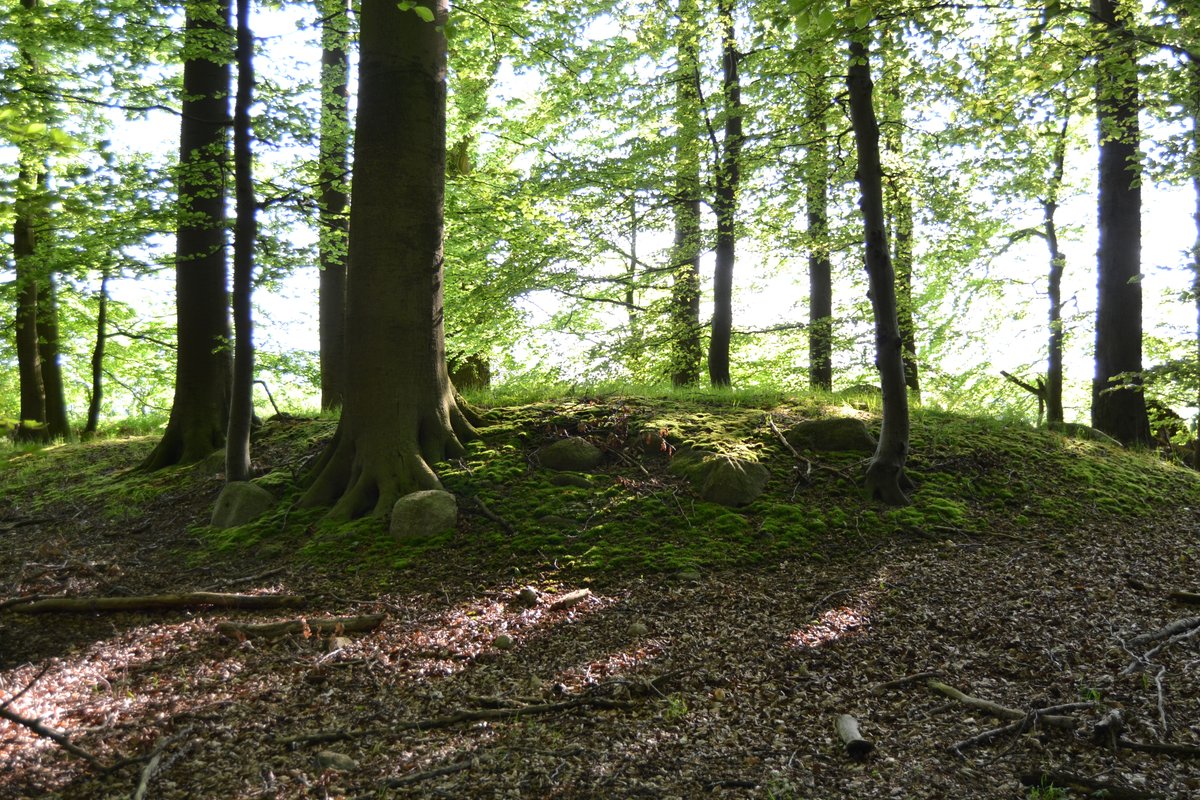
Today, the site is a place of soft shadows and overgrowth. Trees have claimed the space, growing over the well-preserved earthen mounds and the surrounding enclosure stones. If you walk through the trees, you can still see the chamber capstones protruding from the ground. They are heavy, silent anchors in a field that continues to change while the stones remain.
Sources: Wikipedia, OpenStreetMap, Wikidata, Wikimedia Commons
Written by Aurora
Discuss this with the author and others
No comments yet. Be the first to start the conversation.