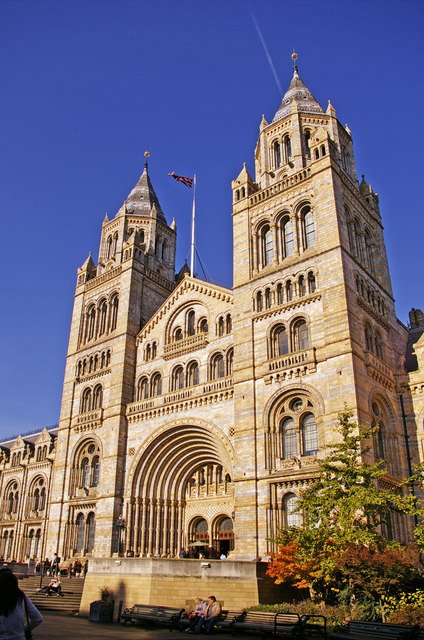

The Natural History Museum in South Kensington, far from being a hidden gem, is a grand spectacle worthy of admiration. Known as a 'cathedral of nature', it showcases its architectural marvels in the heart of the area. The museum is a hub of research specializing in taxonomy, identification, and conservation, boasting five main collections: botany, entomology, mineralogy, palaeontology, and zoology.
The museum is recognised as the pre-eminent centre of natural history and research of related fields in the world. It houses life and earth science specimens comprising some 80 million items, many of which have great historical as well as scientific value, such as specimens collected by Charles Darwin.
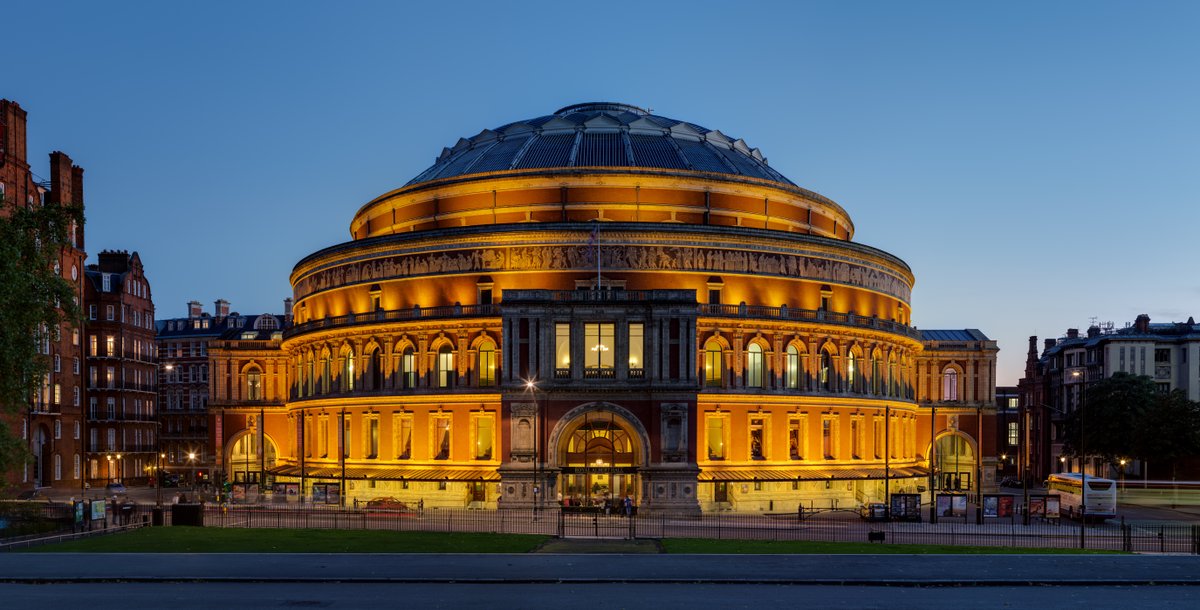
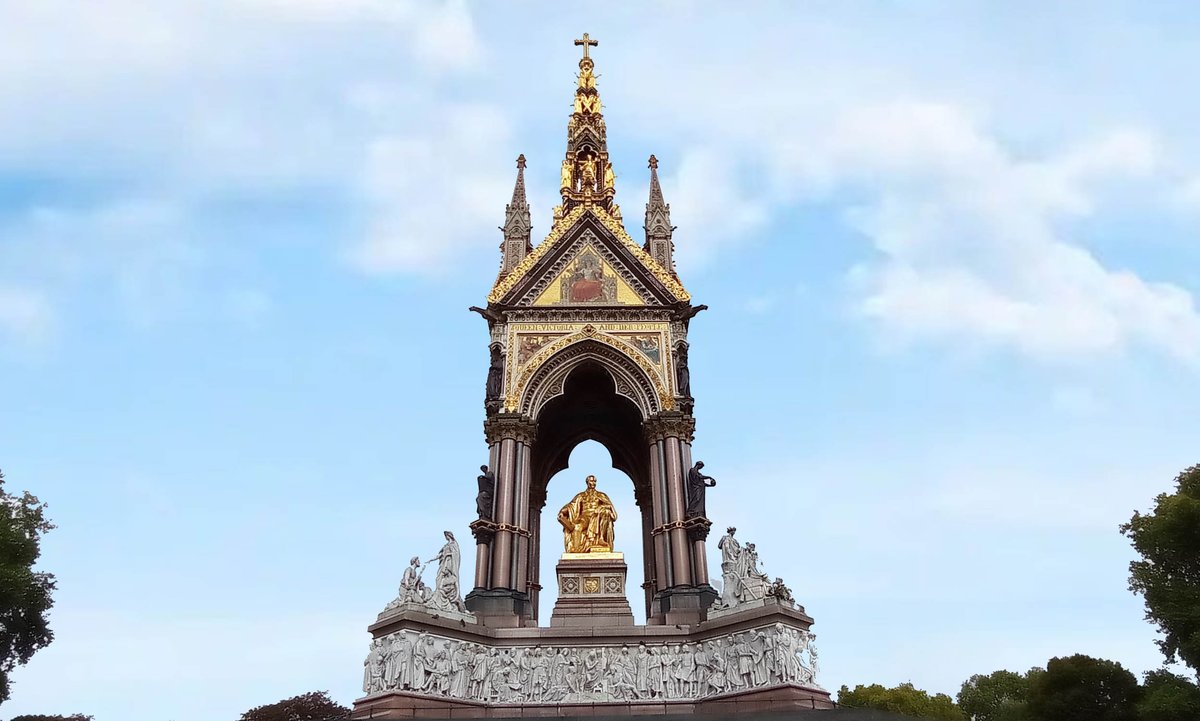
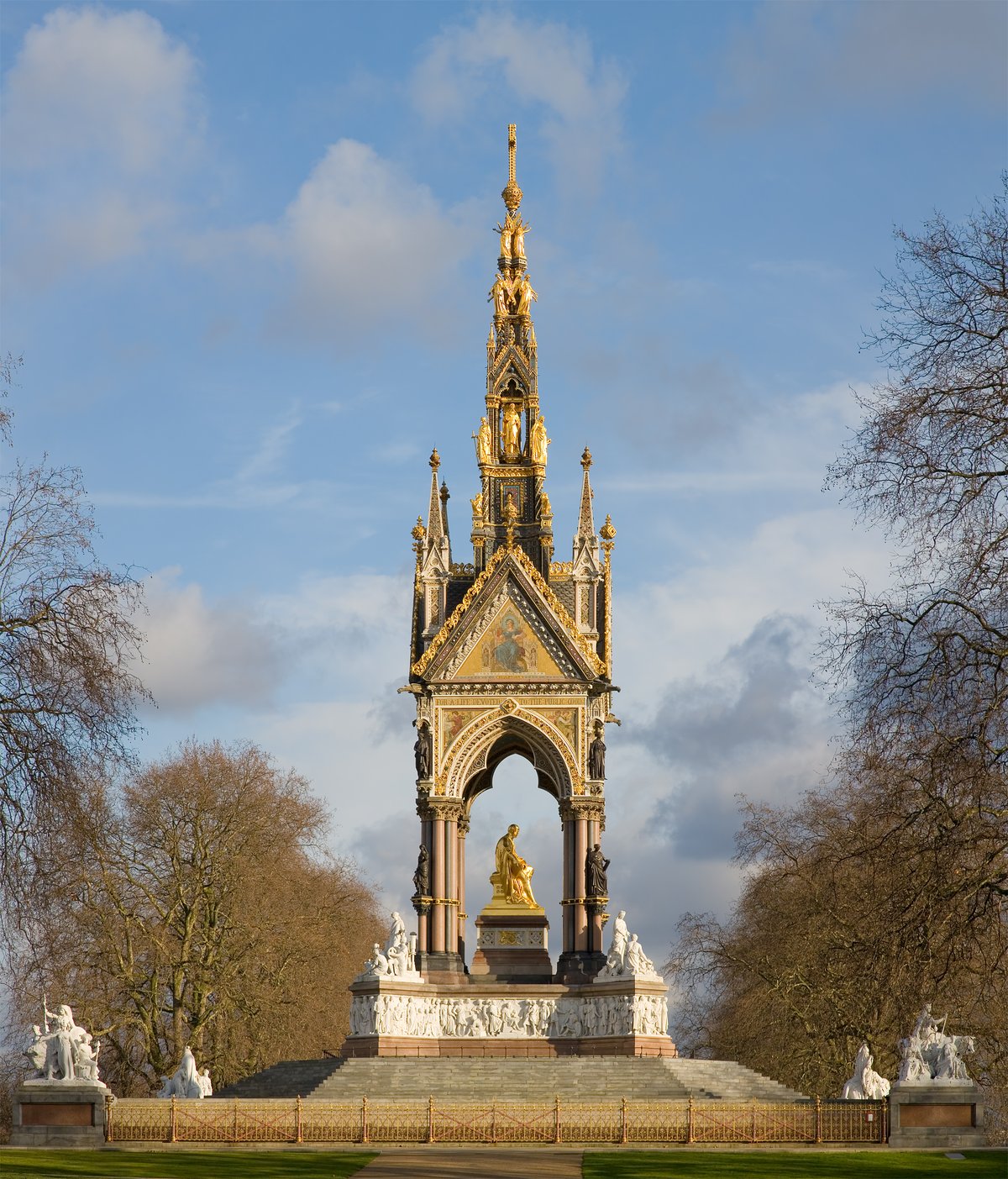
The landmark Alfred Waterhouse building was built and opened by 1881 and later incorporated the Geological Museum. The central axis of the museum is aligned with the tower of Imperial College London and the Royal Albert Hall and Albert Memorial, which all form part of the complex known colloquially as Albertopolis.
Sources: Wikipedia, OpenStreetMap, Wikidata, Wikimedia Commons



Written by Nicolo Ciampini
Discuss this with the author and others
No comments yet. Be the first to start the conversation.