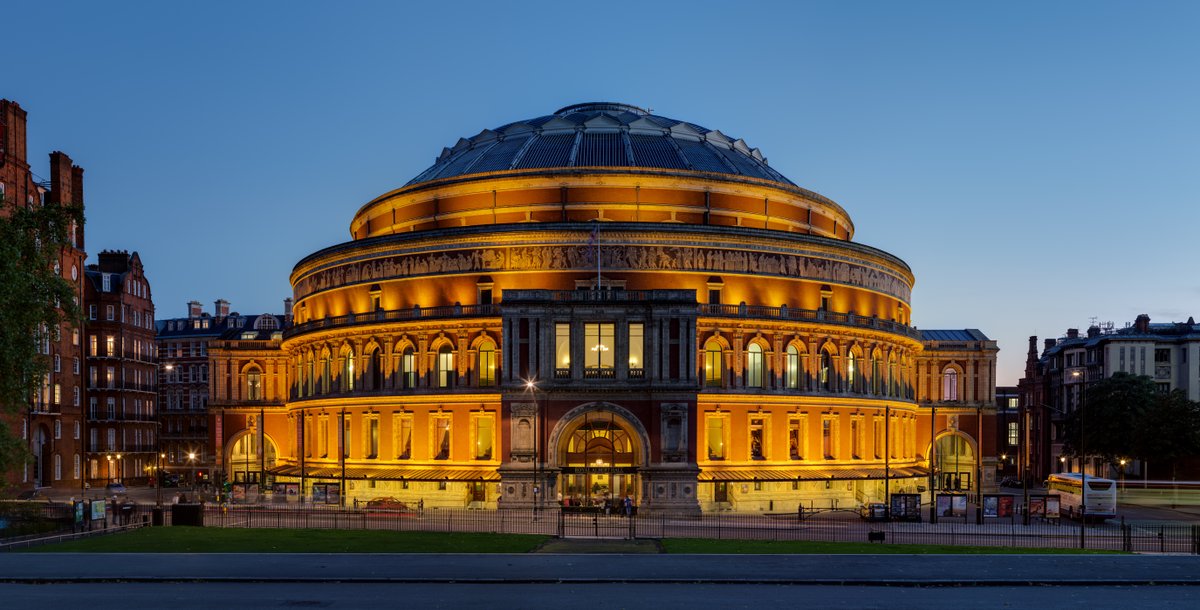

The acoustics were so cavernous that it became a running joke; it was jokingly said the hall was "the only place where a British composer could be sure of hearing his work twice."
Why did they build it this way? The architects, Francis Fowke and Henry Young Darracott Scott, were influenced by ancient amphitheatres and were seeking to outdo the recently opened Cirque d'Hiver in Paris. They constructed the hall mainly of Fareham Red brick with a wrought iron dome. During the construction of the dome, the builders were so nervous about it collapsing that only volunteers remained on site to watch. It did drop, but only by five-sixteenths of an inch (7.9 mm).
Queen Victoria opened the place in 1871, though she was too overcome to speak and a welcoming speech was given by Edward, the Prince of Wales. Even Richard Wagner sat in a large armchair on the corner of the stage to conduct half of his festival concerts, handing the baton over to Hans Richter for the remainder. To address the echo, engineers first tried to suspend a canvas awning below the dome to help muffle the sound and shelter concert-goers from the sun.
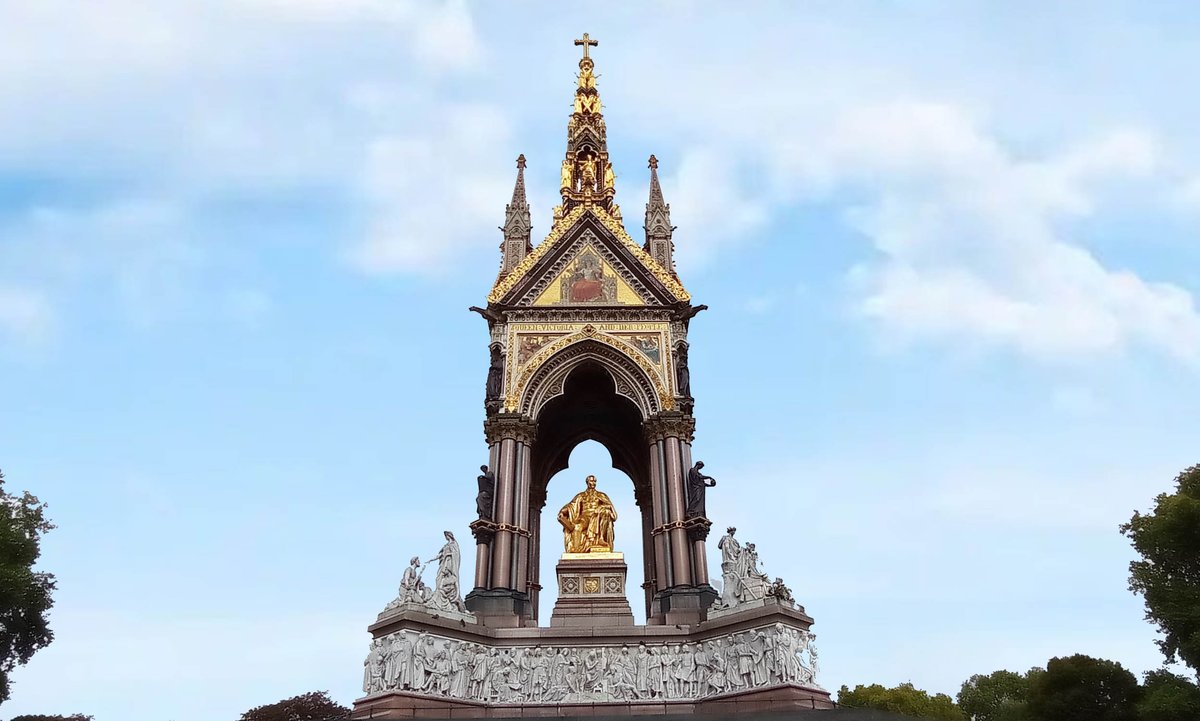
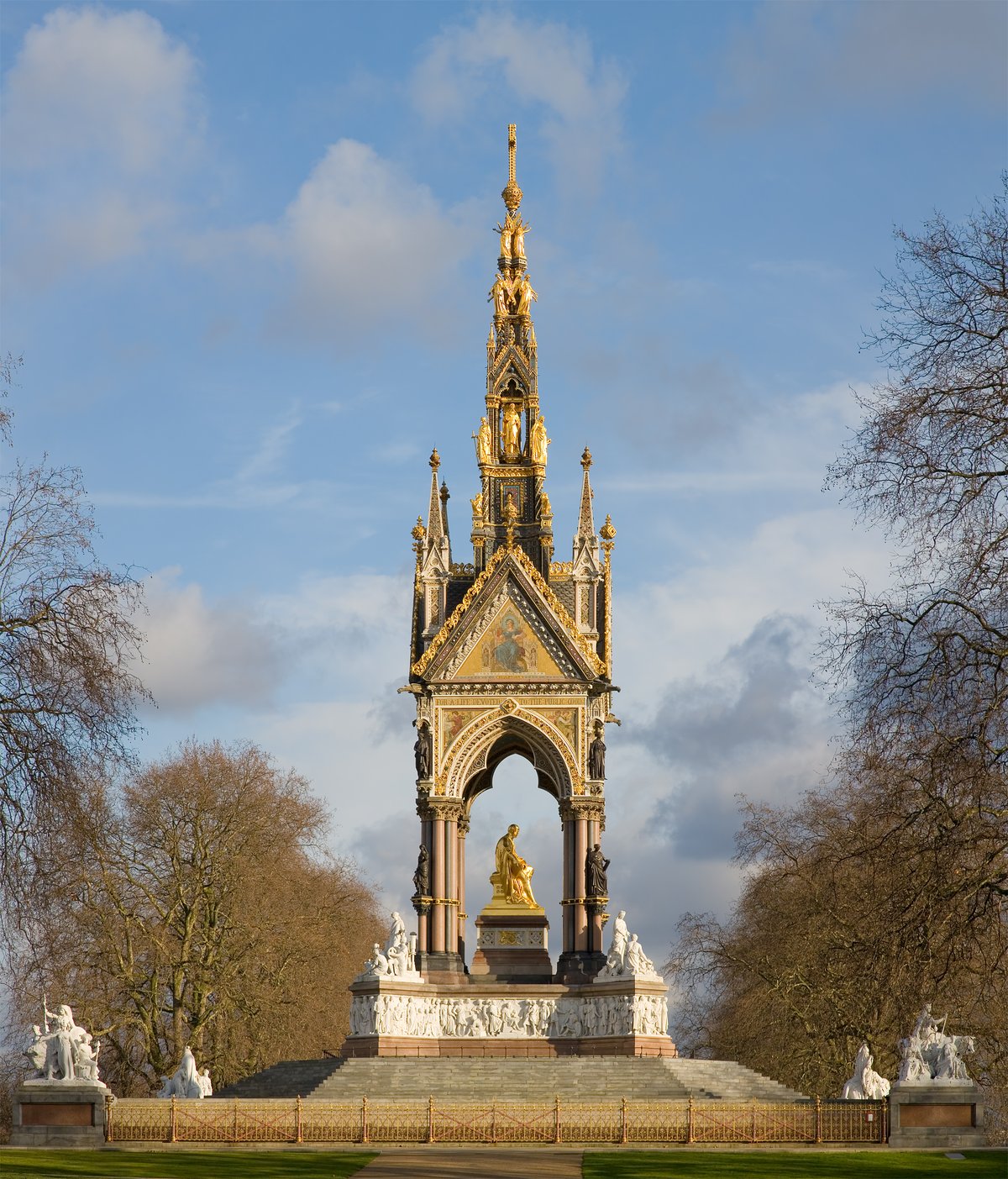
Today, it handles everything from the BBC Proms to sports and charity banquets. It is a memorial to Prince Albert, who died six years before the hall's foundation stone was laid, standing as a practical tribute to the Prince Consort.
Sources: Wikipedia, OpenStreetMap, Wikidata, Wikimedia Commons



Written by Nicolo Ciampini
Discuss this with the author and others
No comments yet. Be the first to start the conversation.