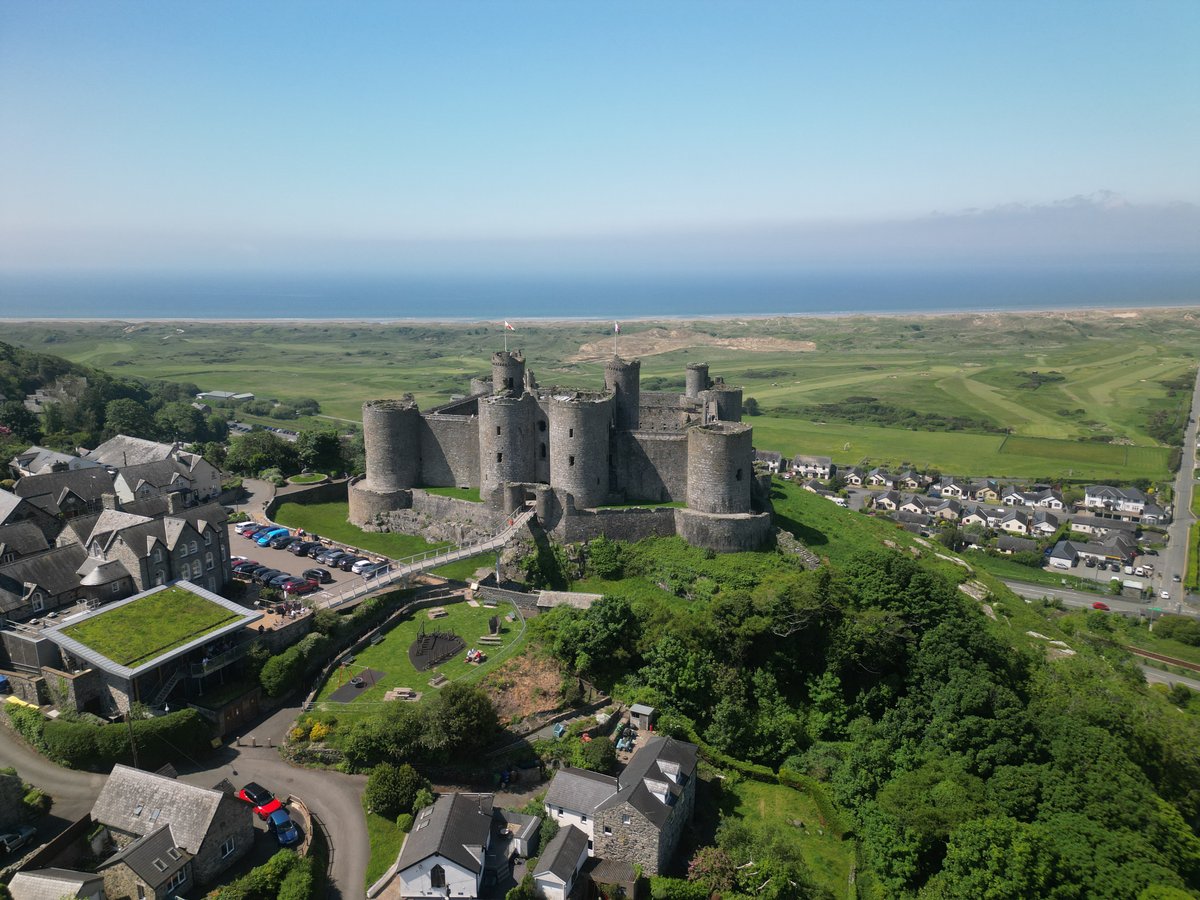

Nested within Gwynedd, Wales, stands Harlech Castle, a Grade I listed fortification. Constructed by Edward I during his invasion of Wales between 1282 and 1289, it was built onto a rocky knoll close to the Irish Sea. Over the next few centuries, the castle played an important part in several wars, withstanding the siege of Madog ap Llywelyn between 1294 and 1295, but falling to Prince Owain Glyndŵr in 1404.
Harlech became Glyndŵr's residence and military headquarters for the remainder of the uprising until being recaptured by English forces in 1409. During the 15th-century Wars of the Roses, Harlech was held by the Lancastrians for seven years, before Yorkist troops forced its surrender in 1468, a siege memorialised in the song "Men of Harlech". Following the outbreak of the English Civil War in 1642, the castle was held by forces loyal to Charles I, holding out until 1647 when it became the last fortification to surrender to the Parliamentary armies.
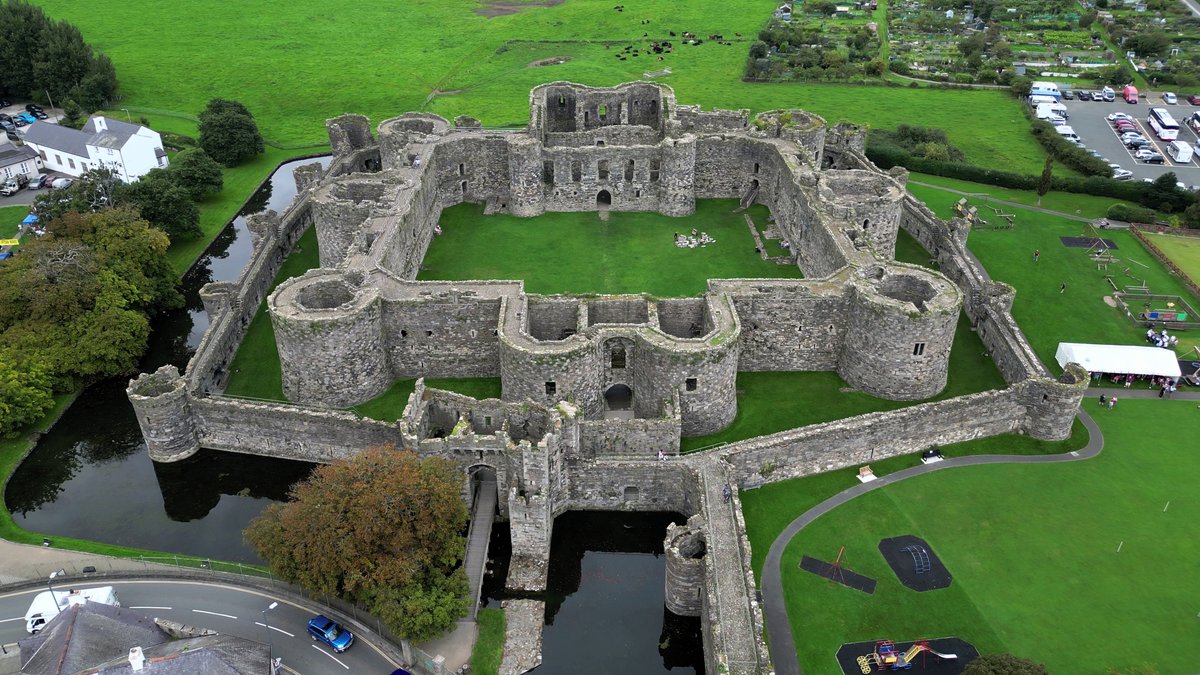
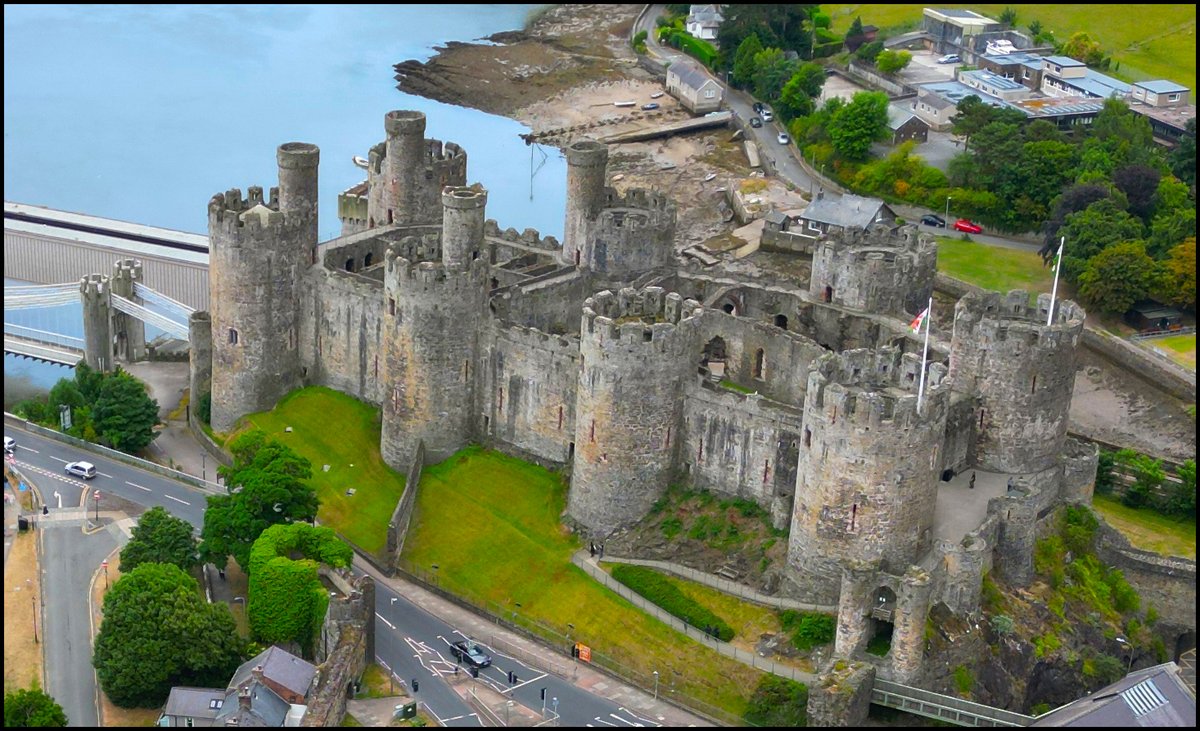
Currently, the ruined castle is managed by Cadw, the Welsh Government's historic environment service, as a tourist attraction. UNESCO considers Harlech, along with Beaumaris, Conwy, and Caernarfon, to be one of "the finest examples of late 13th century and early 14th century military architecture in Europe", and it is classed as a World Heritage Site. Since 2024, the site has been managed under its Welsh name, Castell Harlech.
Sources: Wikipedia, OpenStreetMap, Wikidata, Wikimedia Commons

Written by Nicolo Ciampini
Discuss this with the author and others
No comments yet. Be the first to start the conversation.