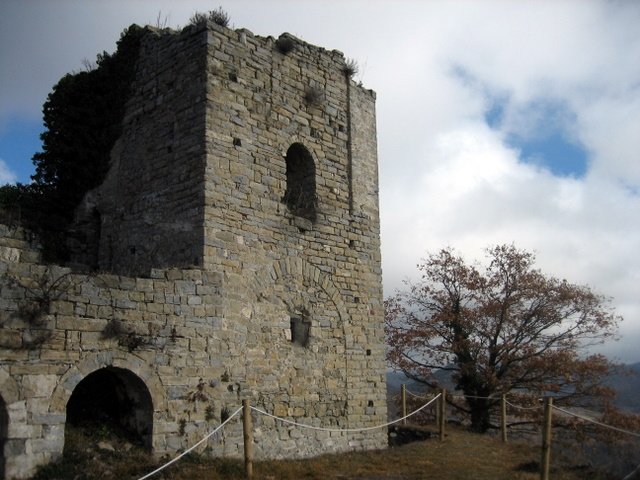

When the counts of Barcelona bestowed these lands upon a family of vicars in 895, the territory included the current municipalities of Sant Quirze de Besora, Santa Maria de Besora, and Montesquiu. Gombau de Besora became the most well-known figure of this family, intervening actively alongside the count of Barcelona, Ramon Borrell. The church of Santa Maria, documented in 898, was owned by the monastery of Sant Joan de les Abadesses and served as a parish.
For many centuries, this location served as a fortified stronghold. It changed ownership many times until it began to deteriorate during the 17th century. By the time the Carlist forces rose in 1839, the architecture had reached a state of near collapse as the main keep fell alongside the church of Santa Maria. The castle was previously linked to the Canet family in the 15th century and later to the lineage of the Marquis of Besora.
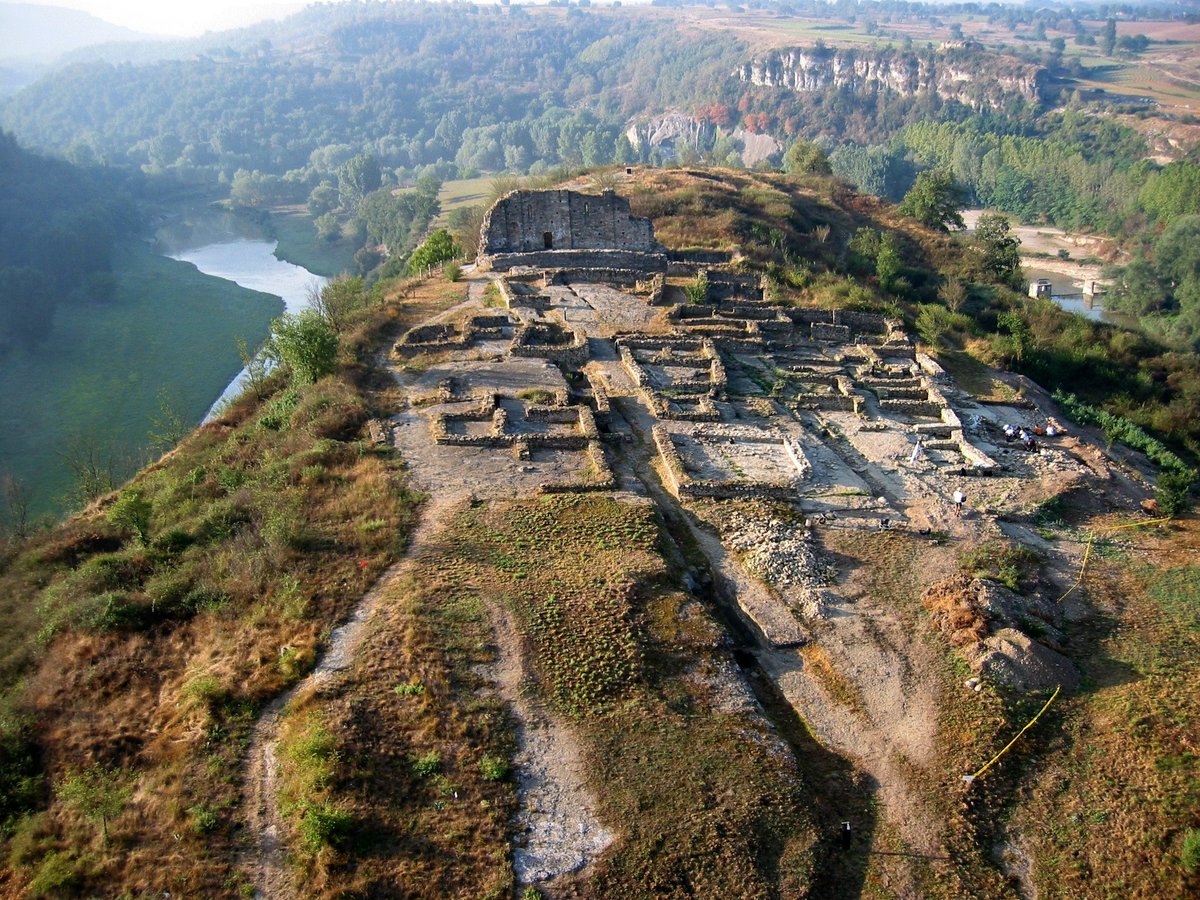
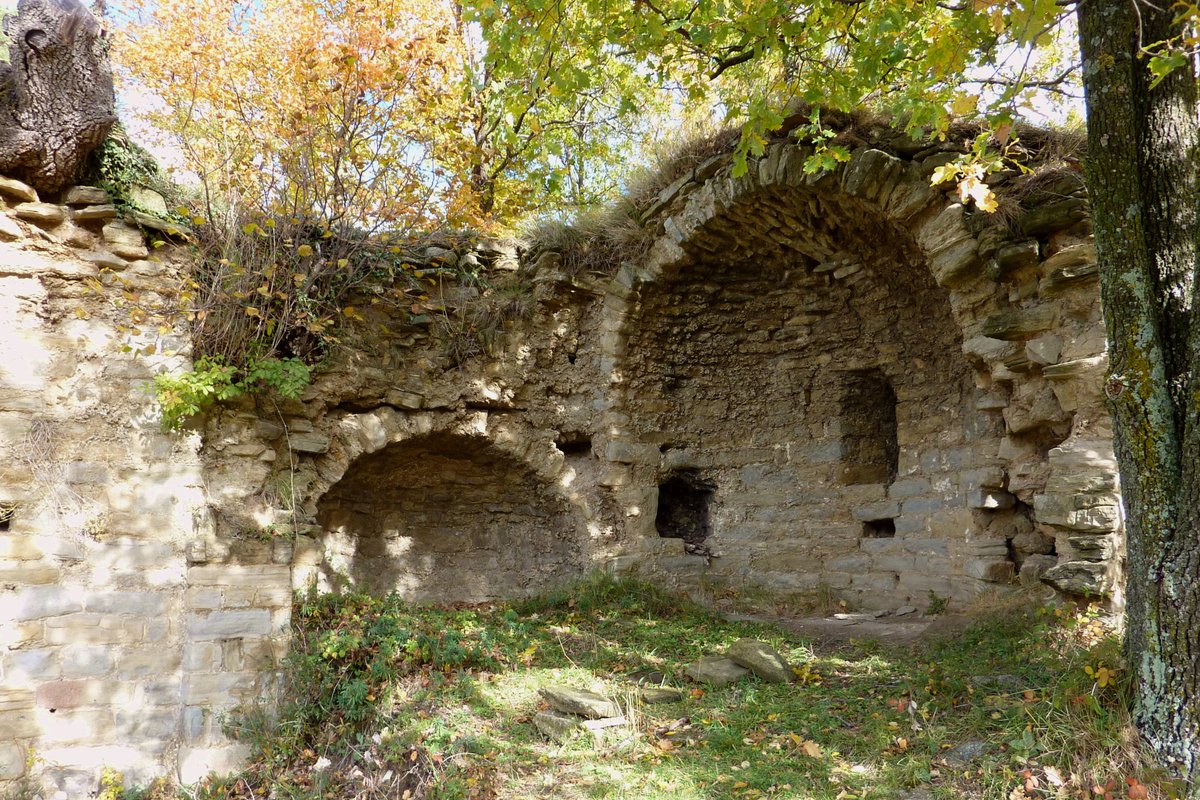
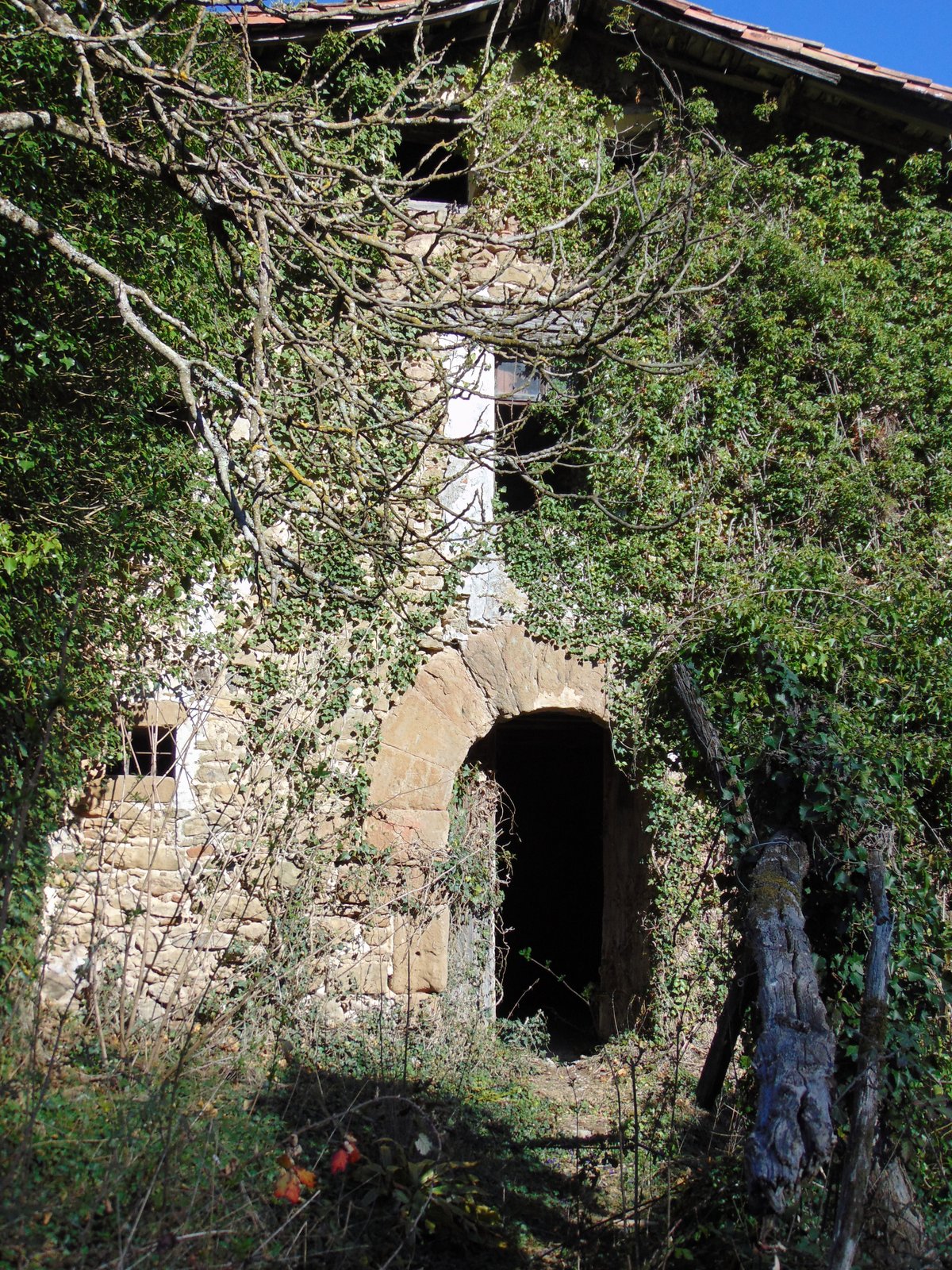
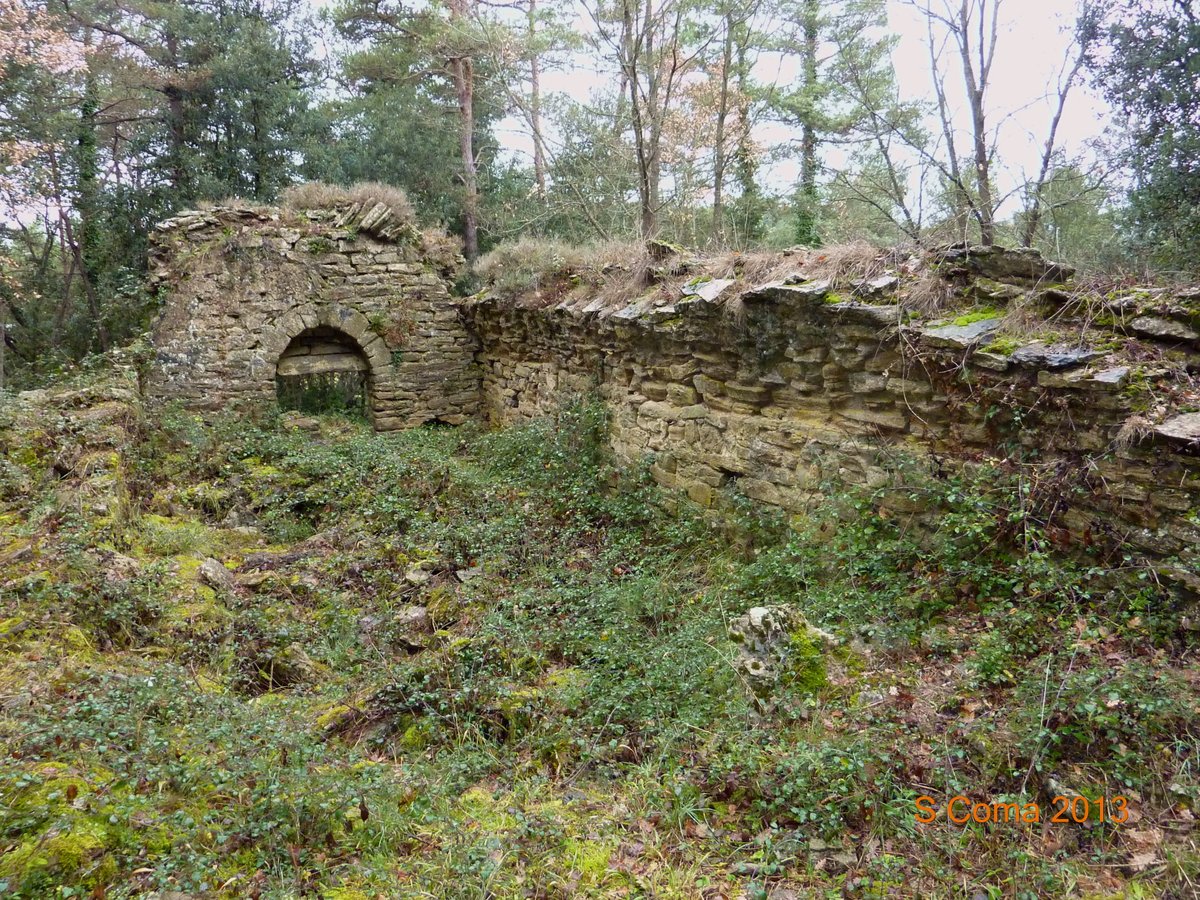
Modern visitors can now explore these ruins perched at an elevation of 1,023 meters. While much of the castle is in ruins, remains of the closing wall can be seen on the northern side of the hill, along with the remnants of various rooms and a possible cistern. The church of Santa Maria, which served as a parish until the 19th century, still shows signs of 16th-century renovations.
Further details of the site include a tower base that was later adapted as a chapel, a gallery resembling a cloister, and a southern wall near the cliff. A private foundation created in 2017 carried out a project to consolidate and restore the old church of Santa Maria and the walls and floors found in recent archaeological excavations.
Sources: Wikipedia, OpenStreetMap, Wikidata, Wikimedia Commons
Written by Nik Frost
Discuss this with the author and others
No comments yet. Be the first to start the conversation.