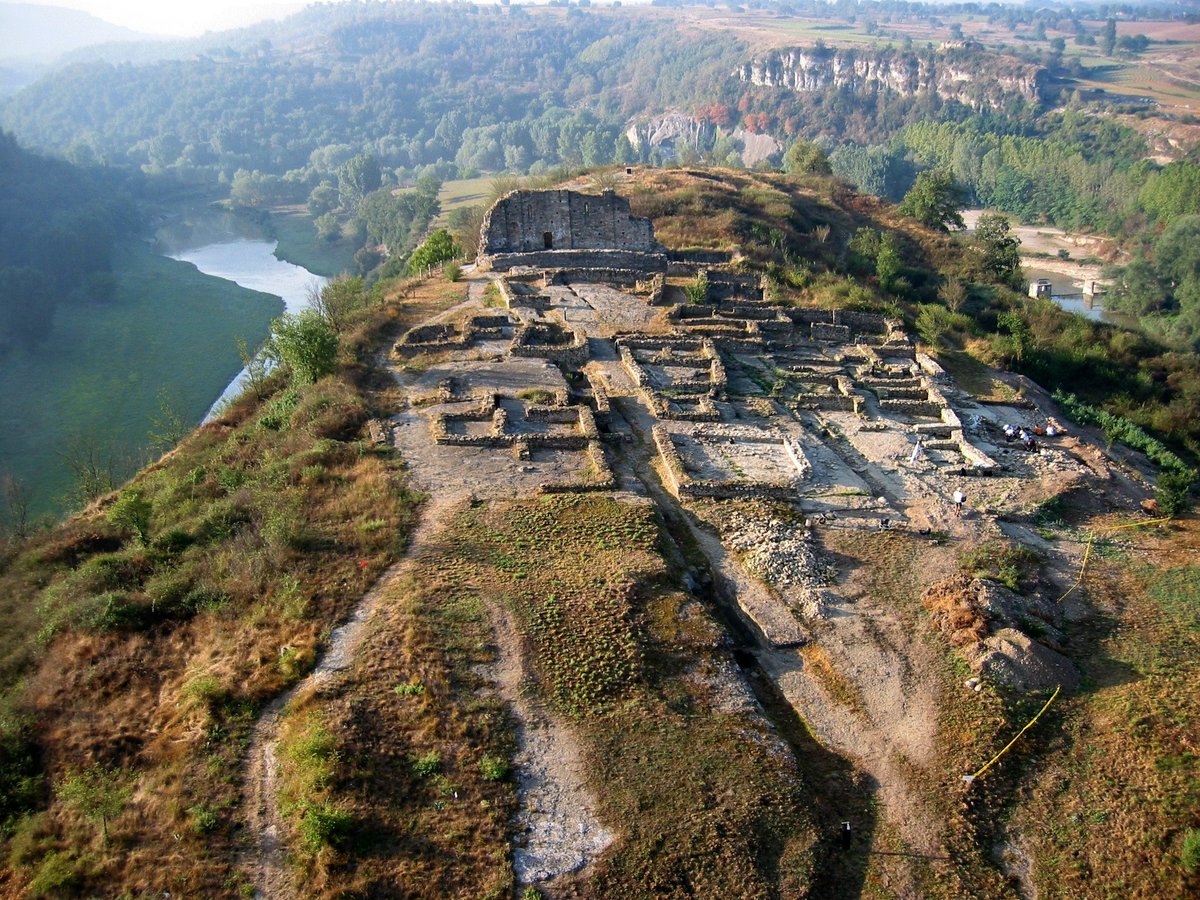

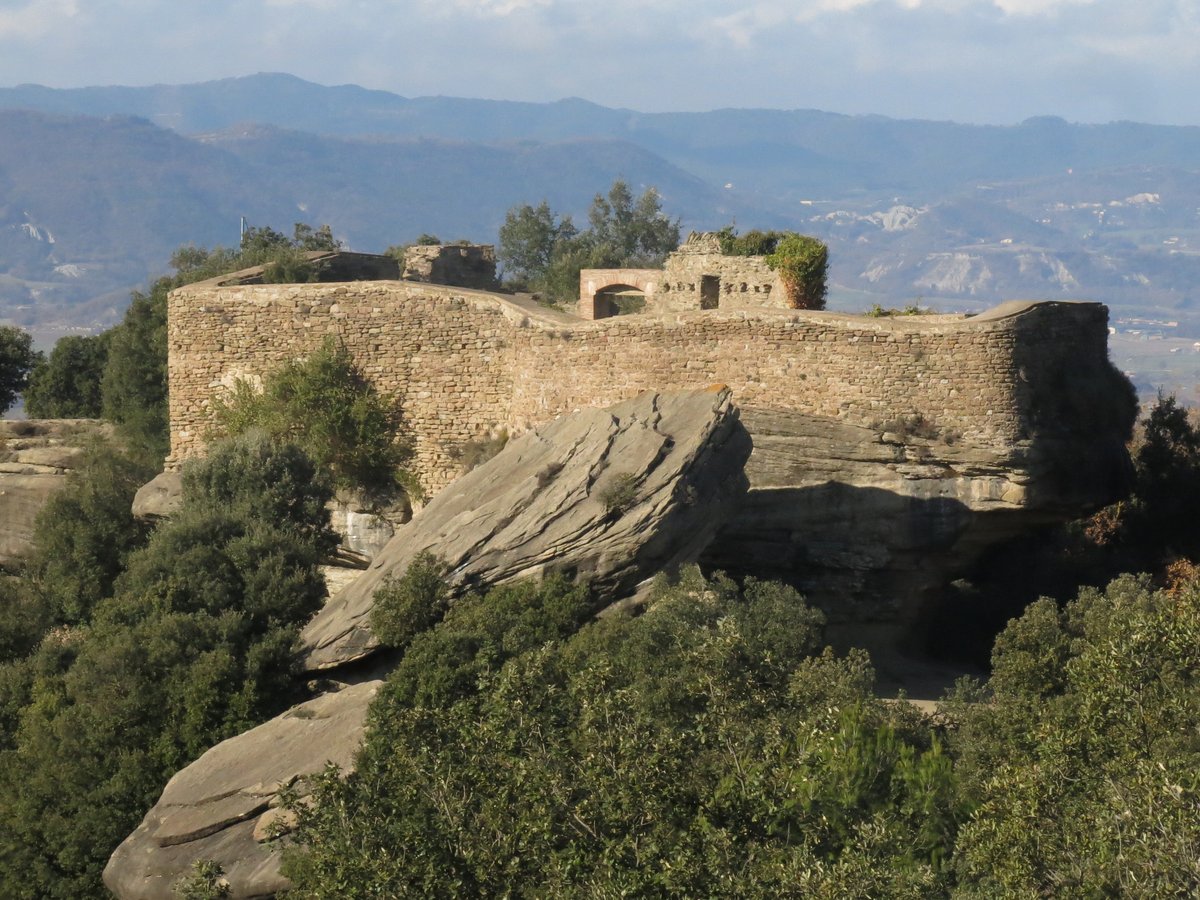
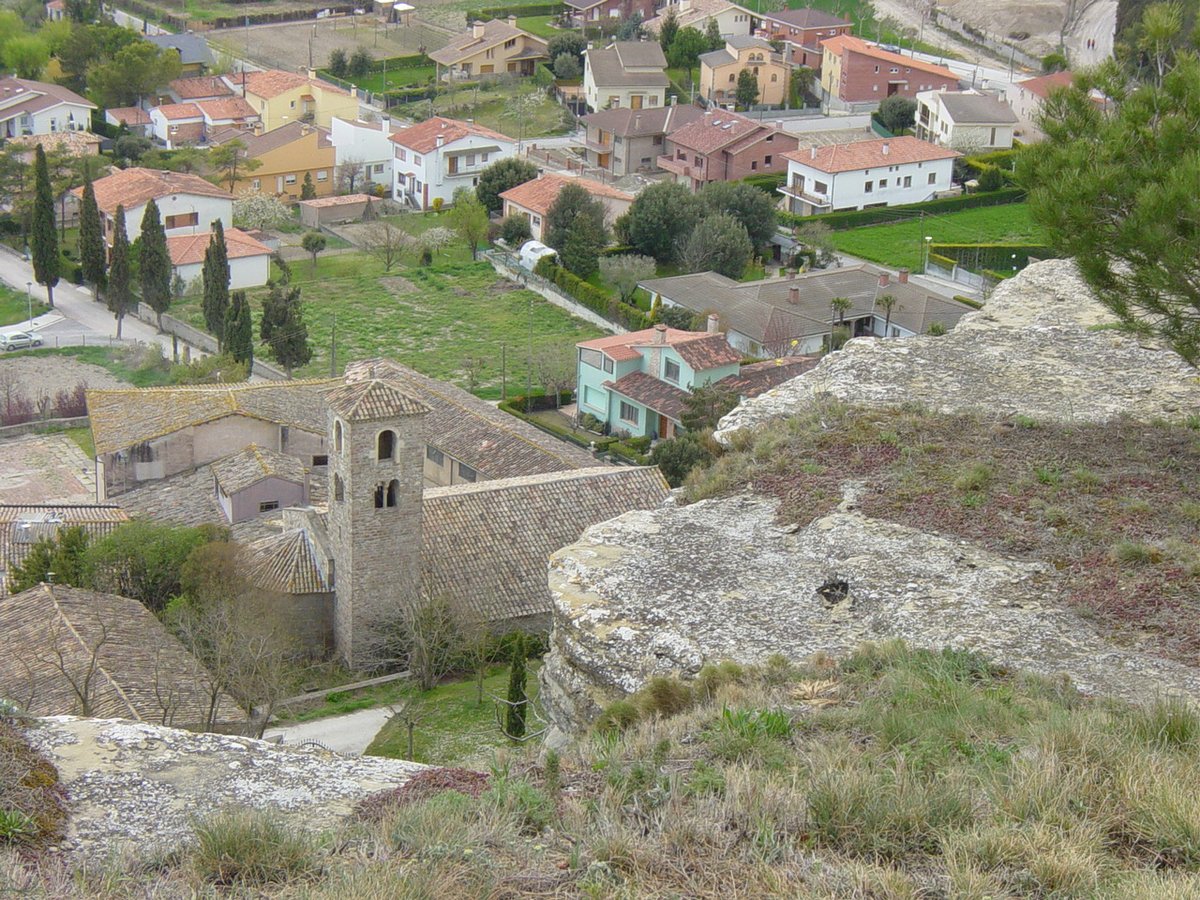
The peninsula of l'Esquerda sits thirty or forty metres above the Ter river, a position that offered excellent strategic characteristics for defense and control of the territory. Its location halfway between the plains of Vic and the more mountainous Guilleries mountains provided access to diverse natural resources, explaining the long occupation of the settlement from the final bronze until the late medieval period.
During the 5th and 4th centuries BC, a massive Iberian oppidum was built here. This was the city of Ausa, the capital of the Ausetans, who fought against the Romans. A powerful wall sealed the only possible access to the peninsula. A longitudinal street, oriented from north to south and originating at the main gate of the settlement, organized the entire interior space. Archaeologists found high-quality local ceramics and imported pottery from the 5th century BC, proving that this inland stronghold was a hub for trade with the coast along the Ter river.
The site saw further occupation during the Visigothic era. The Visigots built a wall over 150 metres long, using the ruined remains of an earlier Iberian wall located further inside. They renamed the settlement Roda Ciutat. Today, many of the objects recovered during excavations are on display at the Museu Arqueològic de l'Esquerda in Roda de Ter.
Sources: Wikipedia, OpenStreetMap, Wikidata, Wikimedia Commons
Written by Nik Frost
Discuss this with the author and others
No comments yet. Be the first to start the conversation.