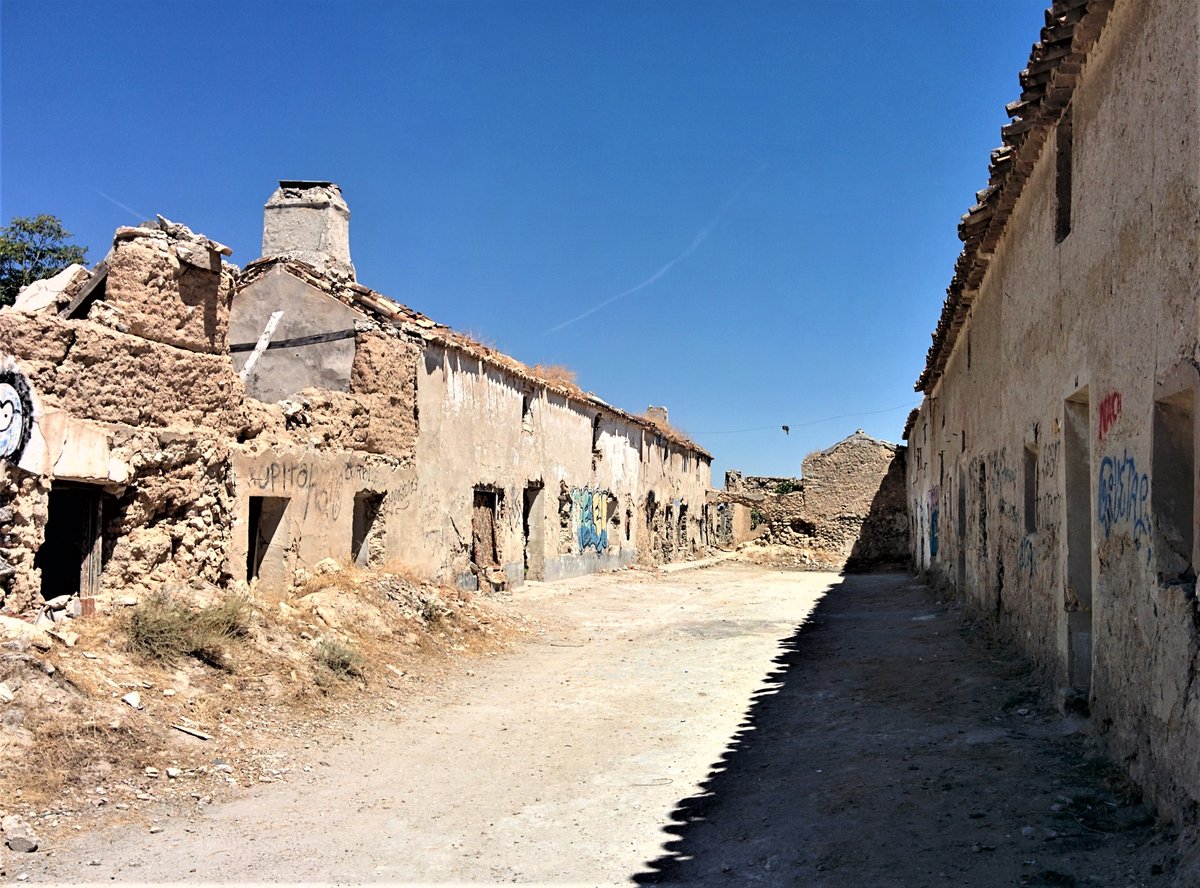

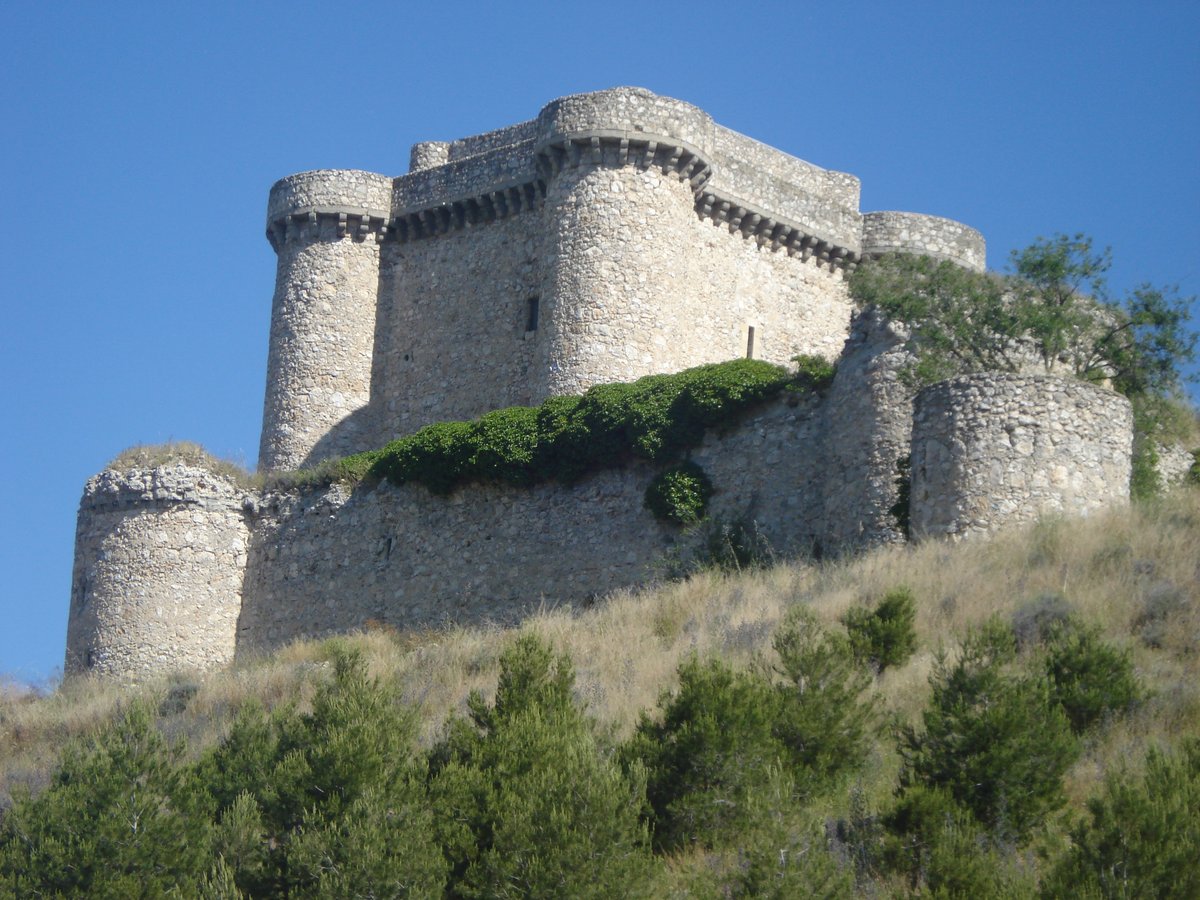
The ruins of Oreja are located in the municipality of Ontígola, situated on a cliff on the left bank of the Tajo river. The old population center serves as a historic site where a castle was likely constructed as part of the Marca Media fortification chain during the era of Abderramán III. In the early 12th century, the area became a disputed position. According to the Chronica Adefonsi imperatoris, the district including Oreja was under the command of Álvar Fáñez.
In 1113, the Almoravid general Mazdali took the castle of Oreja after defeating Álvar Fáñez. During the following years, the castle served as an advanced Almoravid position to harass the city of Toledo. Oreja was finally conquered in 1139 and granted a charter that same year. In 1182, the castle was donated to the Orden de Santiago, which established a settlement next to it. Due to the military interest of the location, the settlement was also walled.
In the following centuries, the castle was one of the main Santiago fortresses in the area and was notably one of the first to have firearms. The villages of Noblejas, Torrique, and Villafranca depended on the castle of Oreja. It also acted as the seat of an encomienda that included a second castle in Colmenar de Oreja. By the 15th century, Colmenar de Oreja and Ocaña had gained regional importance, and especially the first locality replaced Oreja as the effective seat of the encomienda. Later, the locality passed to the House of Frías.
By the mid-19th century, the village belonged to the municipality of Ontígola and had a recorded population of 42 inhabitants. It appears in the twelfth volume of the Diccionario geográfico-estadístico-histórico of Pascual Madoz.
Sources: Wikipedia, OpenStreetMap, Wikidata, Wikimedia Commons

Written by Nik Frost
Discuss this with the author and others
No comments yet. Be the first to start the conversation.