
The main altar of San Benito Abad holds a particular history of survival. The main altar presents the best work of Luis Tristán, a gifted disciple of El Greco, with canvases dated and signed in 1616, and formed by six scenes from the life of Jesus and eight half-figures of saints. These works were nearly lost when the sculptures of the saints were destroyed and the remaining canvases were torn apart during the civil war.
These fragments eventually found their way to the Museo del Prado for restoration. The paintings were returned to Yepes in 1942, though two specific works, Santa Mónica and Santa Magdalena, remained in the museum as payment for their care. The church also houses an important set of plateresque ironwork, the largest in the province, including a notable grille for the private chapel of Alonso González de Luna.
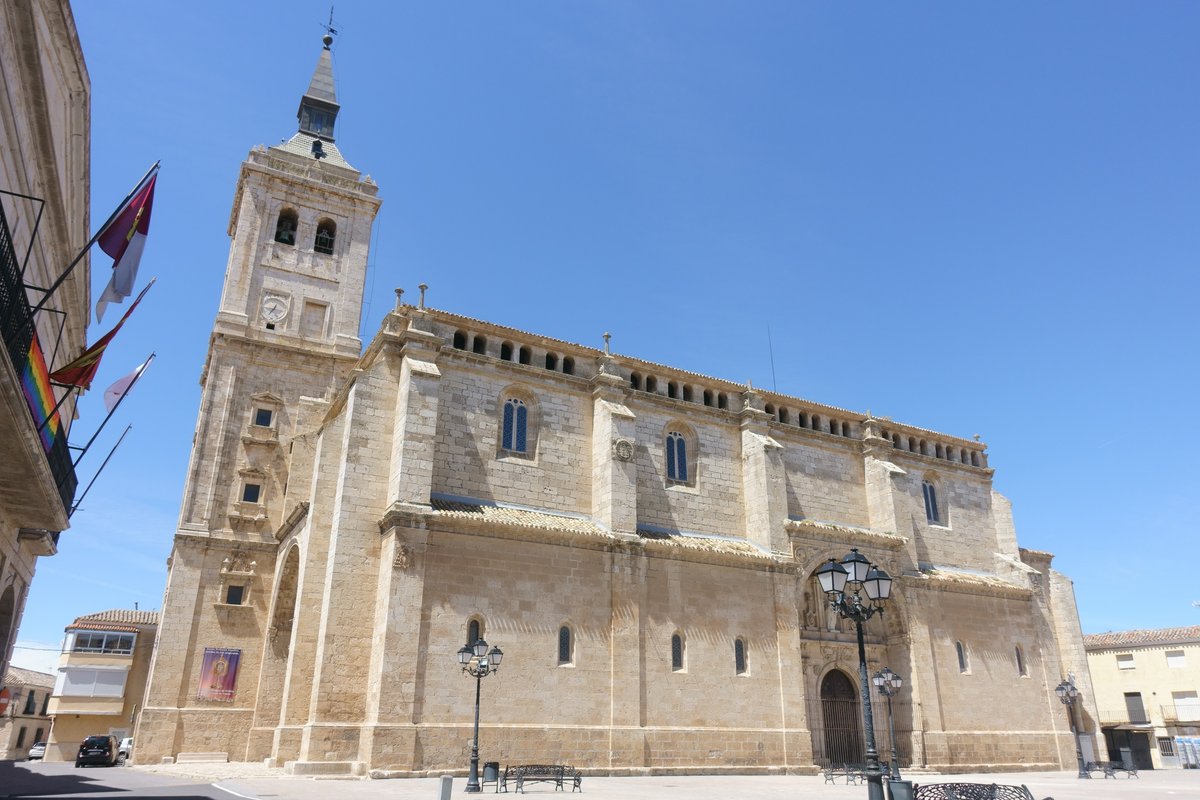
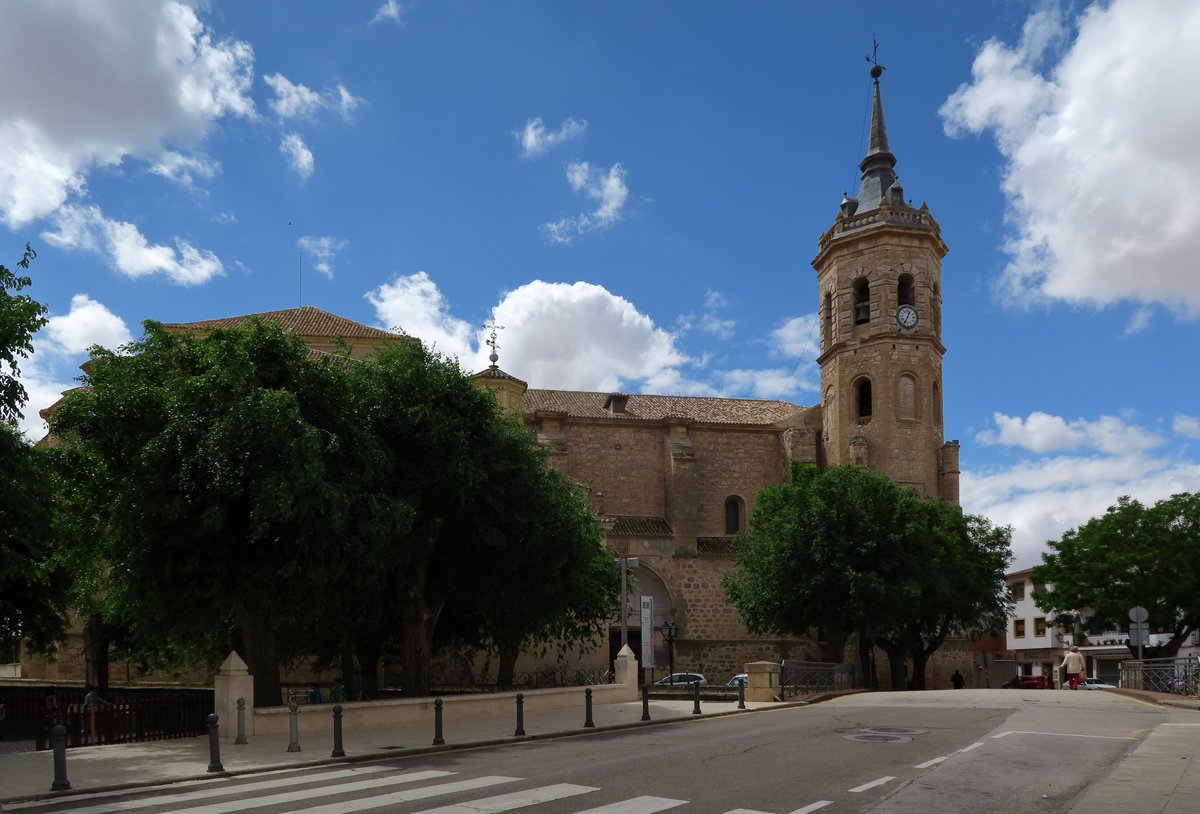
Built beginning in 1553, the church reflects the hand of Alonso Covarrubias, the master of works of the cathedral of Toledo. The structure is defined by its slender pillars and ribbed vaults, while the 70-metre tower transitions from plateresque windows at the base to a Herrerian style at the top.
Inside, the building feels airy and elevated. Visitors can see the 18th-century chapel dedicated to the Santísimo Cristo de la Vera Cruz and a small museum of silversmithing. The church is currently managed by the Junta de Comunidades de Castilla La Mancha.
Sources: Wikipedia, OpenStreetMap, Wikidata, Wikimedia Commons
Written by Nik Frost
Discuss this with the author and others
No comments yet. Be the first to start the conversation.