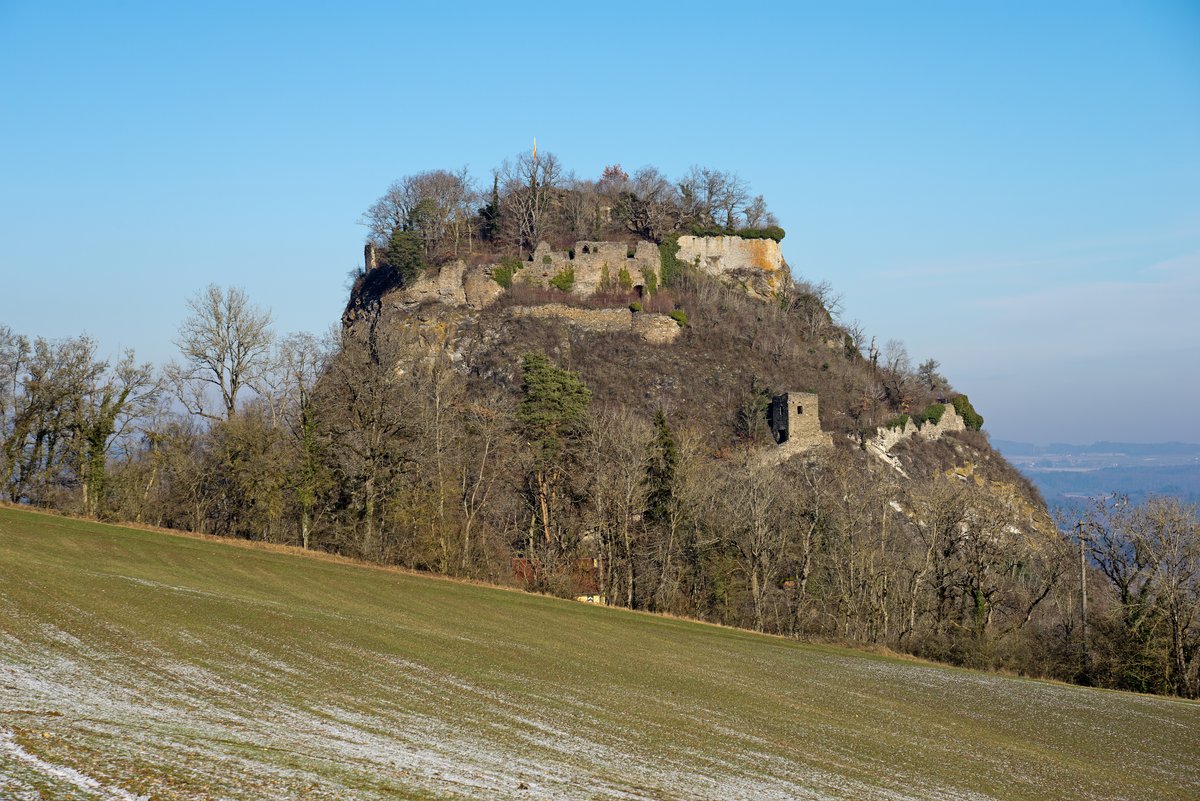
On the summit of Hohenkrähen, the air carries the weight of old stone and the quiet of a volcanic mountain. At 644 metres, the peak rises between the villages of Duchtlingen and Mühlhausen, its slopes draped in a vast forest of lime trees. This is the largest lime forest in West Germany, a dense green canopy that hides one of the nation's most significant populations of dormice.
The history of this ground is ancient and layered. Archaeological finds suggest that humans were here as far back as the Paleolithic period, leaving traces of settlement during the New Stone Age and the Bronze Age. Later, Romans and Alemanni transformed the strategic height into a place of worship. By the 2nd century AD, small traces of a Roman settlement appeared on the mountain, long before the first timber and stone of a fortress rose against the sky.
Between 1180 and 1190, the Lords of Friedingen built a high medieval hilltop castle here. They were a family who thrived on the friction of their neighbors, using the turmoil between Austria, the Swiss, and the Swabian League to expand their wealth through looting and road robbery. In 1446, Hans Wilhelm von Friedingen hired about 20 former Swiss mercenaries, launching raids into Swiss territory for six months.
In 1512, a Swabian nobleman named Stefan Hausner refused to accept a rejection of his love advances to a beautiful citizen's daughter from Kaufbeuren. He attacked the merchants of Kaufbeuren and retreated to the Friedingen family's Hohenkrähen. This led to an intervention by Emperor Maximilian, who led an army of 8,000 men to besiege the castle. He brought ten pieces of artillery from Innsbruck, including guns named Scharfmetz and Singerin. The mountain was so steep that the heavy cannonballs often rolled backward down the slopes, where they were gathered by the soldiers and fired again.
On November 9, Georg von Frundsberg fired into the Pfisterei, sending flour and feathers flying into the air. By November 12, the castle fell. The nobles fled by night, and the structure was burned to the ground. It was later purchased by Hans Jakob Fugger around 1560, who added a Palas to the eastern side, though the castle remained an Austrian fief. In 1634, during the Thirty Years' War, the fortress commander Konrad Widerholt set fire to the ruins of both Hohenkrähen and the nearby Mägdeberg.
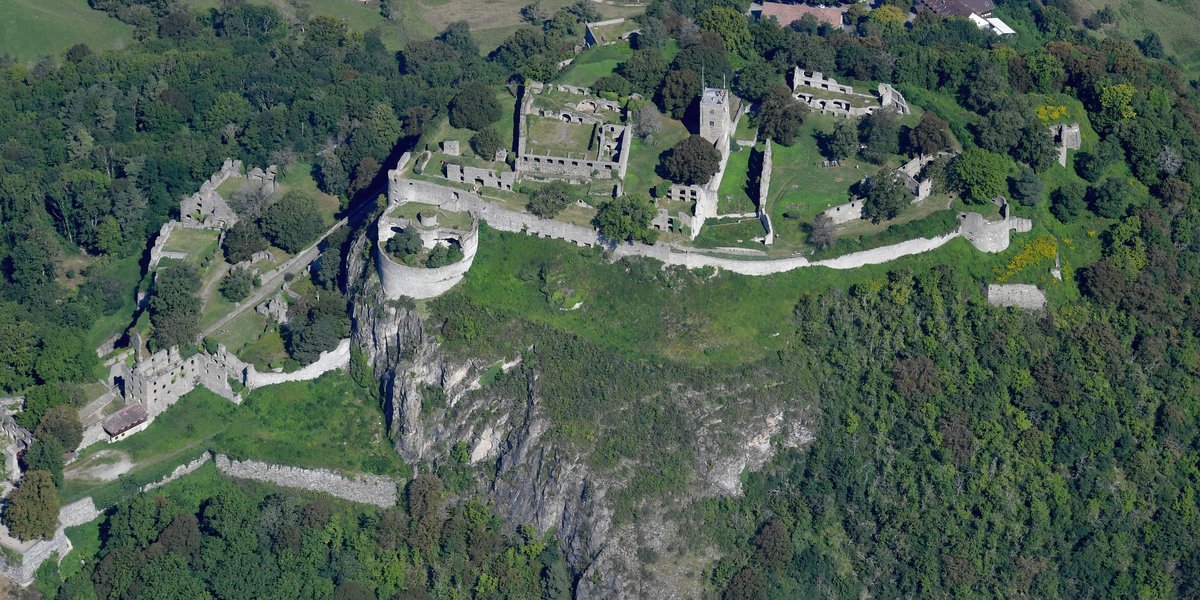
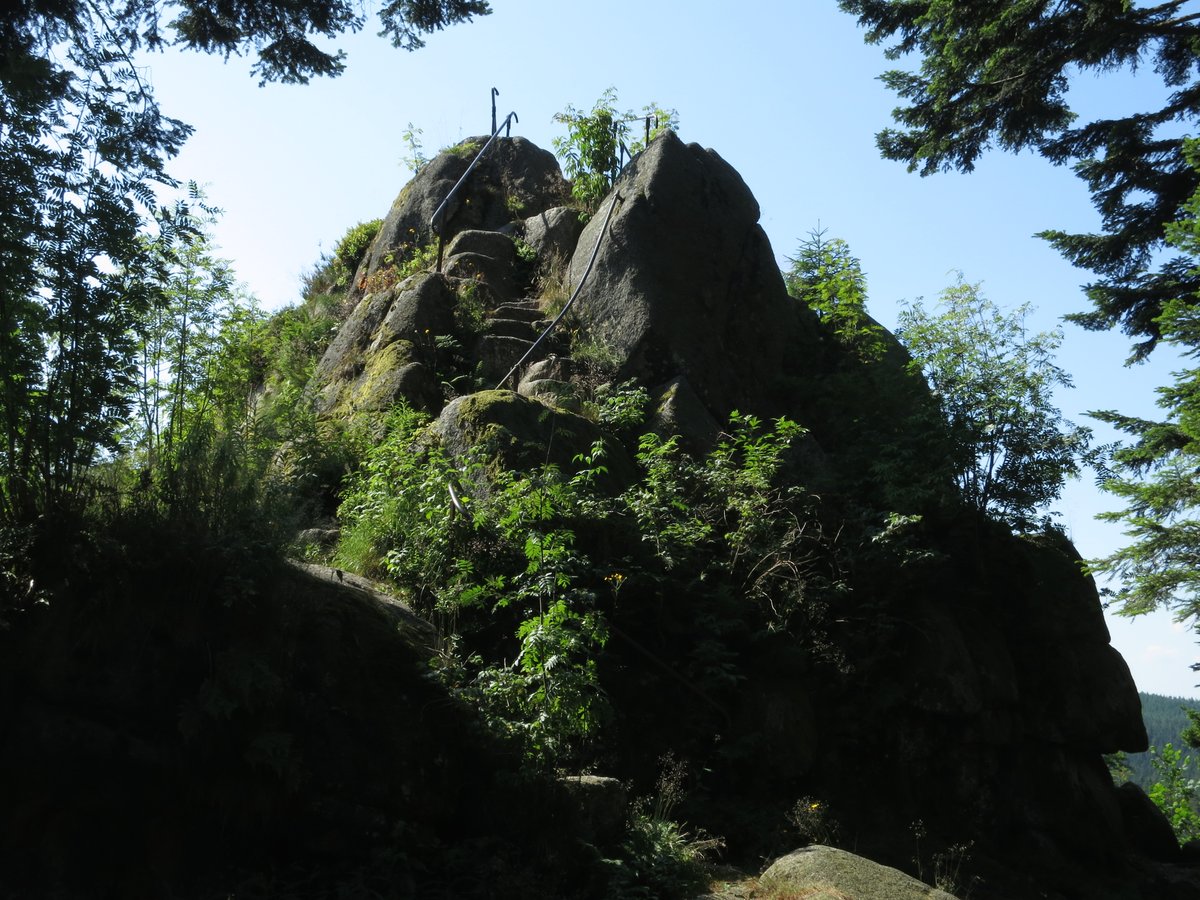
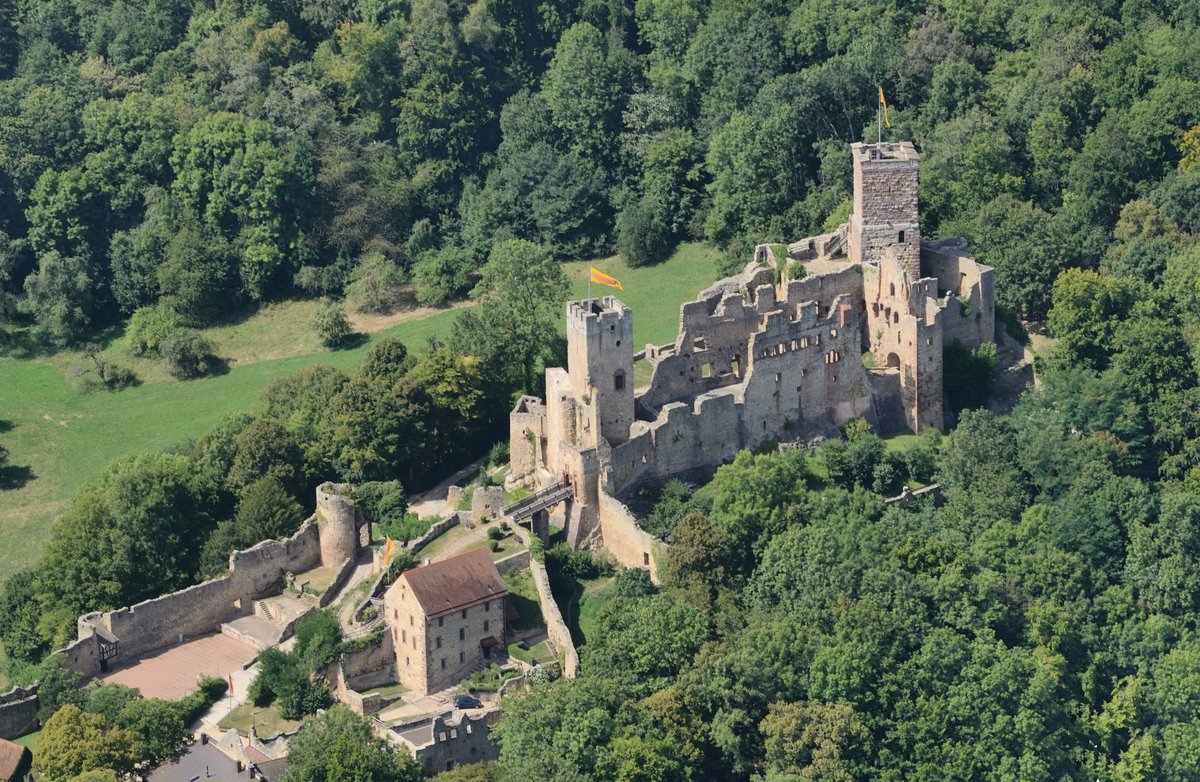
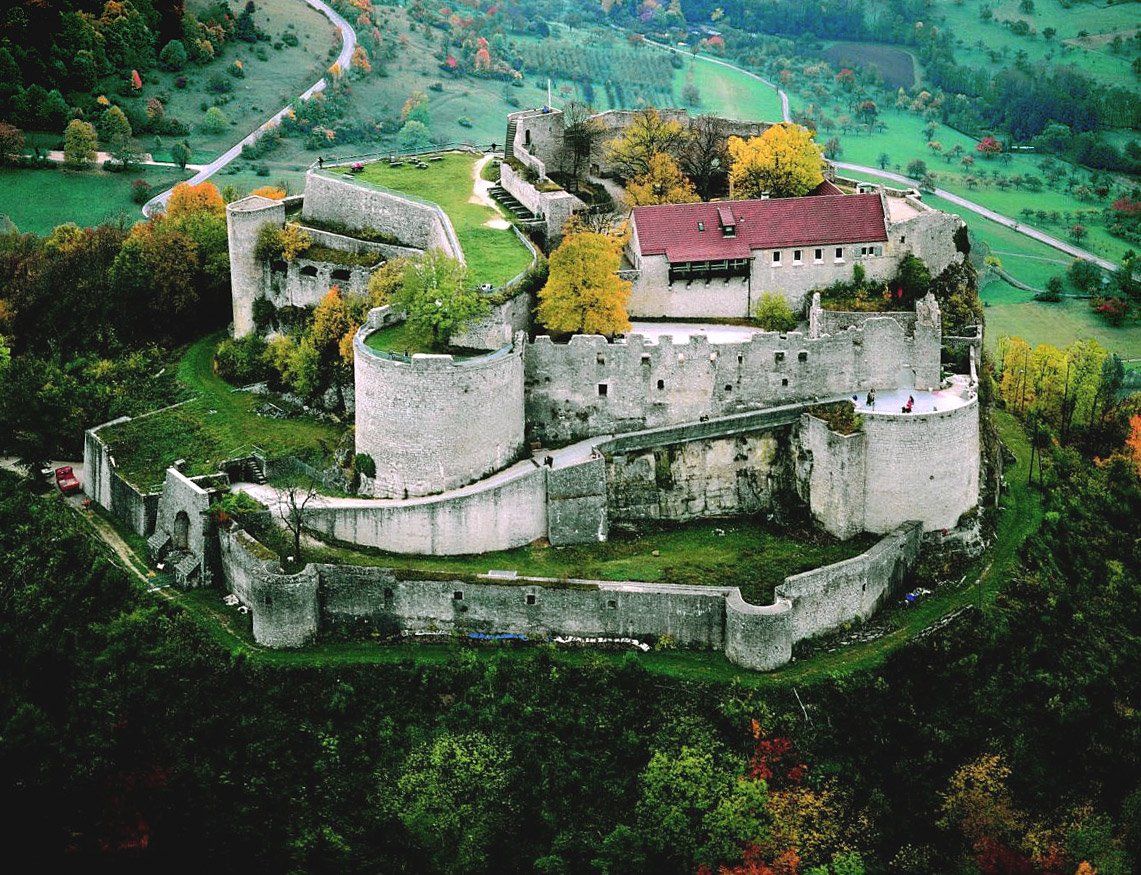
Today, the castle is a ruin of weathered masonry and overgrown shrubs. You can reach the summit via a narrow path that was repaired in 2010 after a heavy rain caused a rockfall. From the jagged remains of the Friedingen home, the view stretches across the western Lake Constance region, toward the fortress of Hohentwiel and the spires of Mägdeberg. It remains a place of high vantage and long memories.
Sources: Wikipedia, OpenStreetMap, Wikidata, Wikimedia Commons


Written by Aurora
Discuss this with the author and others
No comments yet. Be the first to start the conversation.