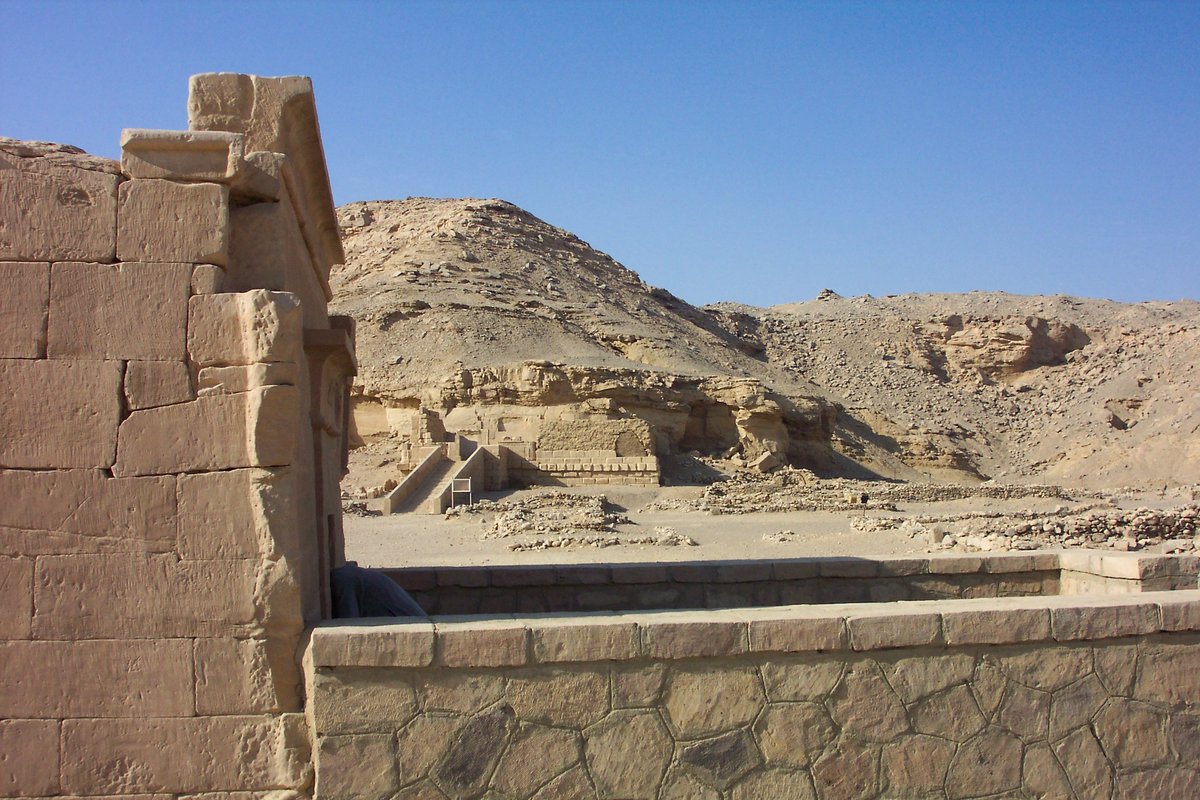

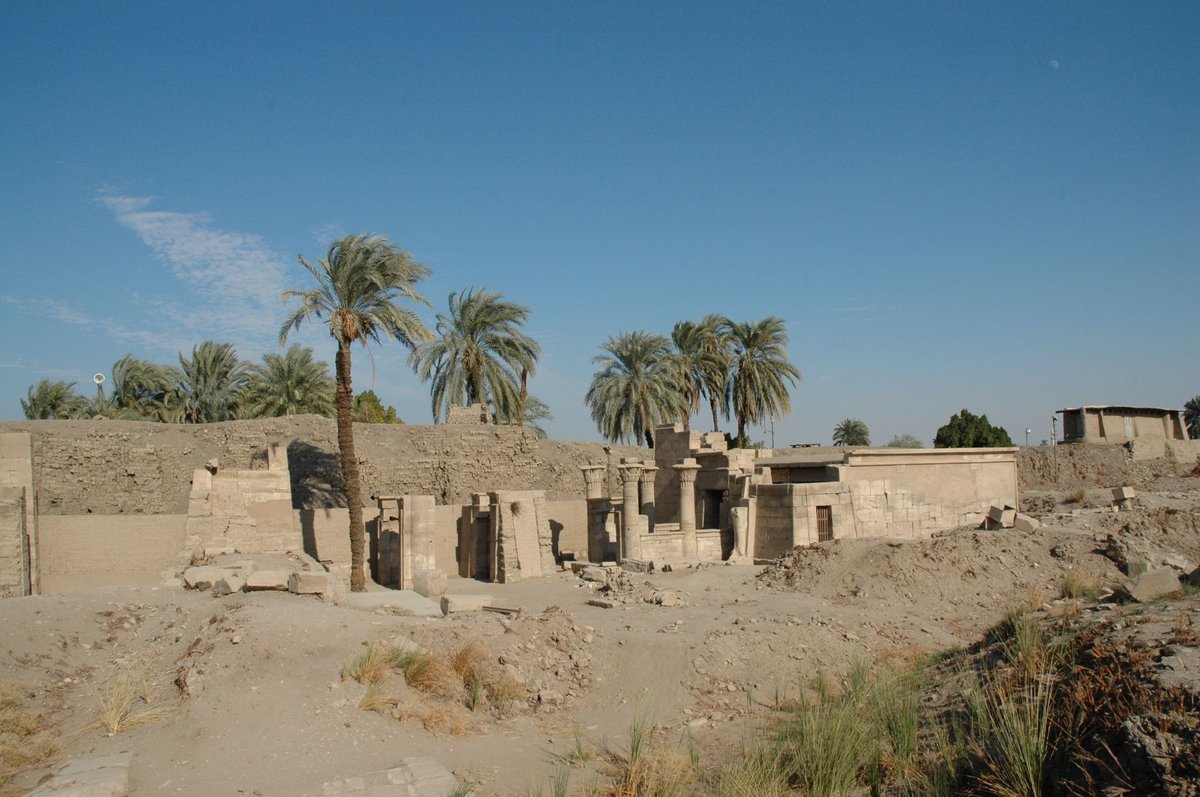
Long, long ago, nestled on the banks of the mighty Nile, there was a town named Elkab, also known as El-Kab or El Kab. This ancient Egyptian settlement was called Nekheb, a name referring to Nekhbet, the goddess depicted as a white vulture. Located about 80 kilometers south of Luxor and on the opposite bank of the river from Hierakonpolis, it was one of the first urban centres of the Early Dynastic period. The site is situated in a bay between sandstone cliffs, and this same sandstone was used to build the temples found there.
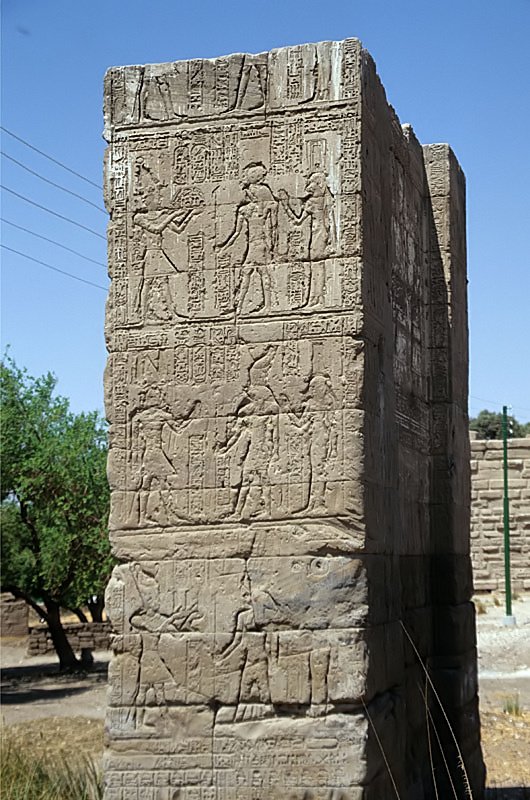
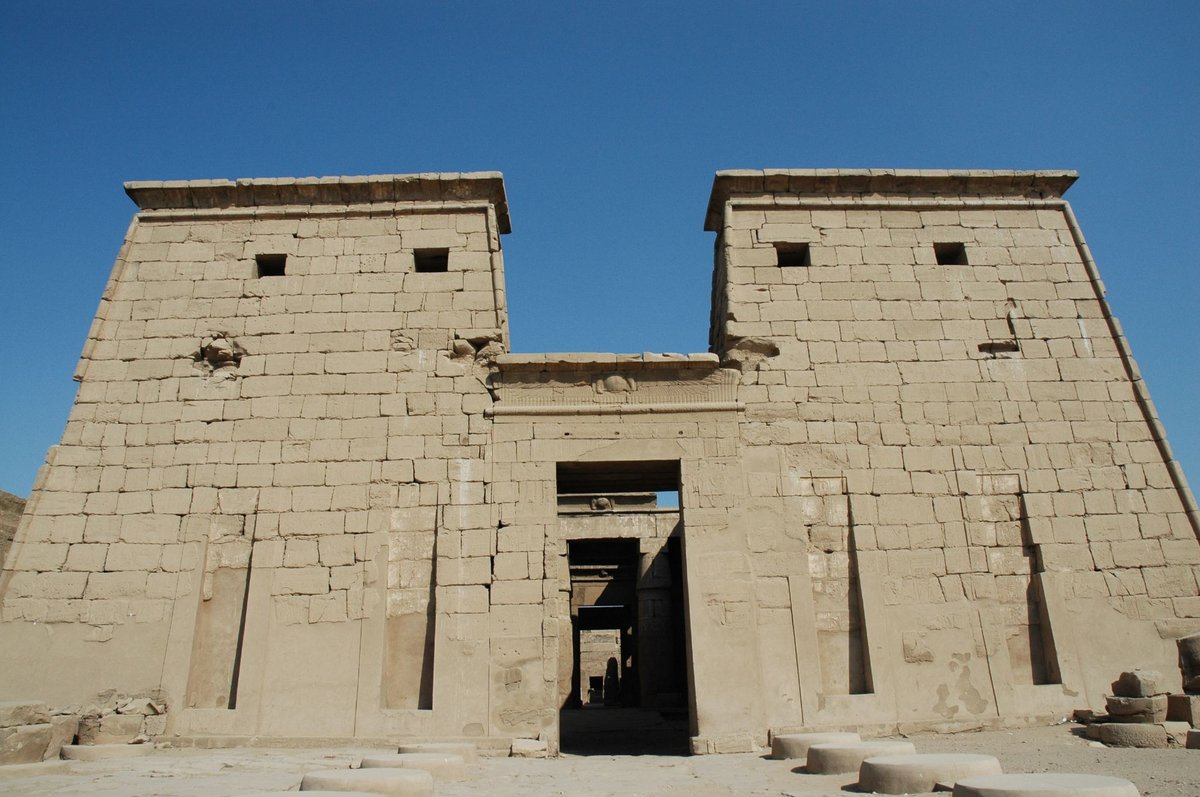
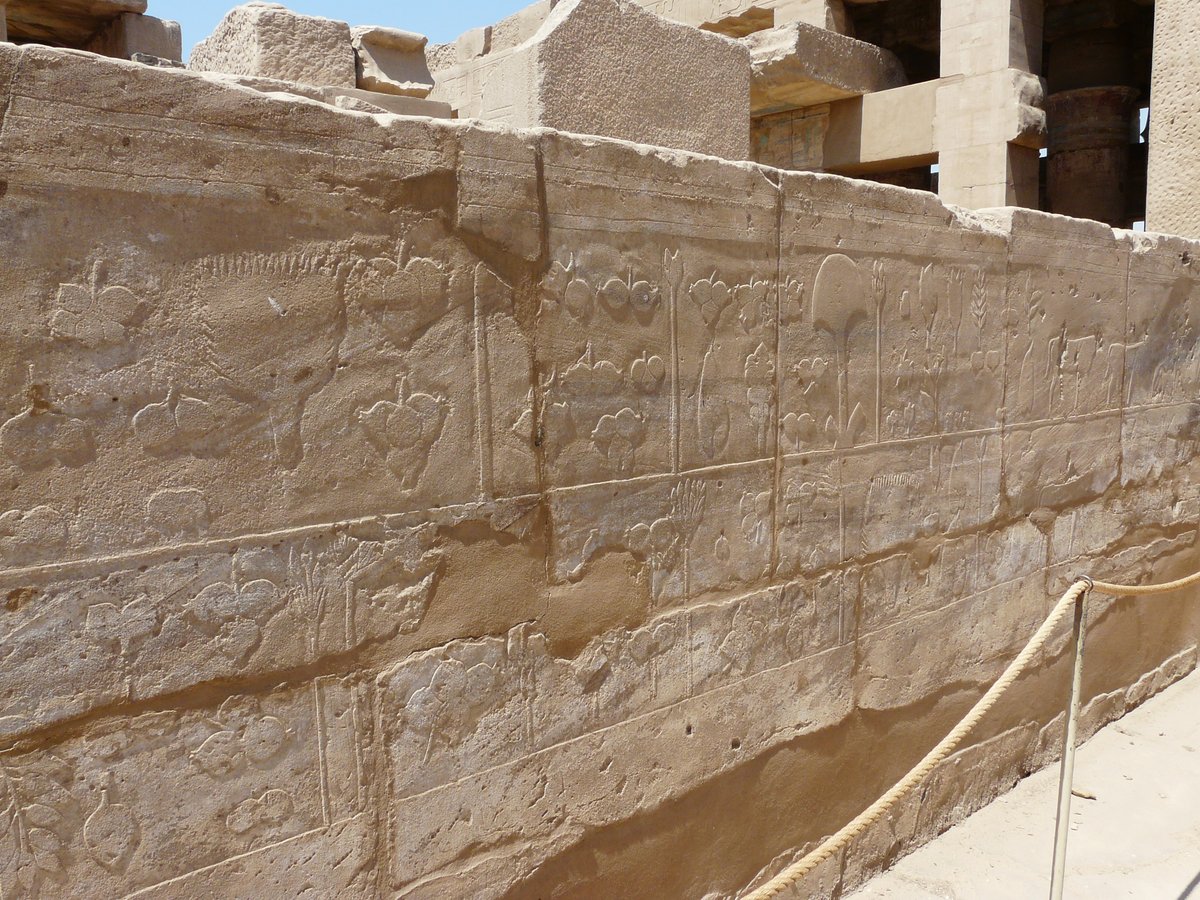
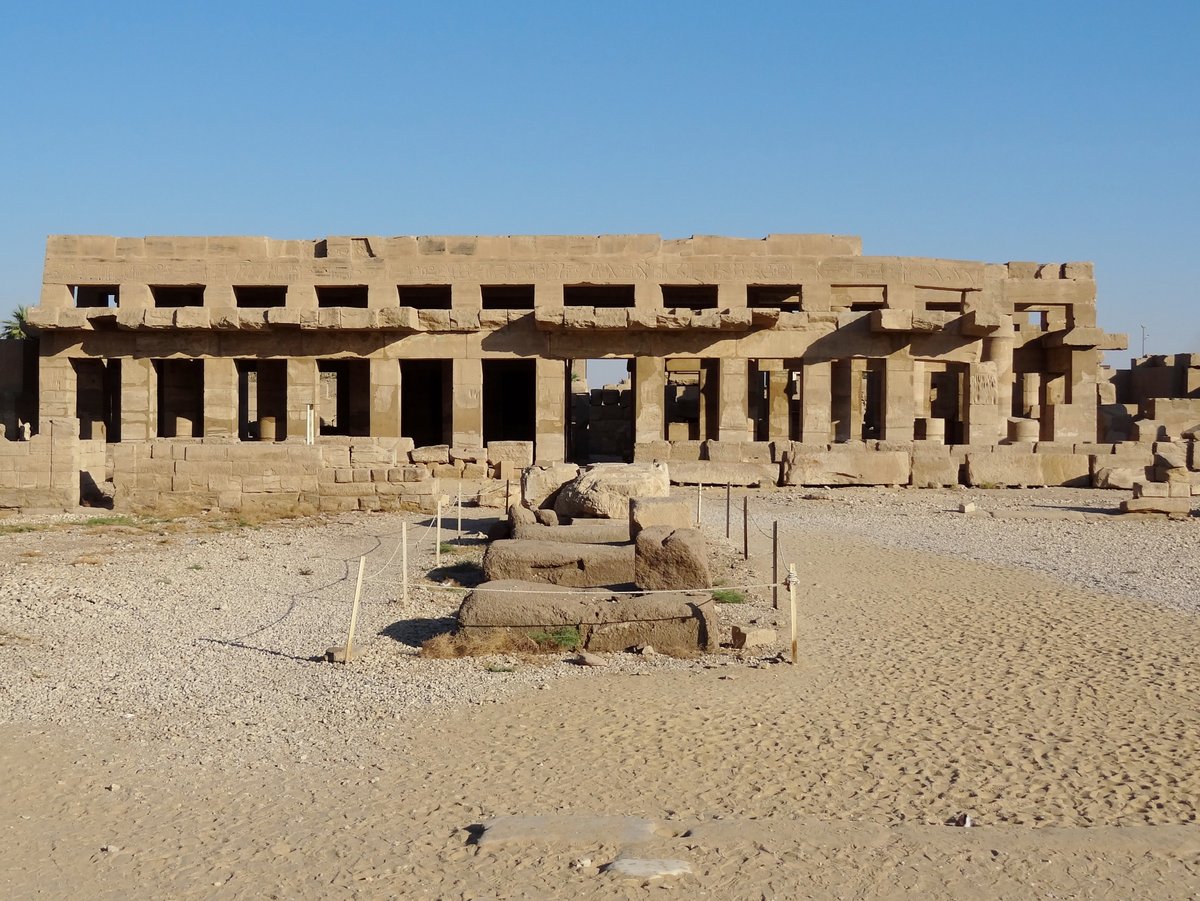
The town was surrounded by massive mudbrick walls dating to the Late Period, which are still largely preserved. During the New Kingdom, the walled settlement of Nekheb eclipsed the city of Nekhen on the opposite bank and became the capital of the third nome of Upper Egypt. Within its enclosure, sandstone temples dedicated to Nekhbet and Thoth can be found. While these date primarily to the Eighteenth to Thirtieth Dynasties, the original foundation of the temple of Nekhbet almost certainly dates back to the late fourth millennium BC.
Elkab's necropolis holds important tombs from the Eighteenth Dynasty, including the resting places of Sobeknakht II, Ahmose, son of Ebana, and Setau. In the Greco-Roman period, the town flourished and became known as Eileithyias polis (Latin: Lucinae Civitas). The city was eventually demolished in 380, possibly due to military or political events. Today, remnants of the lower parts of the walls of the houses, along with coins from the first to fourth century and Demotic Greek ostraca, can be found at the site.
Sources: Wikipedia, OpenStreetMap, Wikidata, Wikimedia Commons

Written by Mutabor
Discuss this with the author and others
No comments yet. Be the first to start the conversation.