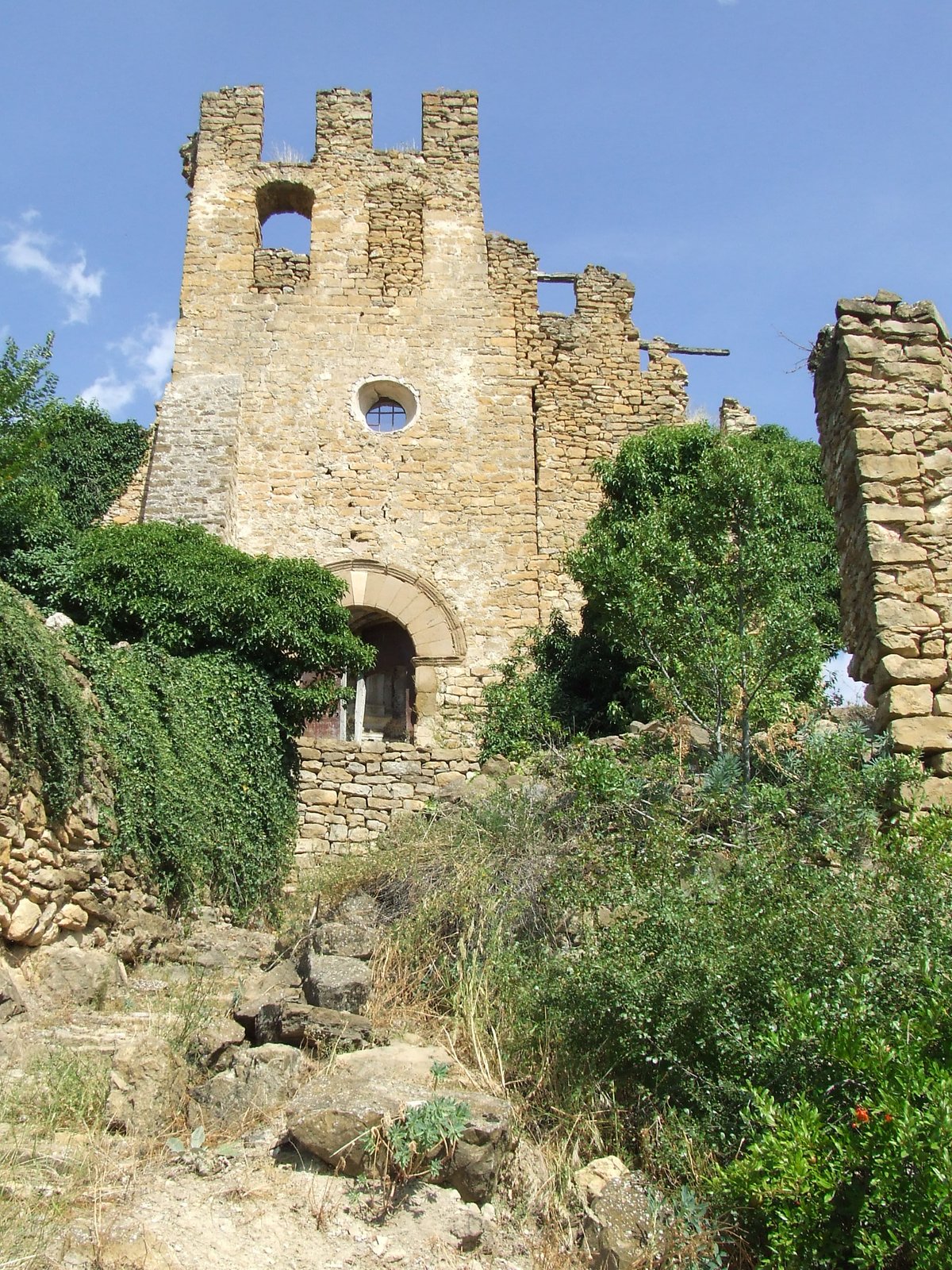

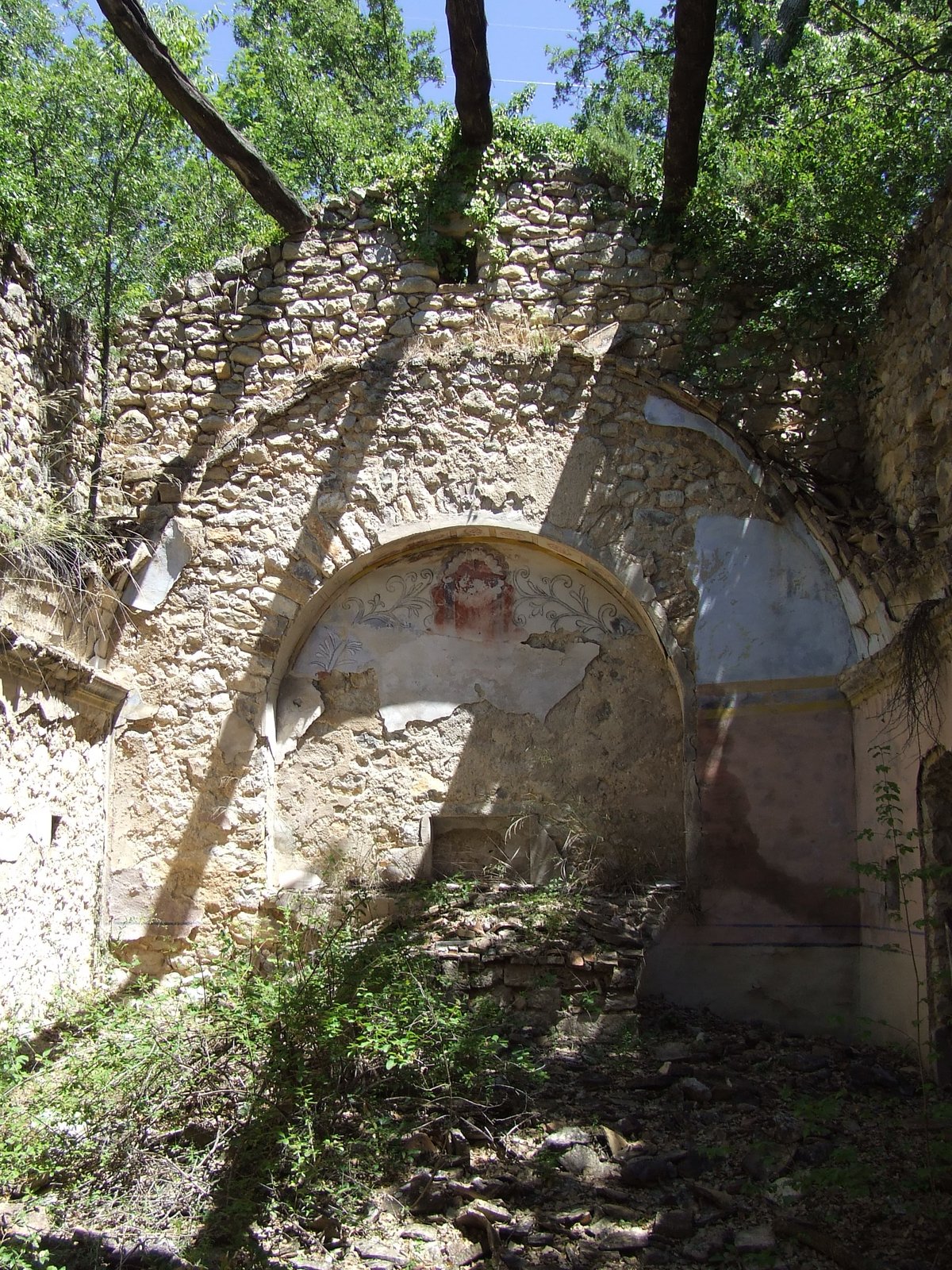
The nave of Sant Fructuós d'Aramunt possesses an unusual width. Its great height and volume speak to the importance of the parish church of the town of Aramunt. While the apse is of a later style, the main hall preserves many remains of a very early Romanesque or even pre-Romanesque style. This architecture shows the evolution of the site, where a barrel vault once covered the single nave.
Pedro Díaz de Valdés (1740-1807) was the rector of Aramunt. After his time in Aramunt, he became a canon of Urgell and, finally, the bishop of Barcelona between 1798 and his death. In gratitude to the people of Aramunt, he donated an oil mill (of which remains survive), the parish clock, and a chalice and paten that are still preserved today.
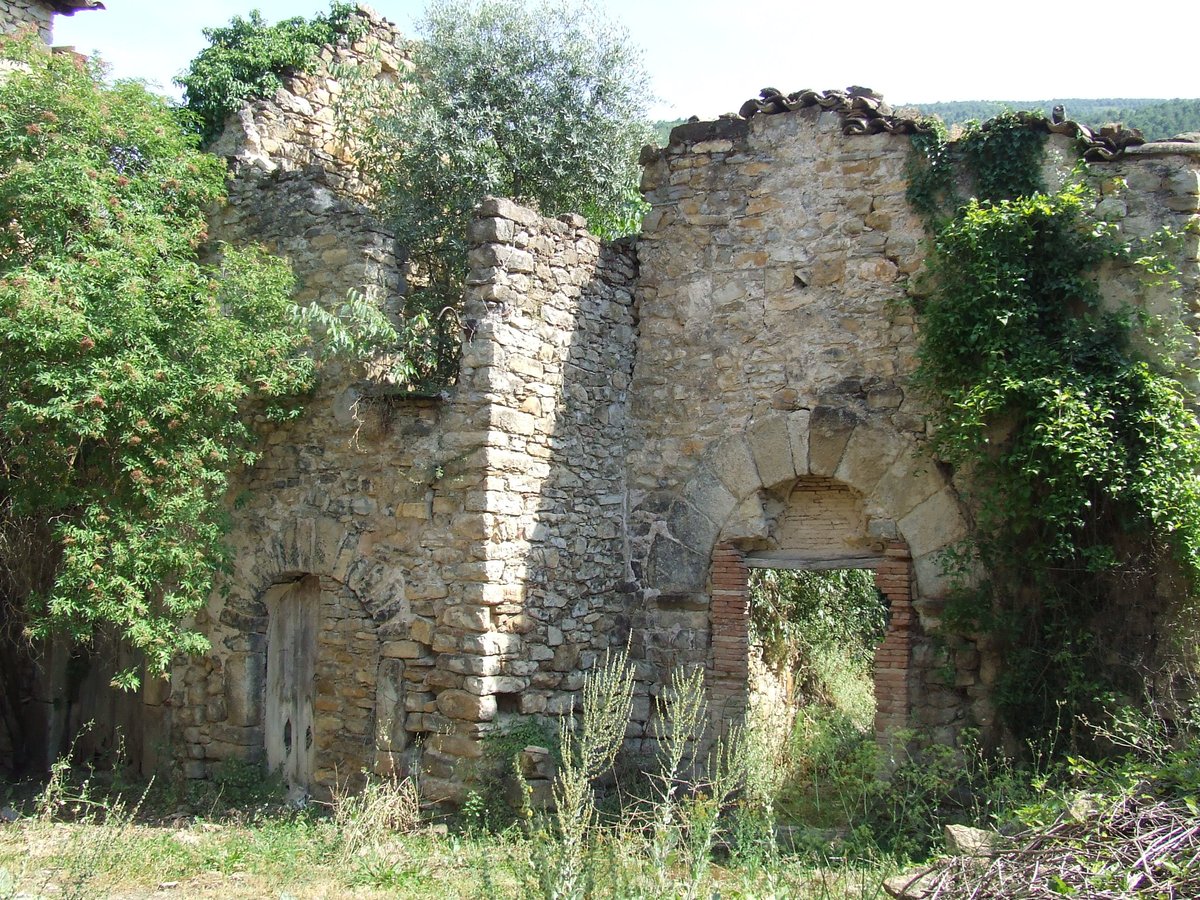
Decades of neglect have left the church in a state of ruin, yet it remains a place of history. One can still observe the traces of the old barrel vaulting and various side chapels added to both sides of the nave in later years. Historically, the rectory garden held a nine-metre-long Roman funerary inscription, which is now preserved in the Museu de l'Institut d'Estudis Ilerdencs in Lleida.
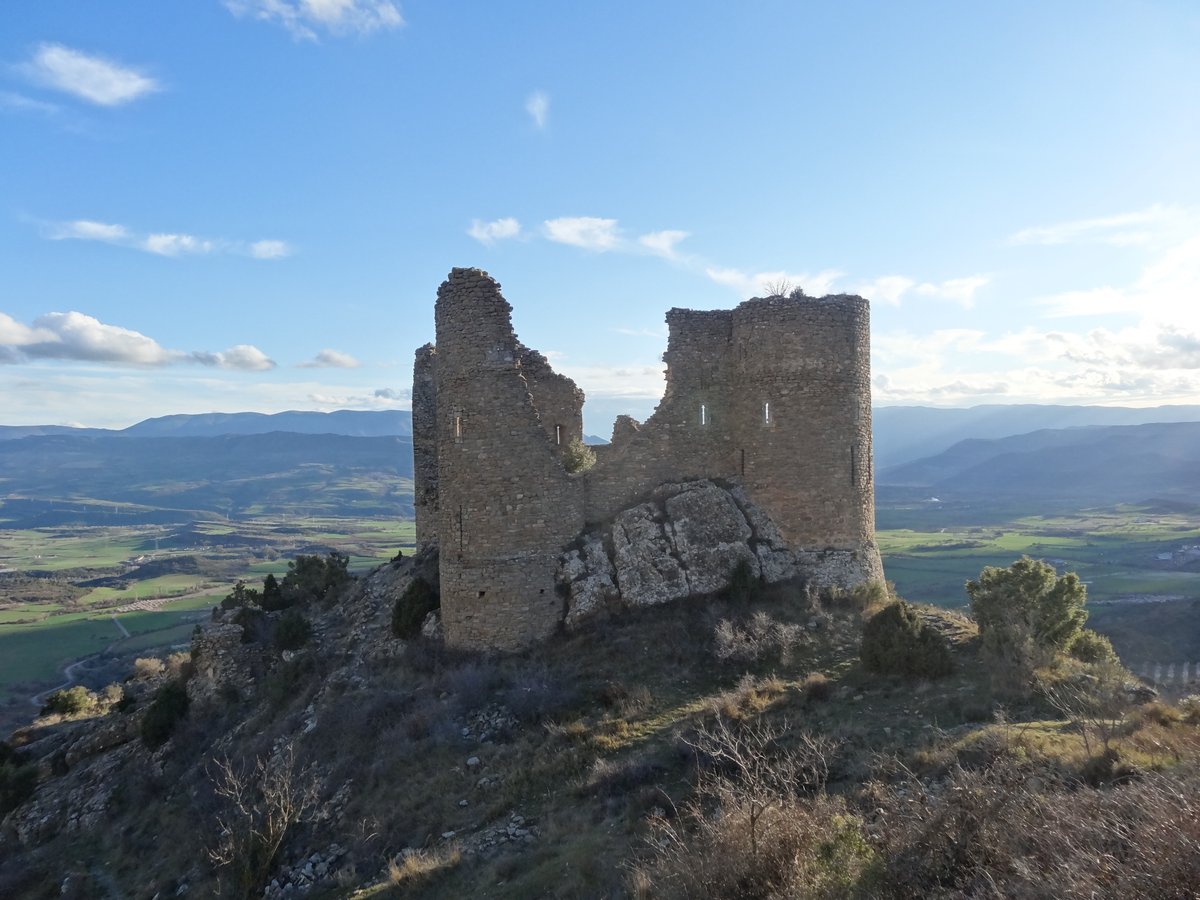
Today, the site stands as a ruin within the Conca de Dalt. It serves as a monument to the region's complex architectural layers, from its pre-Romanesque origins to the later additions made to its structure.
Sources: Wikipedia, OpenStreetMap, Wikidata, Wikimedia Commons
Written by Nik Frost
Discuss this with the author and others
No comments yet. Be the first to start the conversation.