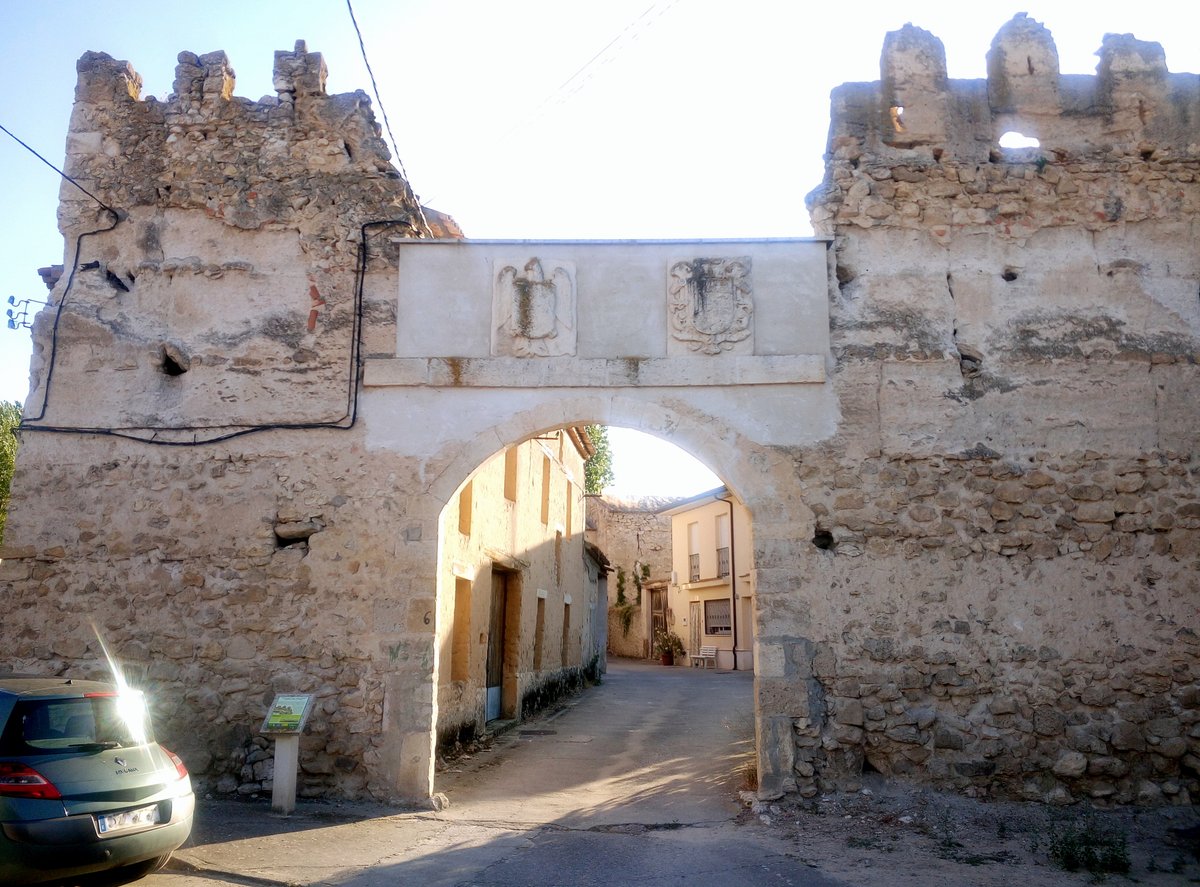

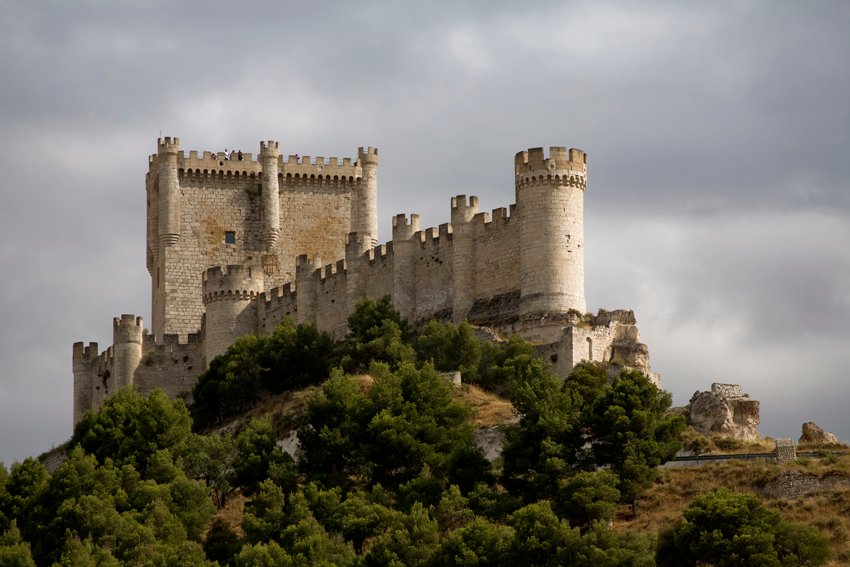
The Palacio de Laguna de Contreras, a 13th-century Cistercian palace-fortress in the municipality of Laguna de Contreras, stands as a unique example of civil architecture in the province of Segovia. The site was declared a property of cultural interest on February 28, 2022.
In 1130, Alfonso VII the Emperor granted the land of the current villa of Laguna de Contreras to the Bishop Pedro de Agén. The area, which included the church of San Pedro el Vengador with its countryside house and monastery, remained in the power of the Segovia See until the late 16th century. It then passed to the Suárez de la Concha family, and by 1623 it belonged to Luis Jerónimo de Contreras y Velázquez de Cuéllar, whose title gave the town its current name.
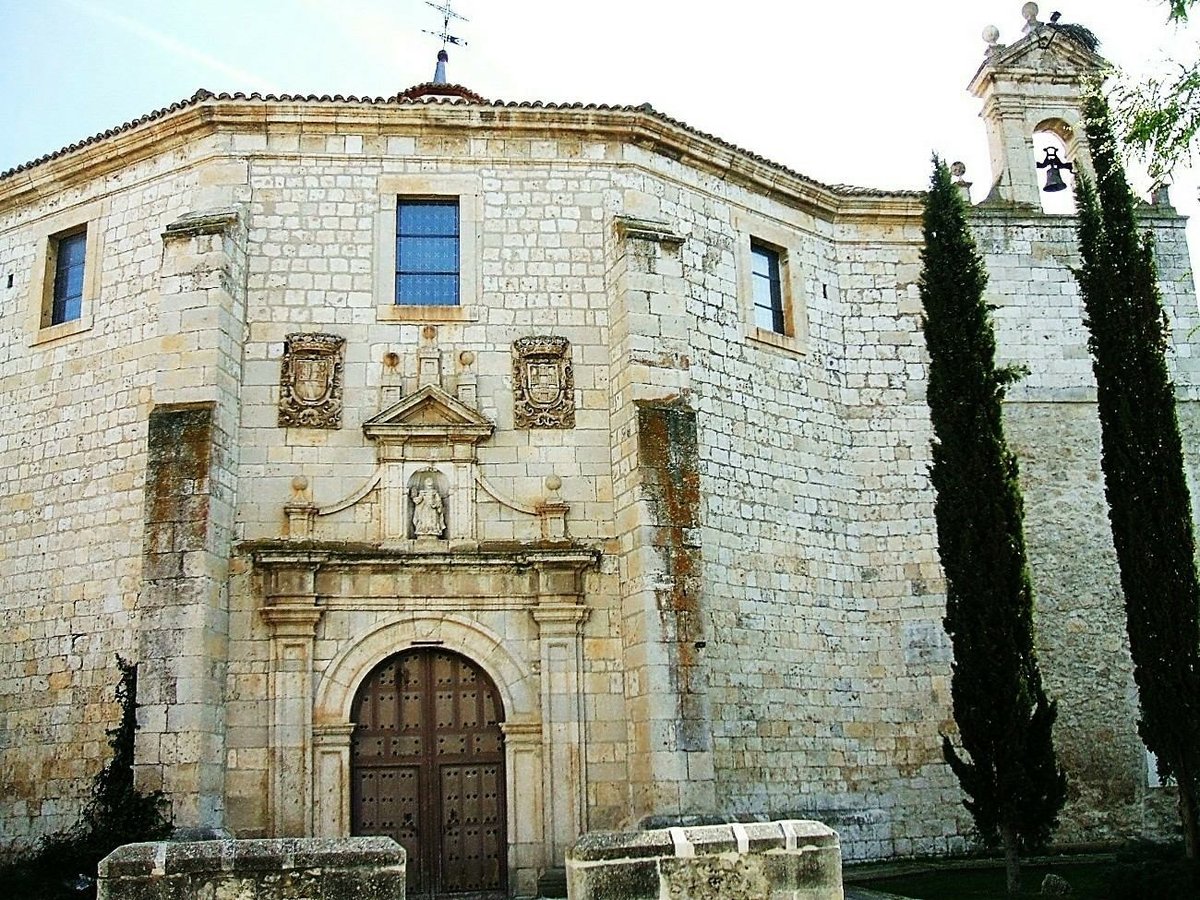
The complex consists of the remains of a fortress and chapel, originally surrounded by a rectangular enclosure of masonry and tapial. Documentation from the 16th century describes a wall with a walkway and crenellations, a turret in one corner, and a gate opening to the east. While much has been modified for residential use, the ensemble still preserves remains of the wall - made of masonry in the lower part and tapial in the upper part with crenellations. The entrance gate features a lowered arch from a 16th-century reform.
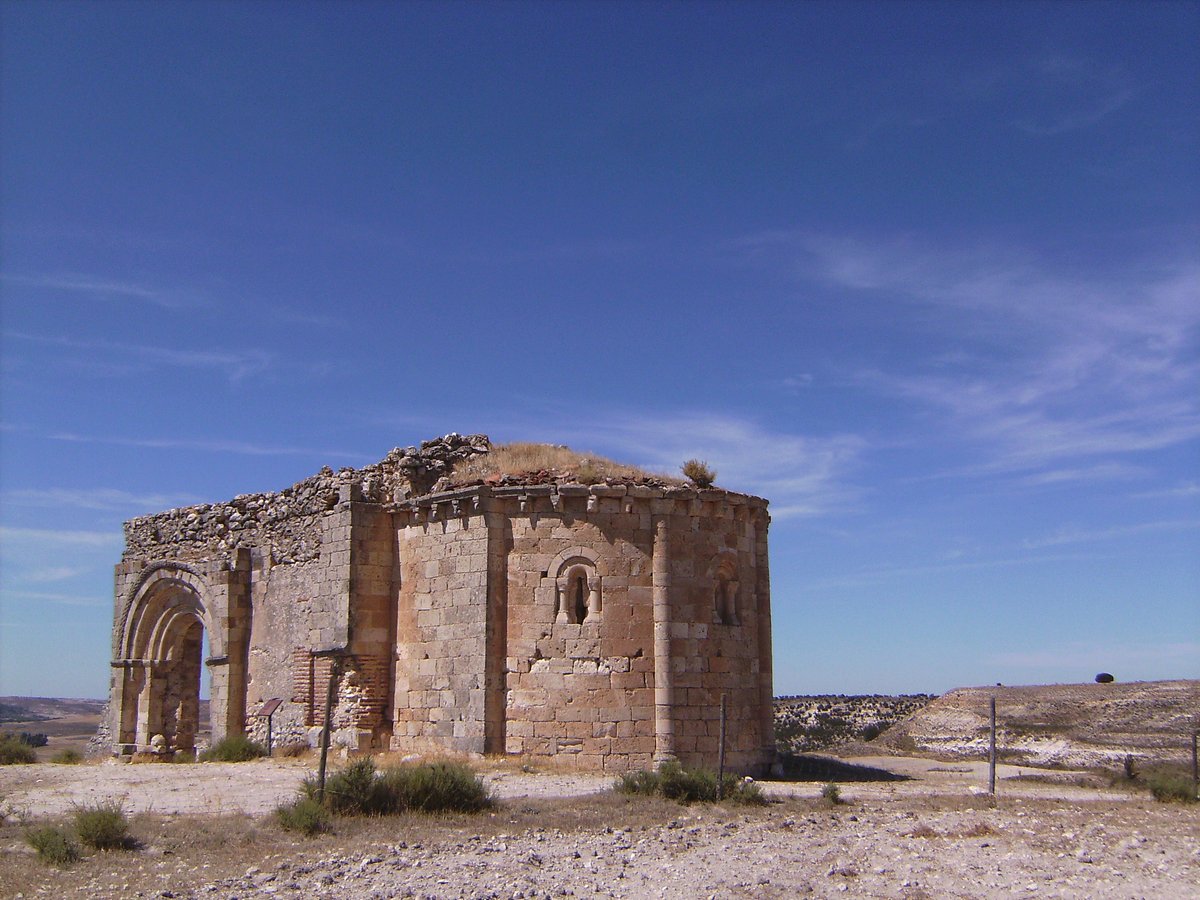
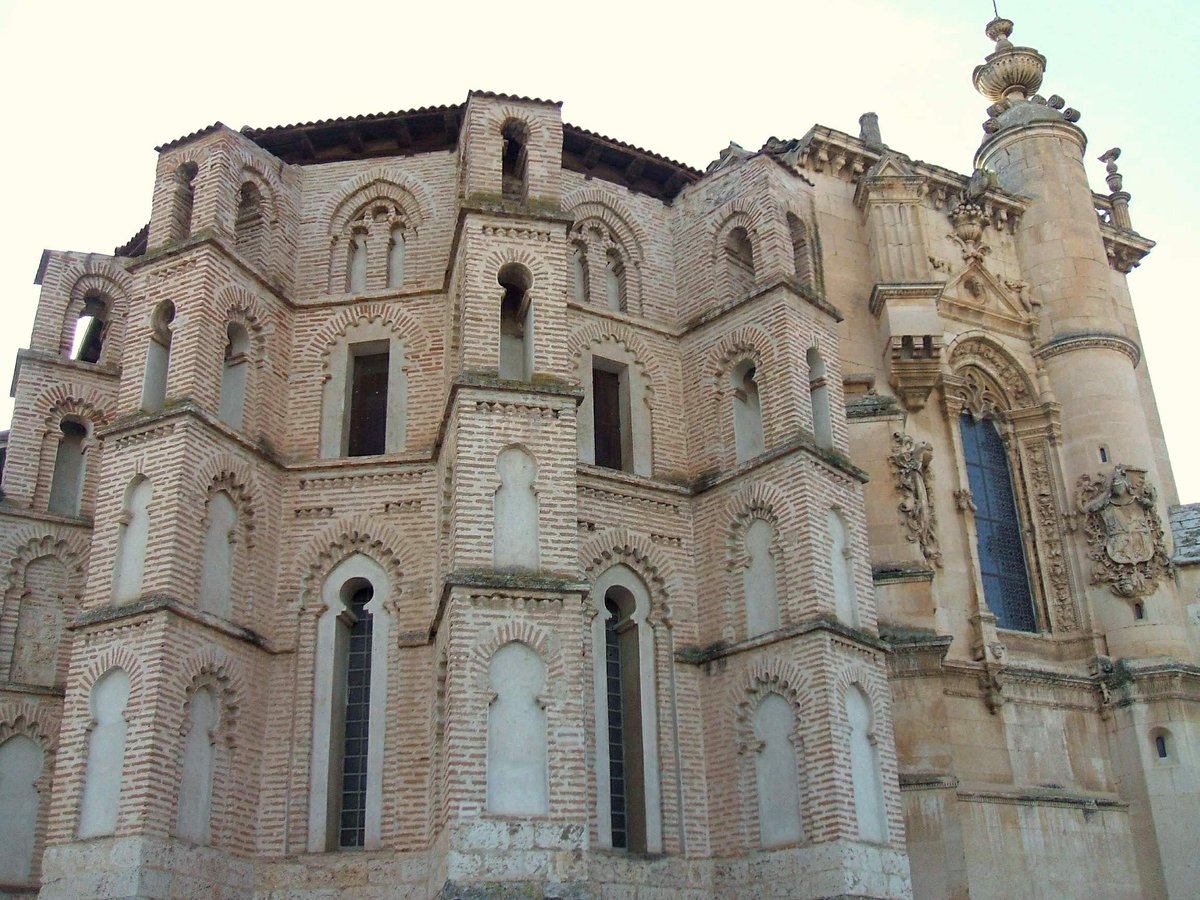
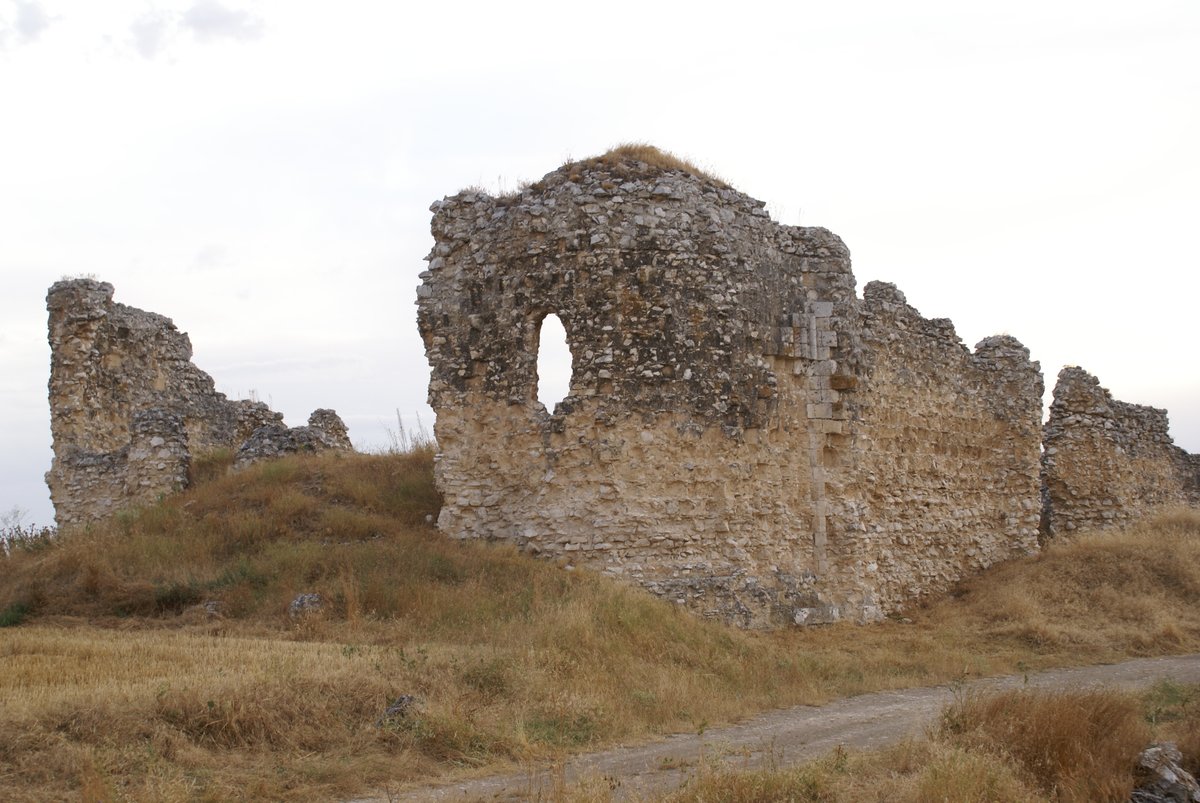
Among the unique buildings in the complex is the ancient church, now known as the Capilla de las Ánimas, of which only the apse and the start of the side walls remain. The apse is a rectangular structure with a pointed arch of ashlar. Inside, the vault of slabs and a pointed barrel vault can be dated to the 13th century. Adjacent to the wall, the Contreras house occupies part of the southern wall, featuring two floors - the lower floor of masonry and the upper floor of tapial, with large windows and old woodwork.
Sources: Wikipedia, OpenStreetMap, Wikidata, Wikimedia Commons
Written by Nik Frost
Discuss this with the author and others
No comments yet. Be the first to start the conversation.