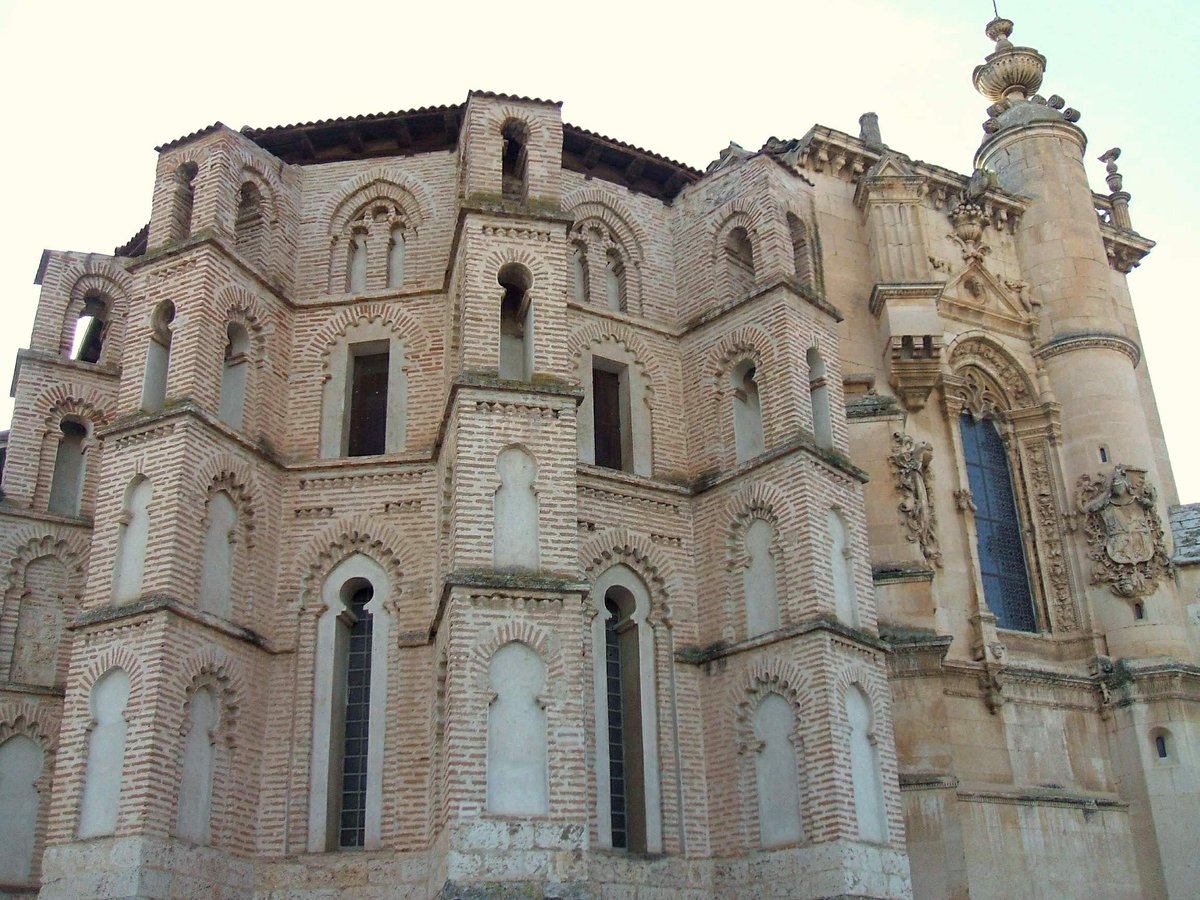

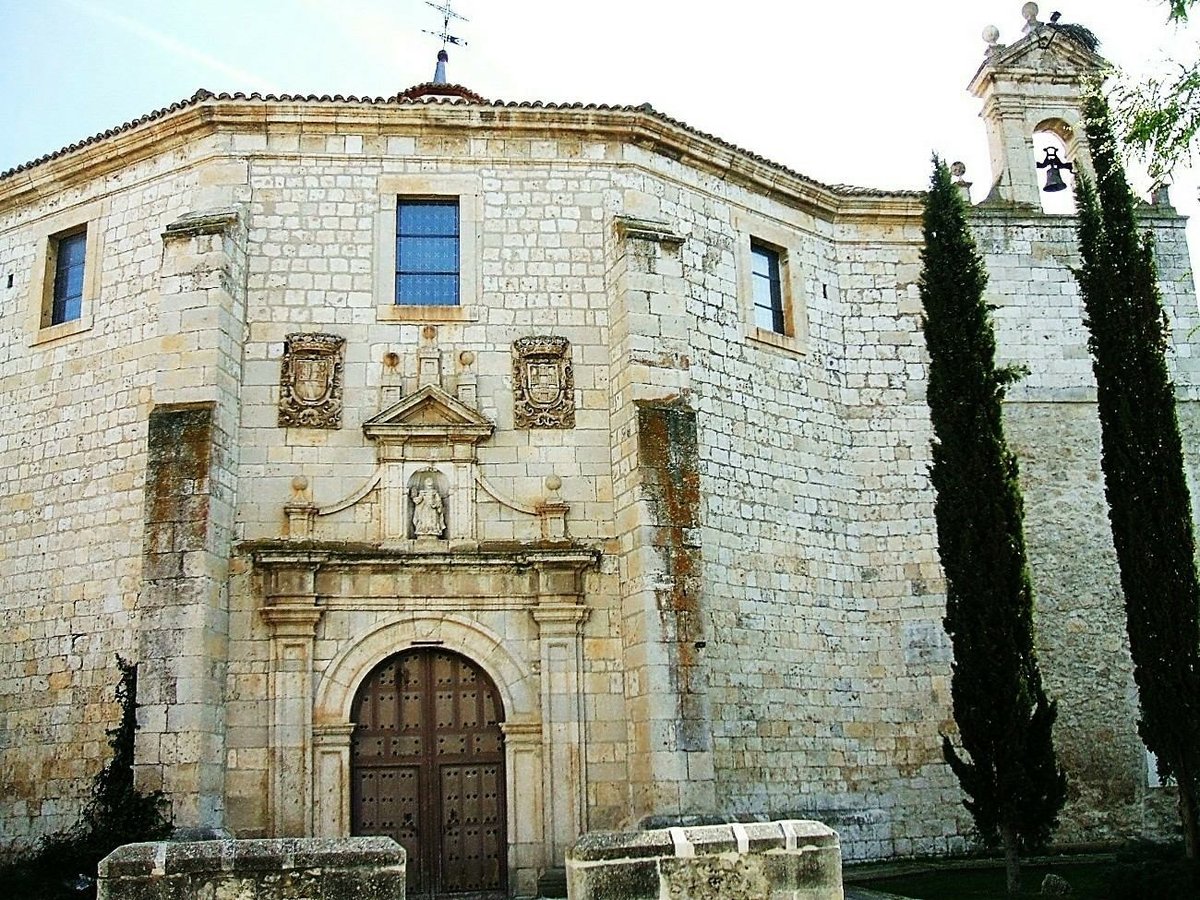
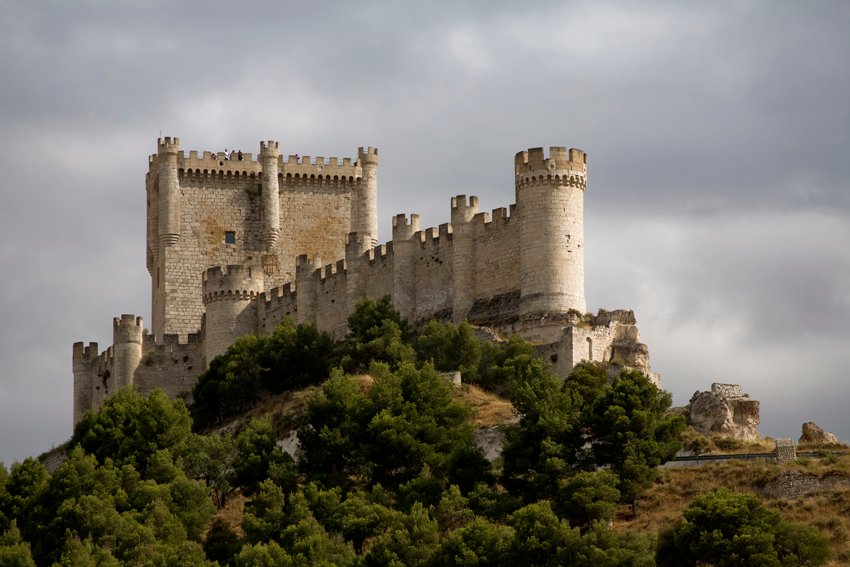
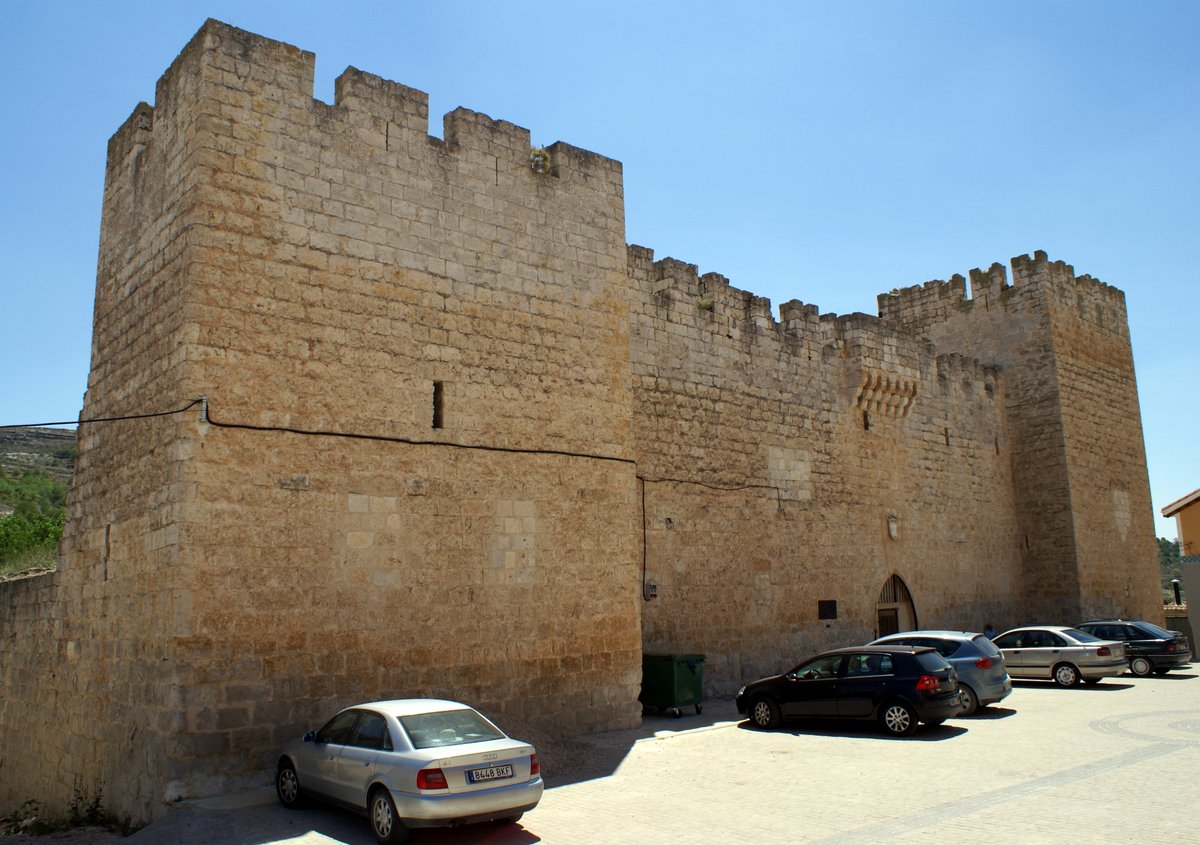
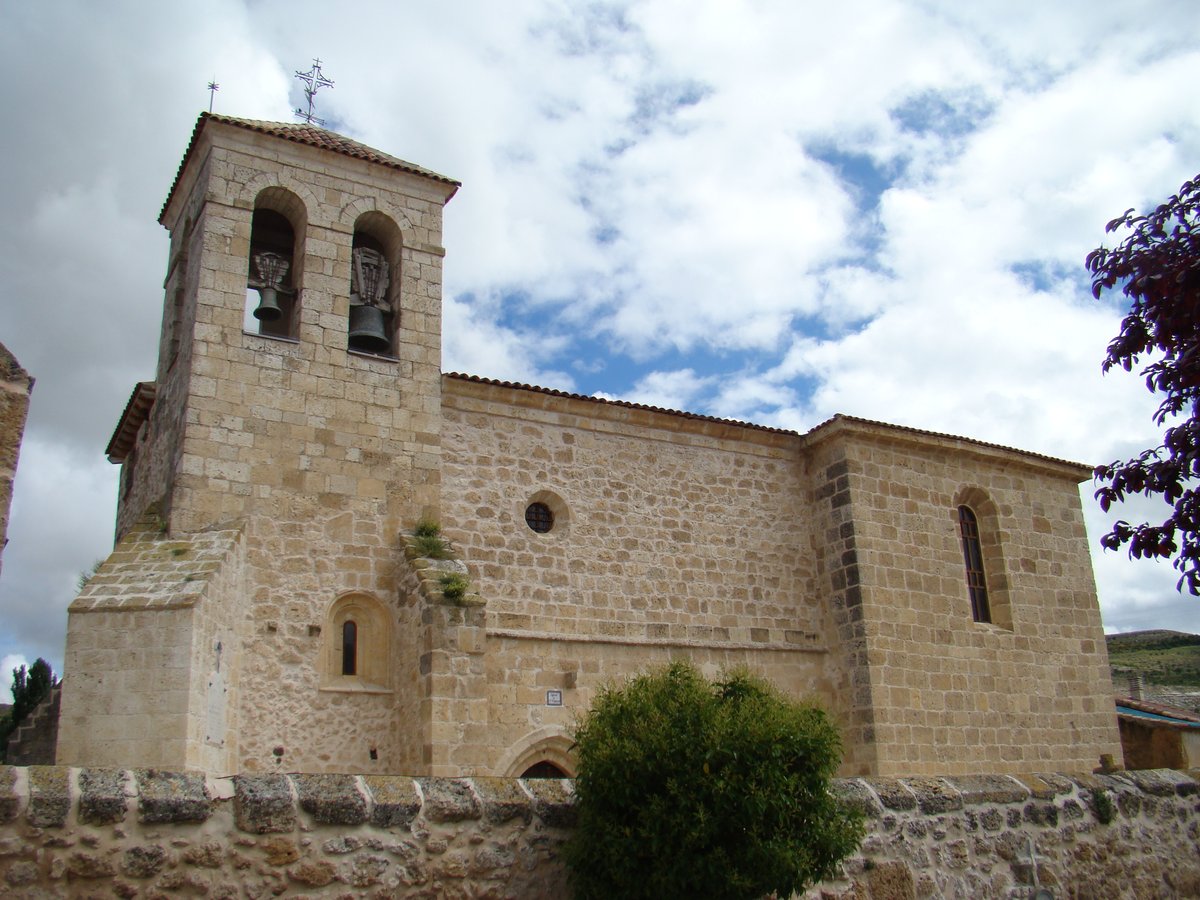
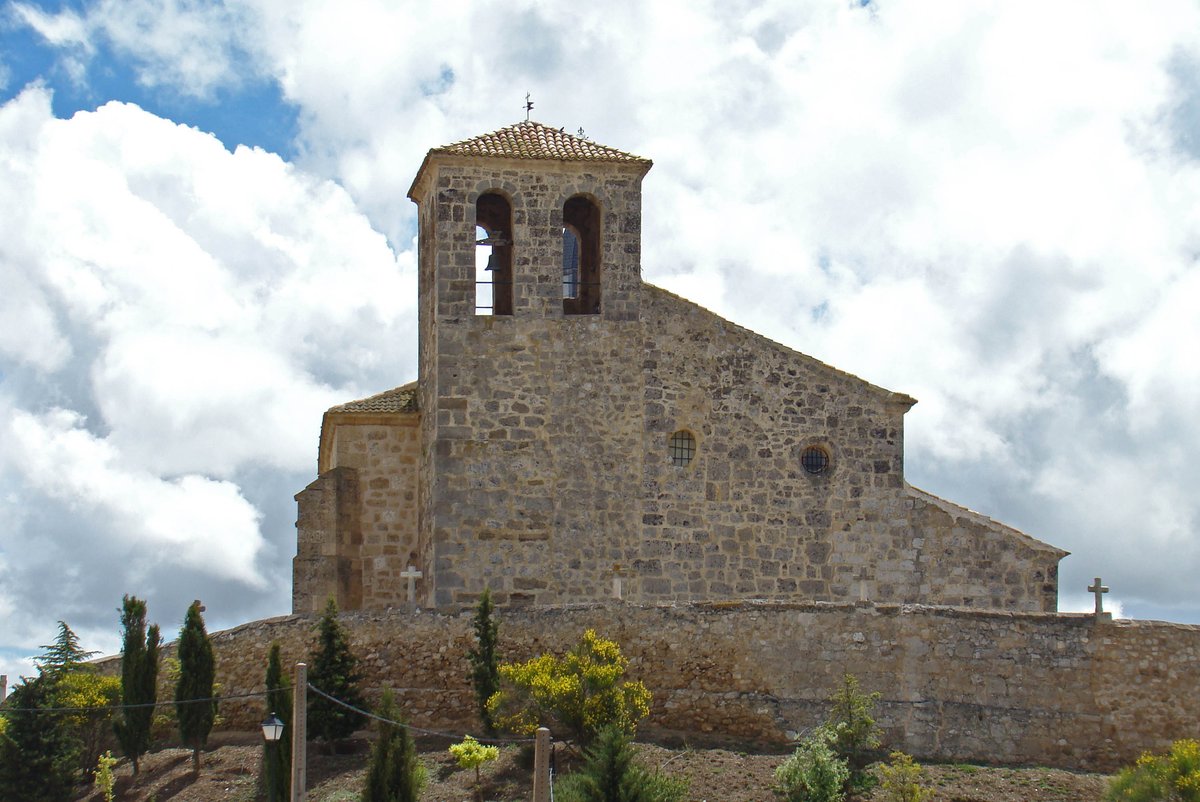
The Monastery of San Pablo in Peñafiel, Valladolid province, dates back to the 14th century. The Infante Don Juan Manuel built the current convent in 1324, where he was later buried. The site originally held the Alcázar of Alfonso X, which was built due to its privileged strategic situation. Today, the site of the old Alcázar includes the foundations of an old tower that sustains the current stone bell-tower and the courtyard which now serves as the monastery's cloister.
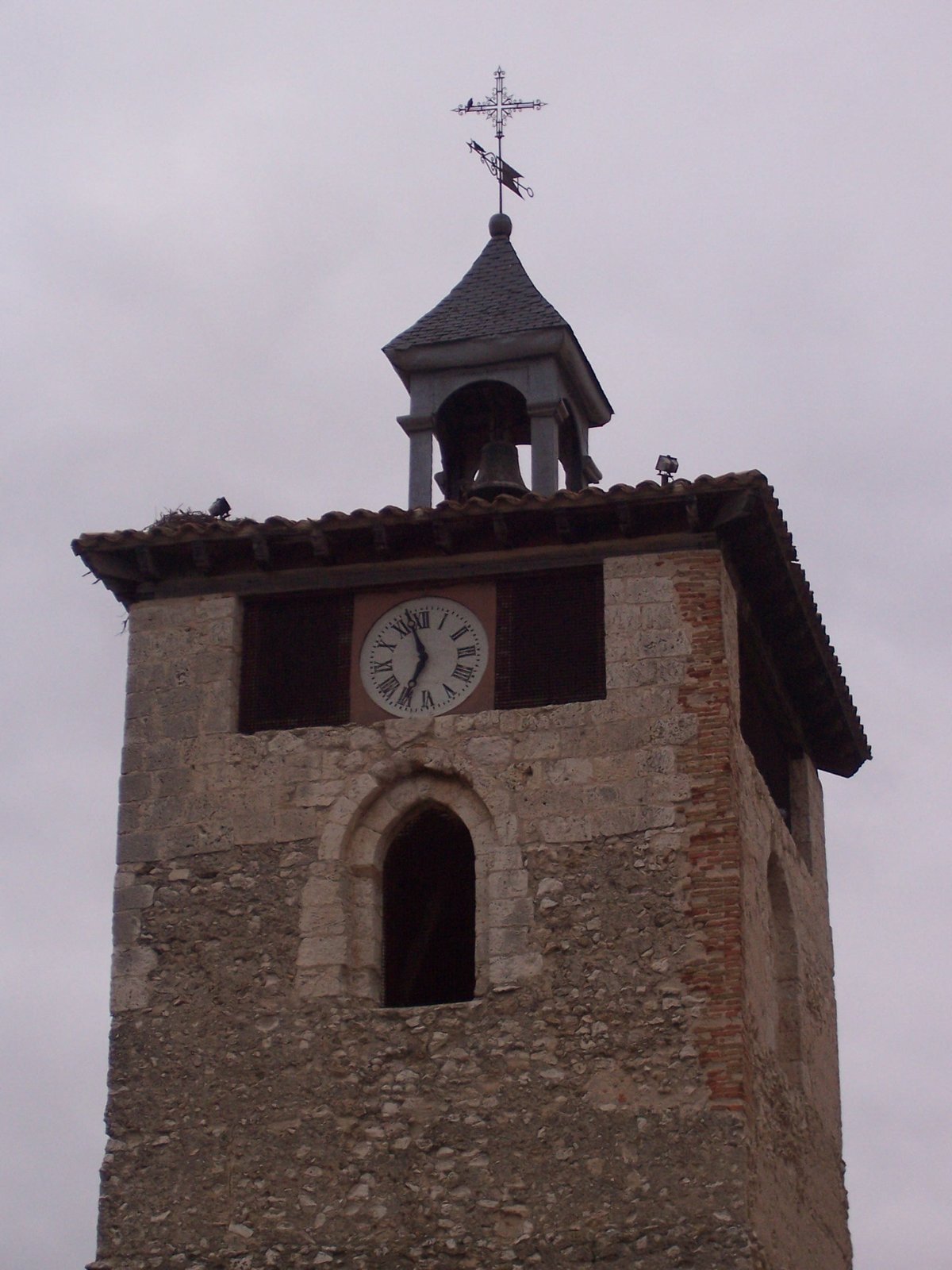
The monastery was declared a cultural heritage site in 1931 and remains open to the public. Following a fire in 1749, the reconstruction modified the old structure, leading to the construction of the current bell-tower in 1807 over one of the embattled towers. Inside, the chapel features a Gothic-Mudéjar apse from the 14th century and a prominent funerary chapel for Don Juan Manuel of Villena, built in the 16th century from white limestone.
One of the chapel's most important elements is a window with Gothic tracery flanked by two pilasters. Two shields of the chapel's family flanken the window, with one of them positioned over a semicircular tower. This tower corresponds to a spiral staircase without central support inside, which provides access to a terrace. Visitors can still explore the monastery today, viewing the well-preserved white limestone and the intricate brickwork of the exterior arches.
Sources: Wikipedia, OpenStreetMap, Wikidata, Wikimedia Commons
Written by Nik Frost
Discuss this with the author and others
No comments yet. Be the first to start the conversation.