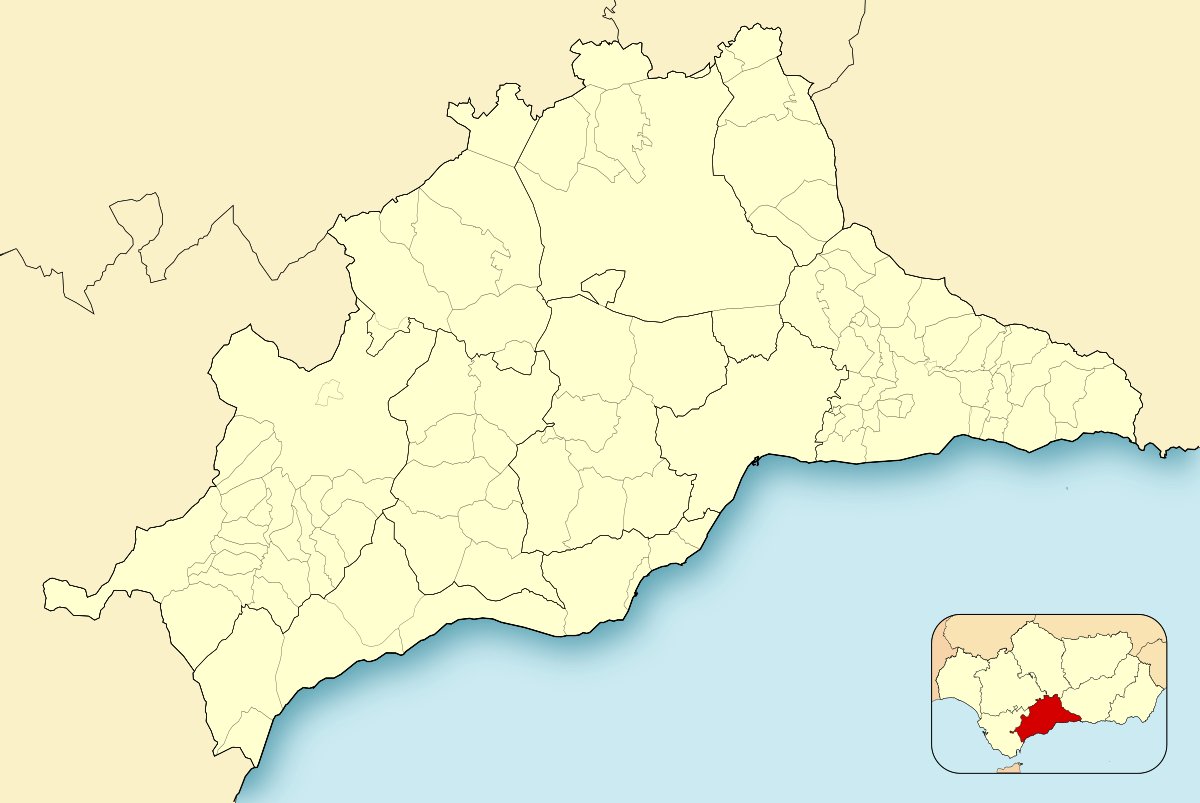

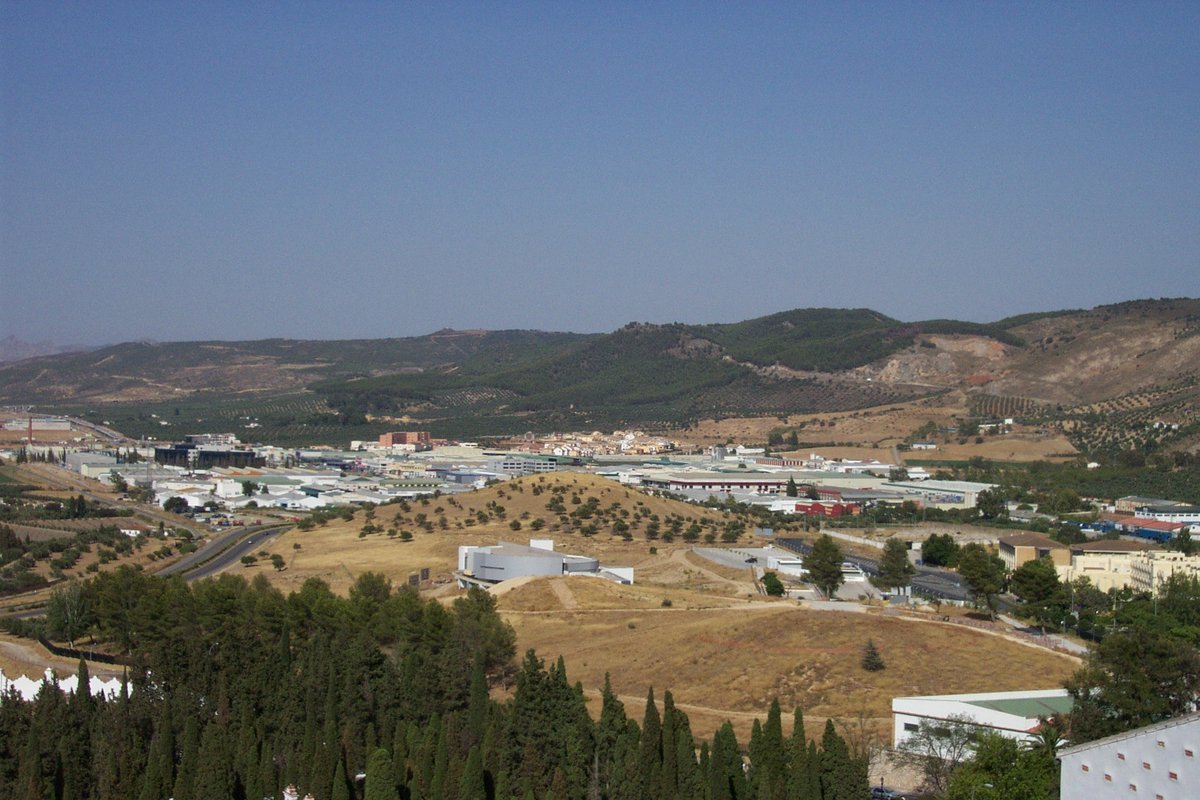
The archaeological site of the Roman baths of Alameda, located in the province of Málaga, consists of structures spanning approximately 3,000 square meters. The chronology of the site begins in the Chalcoleritic period and continues through the Roman period, which is documented from the 1st to the 4th century. This sequence has allowed for the study of human occupation within the Antequera region.
The site is divided into two main phases. One area dates back to the Chalcoleritic period, where approximately thirty pits were excavated into the rock. While these were initially interpreted as a necropolis, current studies suggest they were more likely silos with various typologies, such as well-type or silo-type. These structures show evidence of prolonged use extending into the post-medieval period.
The Roman phase of the site is considered part of a mansio, possibly Vrgapa, mentioned by the Anonymous of Ravenna on the route between Malaca and Hispalis. The upper terrace contains thermal facilities, while the lower terrace is characterized by a set of public buildings. Recent excavations have also revealed an industrial zone dominated by pools of various shapes, including rectangular and irregular forms.\n The thermal complex is defined by walls built with ashlar masonry, featuring rectangular floor plans and opus signinum pavements. Within this public building, various apsidal rooms and hypocaust systems with characteristic brick pillars are preserved. Parts of the main halls, such as the frigidarium and the caldarium, can still be distinguished. A nearby platform made of ashlar and opus caementicium pillars also serves as an example of the documented public architecture.
While the public sector was consolidated during the first two centuries of our era, it later passed into private hands with the appearance of the industrial zone. Current information regarding the specific activities carried out in these industrial installations is partial, as the results of excavations from the 1980s are difficult to interpret. To highlight the site, soundings have been conducted on one of the plots, discovering burials in pits of difficult chronological assignment.
Sources: Wikipedia, OpenStreetMap, Wikidata, Wikimedia Commons


Written by Nicolo Ciampini
Discuss this with the author and others
No comments yet. Be the first to start the conversation.