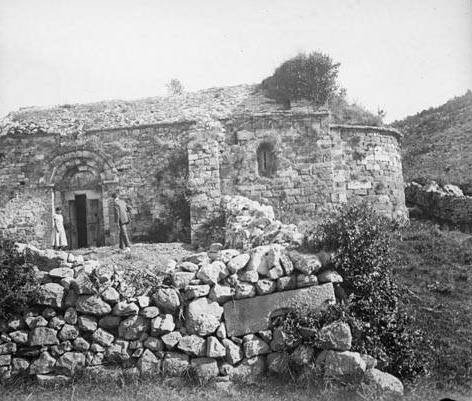

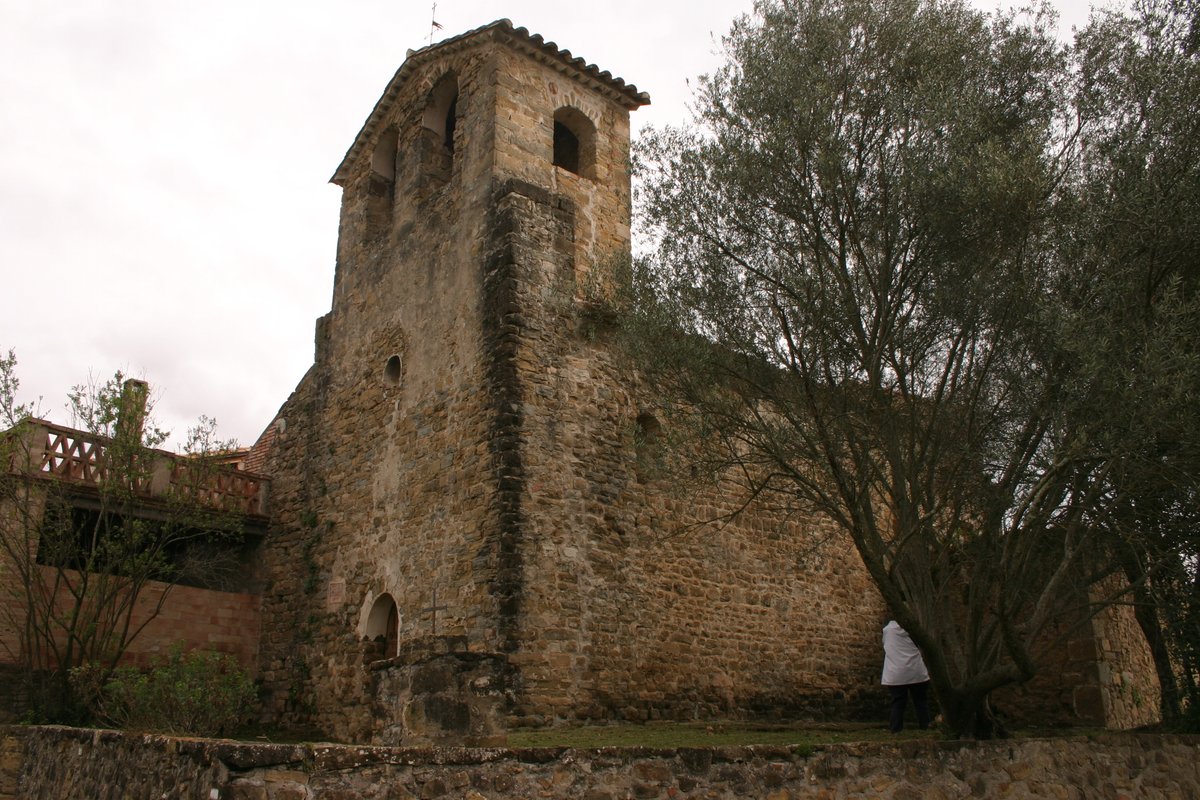
Sant Cristòfol dels Horts served as the church of a dispersed village of farmhouses. Although the village is now abandoned, the church remains in the northern reaches of Albanyà. It is included in the Inventari del Patrimoni Arquitectònic de Catalunya.
During the post-medieval period, the parish of Sant Cristòfol dels Horts had churches of Fontfreda, Carbonils, els Vilars, Oliveda, and el Santuari de Santa Maria del Fau depending on it.
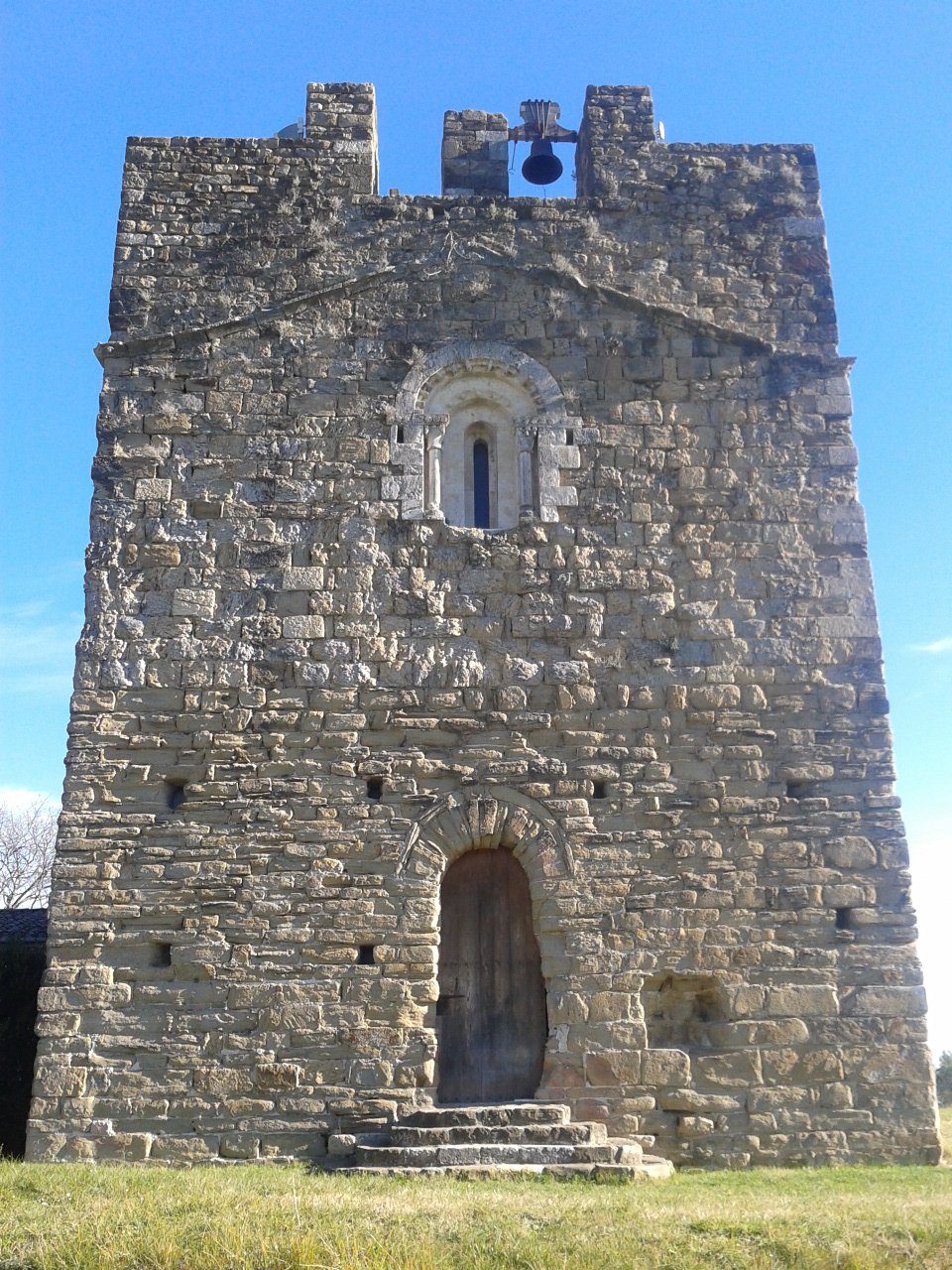
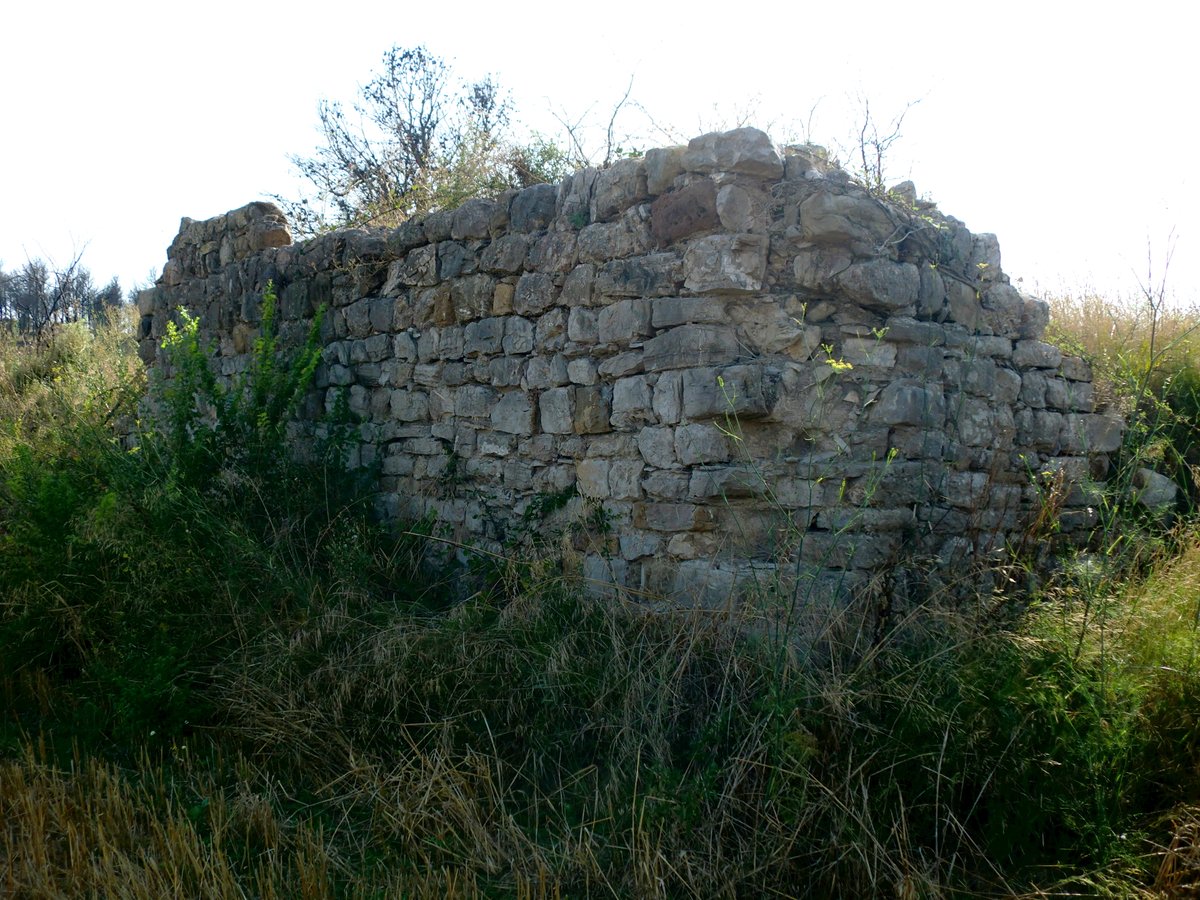
The structure itself presents a fascinating patchwork of eras. The northern wall may date back to the 11th century and is built with small limestone blocks and broken slabs. Moving east, the masonry shifts to larger, precisely cut stones arranged in uniform rows. This style of masonry is typical of late Romanesque, from the 12th or 13th centuries.
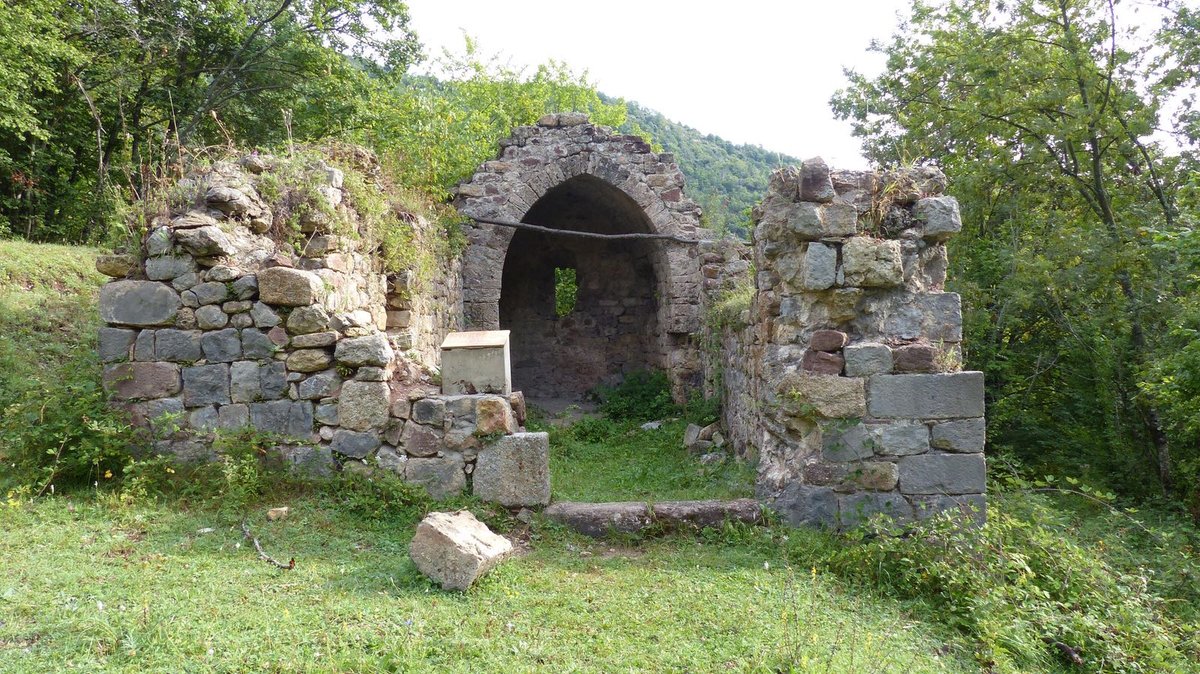
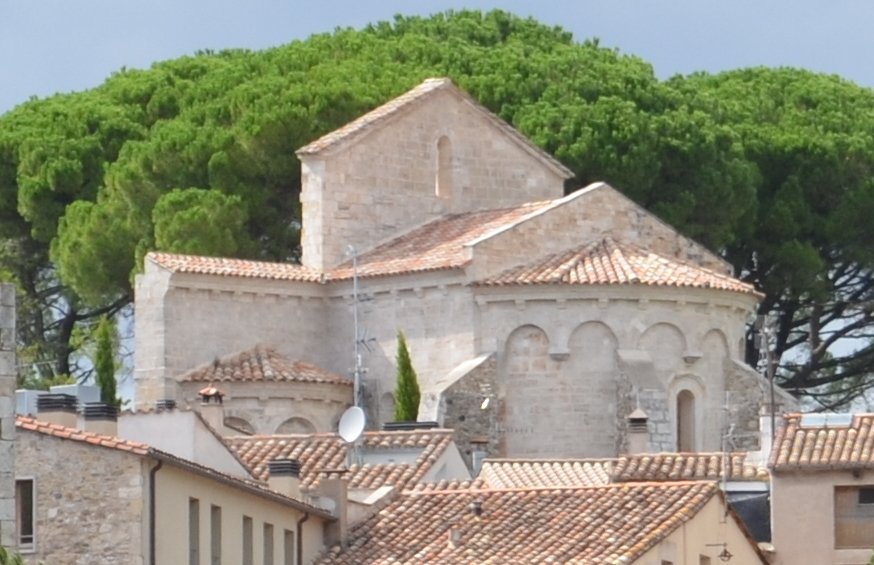
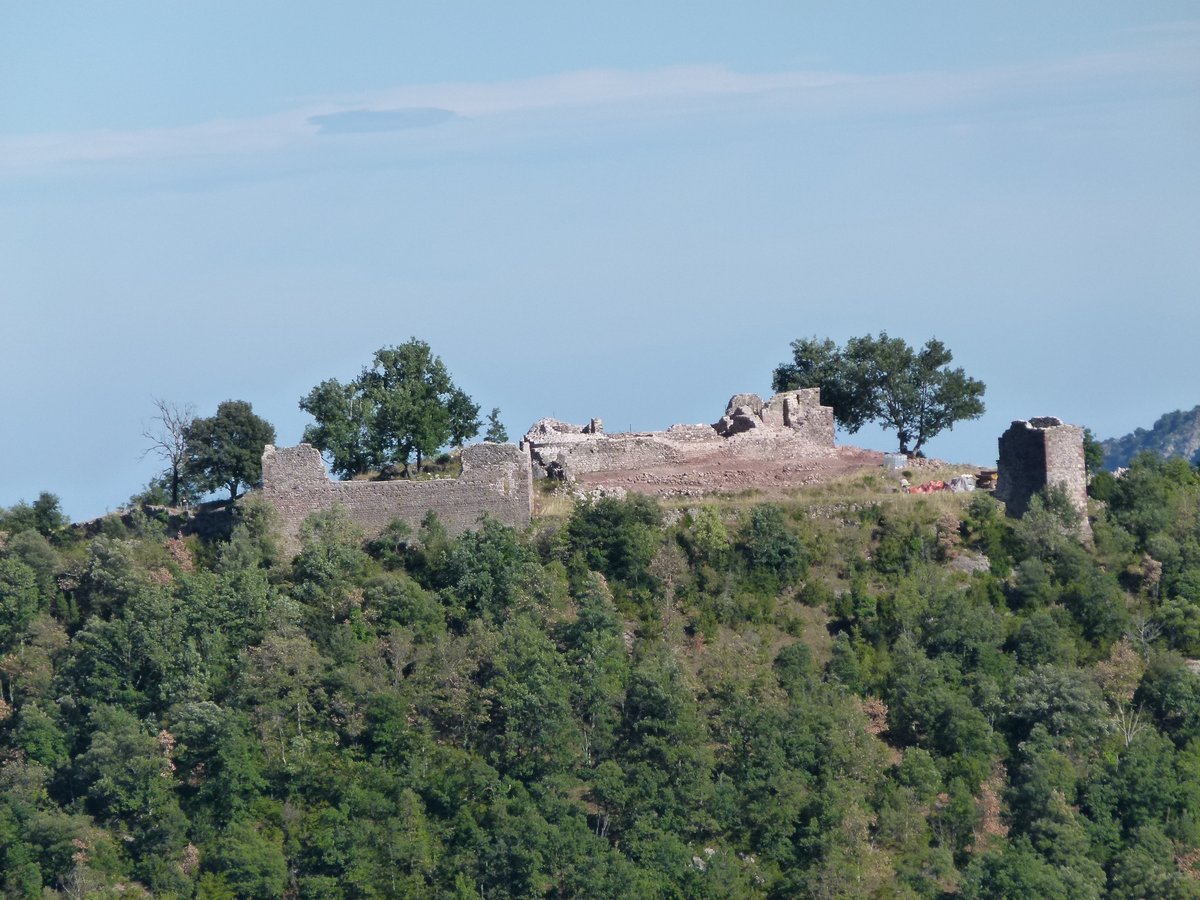
Today, the building is a ruin. We can still observe the surviving vaults and the semicircular apse. These features continue to show the marks of different periods of construction and repair, including recent partial restoration by the GAT de La Jonquera.
Sources: Wikipedia, OpenStreetMap, Wikidata, Wikimedia Commons
Written by Nik Frost
Discuss this with the author and others
No comments yet. Be the first to start the conversation.