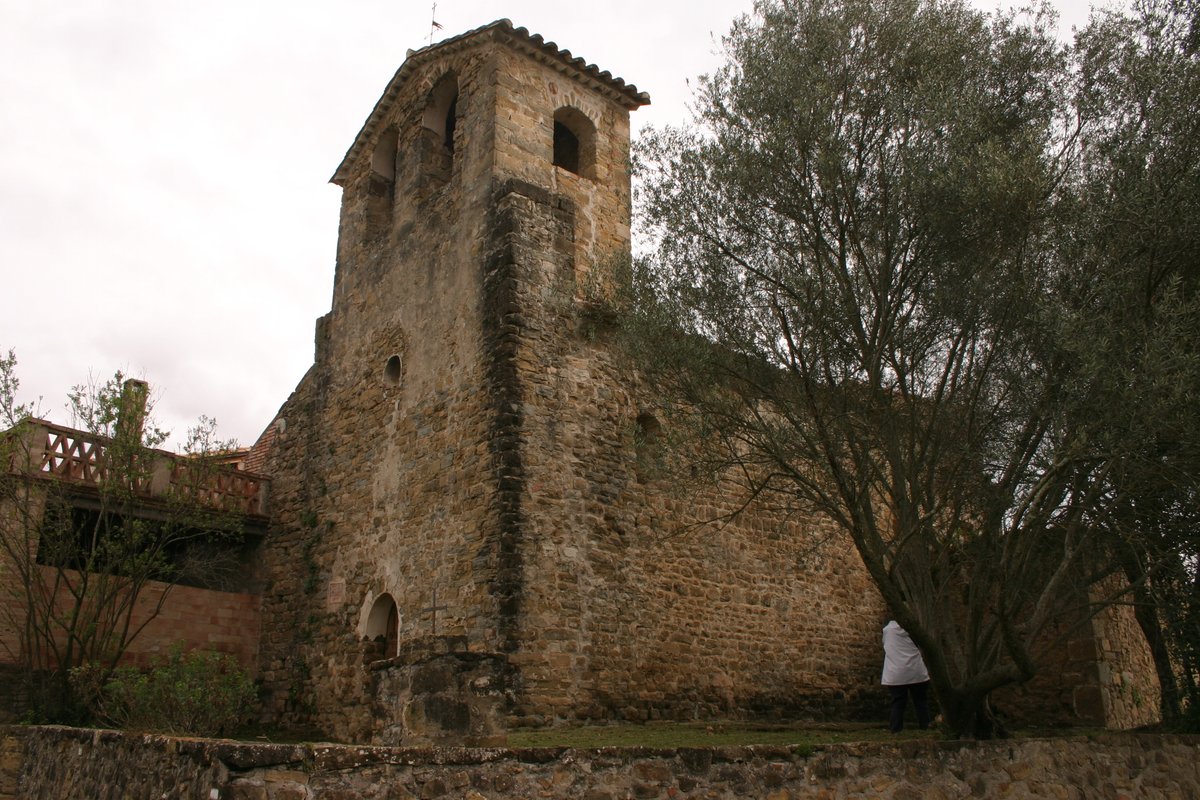

A pivotal shift occurred during the 12th century when the name Paleria first took root in these lands. This name is documented in the 1362 "Llibre Verd" of the Chapter of Girona and remains linked to the territory surrounding Santa Maria de Palera.
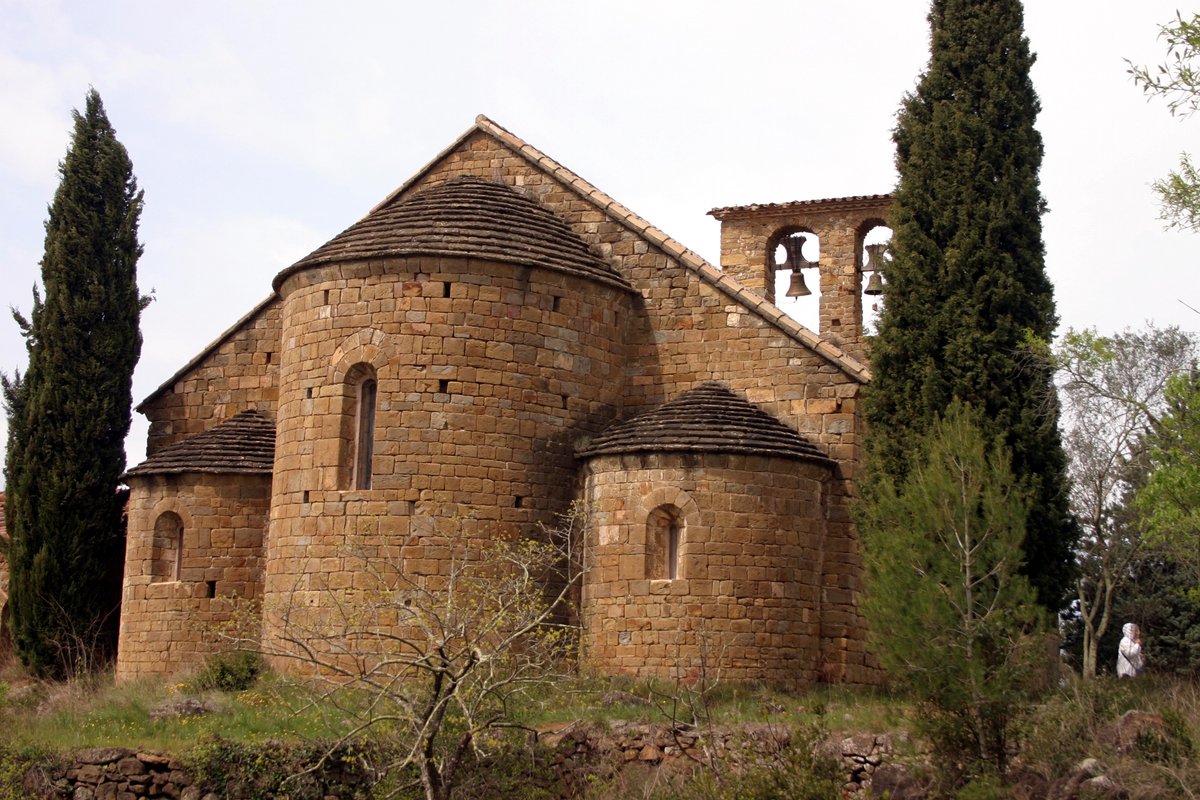
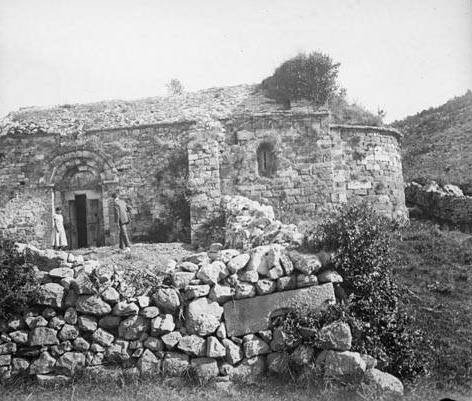
Constructed in the 11th century, this church functioned as a central parish hub for many generations. Its historical prominence was confirmed in 1085 during the consecration of the Sant Sepulcre monastery. By the end of the 16th century or the beginning of the 17th century, the site moved under the oversight of Sant Pere de Lligordà as a suffragan church.
The interior preserves a tangible connection to its medieval beginnings. Within the single nave stands a Romanesque baptismal font featuring a basin 74 centimetres in diameter. Visitors can also find an alabaster tomb from 1789 belonging to Antonius Ferrer, a chaplain from Figueres.
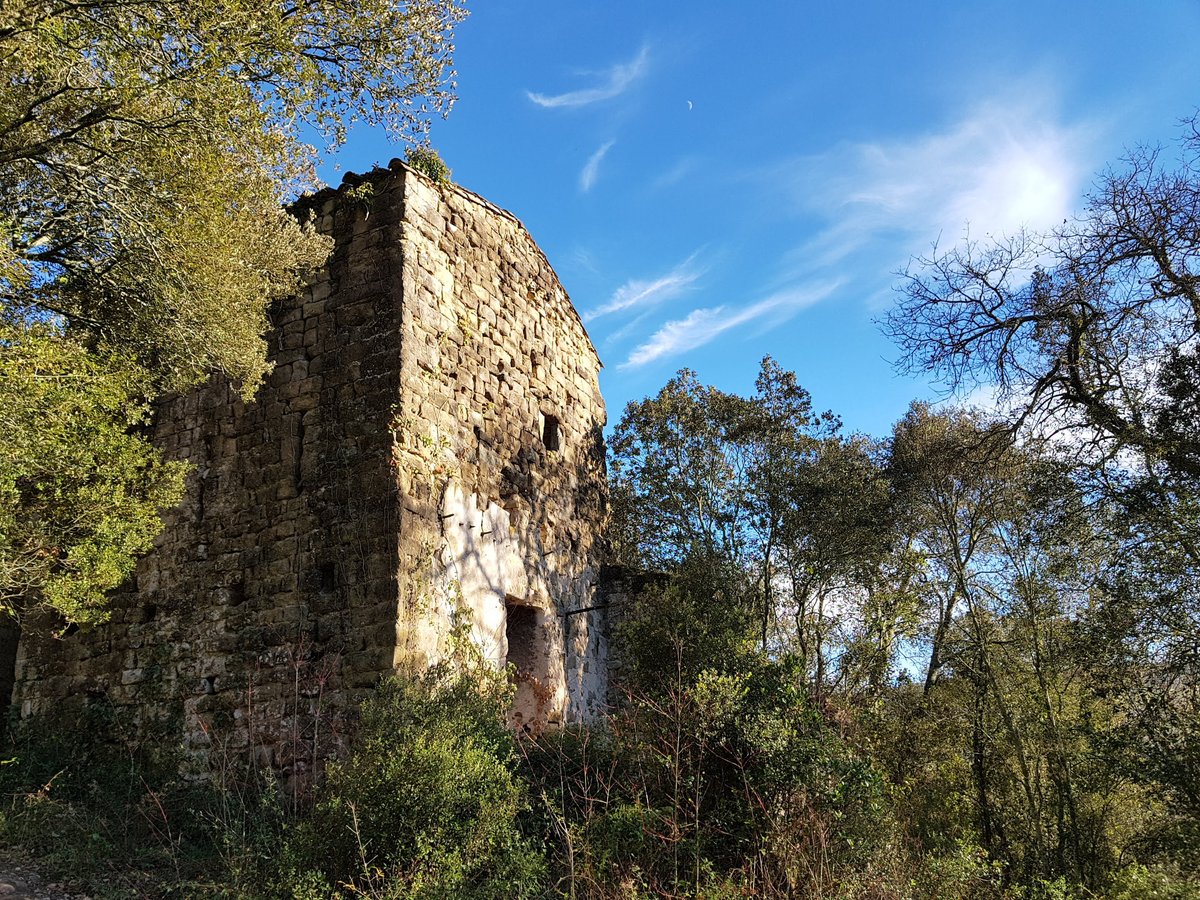
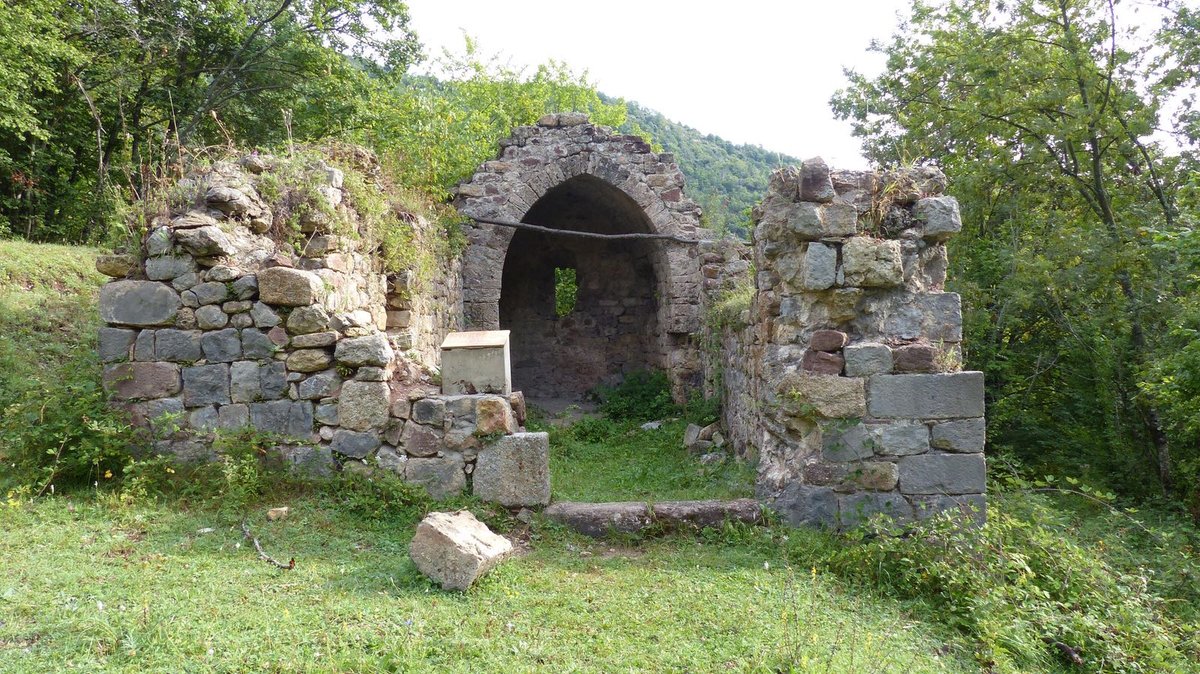
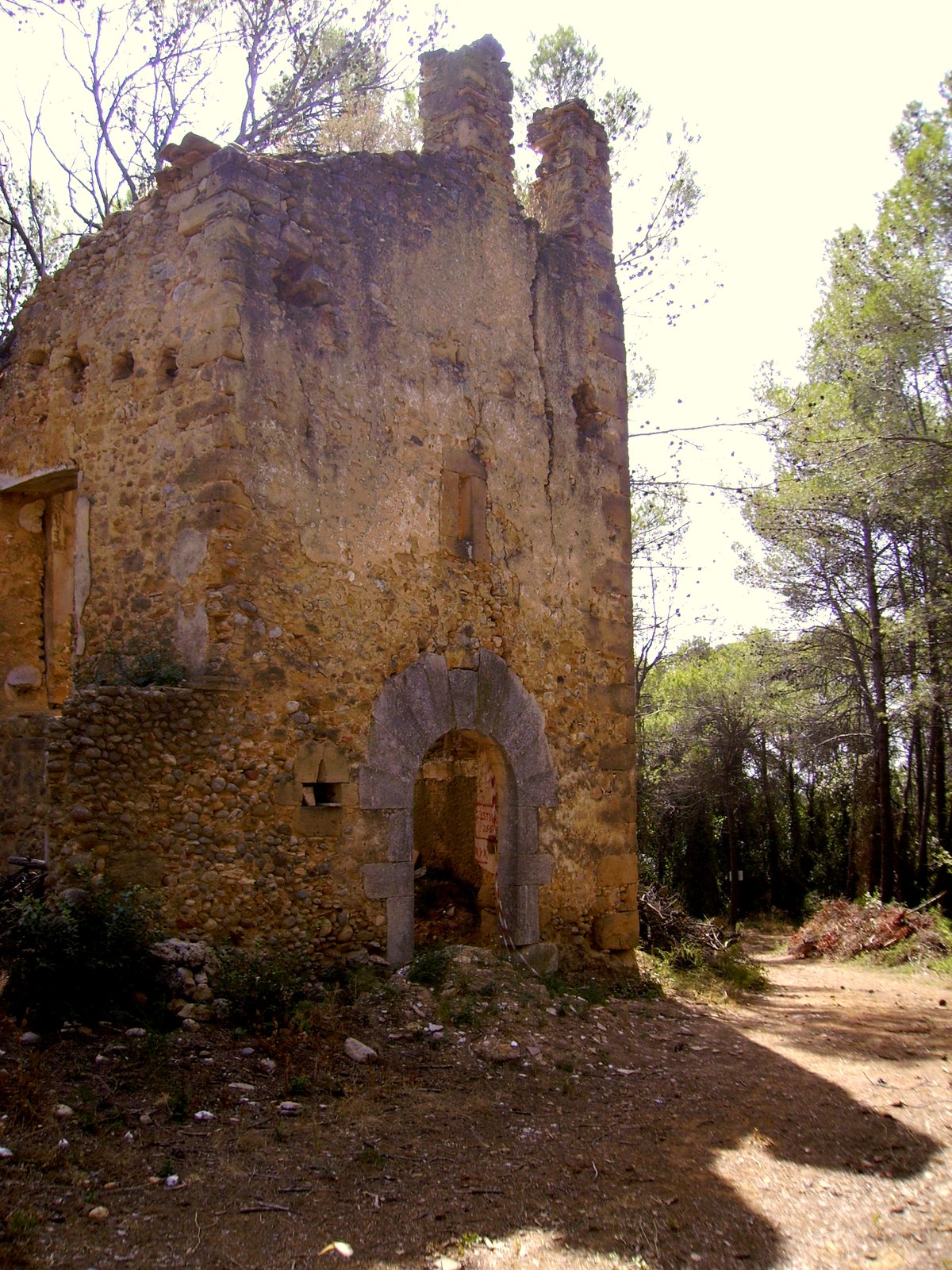
This structure serves as a protected cultural treasure within the Garrotxa region. One can study the late-period sacristy and the bell tower that was eventually fitted with a two-sided tiled roof. The building stands in close proximity to the medieval walls of the Masó fortified house.
Sources: Wikipedia, OpenStreetMap, Wikidata, Wikimedia Commons
Written by Nik Frost
Discuss this with the author and others
No comments yet. Be the first to start the conversation.