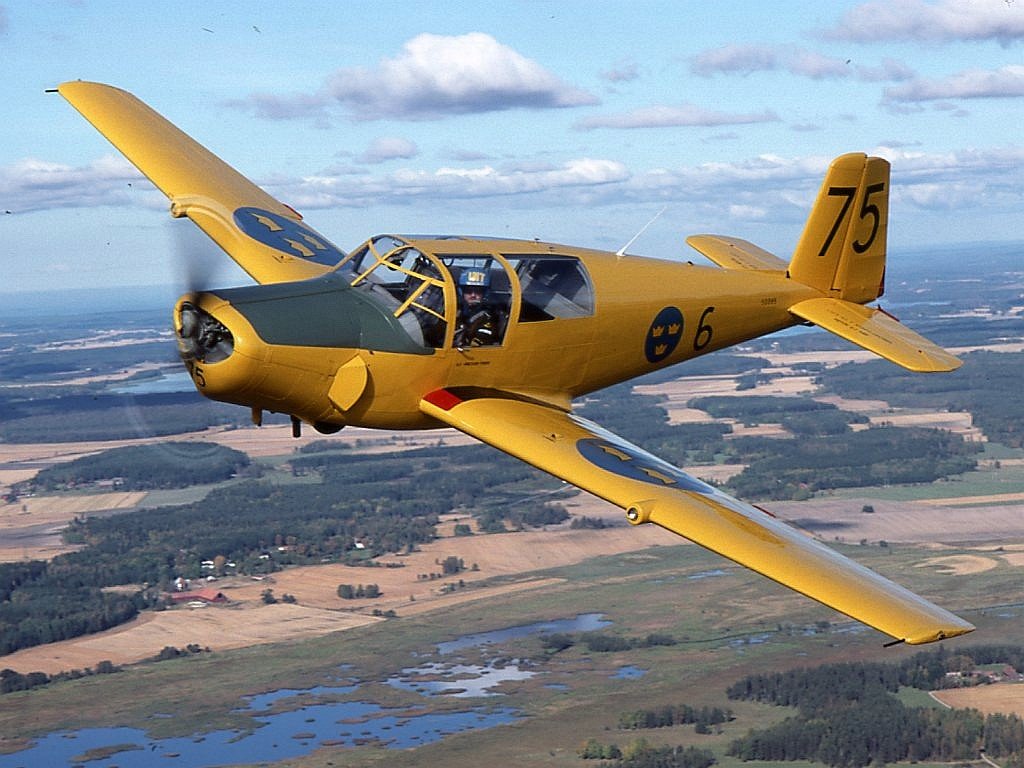

The Saab 91 Safir emerged as a steady response to the conclusion of the Second World War. Conceived in 1944 to address a gap in civil aviation, it was meant to be a light touring plane and trainer. However, the aircraft proved its worth as a versatile workhorse. A total of 323 units were produced by Saab in Linköping and De Schelde in the Netherlands.
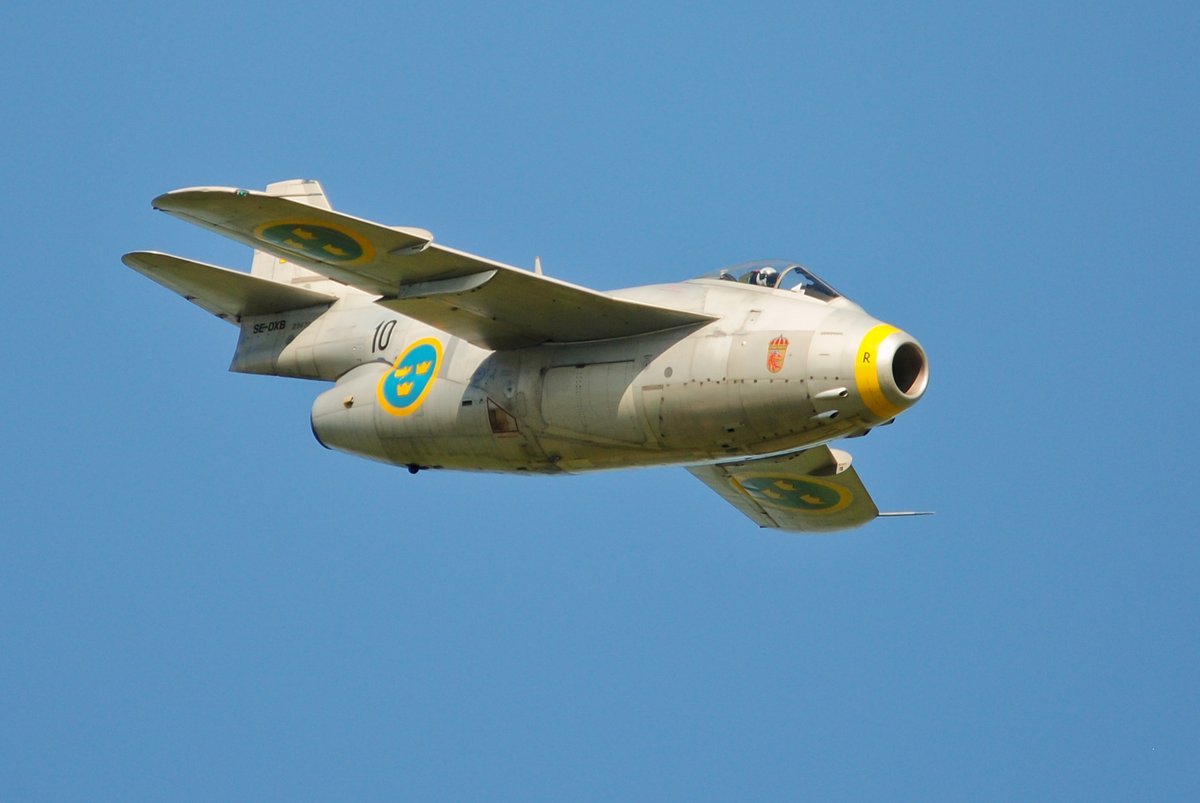
We must look closely at its clandestine role as a flying laboratory. One early prototype was modified with scaled-down swept wings to conduct low-speed testing for the Saab 29 jet fighter. The same airframe underwent further updates to test wings for the Saab 32 Lansen. This progression allowed a modest trainer to facilitate the development of Swedish jet technology.
The Safir also maintained an extensive global presence. It provided training for air forces in Ethiopia, Norway, and Tunisia. It served as a liaison aircraft in Sweden until 1994. Reliability also made it a choice for civil carriers such as Air France and Lufthansa. Today, these aircraft stand as significant milestones bridging the transition to the jet age.
Sources: Wikipedia, OpenStreetMap, Wikidata, Wikimedia Commons
Written by Nik Frost
Discuss this with the author and others
No comments yet. Be the first to start the conversation.