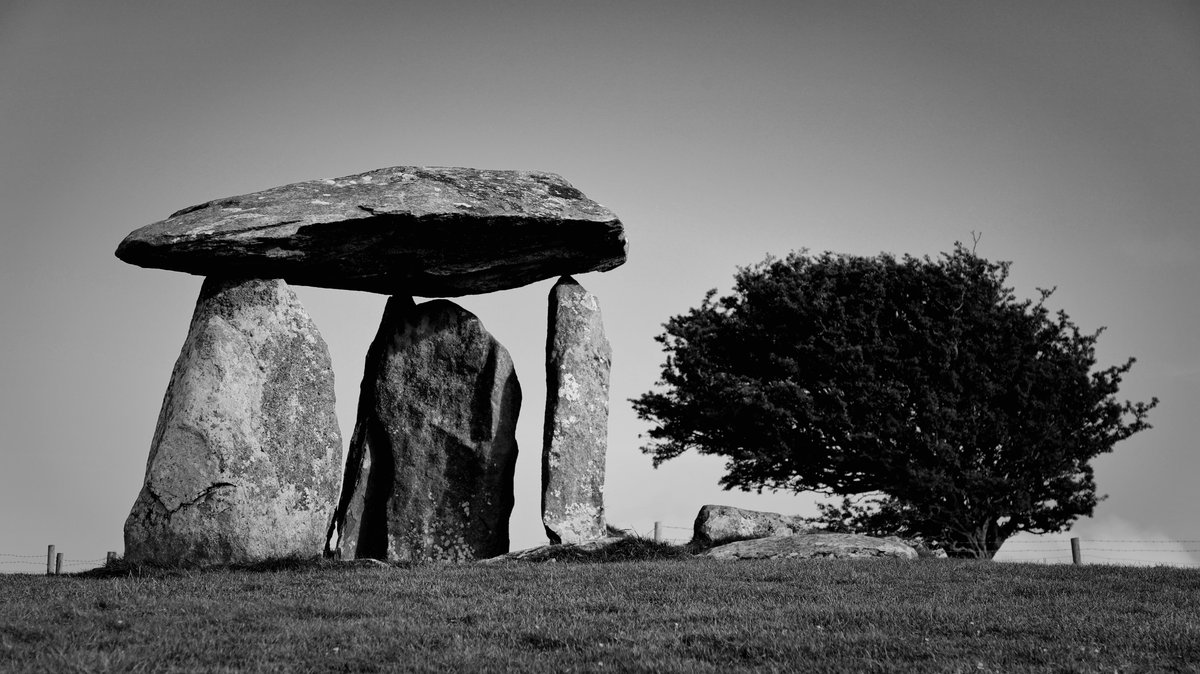

In the community and parish of Nevern, Pembrokeshire, Wales, sits Pentre Ifan, an awe-inspiring monument from the Neolithic age. Dating from around 3500 BC, this site is a scheduled monument and one of three Welsh monuments to receive legal protection under the Ancient Monuments Protection Act 1882. It is well known for being the largest and best preserved neolithic dolmen in Wales.
The monument is a collection of seven principal stones. The largest is the huge capstone, 5 m long, 2.4 m wide and 0.9 m thick. It is estimated to weigh 16 tonnes and rests on the tips of three other stones, some 2.5 m off the ground. There are six upright stones in total; three of these support the capstone. Of the remaining three, two portal stones form an entrance and the third, at an angle, appears to block the doorway.
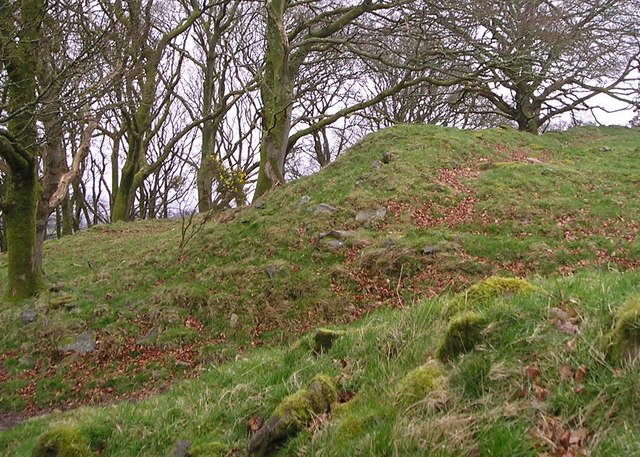
Originally, the dolmen was identified as a communal burial, where stones would have formed a chamber covered by a large mound of stones about 30 m long and 17 m wide. However, a study in 2014 suggested the stones were never designed to be buried within a mound or to contain bones. The capstone may have been a glacial erratic that already stood on the spot, with a pit dug to expose it, before it was levered vertically upwards into its current position.
Sources: Wikipedia, OpenStreetMap, Wikidata, Wikimedia Commons
Written by Nicolo Ciampini
Discuss this with the author and others
No comments yet. Be the first to start the conversation.