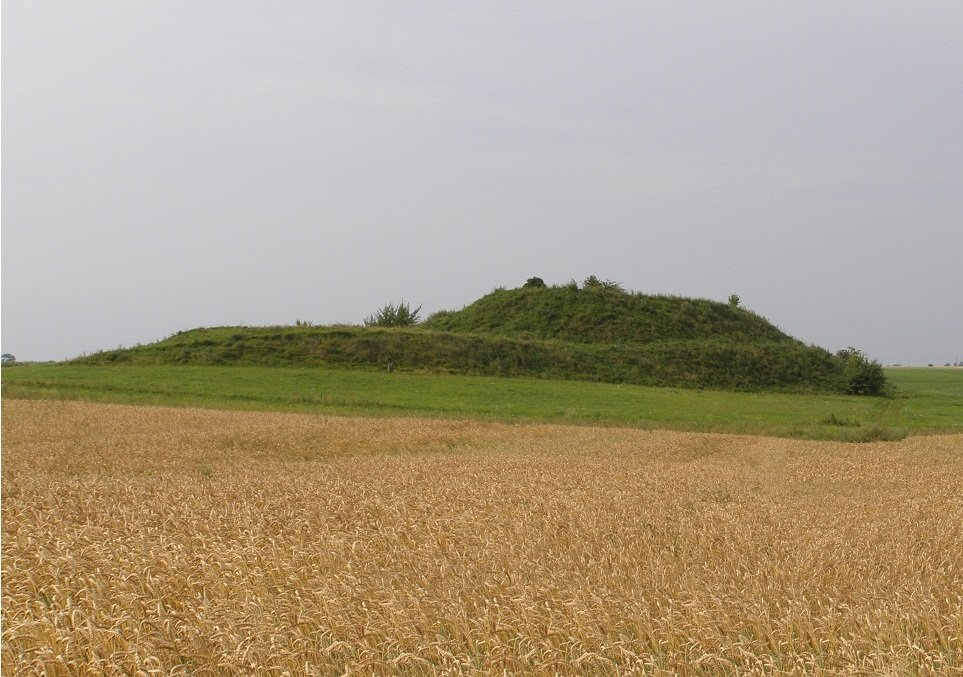

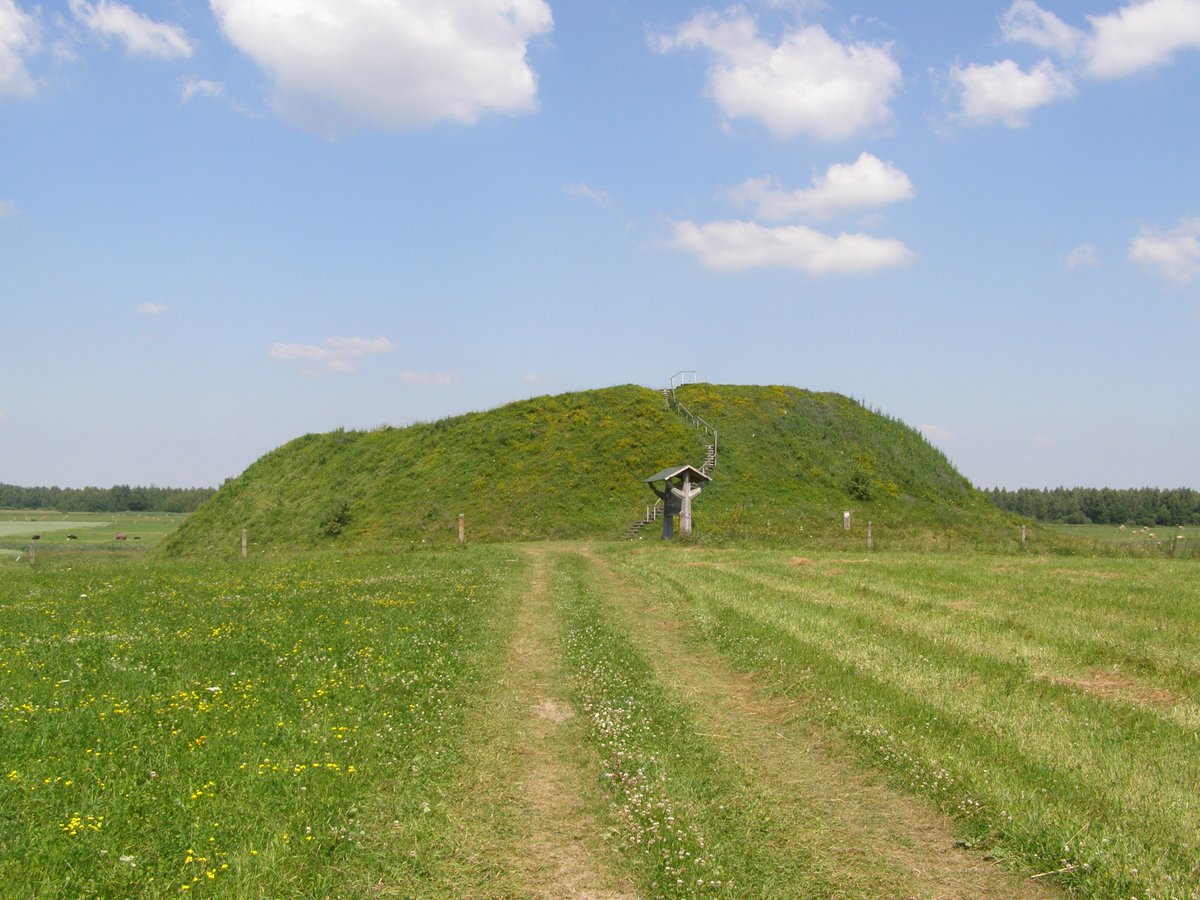
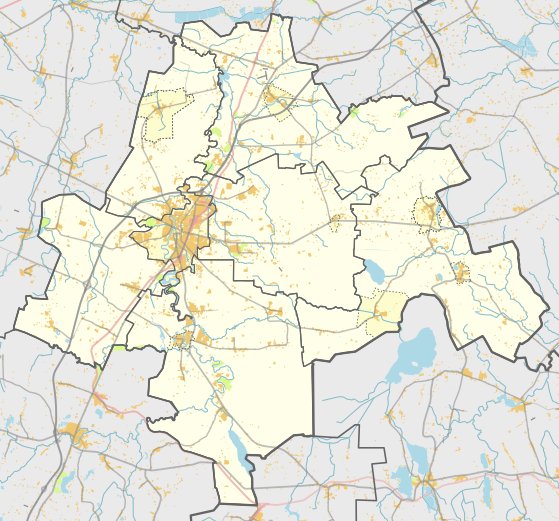
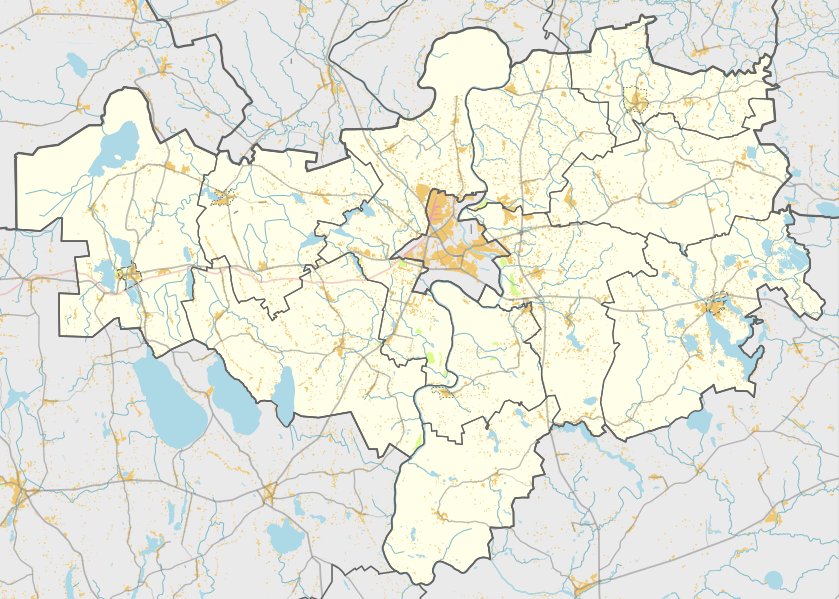
Situated within the Marijampolė municipality, west of Padovinys, the Padovys Hillfort with settlement has long been noted by locals and scholars. In 1908, the priest and historian Jonas Totoraitis described the site. In 1935, a commission collected materials about the hillfort and tasked the landowner, Juozas Grinis, with its preservation. The site was declared an archaeological monument of republican significance in 1972, and it was later recognized as a state-protected cultural monument in 2005.
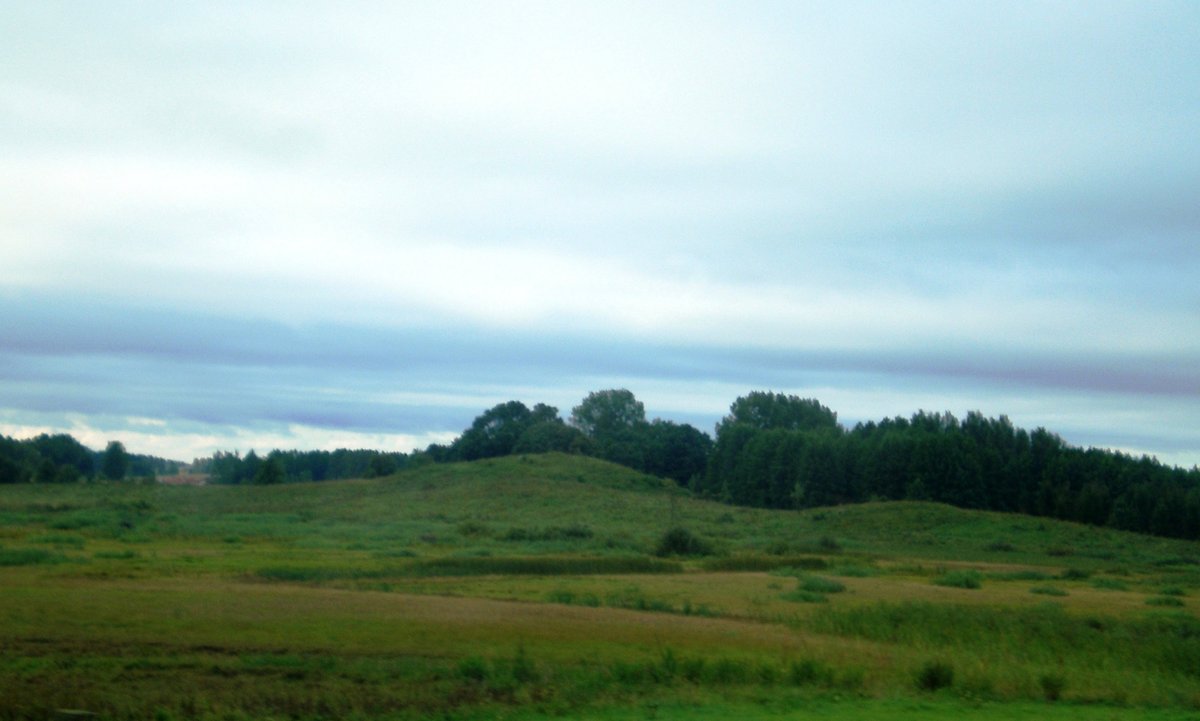
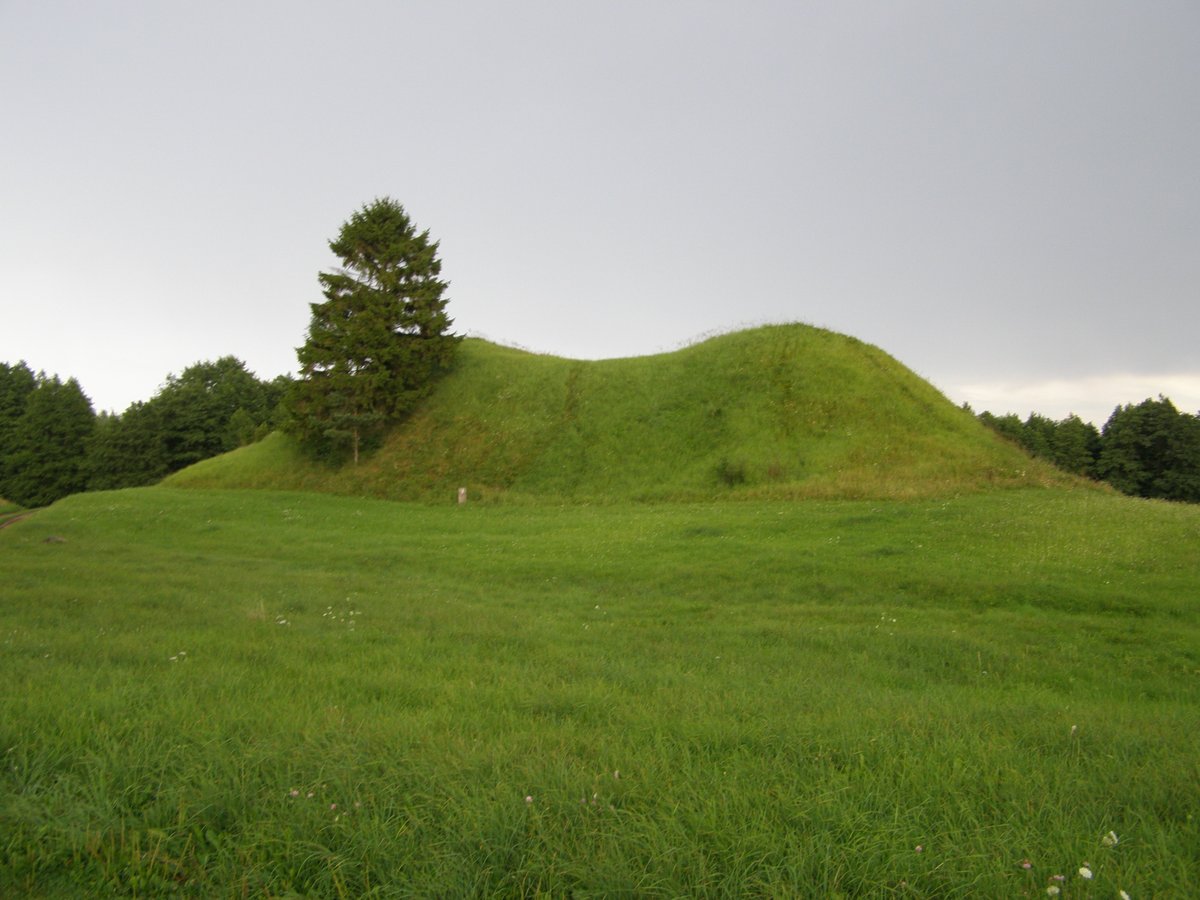
The archaeological complex consists of the hillfort and a settlement at its foot, covering a total area of 33,500 m2. The site is bordered by the Dovinės river to the north and east, and by agricultural fields to the west and south. The hillfort itself is 120 meters long and up to 60 meters wide, situated on a separate hill with slopes reaching 9-11 meters in height. Its oval courtyard measures 27x22 meters, and at its southwestern edge lies a 1-meter-high and 12-meter-wide rampart.
Research conducted in the 1950s and 1960s by the Institute of History of the Lithuanian Academy of Sciences revealed various artifacts. These include a silver brooch, a bronze buckle, two molar millstones, and various types of smooth, grooved, and rough ceramics. The settlement at the foot of the hillfort covers an area of 2 hectares and is characterized by relatively flat fields. The archaeological finds are currently preserved in the Lithuanian National Museum.
Sources: Wikipedia, OpenStreetMap, Wikidata, Wikimedia Commons


Written by Nicolo Ciampini
Discuss this with the author and others
No comments yet. Be the first to start the conversation.