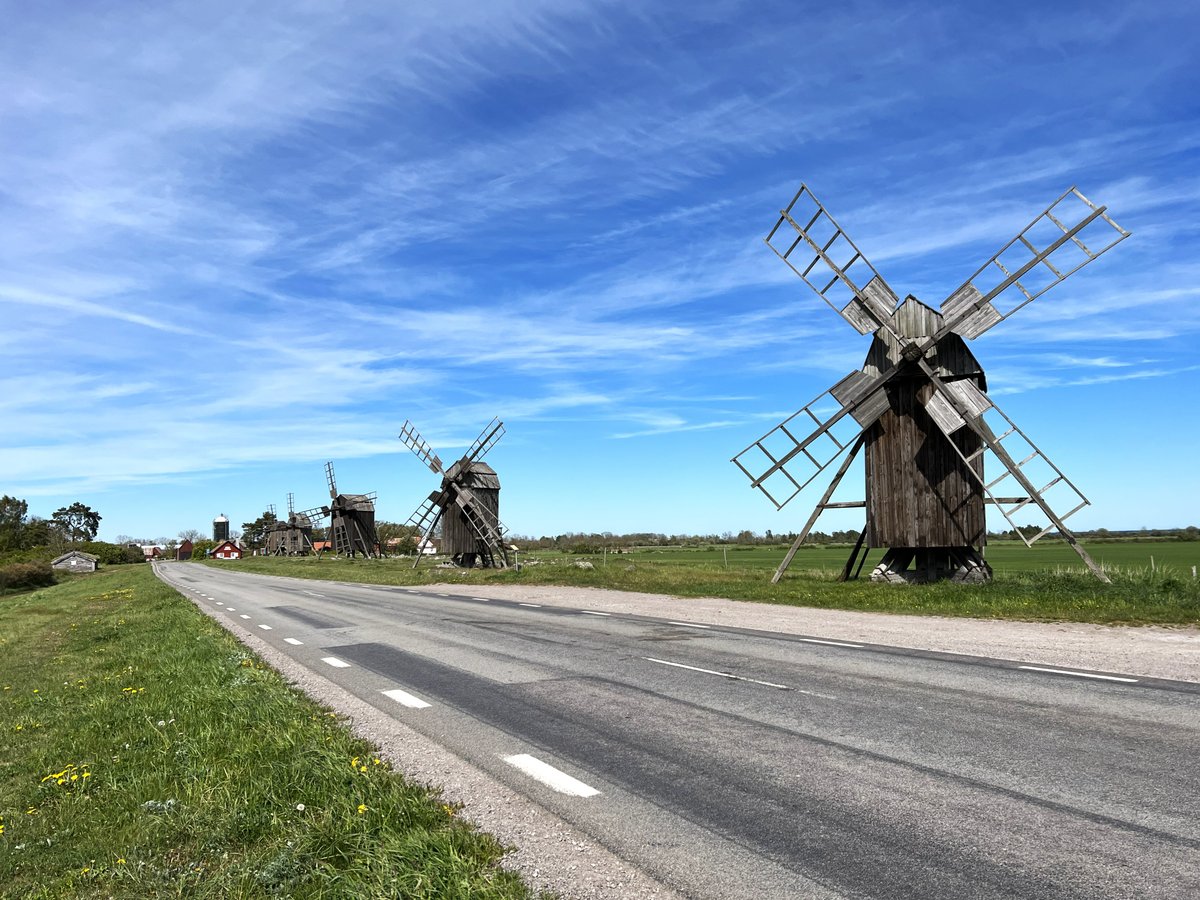

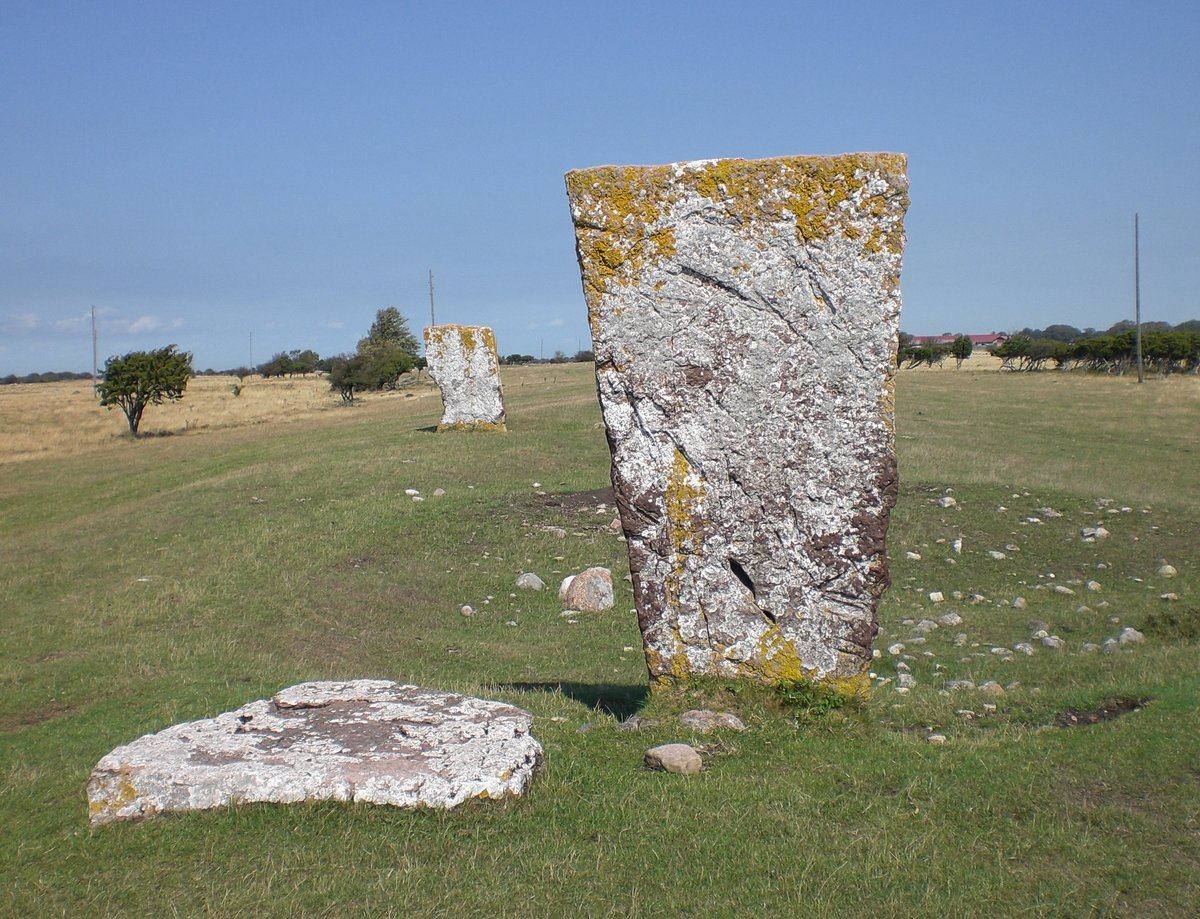
The southern region of Öland is defined by the alvar, a massive limestone plateau. As the largest of its kind in Europe, this thin-soiled terrain creates a high pH environment for rare plants. The landscape was created by glacial action before the Ice Age, though the limestone itself formed about 500 million years ago from the sea to the south.
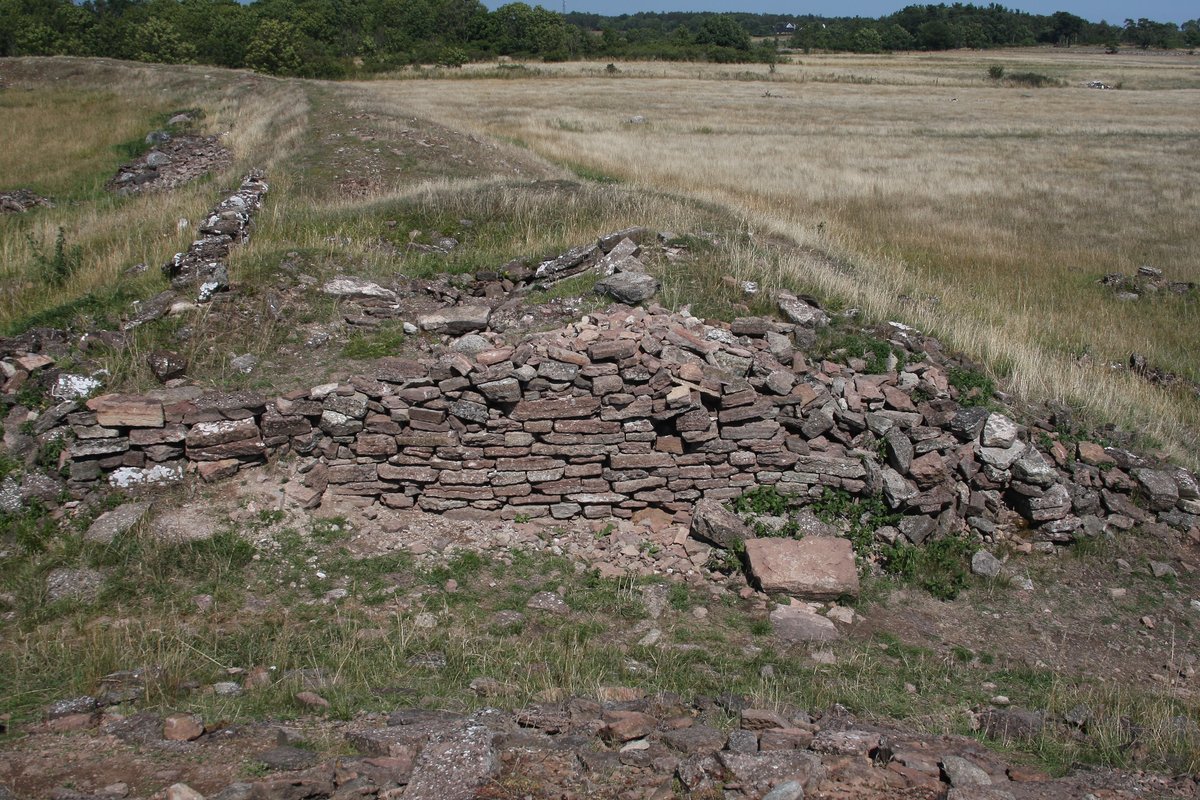
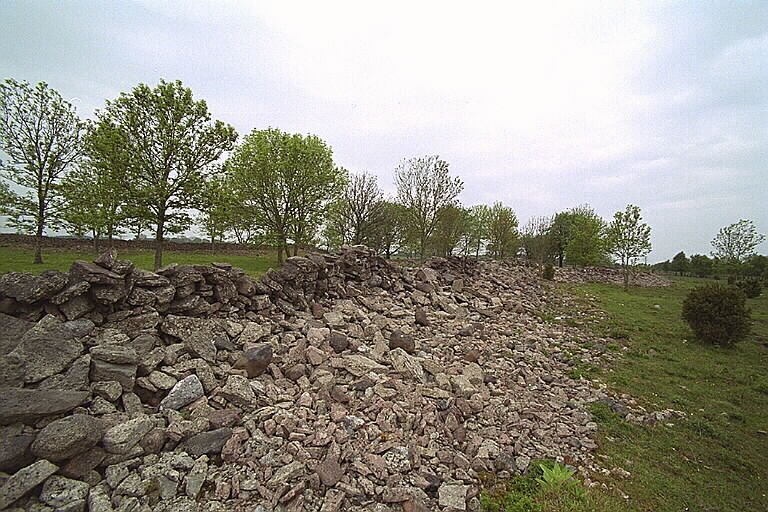
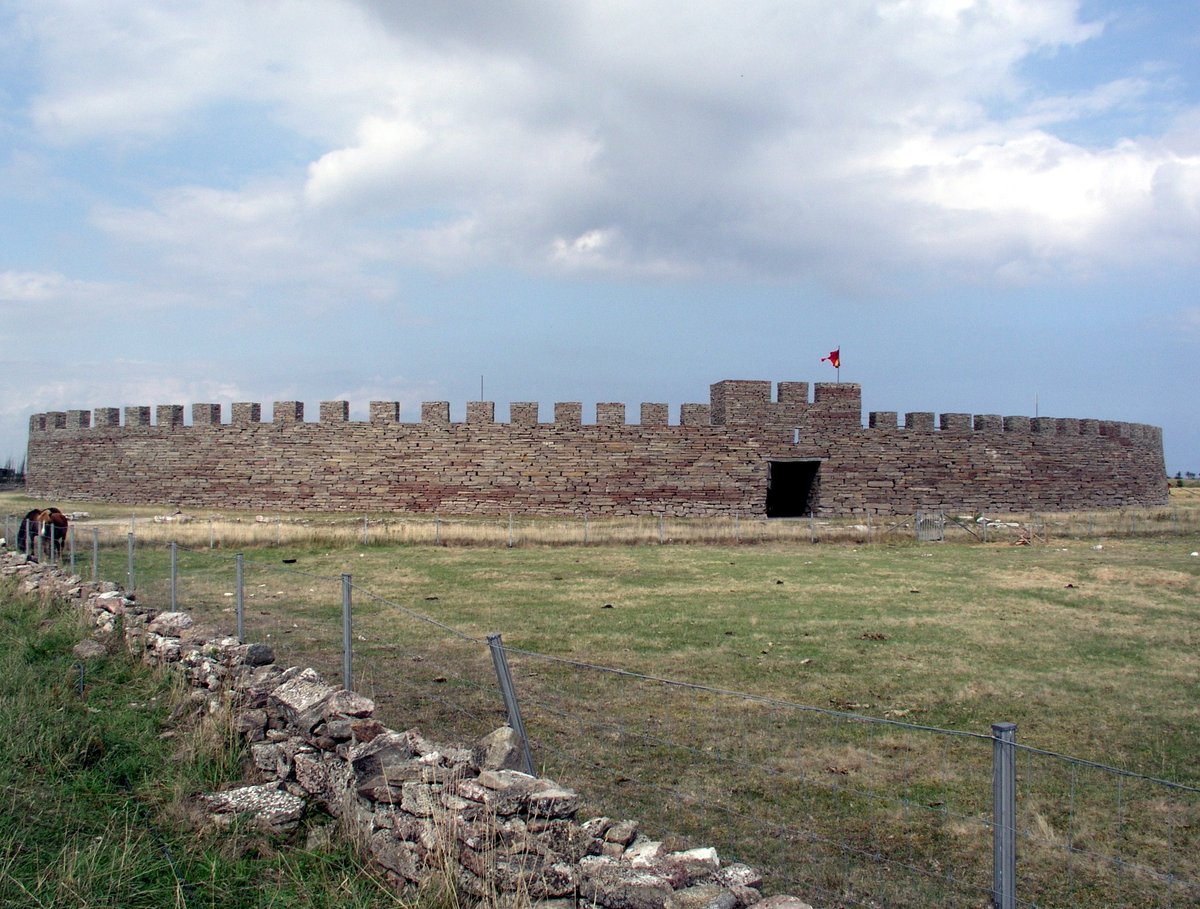
Historical records point toward a profound transformation during the Bronze Age and early Iron Age. As the human population expanded, it exerted extreme pressure on the limited tree species of Stora alvaret. This may have caused a mysterious disappearance of humans around 500 BC, as the population exceeded the carrying capacity of the site. This period of relative absence continued until Viking settlements appeared in the periphery between 800 and 1000 AD.
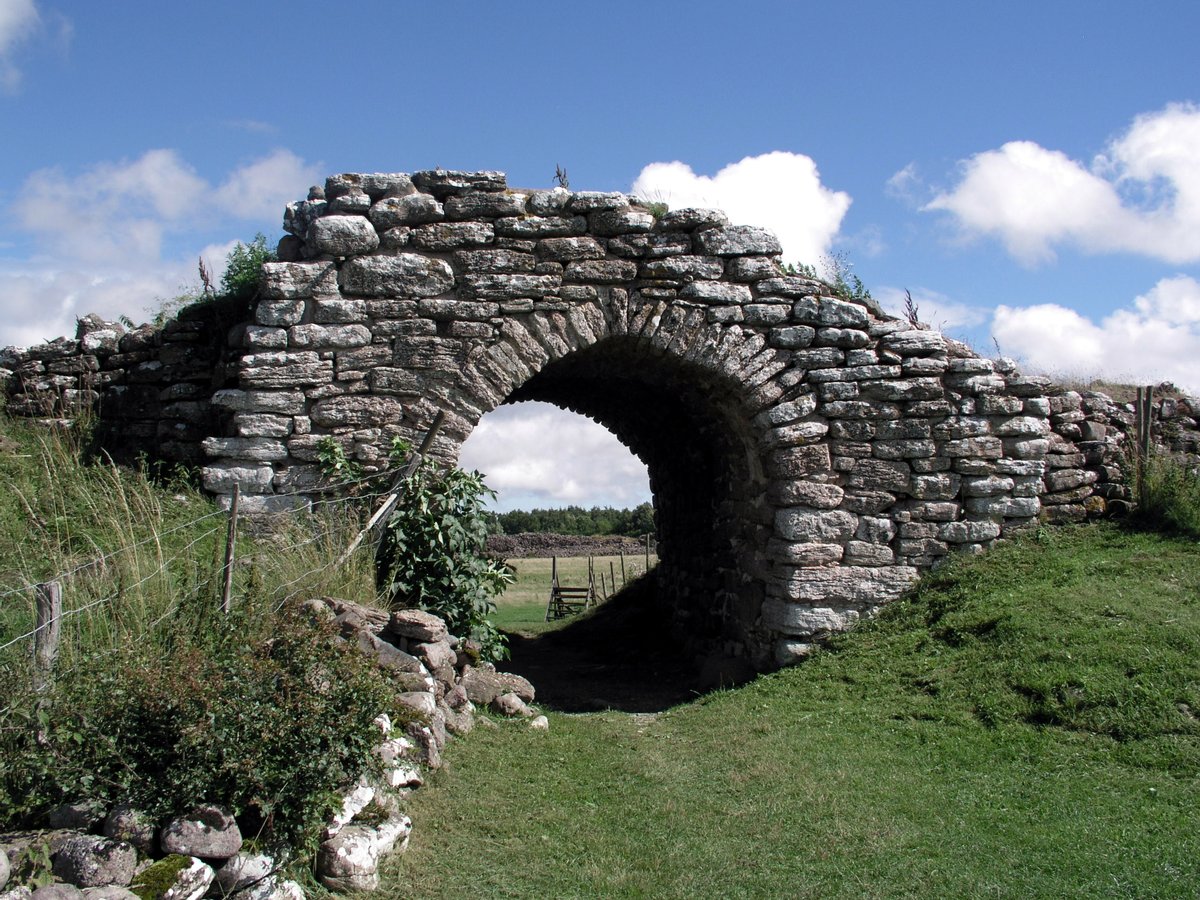
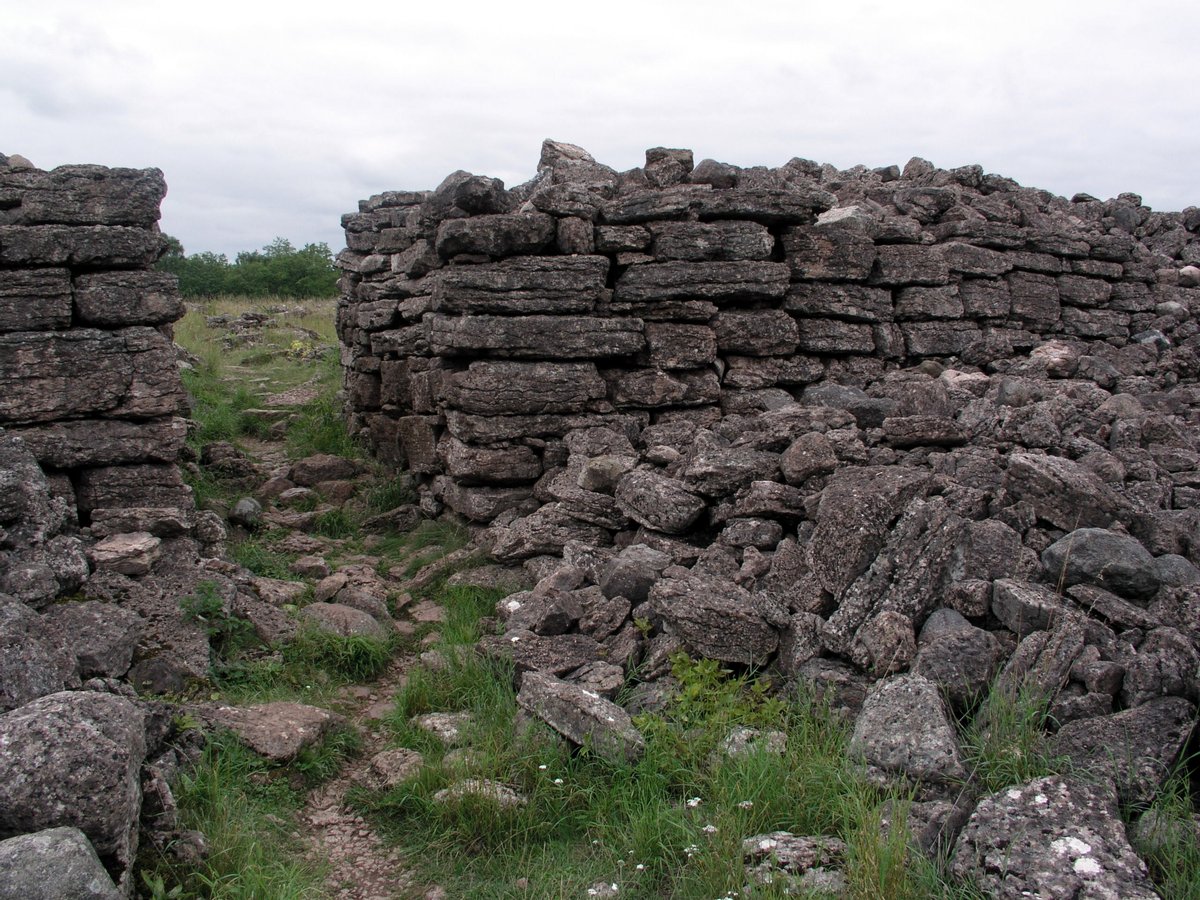
The landscape reveals how inhabitants adapted to a difficult environment. The property, which covers more than 56,000 hectares, is recognized for its prehistory and the way man adapted to the natural conditions of the limestone plain. Today, the area remains a site of extraordinary biodiversity and significant archaeological interest.
Sources: Wikipedia, OpenStreetMap, Wikidata, Wikimedia Commons
Written by Nik Frost
Discuss this with the author and others
No comments yet. Be the first to start the conversation.