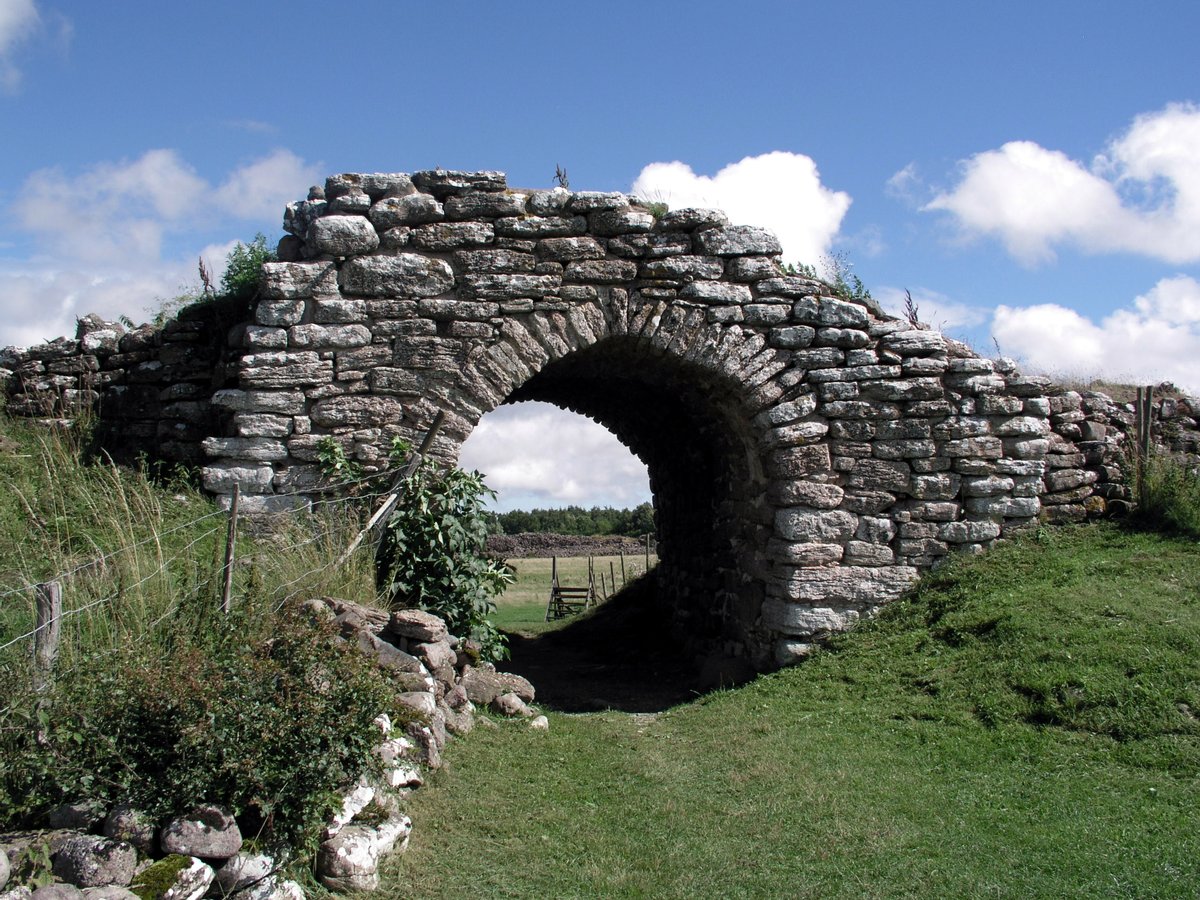

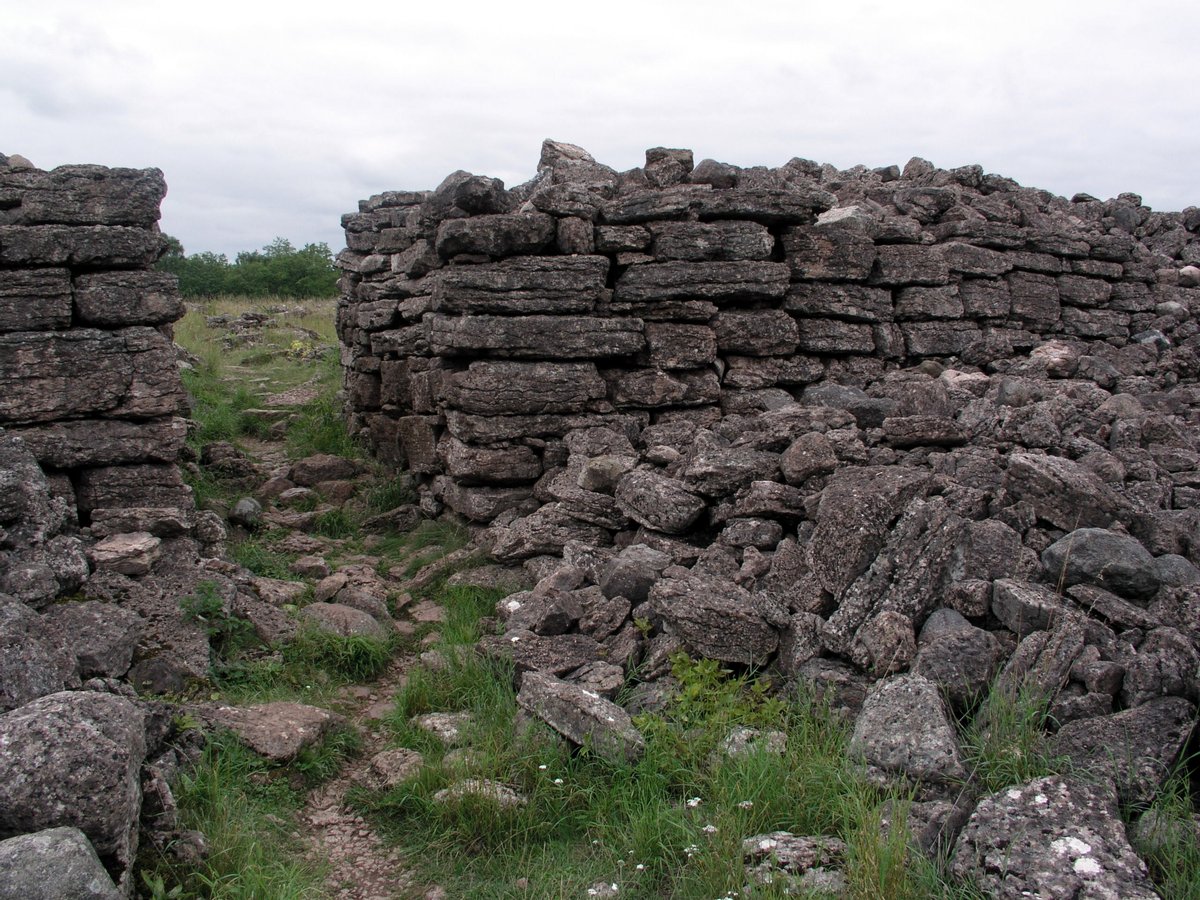
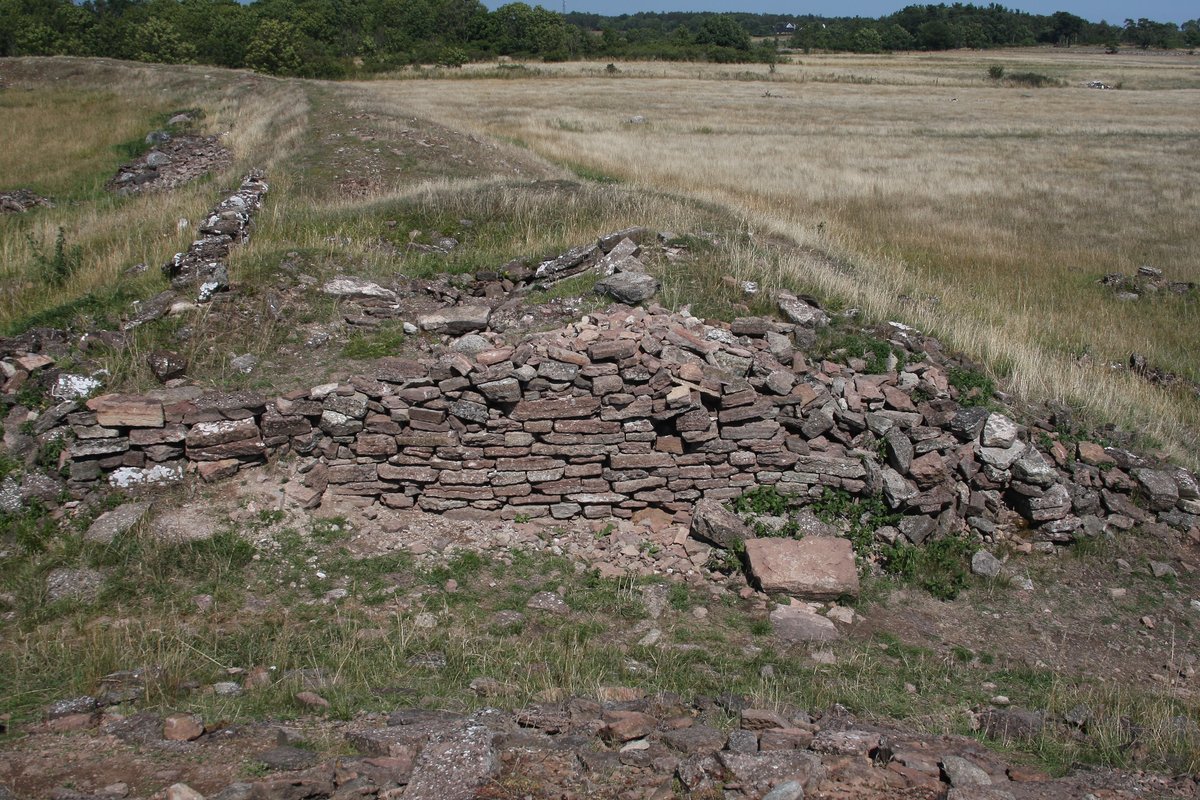
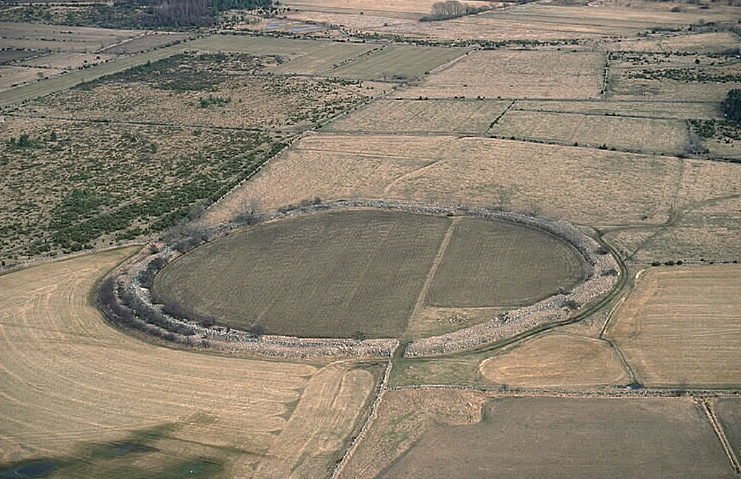
The massive stone walls of Gråborg rise four metres high, preserved by the strength of ancient mortar. This elliptical hillfort on Öland has its oldest parts dating from the 6th century and saw significant expansion reach its current scale by the 12th century.
Although the heavy ramparts imply a focus on defense, the interior was probably utilized as a protected marketplace during the Middle Ages. This area measures approximately 210 by 160 metres and was a central point in ancient times. Centuries of agricultural use have since destroyed visible traces of house foundations with the plough, hiding the original structures from view.
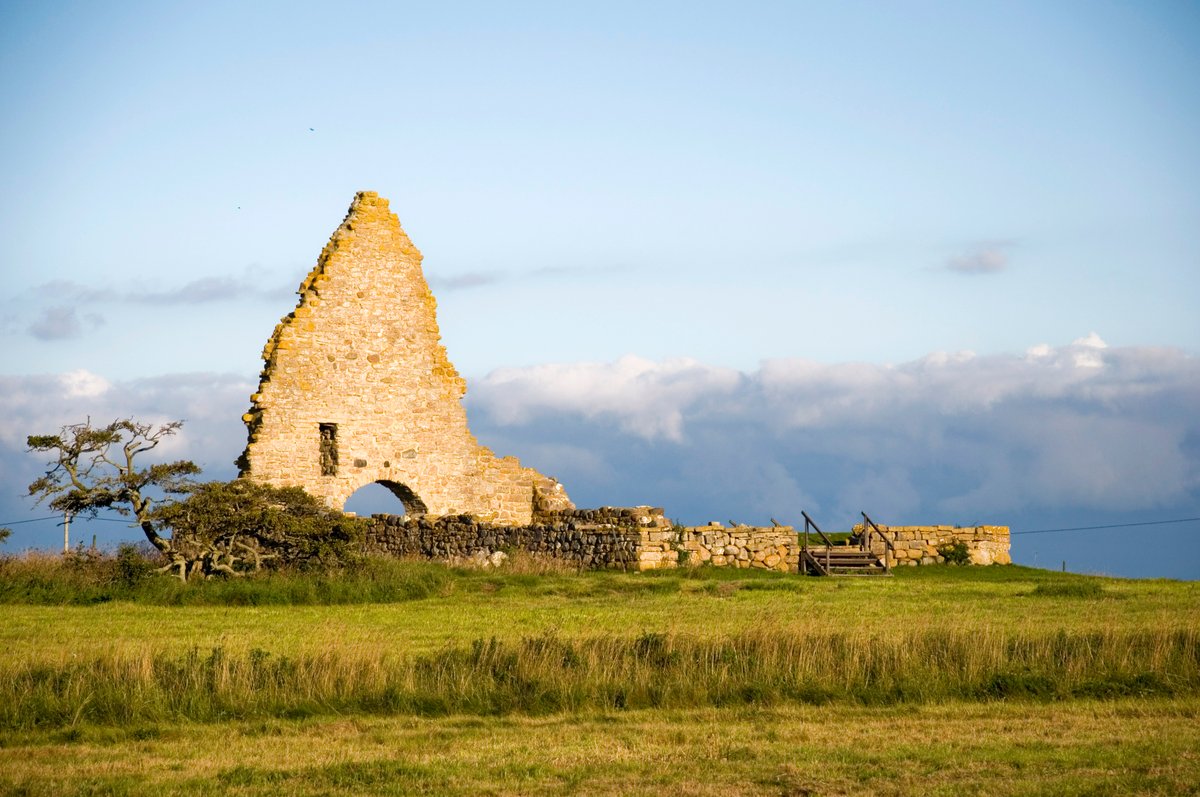
Three distinct openings remain within the structure, including a tower built during the Middle Ages. Nearby, the ruins of St. Knut's Chapel provide another historical layer. That chapel was constructed in the 12th century and left vacant in the 16th century, even though its 1475 altarpiece is preserved in a nearby church today.
Modern explorers will find a peaceful grassy field that guards its true narrative underground. While the physical site remains a quiet monument to community and trade, the archaeological treasures are now kept at the Kalmar County Museum. There is still much to discover about what lies beneath the surface.
Sources: Wikipedia, OpenStreetMap, Wikidata, Wikimedia Commons
Written by Nik Frost
Discuss this with the author and others
No comments yet. Be the first to start the conversation.