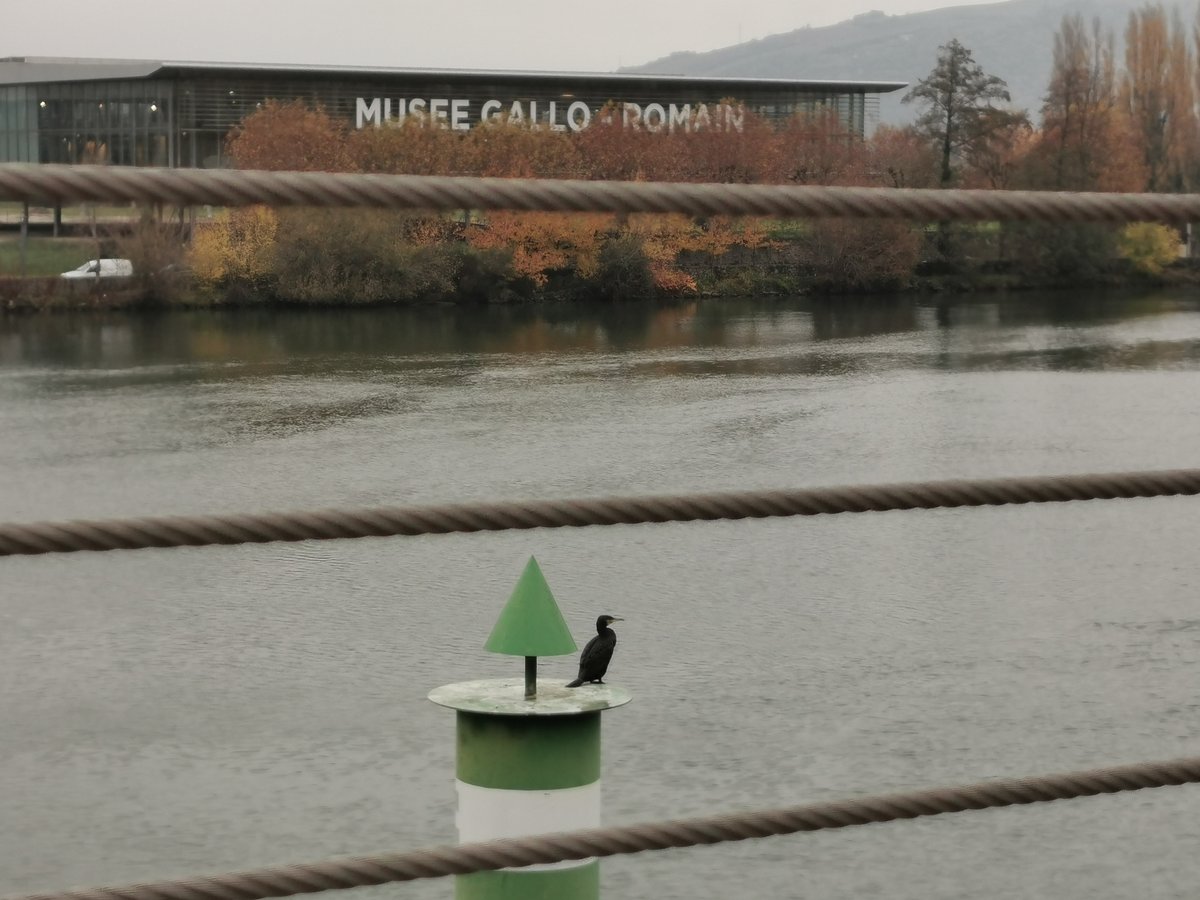

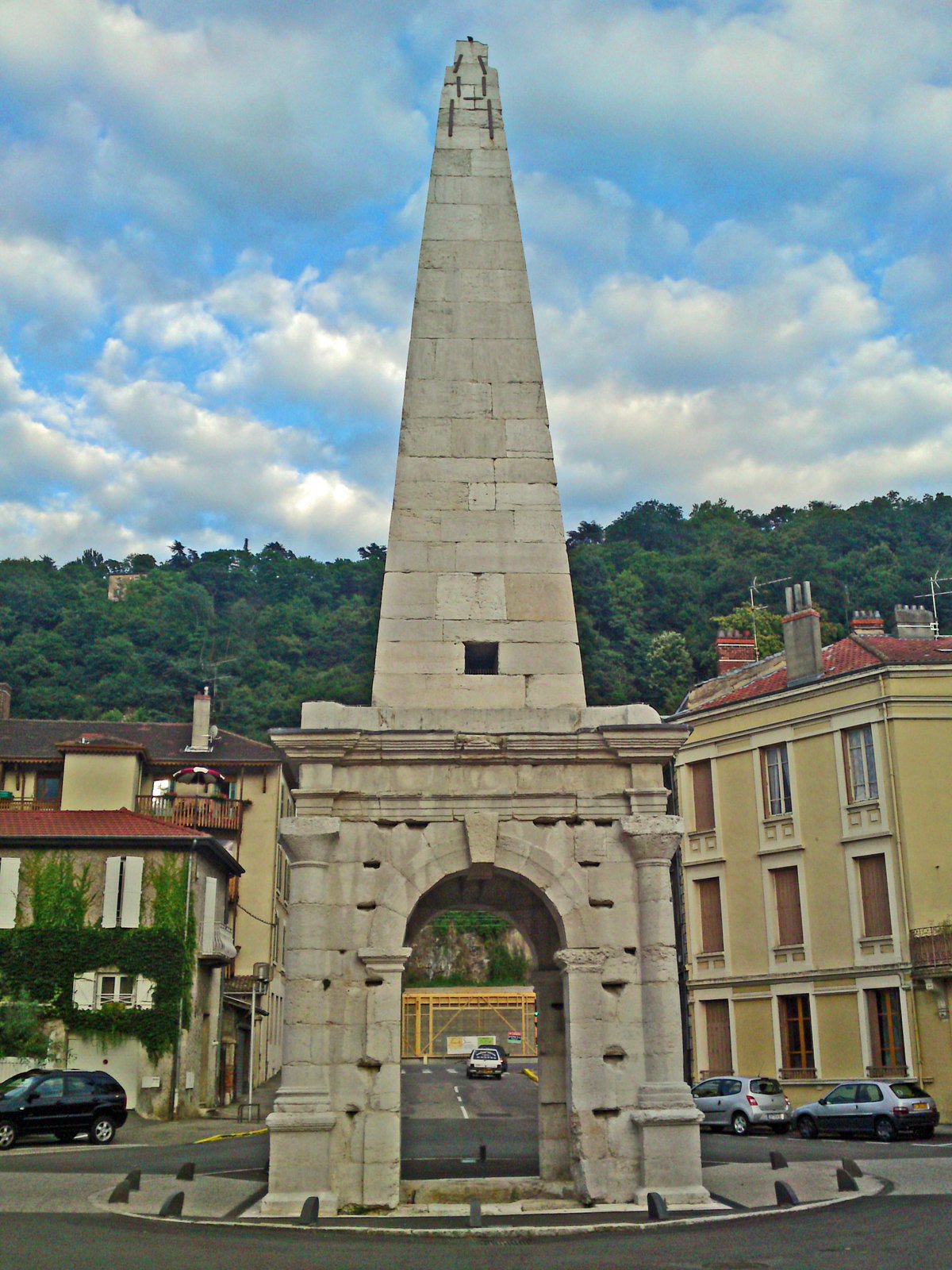
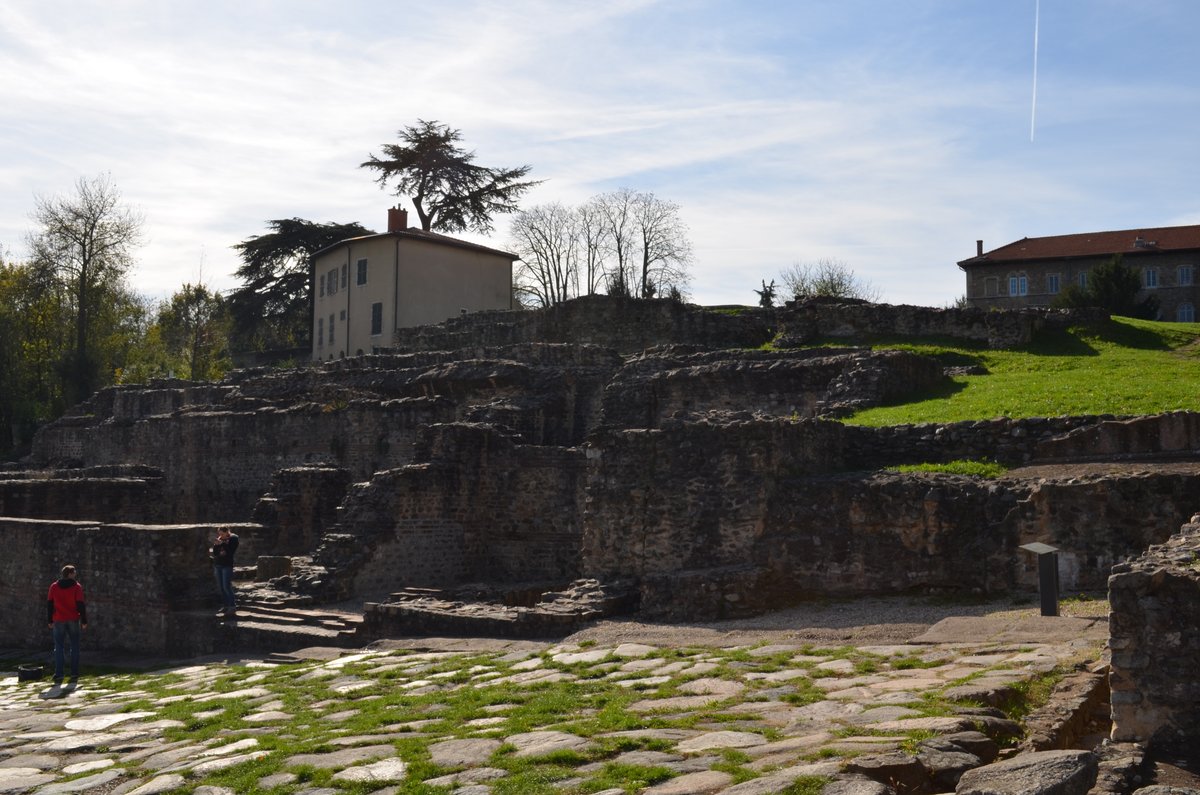
In 1967, the construction of a high school on the right bank of the Rhône led to the discovery of a vast artisanal and residential district from the ancient city of Vienna. The site was occupied starting in the late 1st century BC, featuring large peristyle houses, urban domus, warehouses, shops, and craft workshops. The archaeological site is now home to the musée archéologique de Saint-Romain-en-Gal, which features a glass exhibition building offering a view of these ruins.
The museum showcases the history of the surrounding area, including objects, mosaics, and models of the port, businesses, and various domus. While a 60 million euro renovation project was announced by the Rhône department in 2024, it was cancelled due to budget constraints. The project was replaced by a plan to redevelop exterior spaces and continue archaeological excavations.
Significant vestiges on the site include the Thermes des Lutteurs. During the summer of 2025, excavations uncovered the remains of an imposing circular mausoleum dating to around 50 AD, built on the model of the Mausoleum of Augustus in Rome. With an interior diameter of 15 meters and an original estimated height of 6 meters, it is un des mausolées les plus imposants et les mieux conservés retrouvé en Gaule. Its owner, likely a member of the aristocratic elite with political or imperial connections, remains unknown, though it may belong to Valerius Asiaticus, a wealthy local who became a senator and consul.
Sources: Wikipedia, OpenStreetMap, Wikidata, Wikimedia Commons
Written by Nicolo Ciampini
Discuss this with the author and others
No comments yet. Be the first to start the conversation.