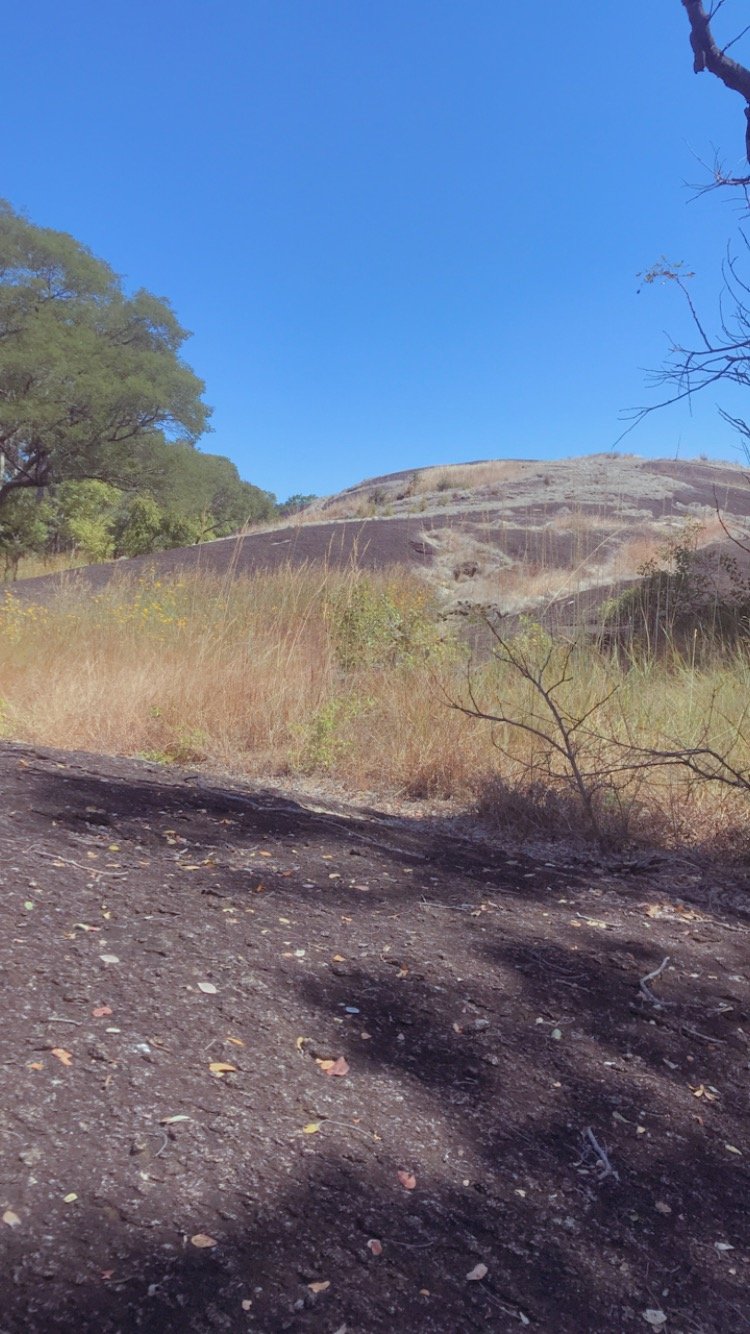

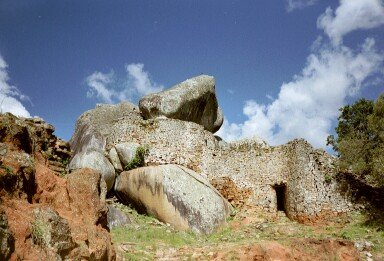
A solitary kopje rises from the dust by the Mulungushi River, a place where the air once grew heavy with the fever of many voices. It is a site of political history, a location used for major rallies and the foundational speeches of a new nation.
In 1960, nationalists chose this isolated site for the first conference of the United National Independence Party because it would not draw the attention of the North Rhodesian authorities. More than 2,000 people gathered on the land, sleeping in temporary shelters and drinking from the river water. While the organizers were not allowed to cut down trees or gather wood for fires, they successfully used the site to resolve to take any course of action to indicate their seriousness about independence. They resolved to seek a constitution that allowed for one man, one vote.
After Zambia achieved independence in 1964, the hill transformed into a place where decisions were handed down with quasi-divine authority as from an oracle. It became the venue for the Mulungushi Reforms of 1968 and a major land policy reform in 1975. The Rock of Authority served as a national symbol, a venue for many other political parties and labour groups, and a site for national speeches.
Now, the silence of the rock is shared by the young who study and the graduates who pass by. Though a nearby university holds large groups in a commercial centre for indoors, the rock remains a mute witness to the meetings that shaped the country.
Sources: Wikipedia, OpenStreetMap, Wikidata, Wikimedia Commons
Written by Mutabor
Discuss this with the author and others
No comments yet. Be the first to start the conversation.