
Located in the south-eastern hills of modern Zimbabwe near Masvingo, Great Zimbabwe was the capital of the Kingdom of Great Zimbabwe starting in the 13th century. It is the largest pre-colonial stone structure in Southern Africa, spanning an area of 7.22 square kilometres. While earlier estimates suggested a peak population of 20,000, a recent study using archaeological and historical evidence suggests the site's population likely never exceeded 10,000. Construction on the city began in the 11th century and continued until the 15th century, with the city being abandoned in the 16th or 17th century.
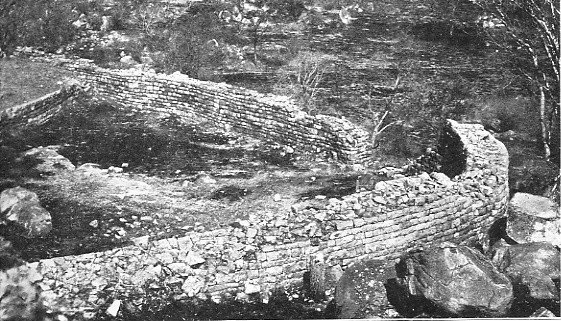
The site is composed of three distinct architectural groups: the Hill Complex, the Valley Complex, and the Great Enclosure. The Hill Complex is the oldest, occupied from the 11th to 13th centuries. The Great Enclosure, featuring 11 m high dry stone walls built without mortar, was occupied from the 13th to 15th centuries and likely served as a royal residence. The Valley Complex was occupied from the 14th to 16th centuries. While scholars disagree on the exact functions of these complexes, some believe they served as residences for royals and elites.
Great Zimbabwe covered a similar area to medieval London. The stone ruins are built entirely of stone and include notable features like the Conical Tower and the Eastern Enclosure. Artifacts found at the site include eight soapstone Zimbabwe Birds, which represent the bateleur eagle - a protective spirit and messenger of God in Shona culture. Other finds include pottery, gold beads, and glass beads from China and Persia, reflecting the international trade linkages of the kingdom.
Sources: Wikipedia, OpenStreetMap, Wikidata, Wikimedia Commons



Written by Mutabor
Discuss this with the author and others
No comments yet. Be the first to start the conversation.