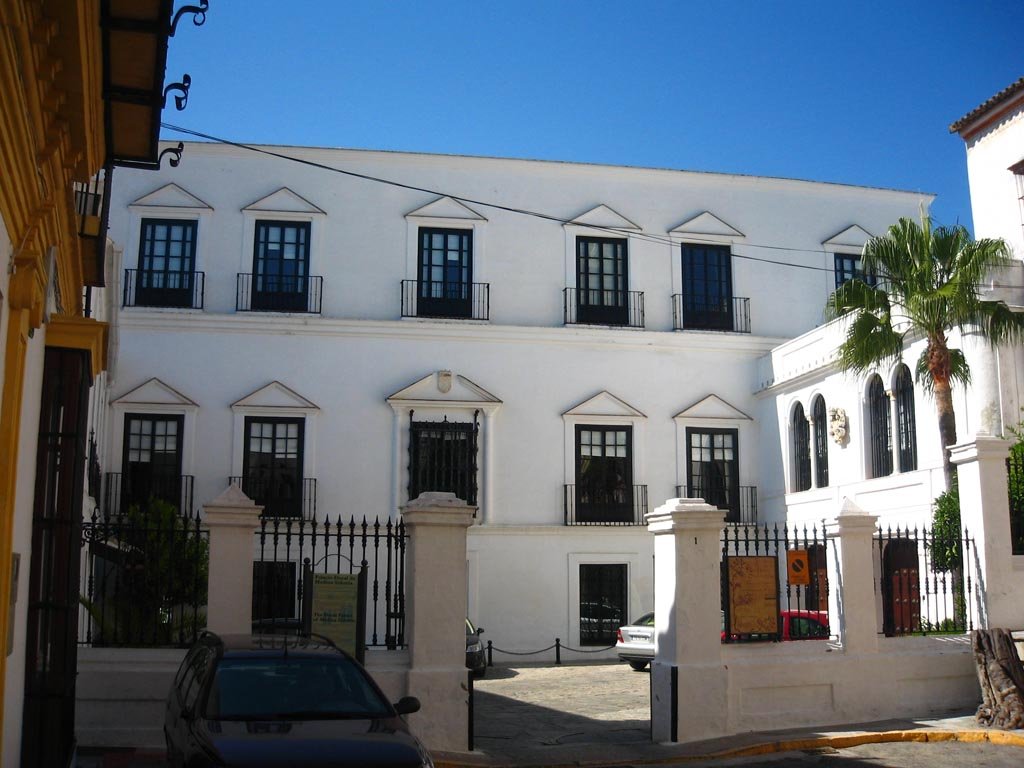

The Medina Sidonia Ducal Palace, a historic building classified as Monumento Histórico-Artístico, is based in Sanlúcar de Barrameda, Spain. Constructed in the 16th century, the palace is a testament to six centuries of history and now serves as the seat of the Fundación Casa Medina Sidonia. Among its many historical features, a preserved Almohad arch, believed to have been built in the 12th century, can still be seen.
A Gothic arch from the middle or second half of the 12th century, this remains a rare example of the Islamic architecture that was once prevalent in the region. At the palace's heart lies the old palatine chapel of the Medina Sidonia, which was built in 1493, and its design has been attributed to Alonso de Vandelvira, Juan de Oviedo, and Domenico Fontana, renowned architects of their time. The gardens, surrounded by medieval walls, were designed by Giovanni Pannini, an Italian architect and painter who combined classical and Baroque elements with Arabic influences.
The palace boasts over 4,500 square meters of building space and houses an impressive collection of artworks belonging to the ducal family. Among the highlights are works from the Spanish school of the 17th century, including Pantoja de la Cruz, Murillo, Zurbarán, Juan de Roelas, as well as pieces by Goya, Flemish tapestries, and furnishings from the 16th to 20th centuries. The Archive of the House is particularly noteworthy, as it is considered one of the most important private archives in Europe.
A guest house and café are located within the palace, and part of the gardens are open to the public for free. Guided tours of the palace are available for a fee, with a group of volunteers serving as guides. The Fundación Casa de Medina Sidonia, founded by Duchess of Medina Sidonia Luisa Isabel Álvarez de Toledo in 1990, is tasked with the preservation and dissemination of the donated heritage.
Sources: Wikipedia, OpenStreetMap, Wikidata, Wikimedia Commons
Written by Nicolo Ciampini
Discuss this with the author and others
No comments yet. Be the first to start the conversation.