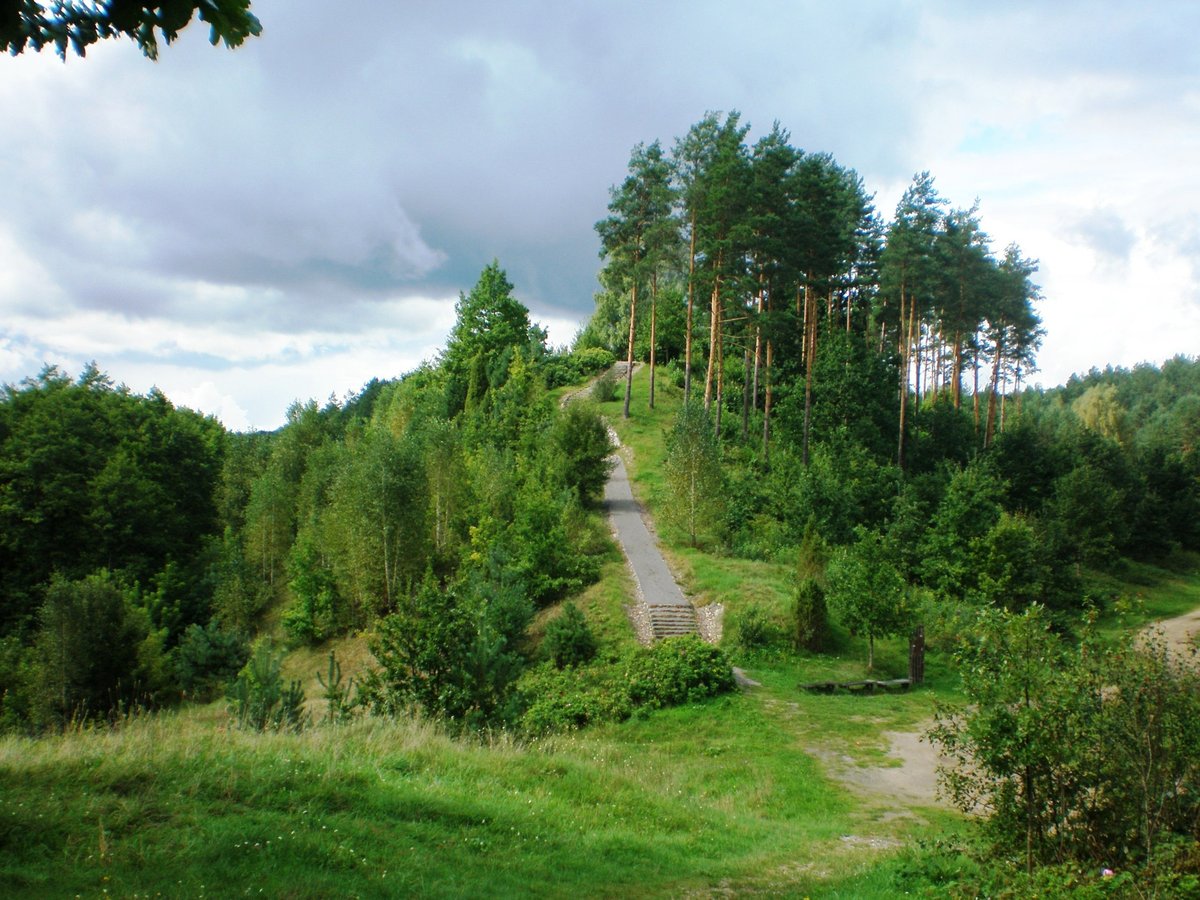

In the late 1400s or early 1500s, work began on a masonry castle on the site of an ancient hill fort. Builders made significant progress on a southwest tower, but the project lost its purpose after the Battle of Žalgiris. The builders left behind a masonry wall that remains about 2.5 - 3 metres high today, along with the foundations of a northern-western tower and defensive walls.
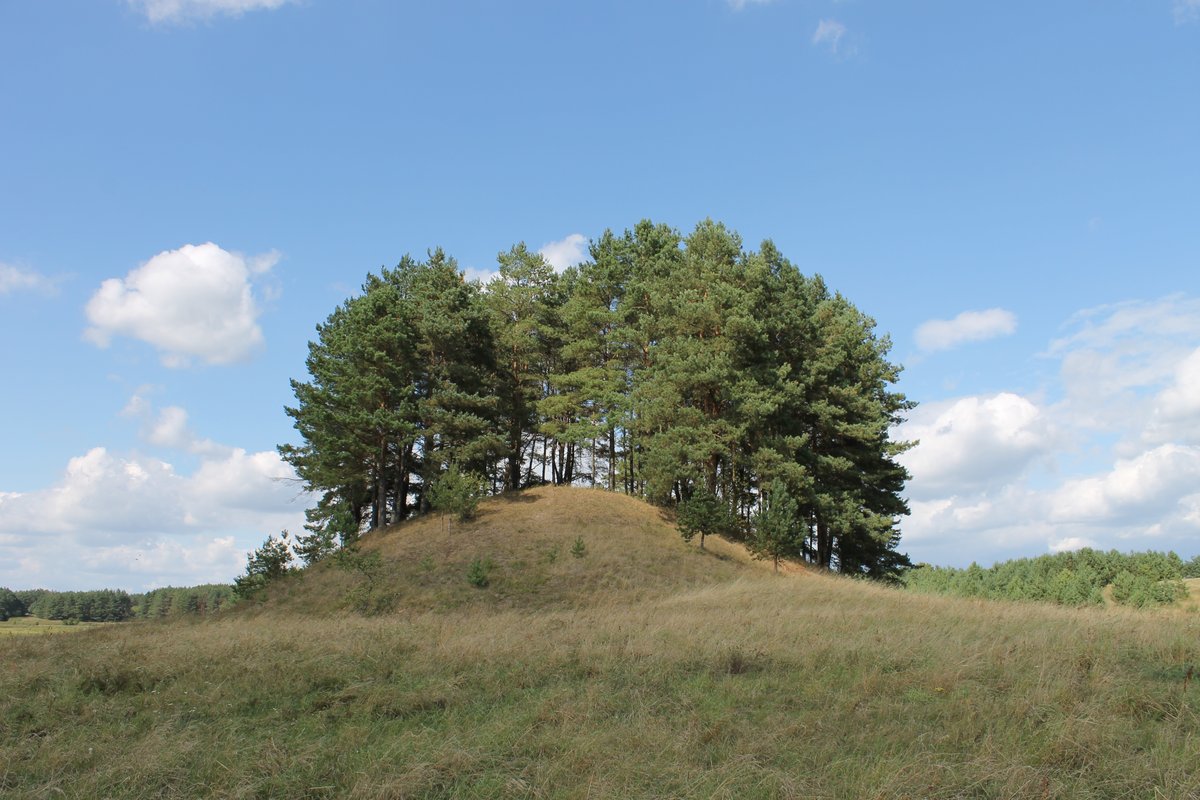
Before the masonry began, this site was a hill fort used from the 3rd century BCE until the 9th century CE. Archaeological excavations have uncovered pottery with various surface finishes, stone floor remains, animal bones, and stone and metal tools and jewelry. A settlement also existed on the northeast and eastern slopes of the site.
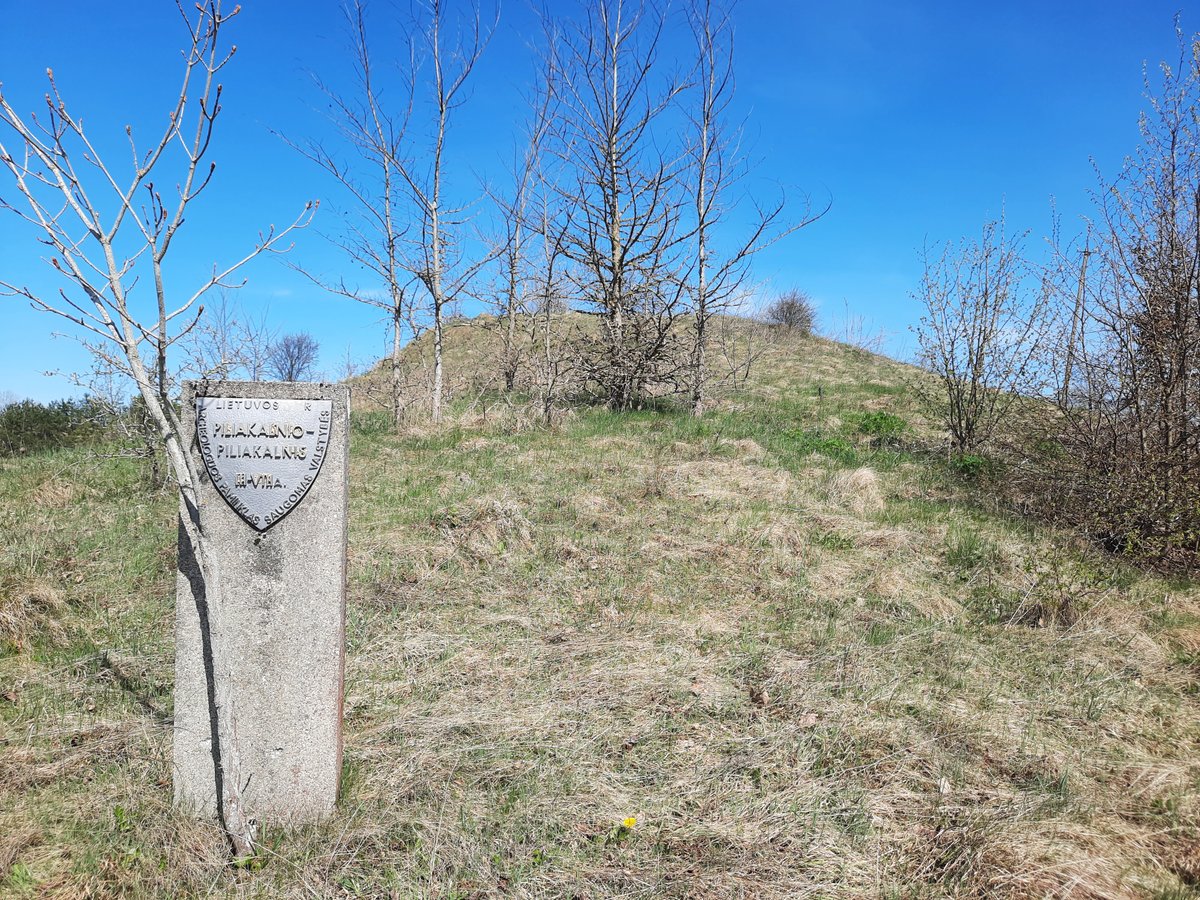
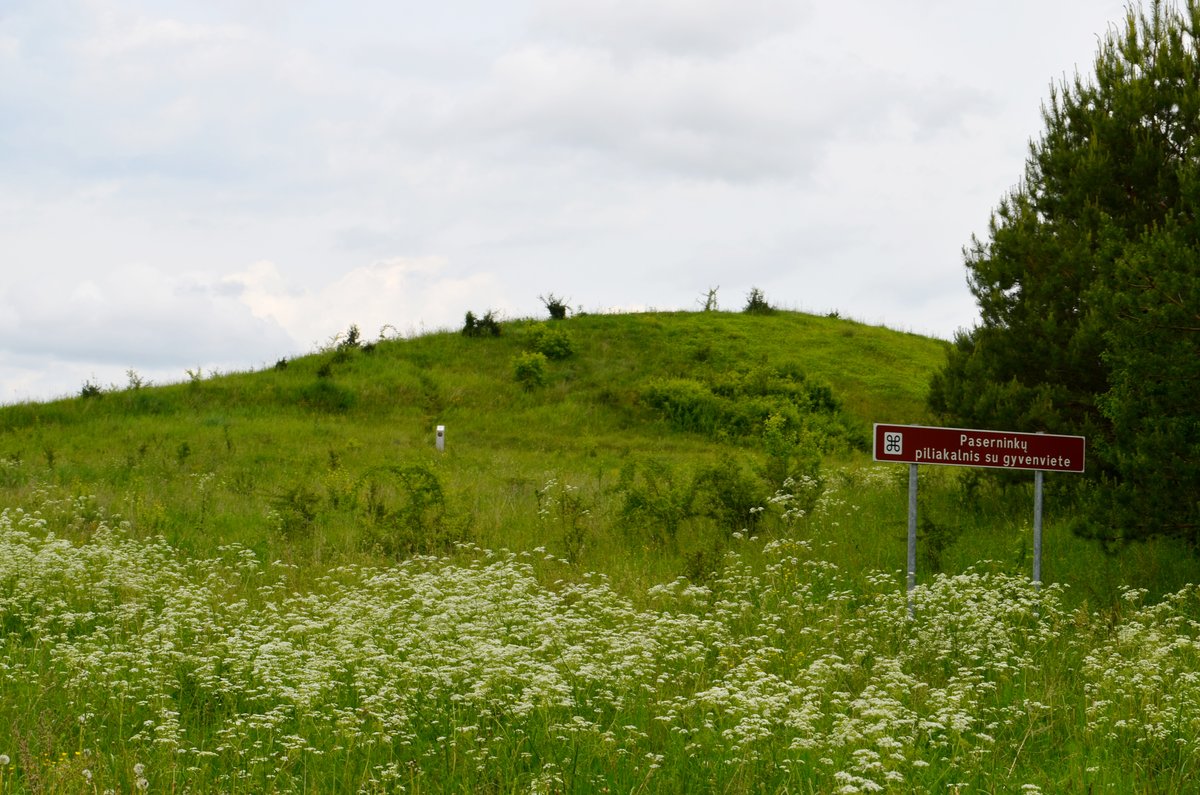
Today, the site remains a protected cultural monument covering 50,000 square metres. Visitors can see the long courtyard measuring 100 by 50 metres, where the remains of the castle towers still linger. The fort is situated on a steep hill by the river, featuring a surrounding ditch about 17 metres deep on the western side.
Sources: Wikipedia, OpenStreetMap, Wikidata, Wikimedia Commons
Written by Nicolo Ciampini
Discuss this with the author and others
No comments yet. Be the first to start the conversation.