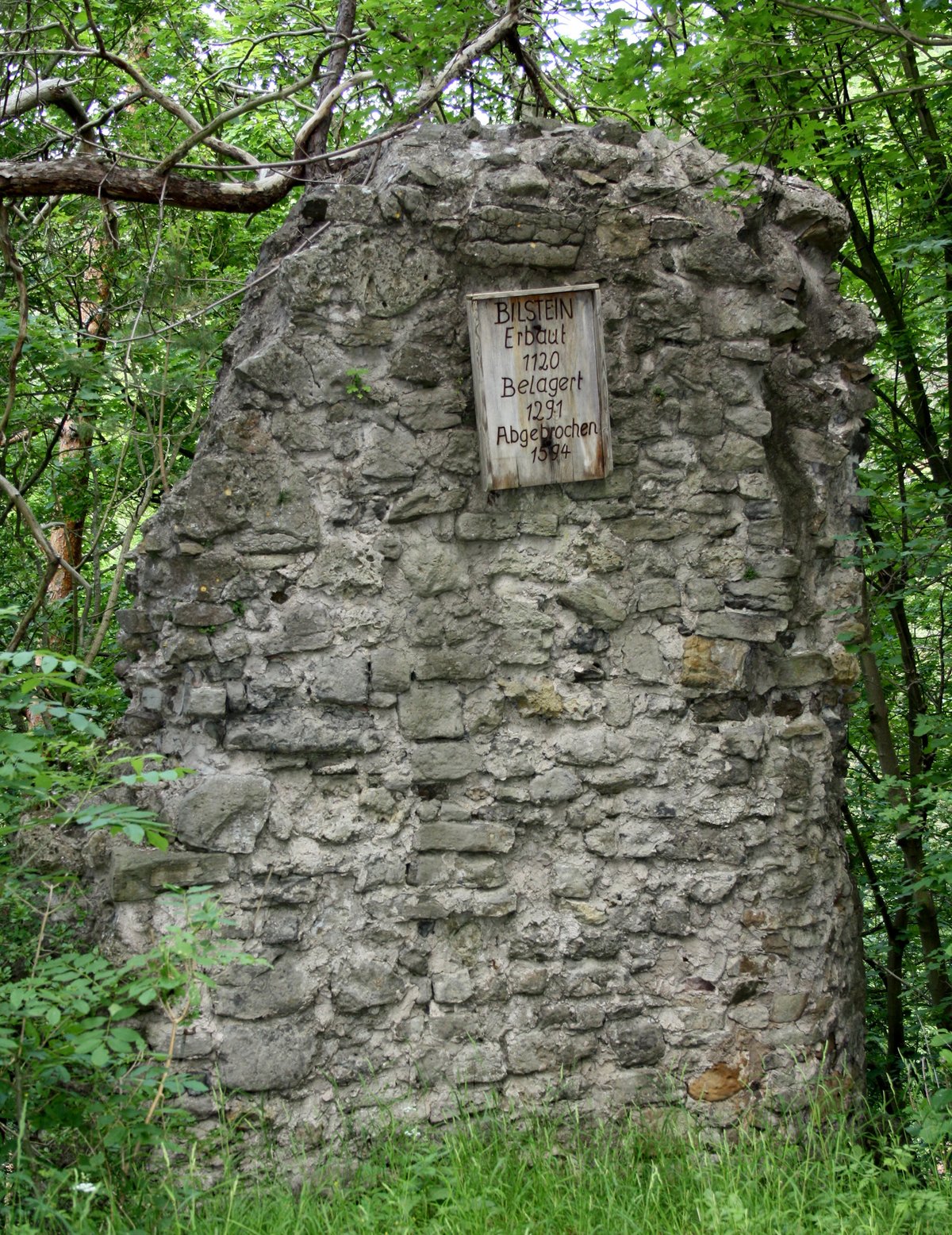
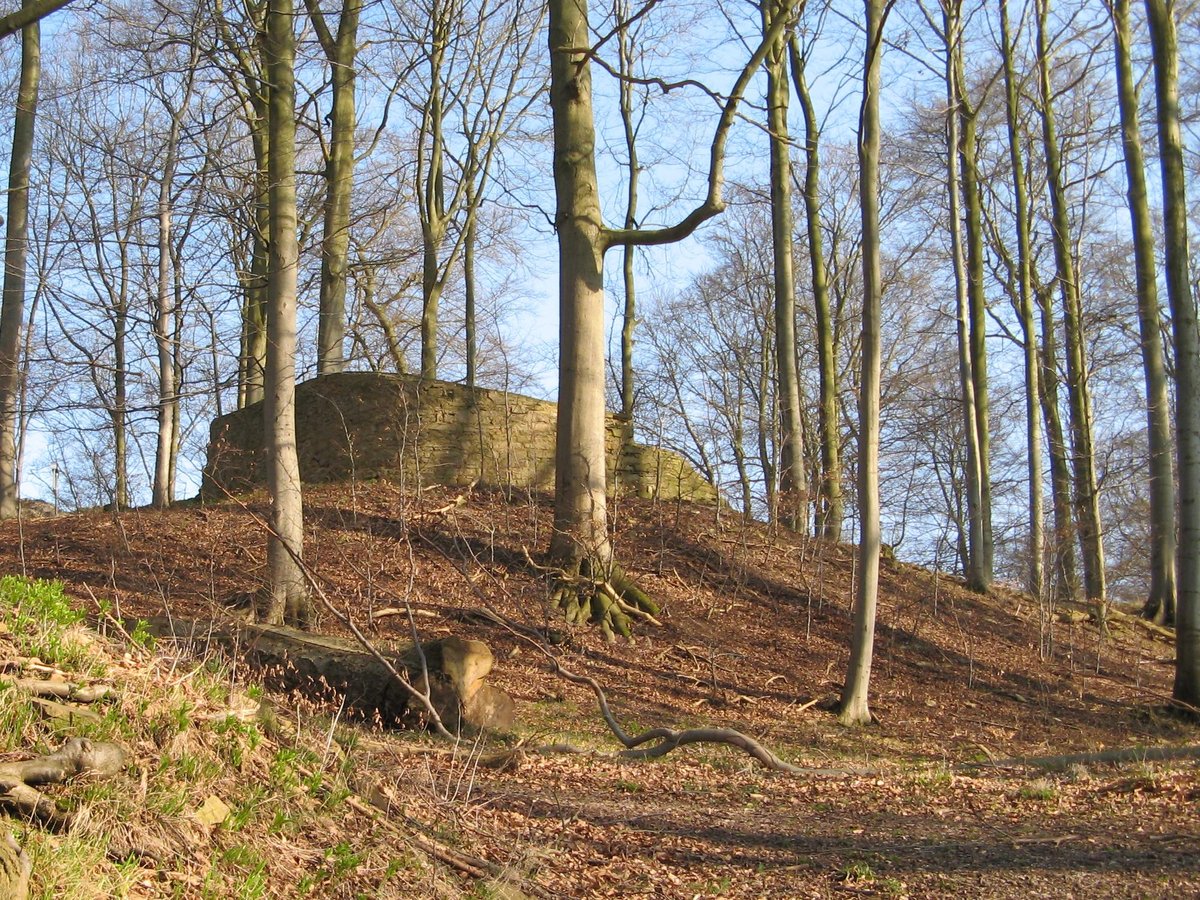
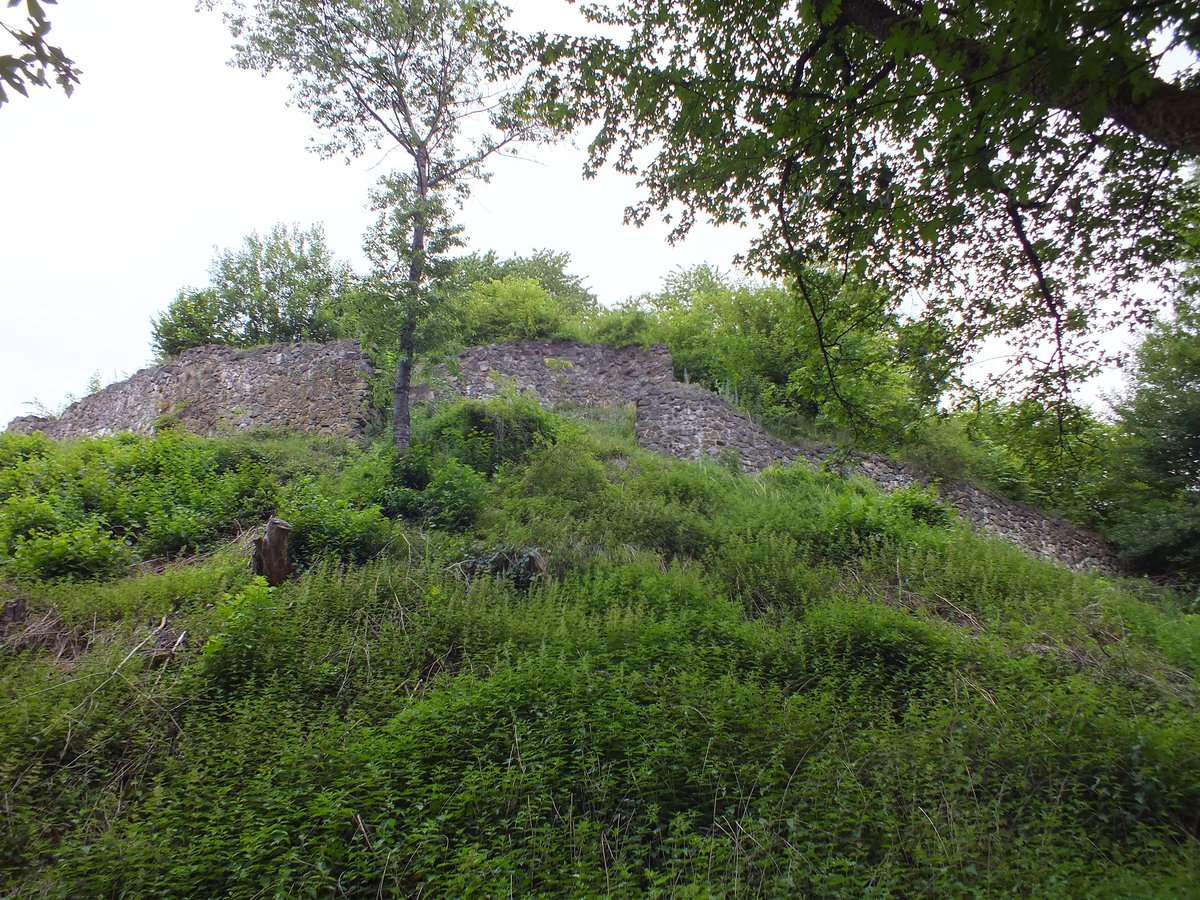
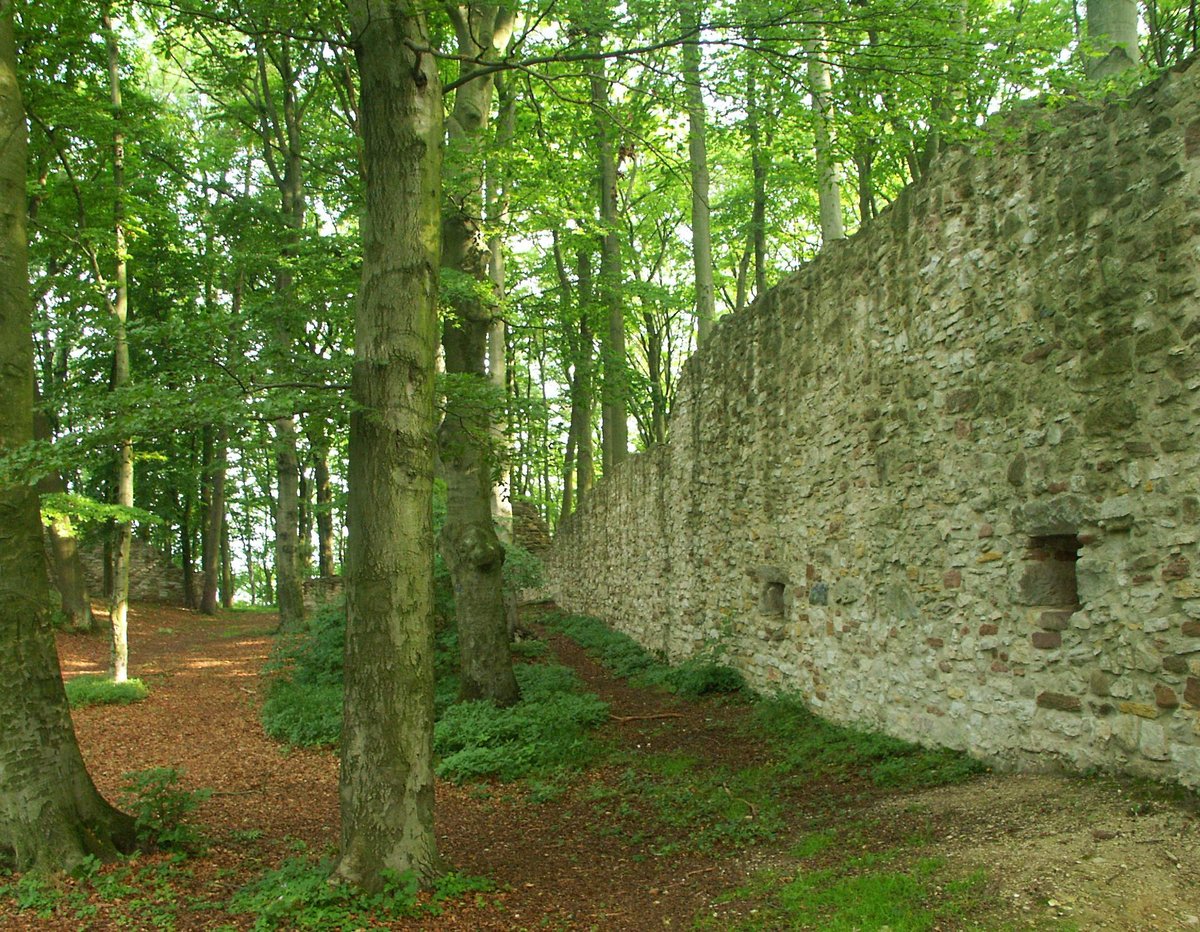
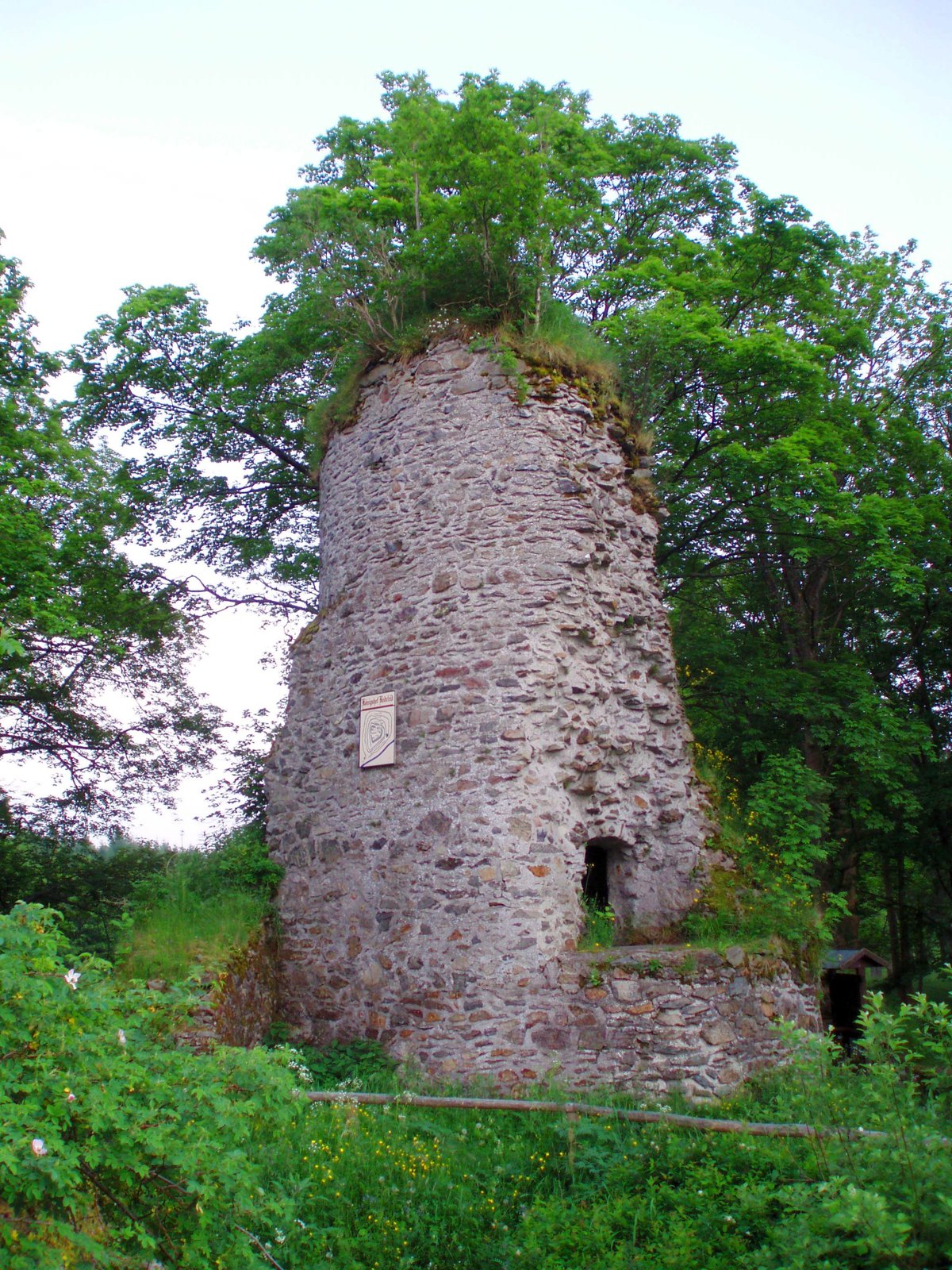
The Berka valley is so narrow and steep at this location that it is called Höllental (Hell Valley). The Bilstein rises approximately 100 m above the valley of the Berka stream. The ruins consist of minor wall remains, traces of a cellar, and a well. Today, the site is a nature reserve featuring hornbeam, oak, and silver linden forests, but for centuries it served as the seat of an influential Thuringian countly family.
History here feels long and layered, stretching back to the second half of the 10th century. The ancestors of the family are documented as far back as Wigger I, who was Count of the German Mark in 974. The castle was built by the Counts of Bilstein, likely on the remains of an earlier destroyed structure. After another destruction around 1100, Graf Rugger II. rebuilt the castle in 1120 with a floor area of 40 by 25 metres. Around 1140/1145, the family began calling themselves 'Grafen von Bilstein', anchoring their identity to this specific location.
In 1283, the castle was held by Heinrich von Treffurt, who also used the name Heinrich von Bilstein. In 1291, Landgrave Albrecht of Thuringia besieged and captured the castle after accusing the Bilsteiners of highway robbery and breaches of the land peace. The castle was presumably significantly damaged during the 1291 siege. In 1301, the last Count of Bilstein, Otto II, sold the castle and all his property to Landgrave Heinrich I. of Hesse. Otto died in poverty in 1306, and the male line of the Counts of Bilstein died out that year.
For centuries, the castle remained a piece of administrative machinery. It was administered by Hessian castlemen or pledged to various noble families, such as the Lords of Treffurt from 1350 to 1372. A castleman named Dietrich was mentioned on the Bilstein in the 13th century, while Conrad von Bilstein is mentioned in 1317. The Lords of Hundelshausen and the Lords of Eschwege were recorded as officials at the castle until the 16th century. The castle fell into disrepair in the 16th century. Although repairs were made from 1559 to 1562, the castle was abandoned in 1594.
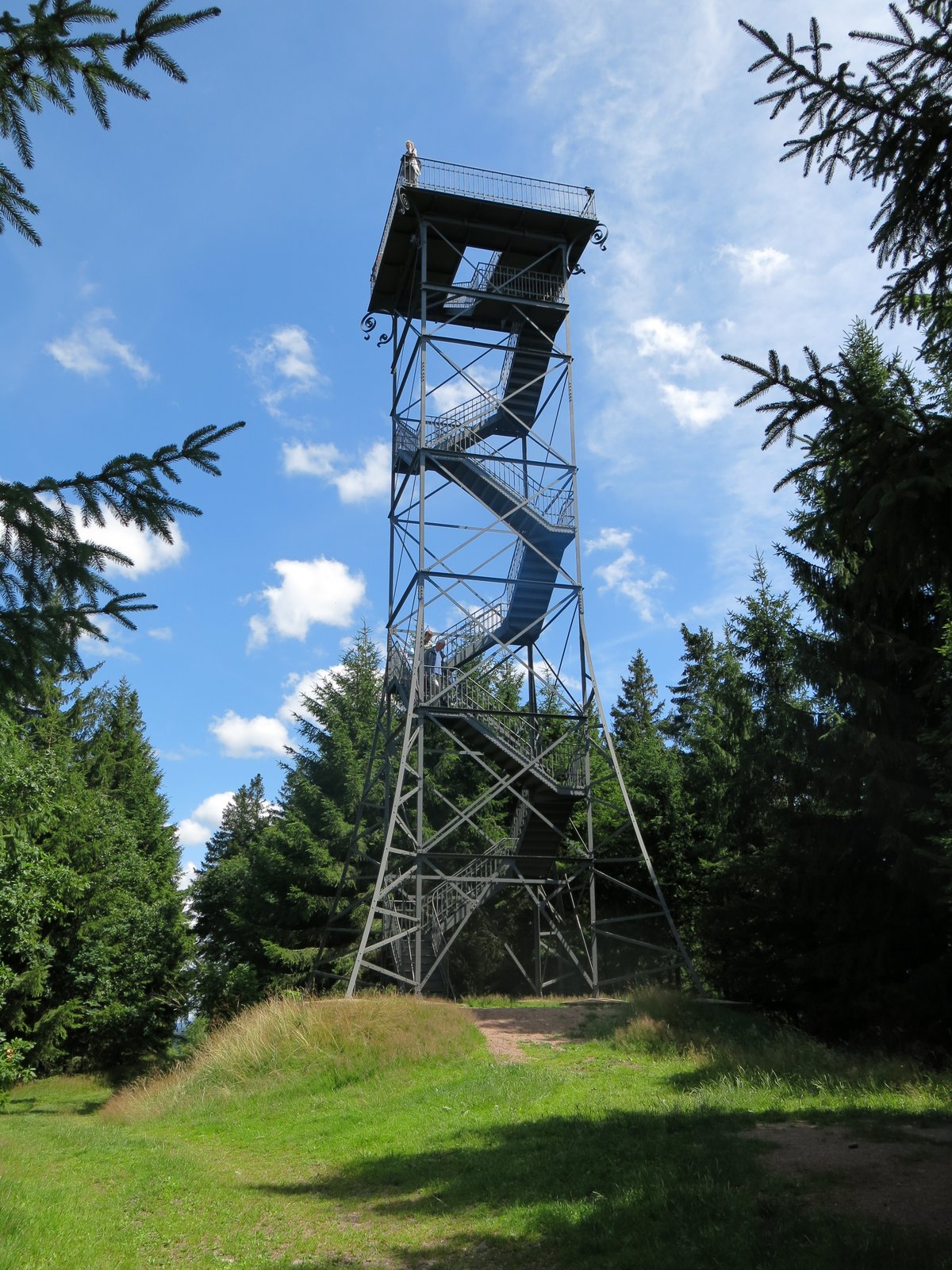
Now, only the ruins of minor wall remains, the traces of a cellar, and a well remain. From an observation platform, the perspective shifts. Look west and the Berka valley unfolds toward the Meißner; look east and the landscape opens toward the Werratal and the distant silhouette of Burg Fürstenstein. It is a place where the air feels older, caught between the memory of a siege and the silence of the trees.
Sources: Wikipedia, OpenStreetMap, Wikidata, Wikimedia Commons
Written by Aurora
Discuss this with the author and others
No comments yet. Be the first to start the conversation.