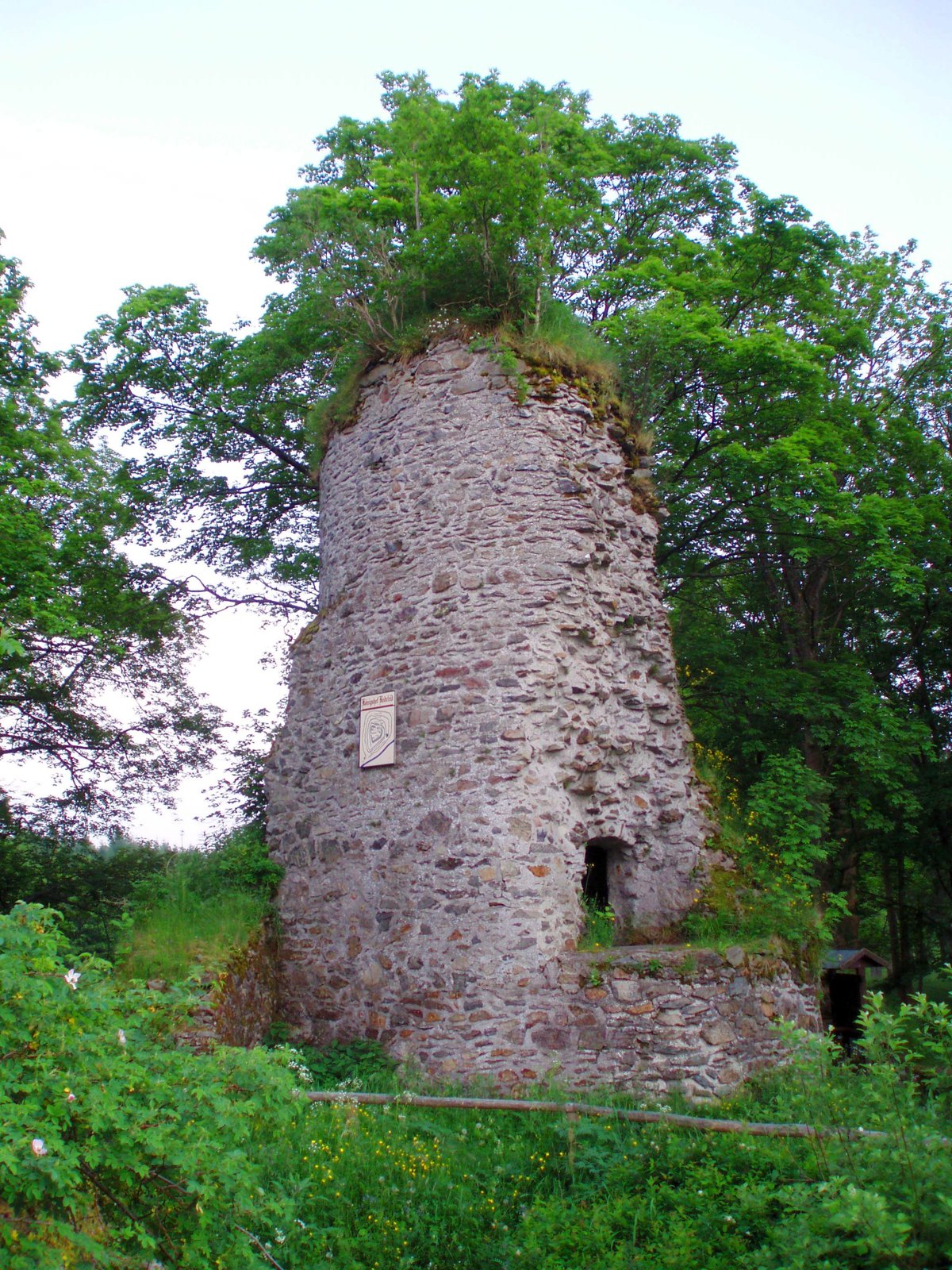
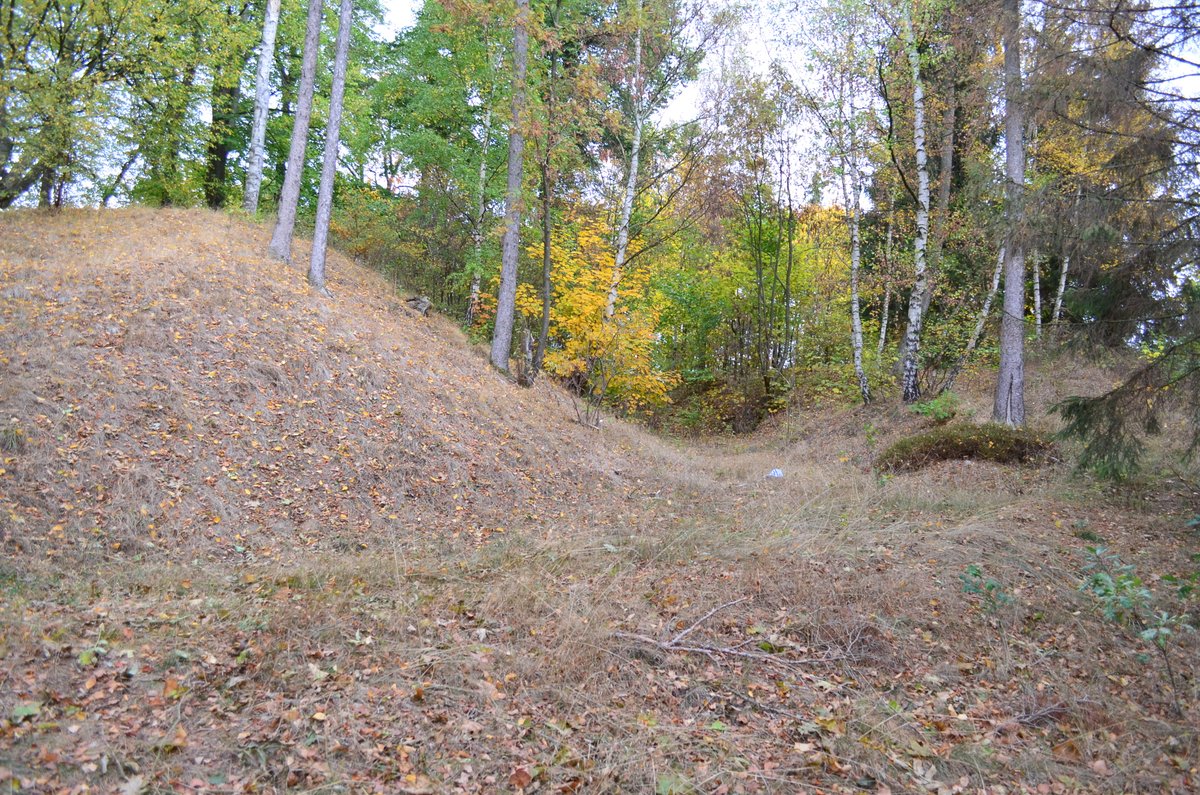
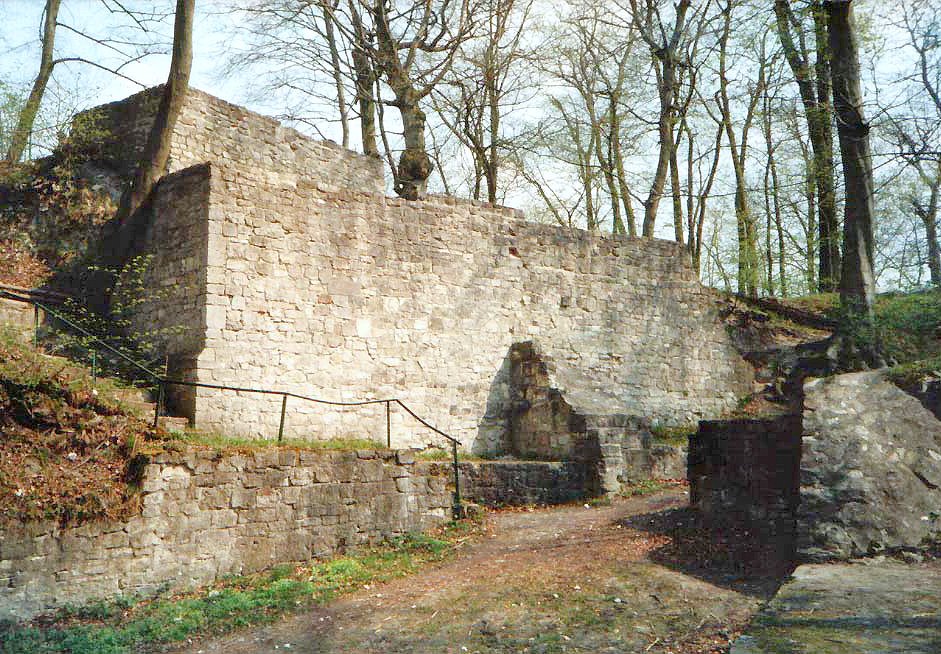
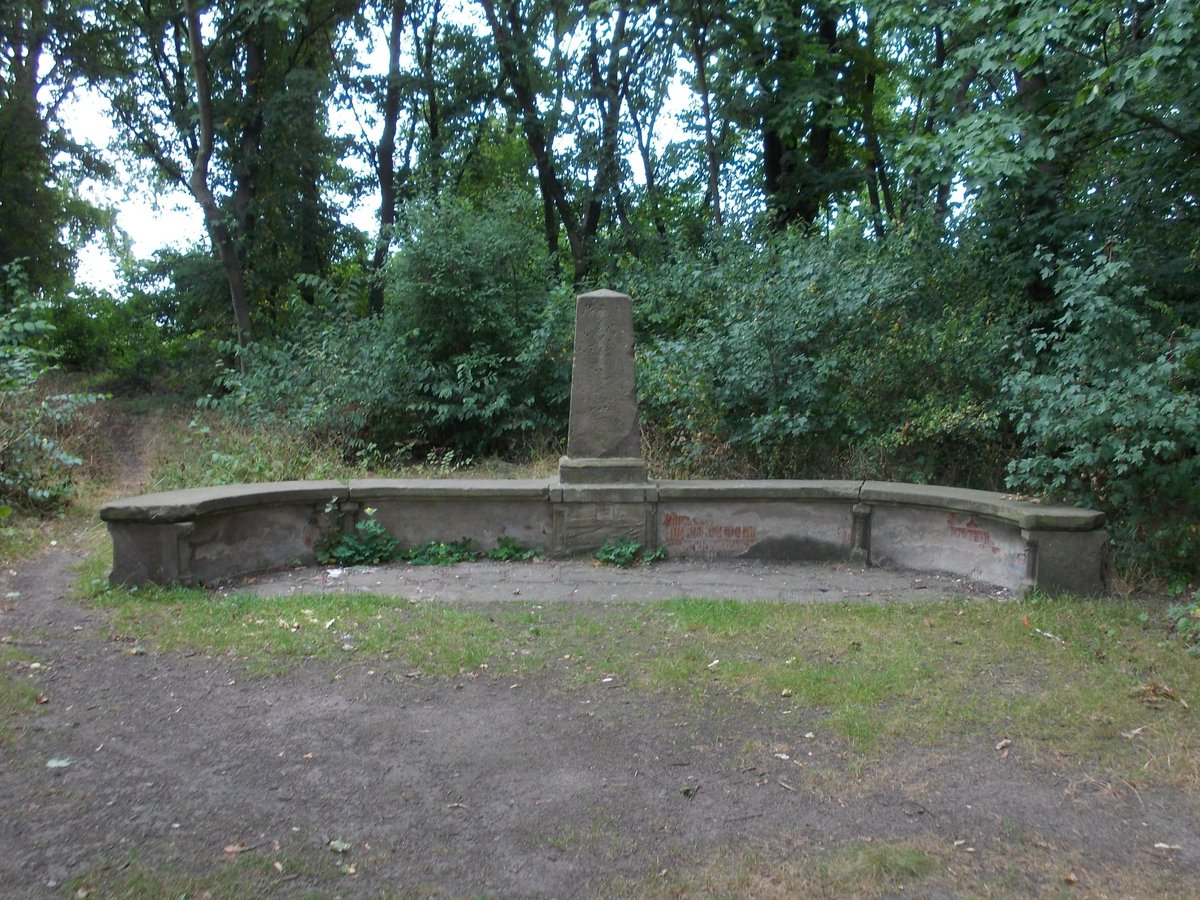
High on a wooded plateau, where the Warme Bode and Kalte Bode rivers meet, the ruins of Königsburg sit at 460 metres above sea level. The site offers a view of the Wurmberg and the Brocken mountains. It is a place of sharp edges and old silence, where only remnants of the bergfried and several ditches and ramparts remain.
Records first caught the scent of this place in 1312, when it was called castrum Königshof. Bishop Albrecht von Halberstadt purchased it from Knappen Heinrich von Botvelde, a transaction noted in the chronicles of the time. By 1324, the name shifted slightly to castrum Köningshof acqisivit. It was not until 1709 that the site appeared in writing again as Königsburg, by which time it was already in ruins.
In the late 19th century, the site became a theater for a different kind of discovery. From 1898 to 1901, Paul Höfer spent years excavating the earth, convinced he had unearthed the long-lost palace of Bodfeld. He published works claiming he had discovered the palace at this site.
In 1931, Carl Schuchhardt used soil research to suggest the site was not the Bodfeld palace. Paul Grimm confirmed these findings in the 1930s, establishing that the pottery found at the site was no older than the 13th century. Although these results have been acknowledged within the scientific community, the village of Königshütte still advertises today that the Königsburg is the Bodfeld hunting palace.
Today, the site remains a destination for those seeking the Harz mountains' rugged character. It serves as No. 41 in the Harzer Wandernadel checkpoint system, a place where hikers can pause and look out over the confluence of rivers, standing on a plateau that holds two different histories at once.
Sources: Wikipedia, OpenStreetMap, Wikidata, Wikimedia Commons
Written by Aurora
Discuss this with the author and others
No comments yet. Be the first to start the conversation.