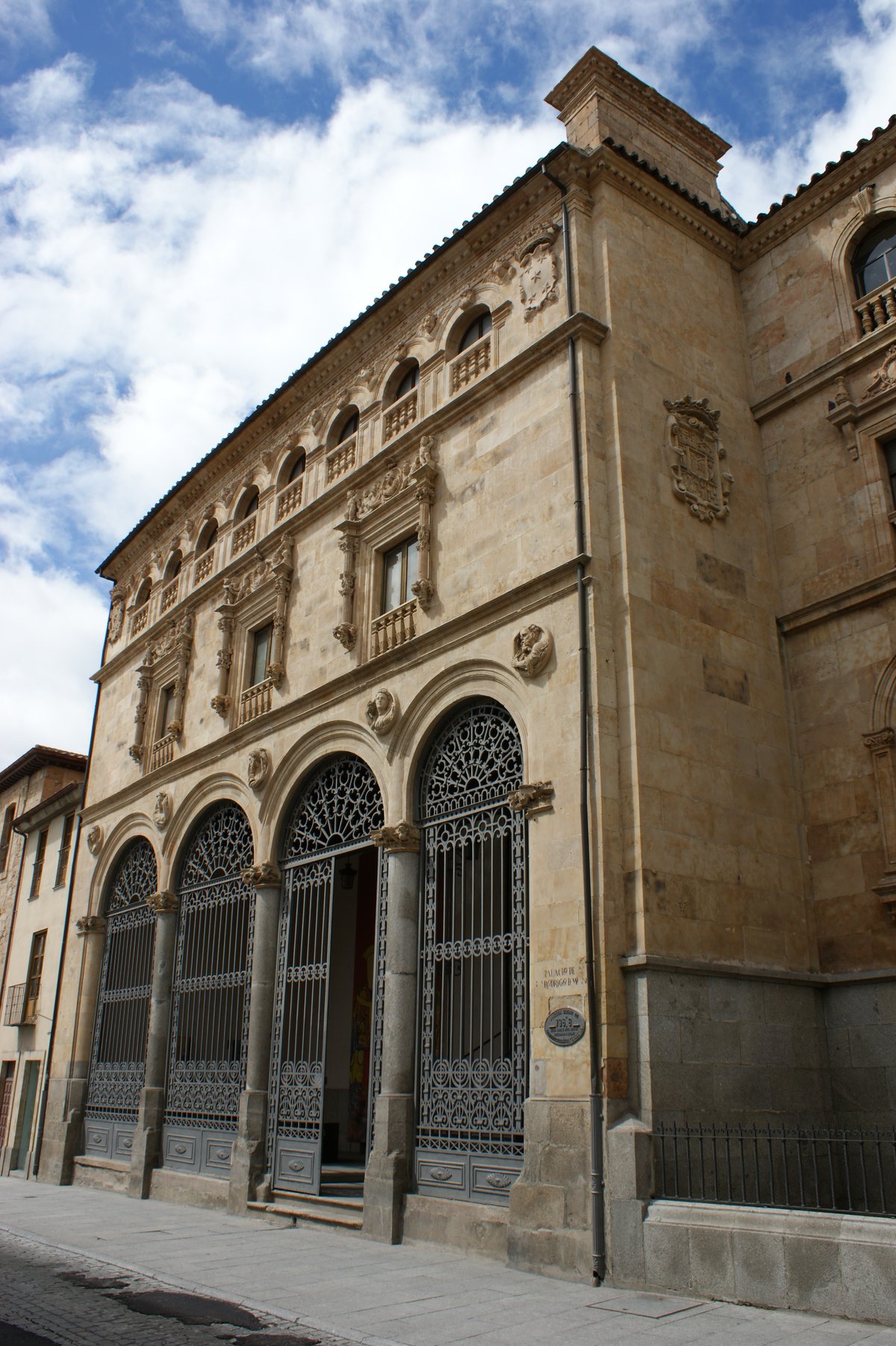

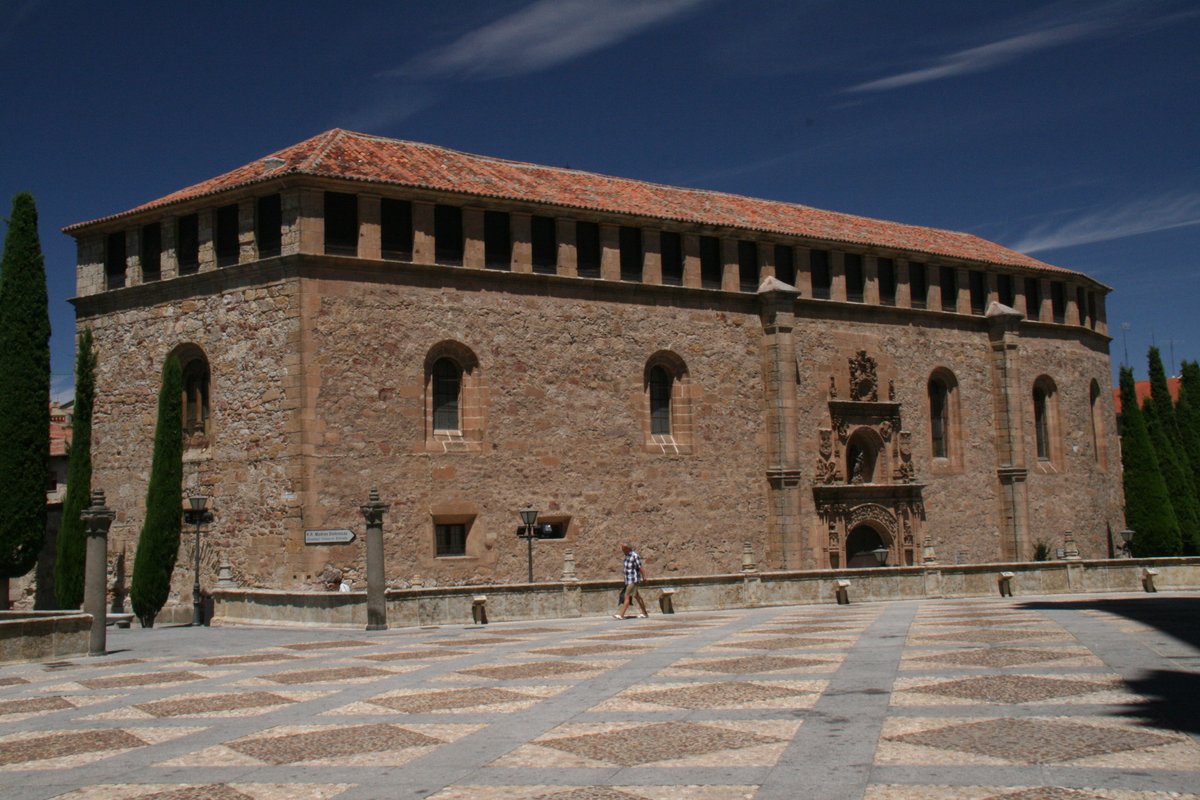
We must look past the surface of the Palacio de la Salina to understand its true significance. While its name might evoke romantic imagery, the 1538 construction by Rodrigo Gil de Hontañón serves as a primary example of Plateresque architecture built for commerce. This palace functioned as the official headquarters for a salt monopoly.
If we examine the physical layout, the building's public intent becomes clear. It does not hide away as a private home but opens directly onto Calle San Pablo. This design was a deliberate choice by Juan Alonso de Fonseca, the official holder of the salt concession until 1870. His goal was a functional space for the public, not a secret residence.
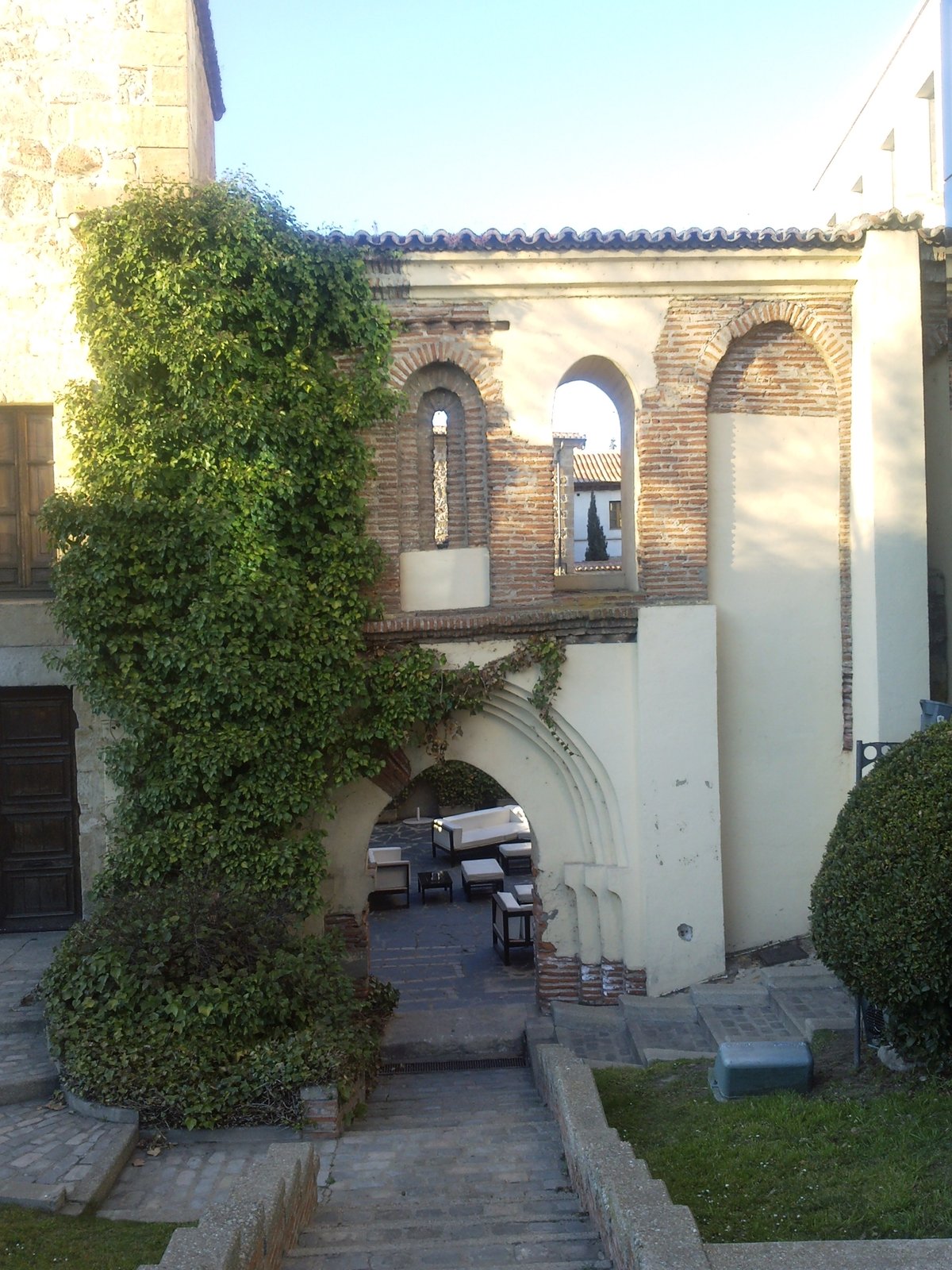
We can confidently set aside local myths regarding an archbishop's spiteful revenge. Historical records show the archbishop passed away four years before construction began. We see instead a monumental display of commercial authority. Today, the building remains a vital part of the city and has housed the Diputación Provincial since 1884. We invite you to observe how the original arches and capitals still endure within its walls.
Sources: Wikipedia, OpenStreetMap, Wikidata, Wikimedia Commons
Written by Nik Frost
Discuss this with the author and others
No comments yet. Be the first to start the conversation.