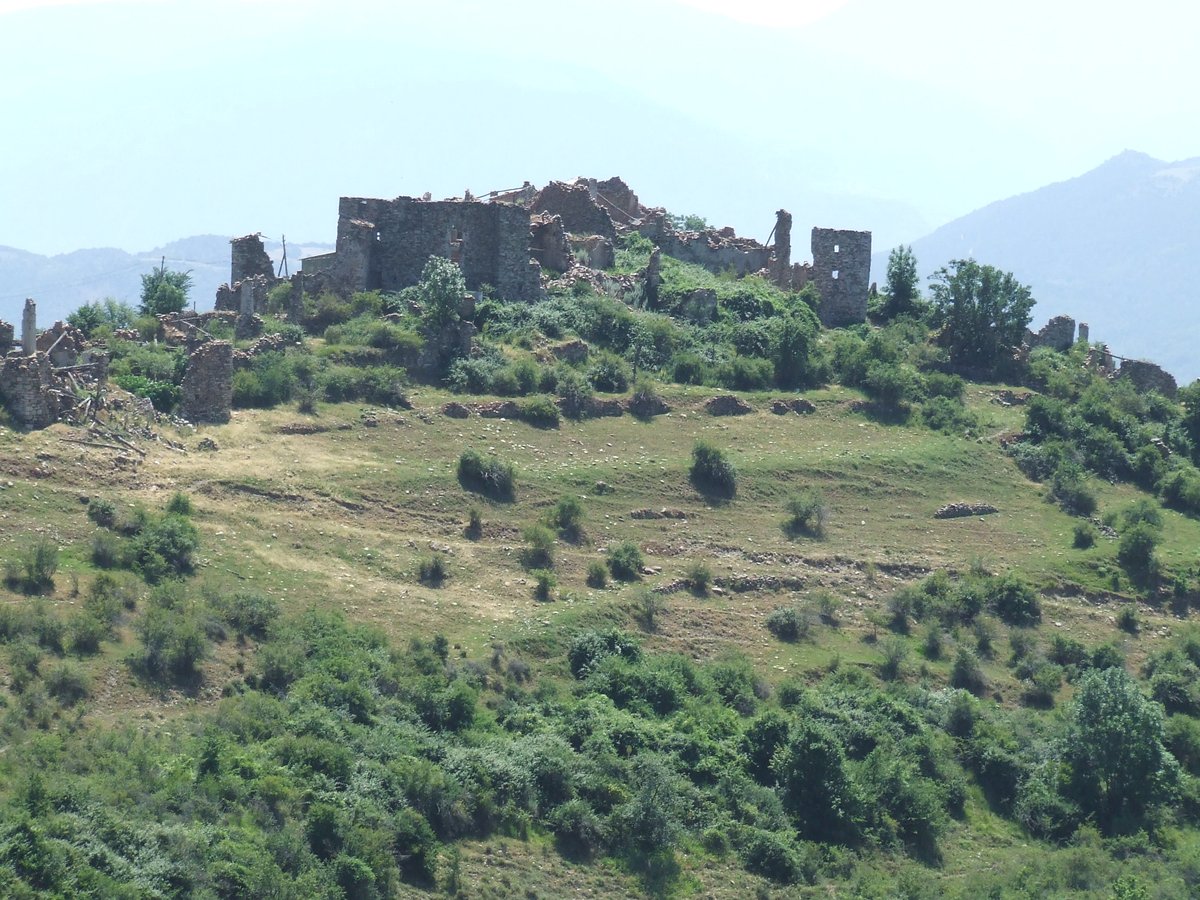

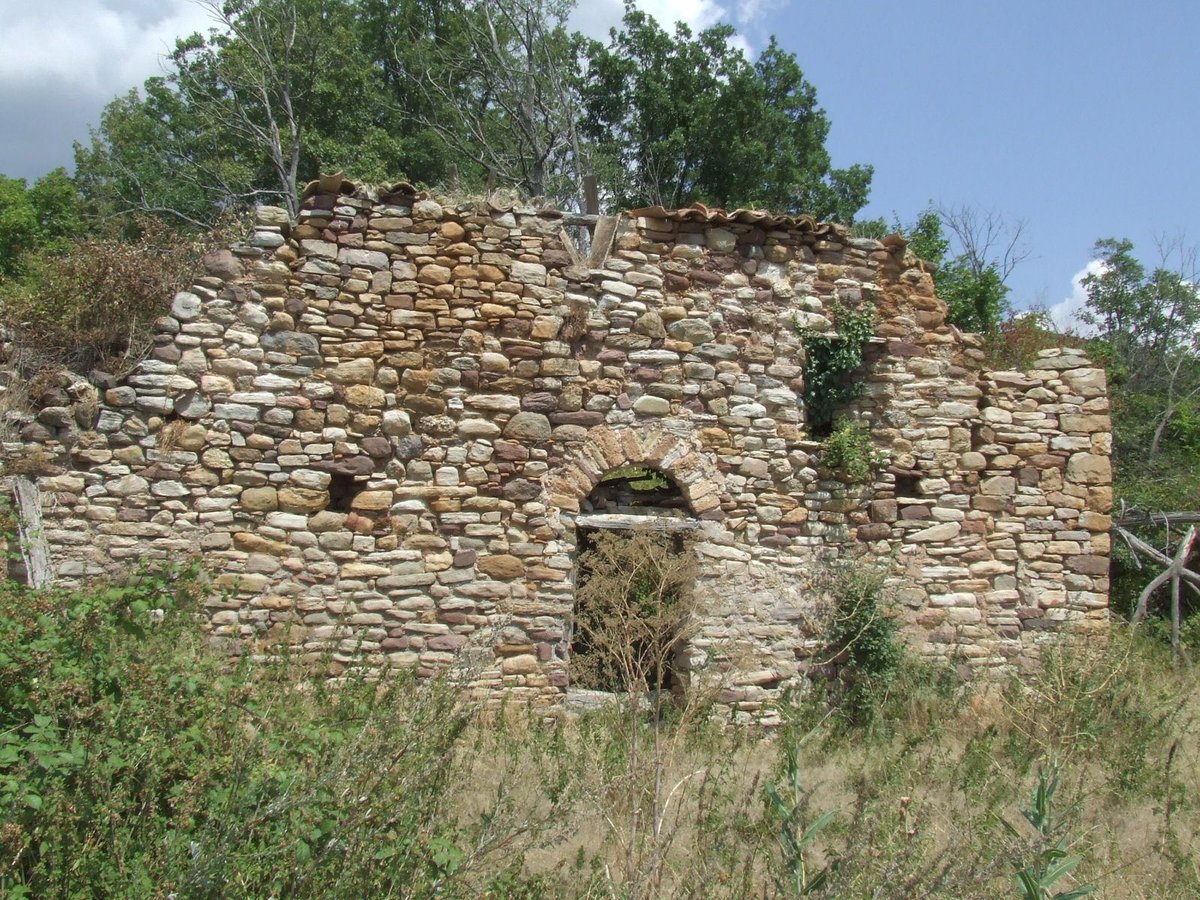
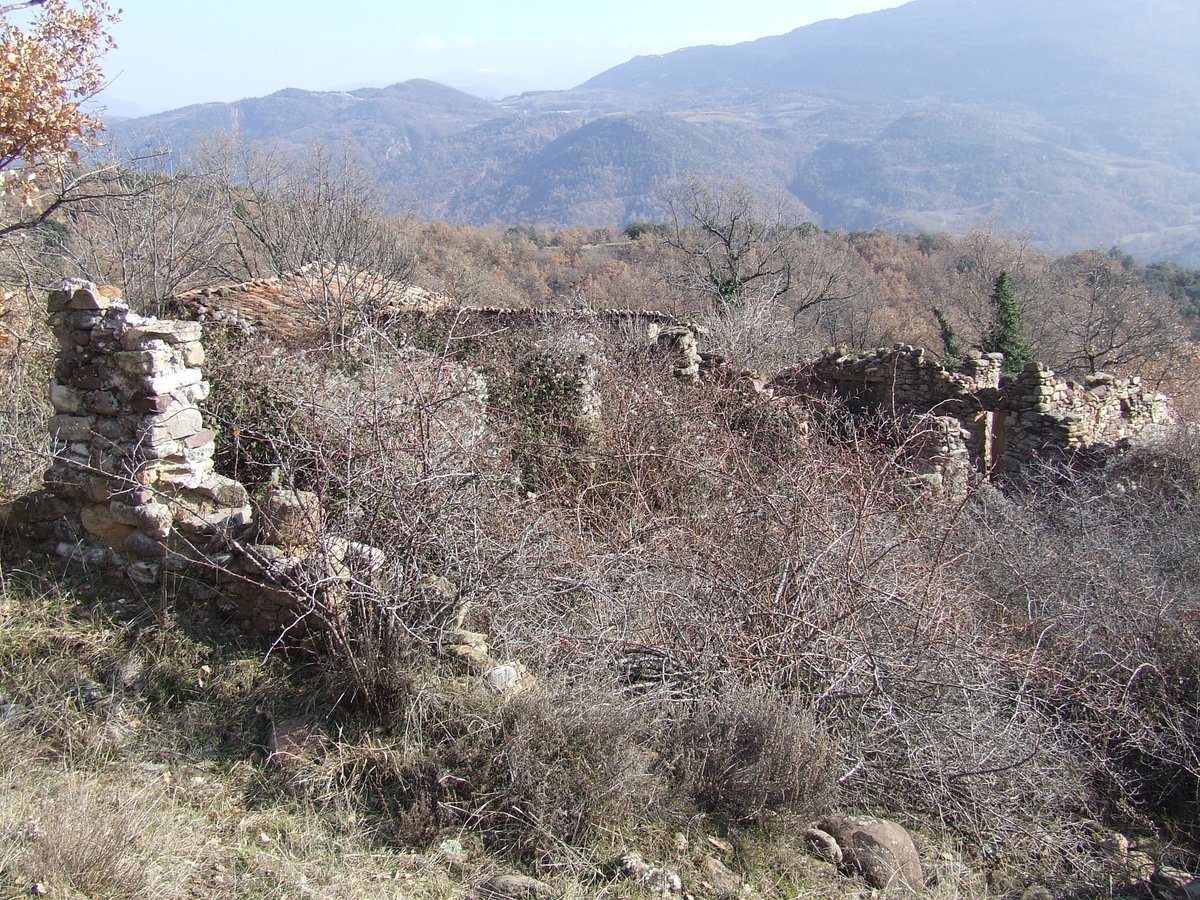
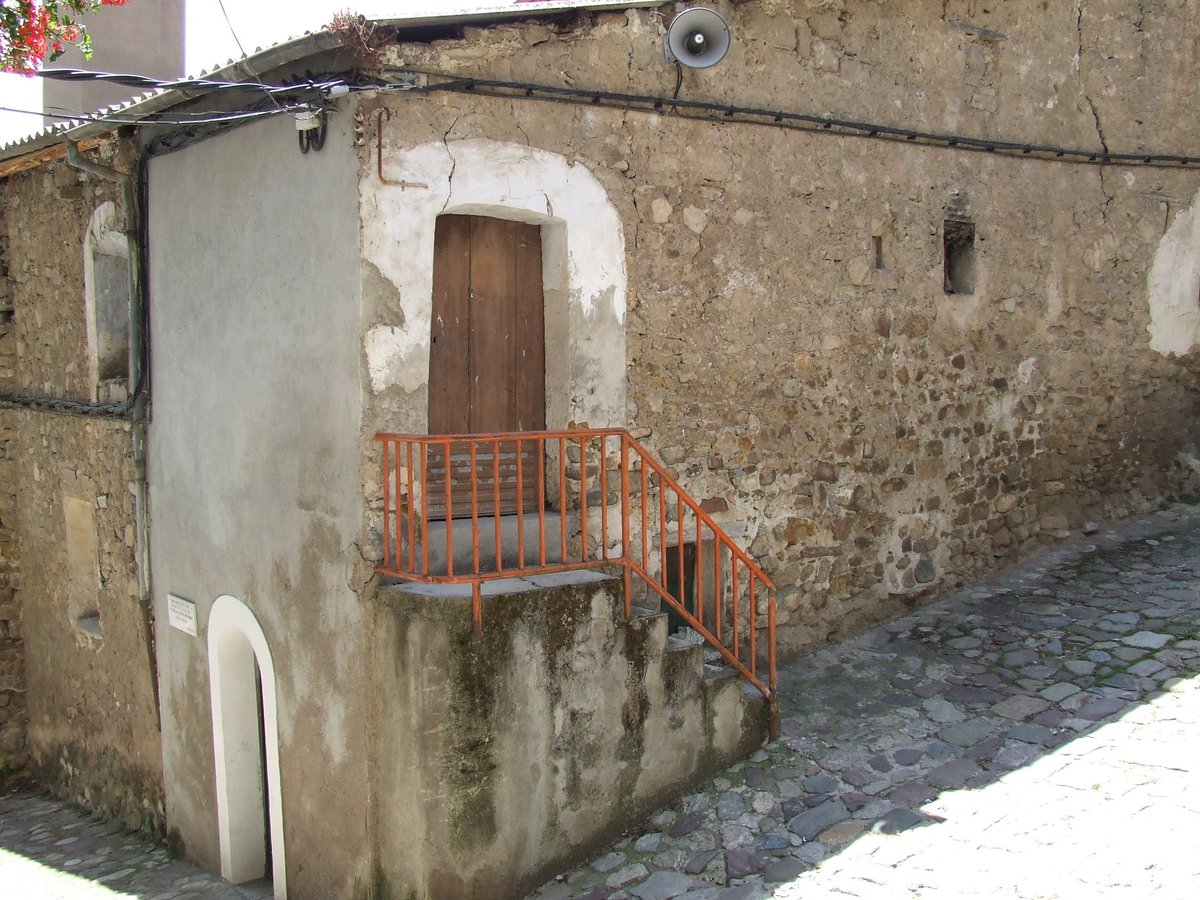
Nestled within the rolling hills of Pallars Jussà, the deserted hamlet of la Bastida de Bellera offers a glimpse into the history of the region. Located within the eastern part of the municipality of Sarroca de Bellera, it remains a quiet ruin today. The name is descriptive: 'Bastida' indicates the existence of a small secondary castle, while 'Bellera' refers to the territory belonging to the barony of Bellera. The settlement was recorded as part of that barony in 1381, at which time it had three hearths and approximately 15 inhabitants.
Like other Pallaresos villages, la Bastida de Bellera had its own municipality from 1812, following the precepts of the Constitution of Cadis. However, it lost this status in February 1847 because it did not meet the minimum requirement of 30 heads of families stipulated by the municipal law of 1845. It was then merged with the villages of Iglesias and the hamlet of Vilella to join Sarroca de Bellera.
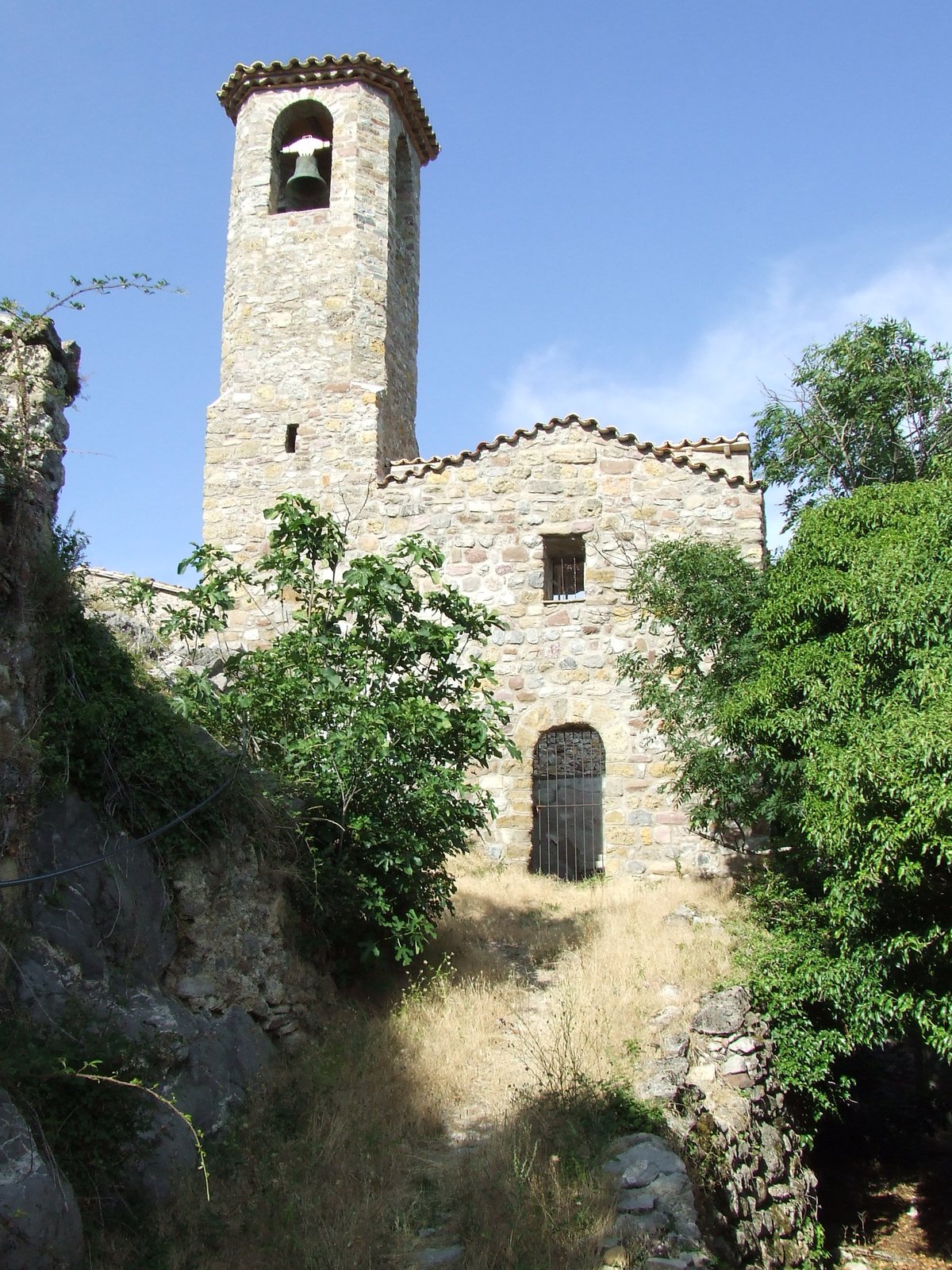
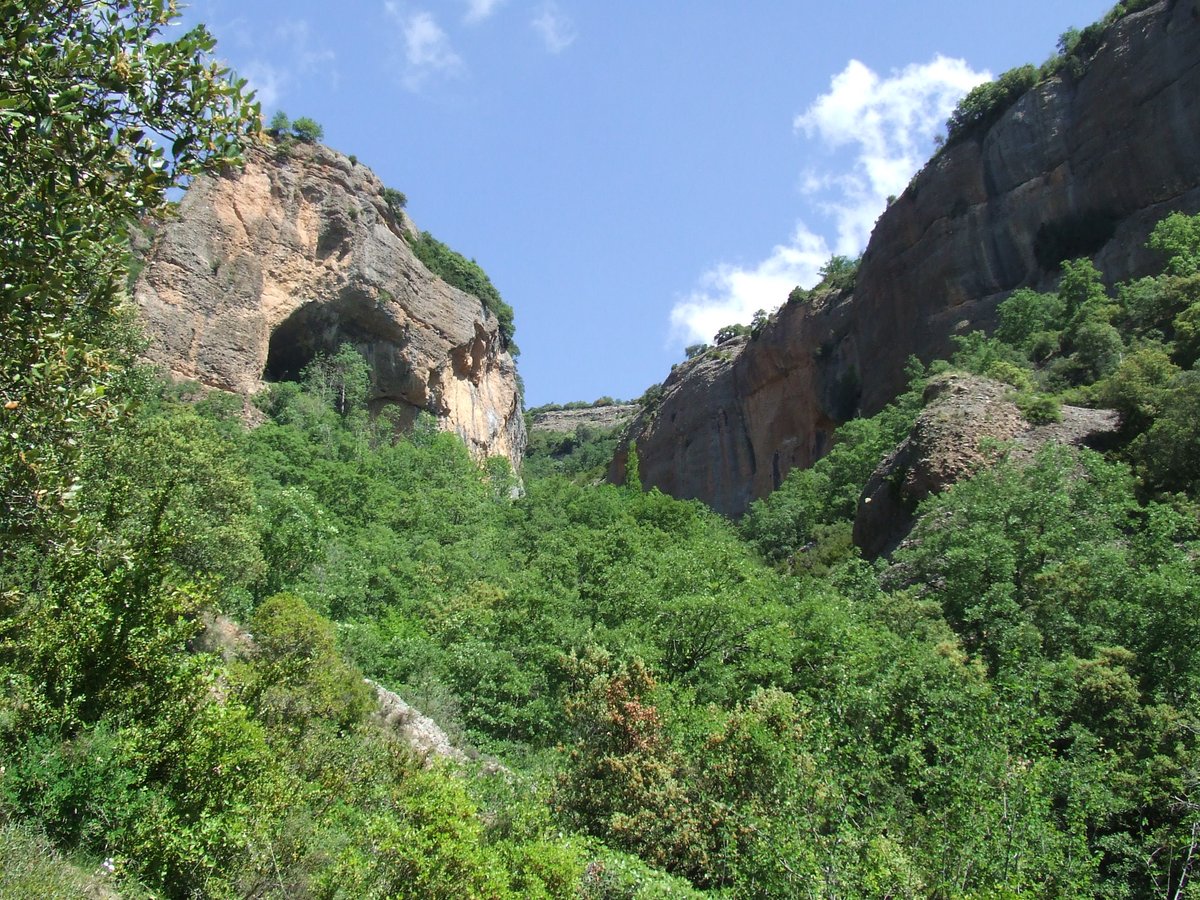
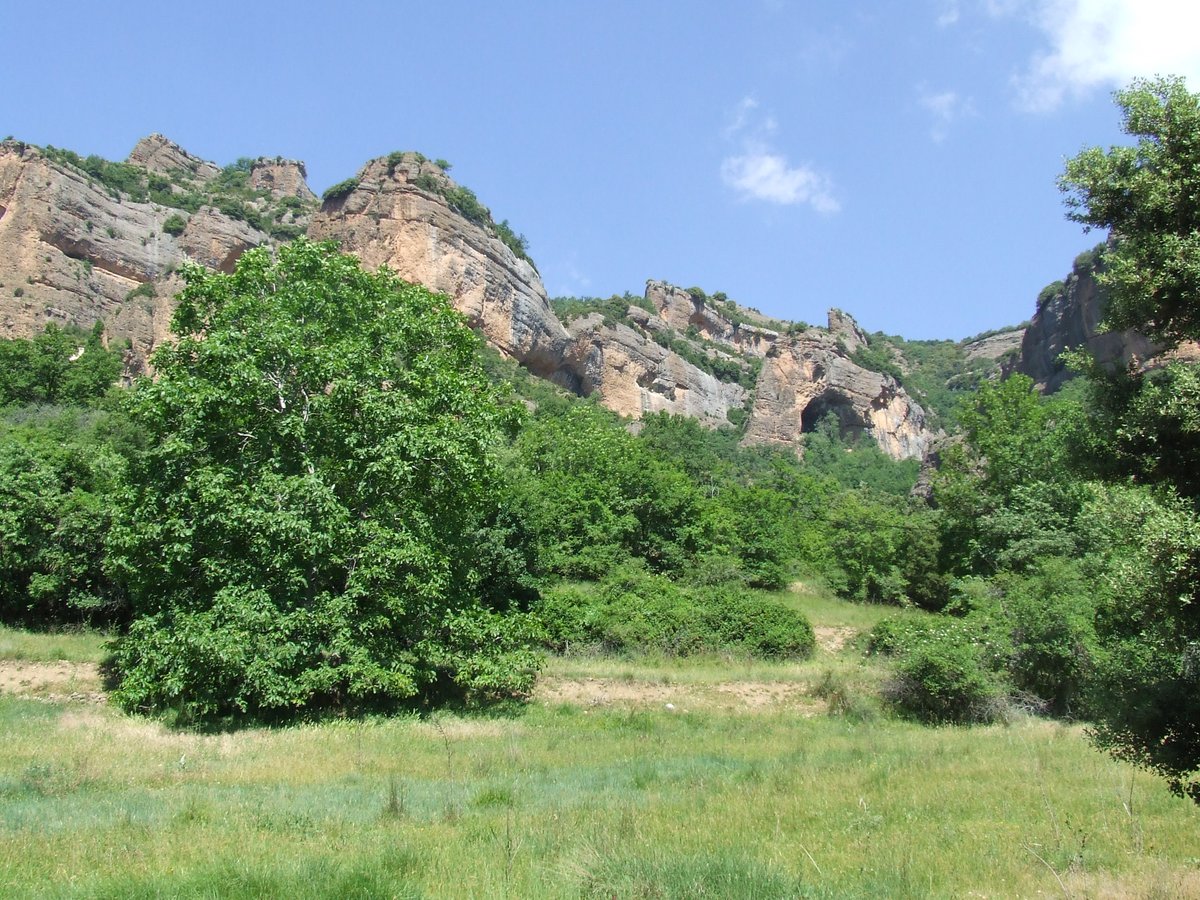
Situated nearly ahead and to the west of the old monastery of Sant Genís de Bellera, the hamlet is dominated by the Tossal at the meeting of the Serra de la Bastida and the Serrat Segur. It overlooks the valley of the barranc de Sant Genís. Located 650 metres to the southeast of the village, the Romanesque bridge known as Pont del Diable crosses the barranc de Sant Genís, connecting la Bastida de Bellera with the monastery.
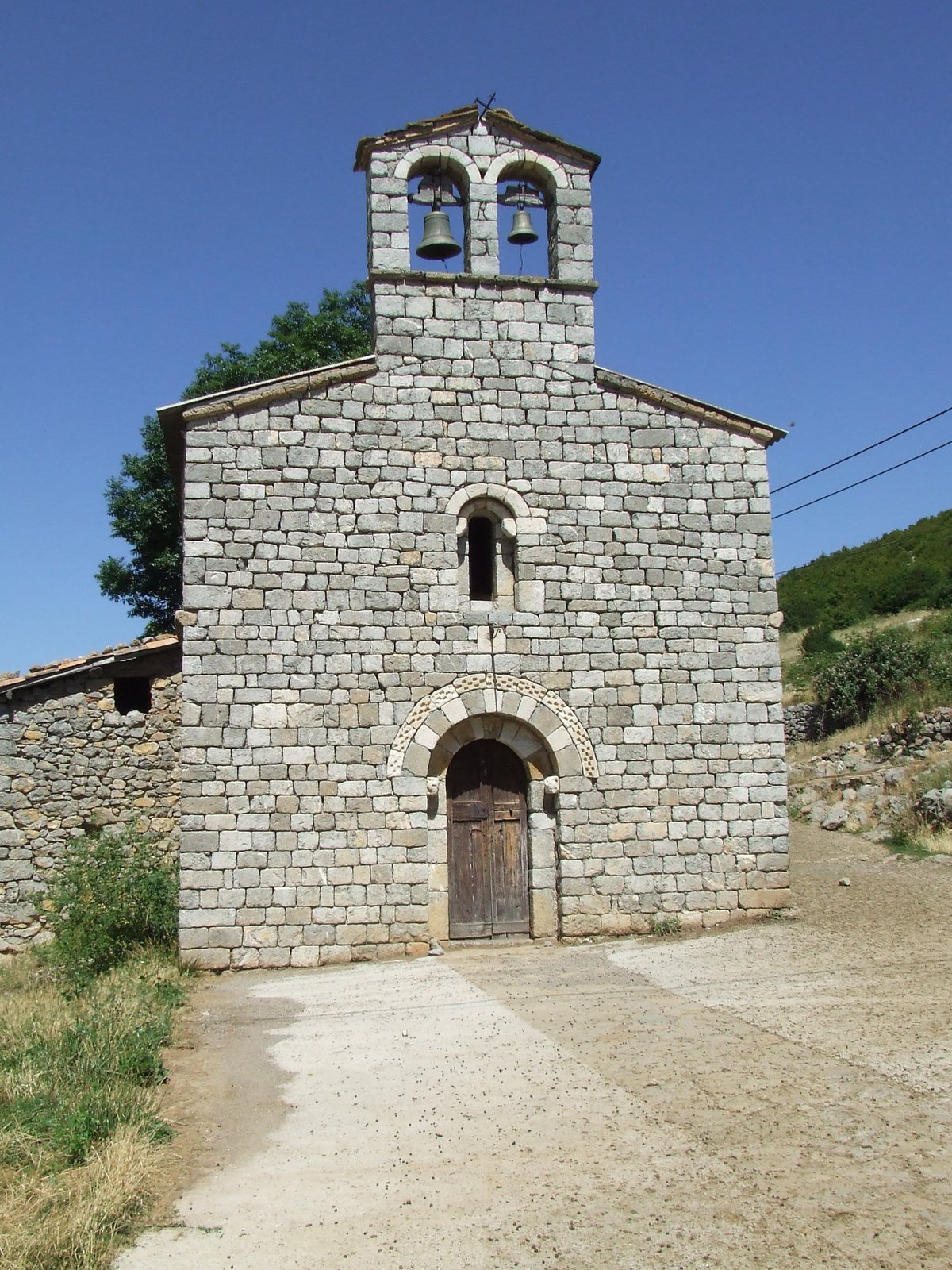
The village's parish church is dedicated to Saint Sebastian, a patronage established after an outbreak of the plague. The church was significant enough to have 7 altars. In 1994, the names of the village houses were recorded as Abadia, Antoni, Casolà, Cassó, Ermengol, Jepet, Junico, Magí, Mateu, Pallarès, and Ricou.
Sources: Wikipedia, OpenStreetMap, Wikidata, Wikimedia Commons
Written by Nik Frost
Discuss this with the author and others
No comments yet. Be the first to start the conversation.