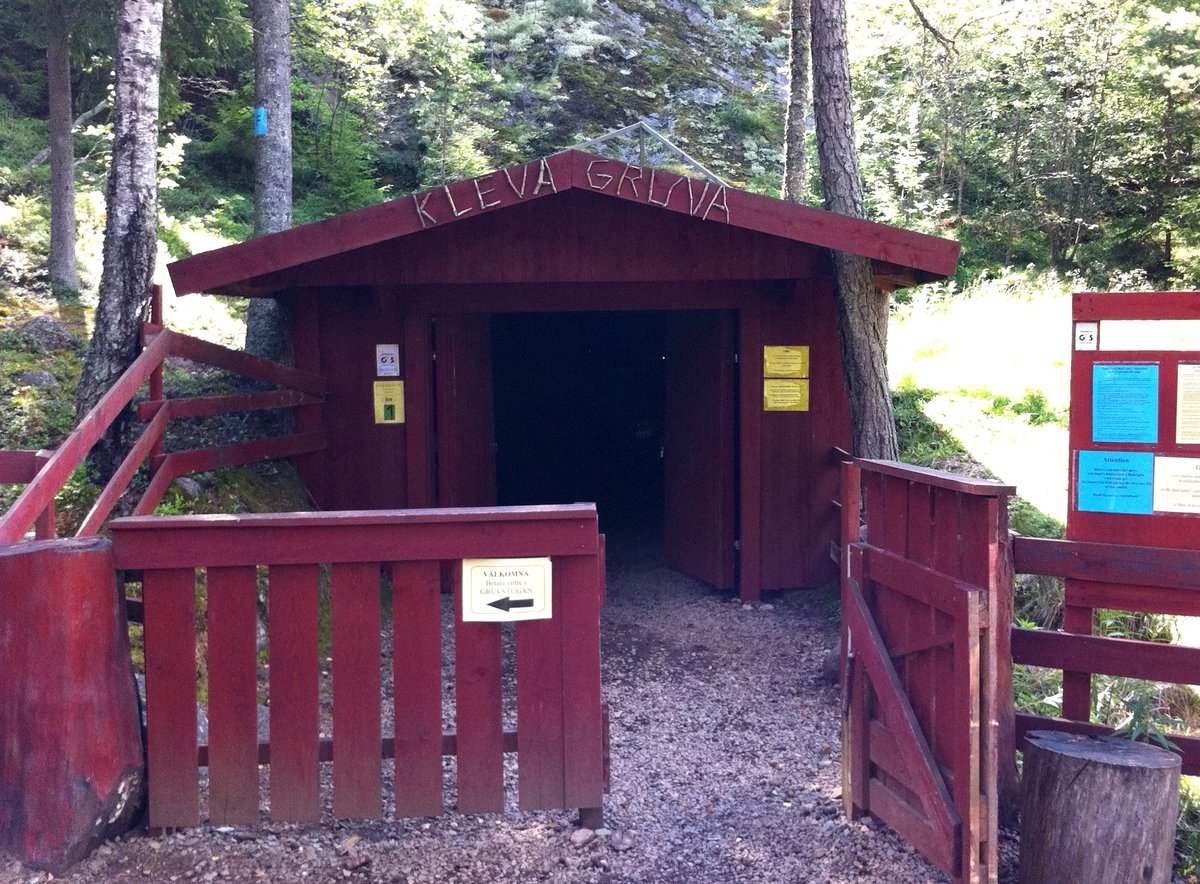

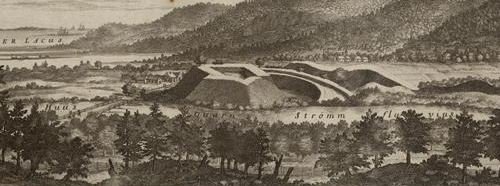
We begin our journey at Kleva Gruva, a site first discovered in 1691. While its early history was defined by copper production, a turning point arrived in 1838. That was when Jöns Jacob Berzelius proved the deposit contained nickel, shifting the focus of this site toward that metal.
Let us look closer at the geology of the area. It is a complex mix of diorite, copper and sulfur ores, and nickel-bearing magnetite. By the end of its industrial life, the ore held about 2% nickel and between 0.5 and 0.75% copper. The scale was so significant that it required a processing plant just 6 kilometres away at a nearby waterfall on the river Emån.
Beyond the primary metals, there is more to discover. The mine yielded weathering products from the waste materials, which were used to manufacture red paint. The mine was eventually lowered to a depth of 109.6 meters between 1914 and 1919.
Today, we invite you to explore Kleva Gruva Äventyrsberget. The site has moved away from heavy industry toward recreation. You can now go gold panning, climb, or take guided tours through the old workings to see what lies beneath.
Sources: Wikipedia, OpenStreetMap, Wikidata, Wikimedia Commons

Written by Nik Frost
Discuss this with the author and others
No comments yet. Be the first to start the conversation.