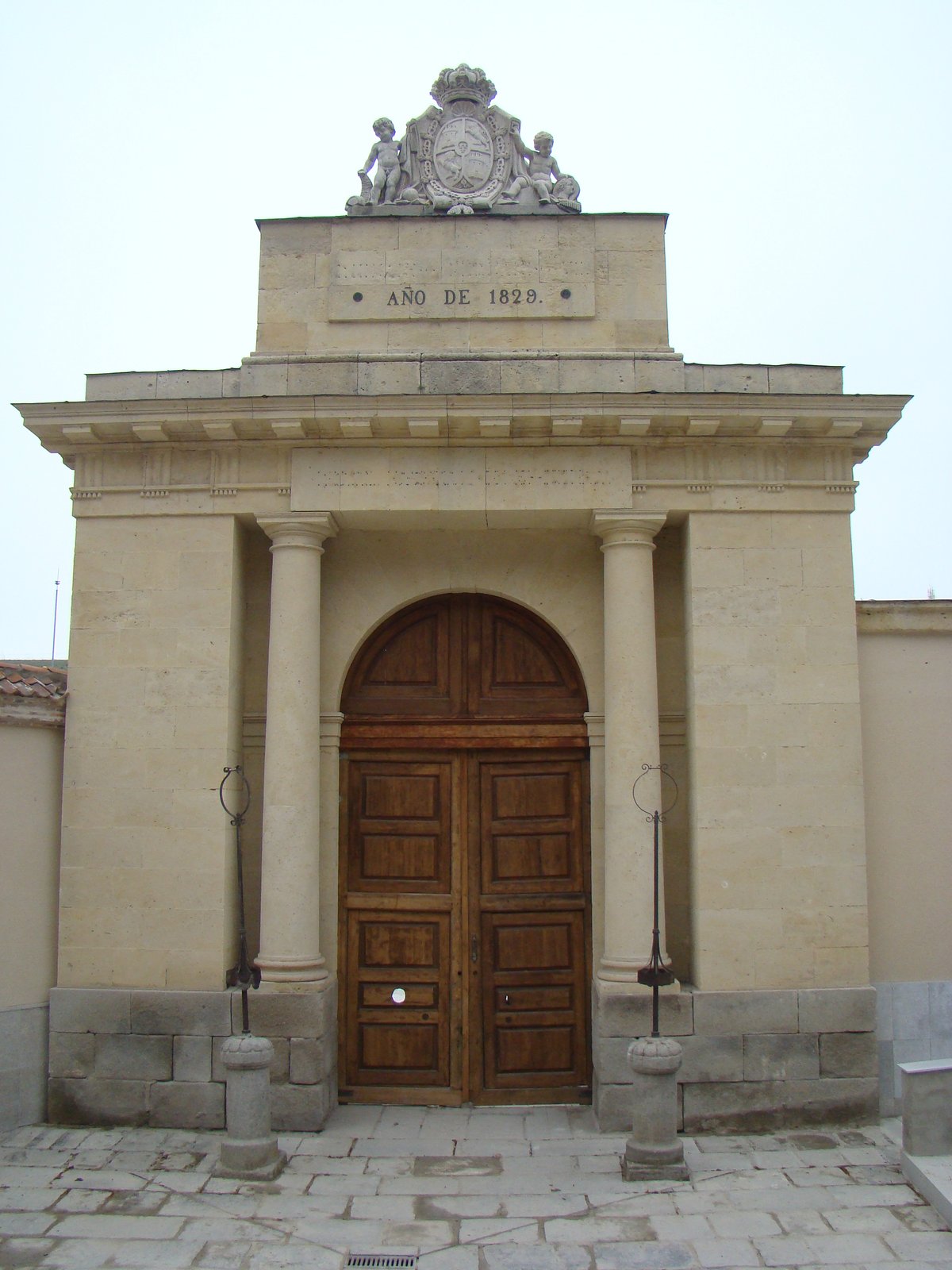

In the late 1580s, King Philip II ordered the construction of a mint using hydraulic wheels to move heavy machinery. While the hydraulic wheels technique had already been operating in several cities in Europe, this project marked the first time a factory in Spain had been mechanized.
Experts from Tyrol traveled across the continent to find the most fitting location for the machinery. They chose a property on the banks of the Eresma River that had previously been used to grind cereal and to fabricate paper. Construction began on November 7, 1583, using plans drawn by Juan de Herrera, who was considered the most famous Spanish architect at the time.
The building survived the Napoleonic Wars and was later transformed into a flour factory in 1878. After production continued until 1967, the building was abandoned and eventually acquired by the municipality in 1989. Following a long rehabilitation process executed between 2007 and 2011, the building now stands as a museum.
Today, visitors can explore the site, which is considered to be the oldest industrial architecture sign still standing around the world. The museum is dedicated to coins, industrial heritage, and Segovia's famous aqueduct.
Sources: Wikipedia, OpenStreetMap, Wikidata, Wikimedia Commons
Written by Nicolo Ciampini
Discuss this with the author and others
No comments yet. Be the first to start the conversation.