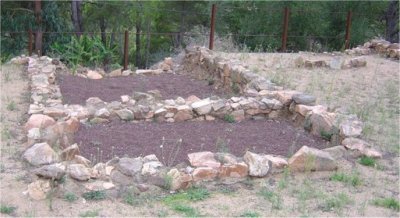

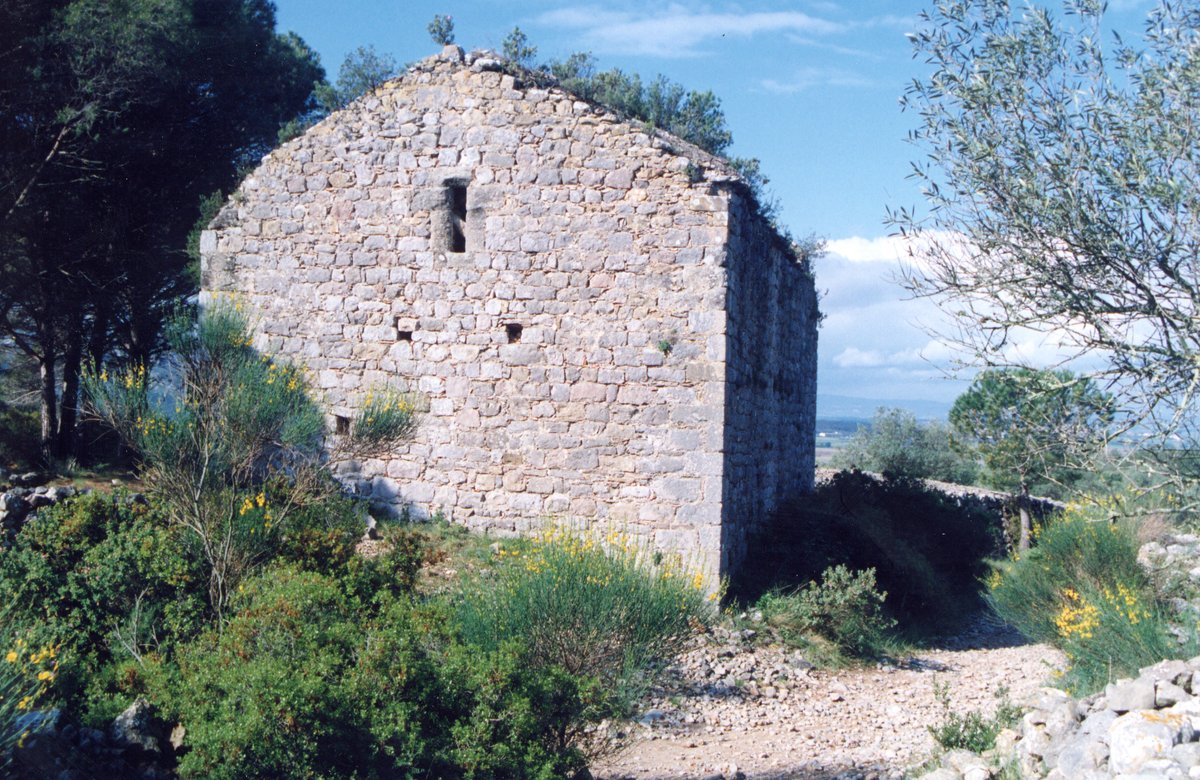
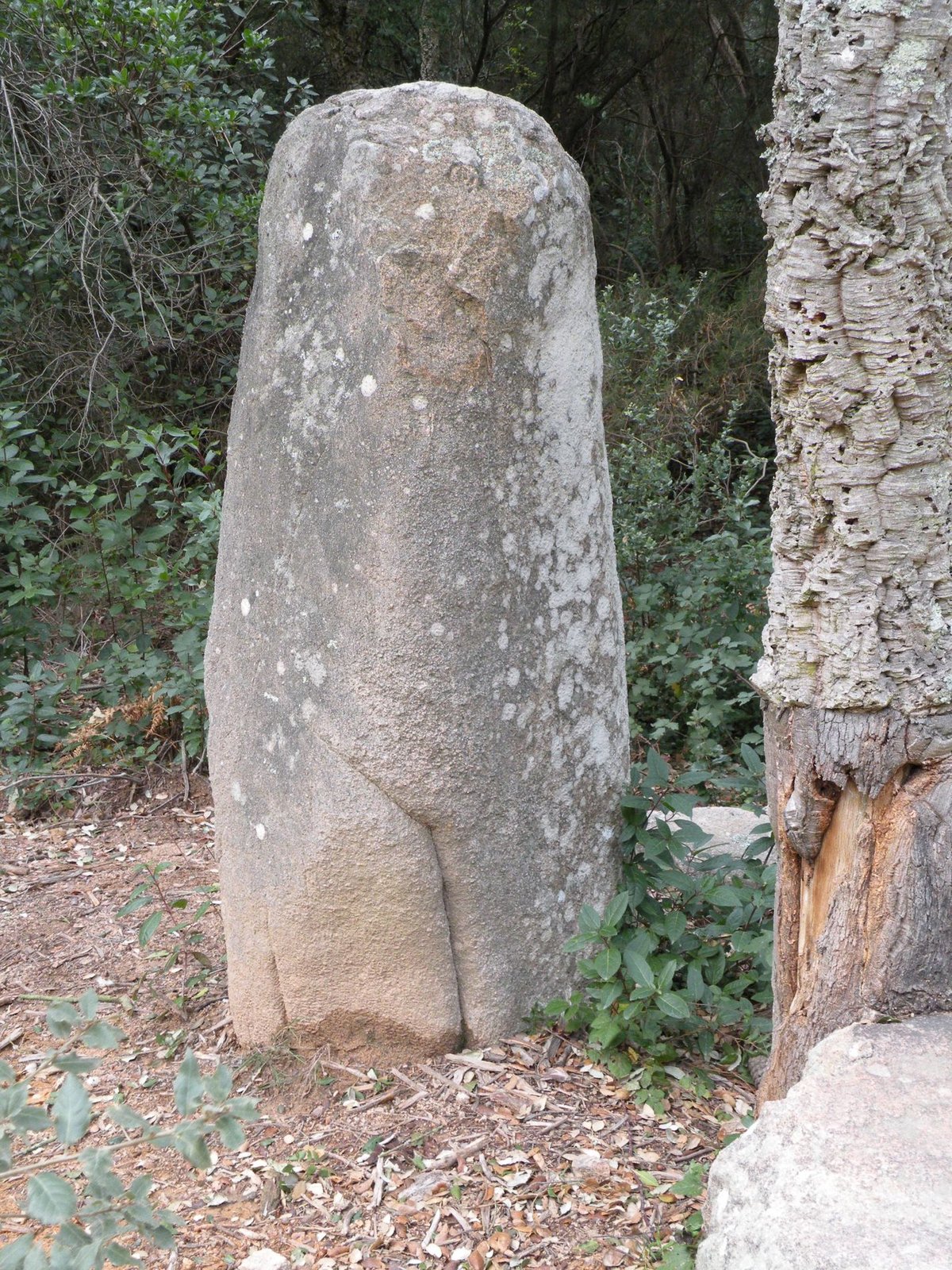
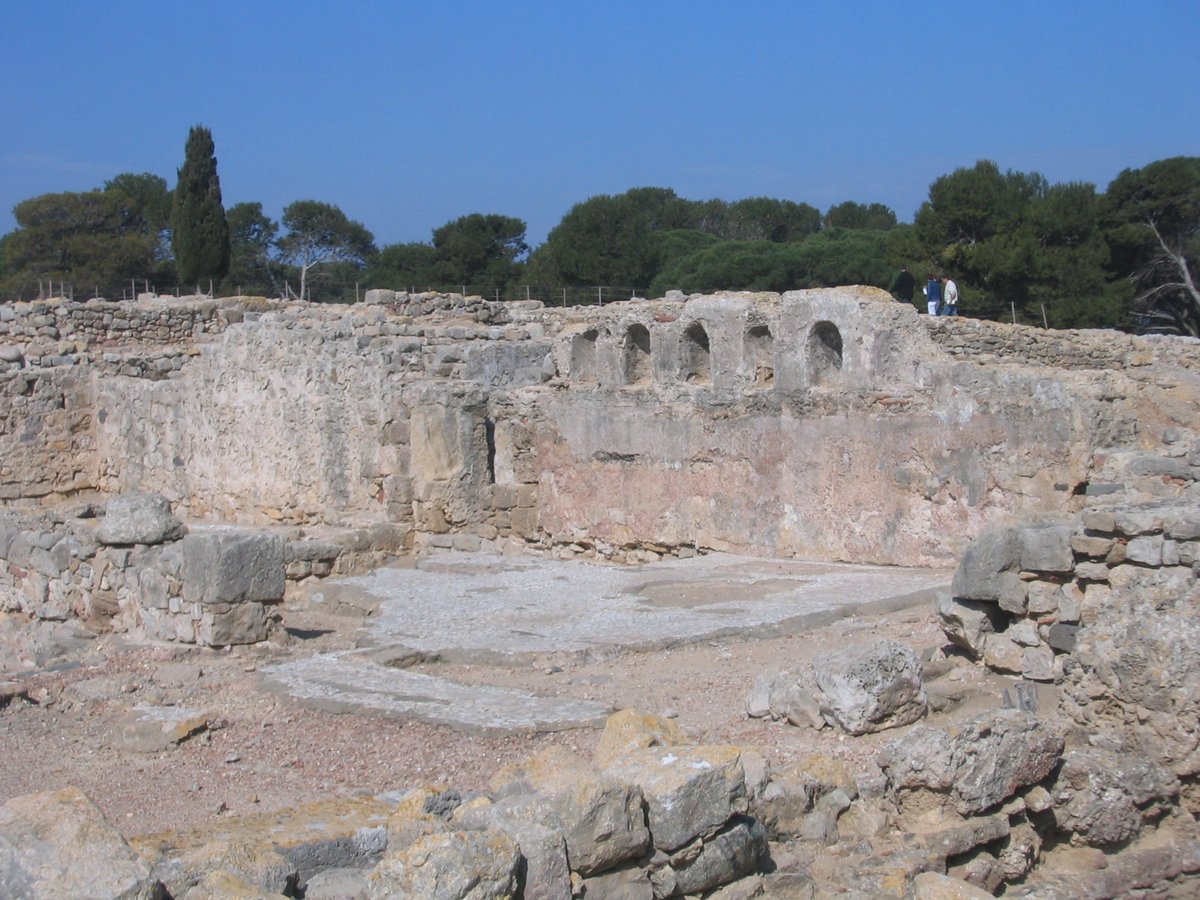
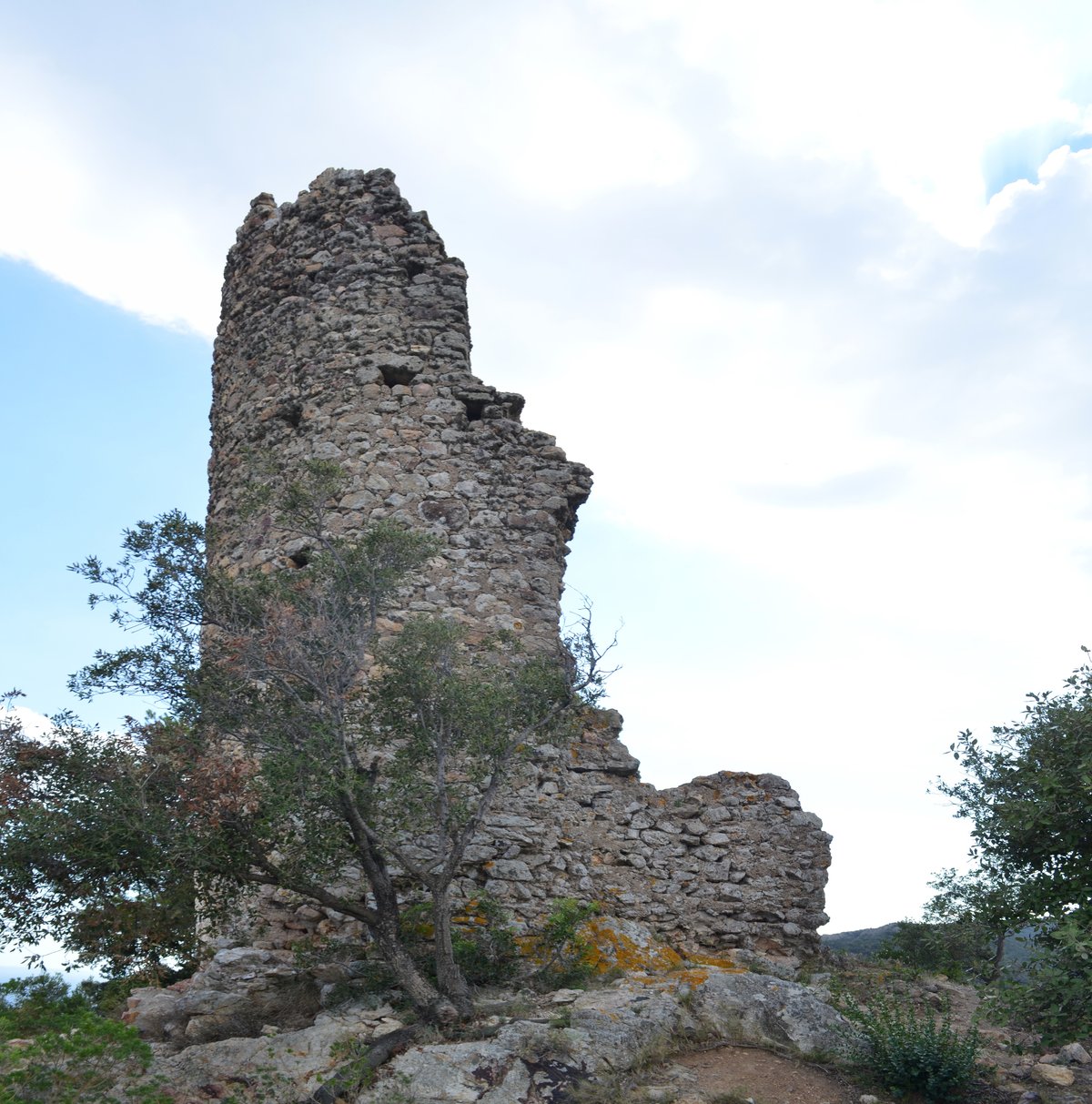
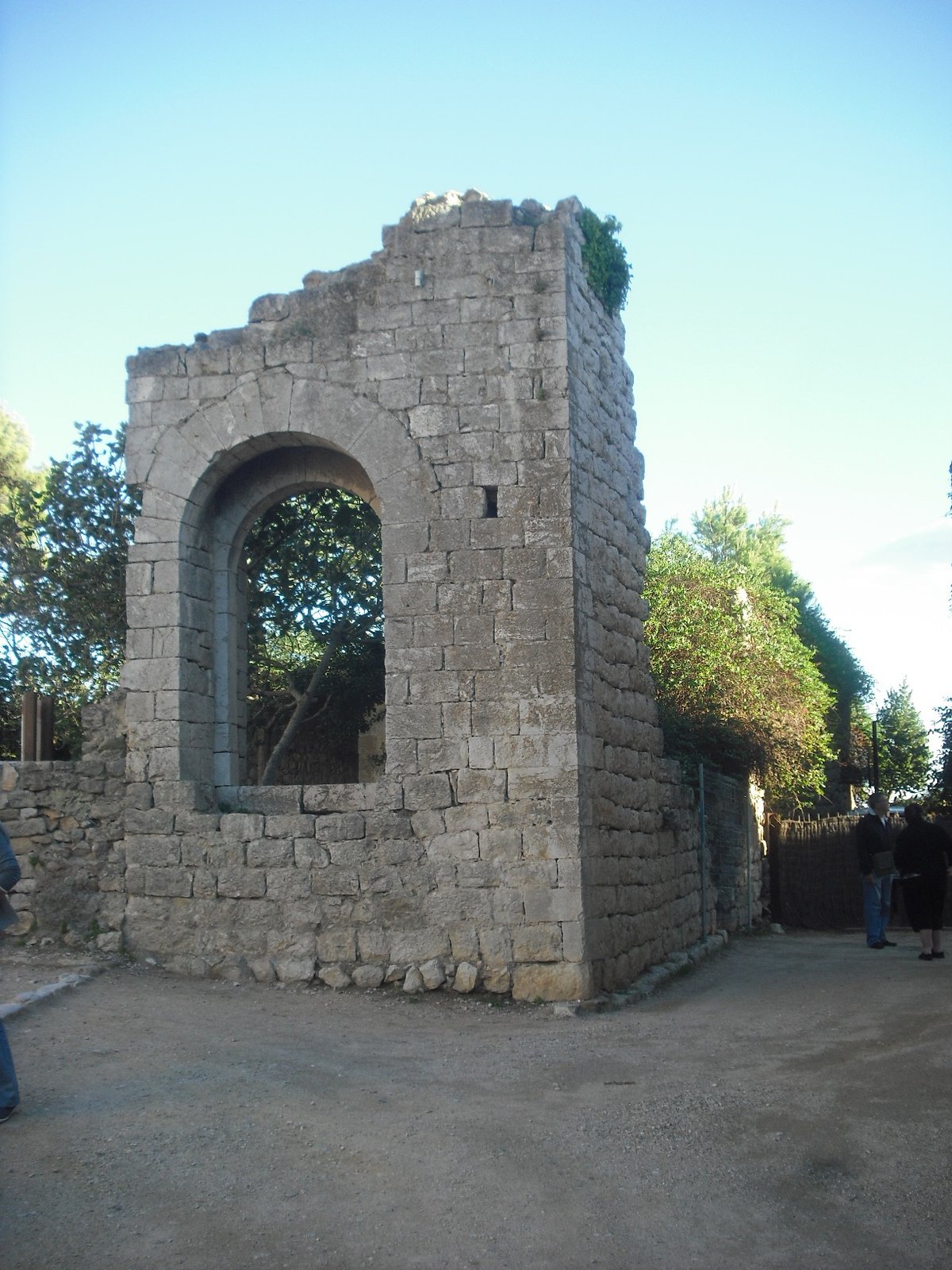
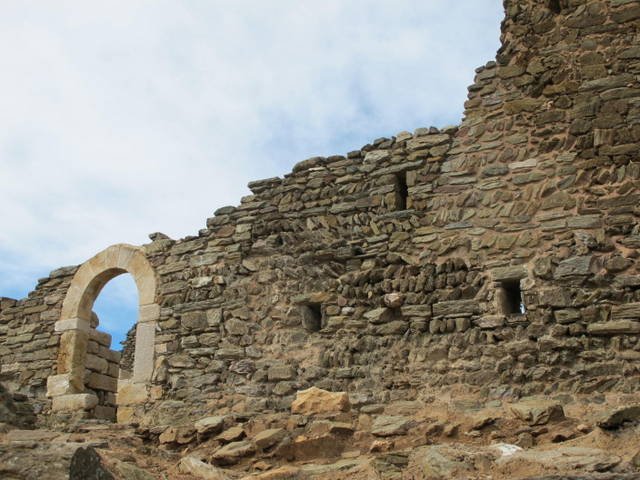
Located in the term municipal de Palafrugell, Sant Sebastià de la Guarda o Sant Sebastià de la Guaita is an Iberian village dating back to the 6th century BC. Discovered in the 1960s by Joan Badia i Homs, this archaeological site is part of the Conjunt Monumental de Sant Sebastià de la Guarda. To reach the site, take the autovia towards Llafranc or the road to Tamariu from Palafrugell, and make a detour at the signposted turn-off that leads to the cim de la muntanya.
The site is situated at 156 meters above sea level. The mountain forms the cap de Sant Sebastià. The village spans an area of about 300 square meters, with up to four Iberian houses, each with two rooms, arranged in various streets. Fifteen sitges or excavated pits in the rock have been discovered, as well as a furnace. The settlement likely concluded its activity with the arrival of the Romans in Llafranc.
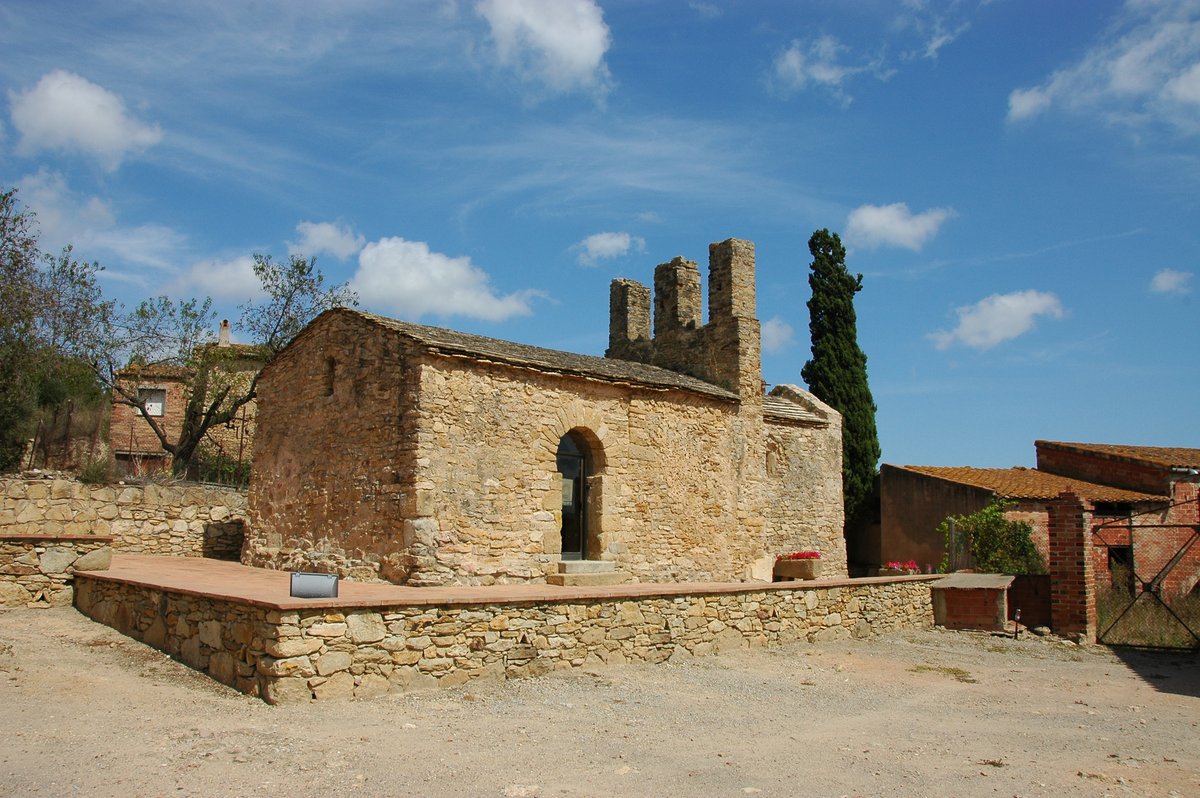
Excavations have been conducted annually since 1998 by the Universitat de Girona, in agreement with the Ajuntament de Palafrugell, to better understand the site and consolidate it. Between 1998 and 2009, excavations were carried out in depth and extension in the open area near the small oratory of Sant Baldiri. This part of the site can be seen, museumized, and signposted.
Sources: Wikipedia, OpenStreetMap, Wikidata, Wikimedia Commons
Written by Nik Frost
Discuss this with the author and others
No comments yet. Be the first to start the conversation.