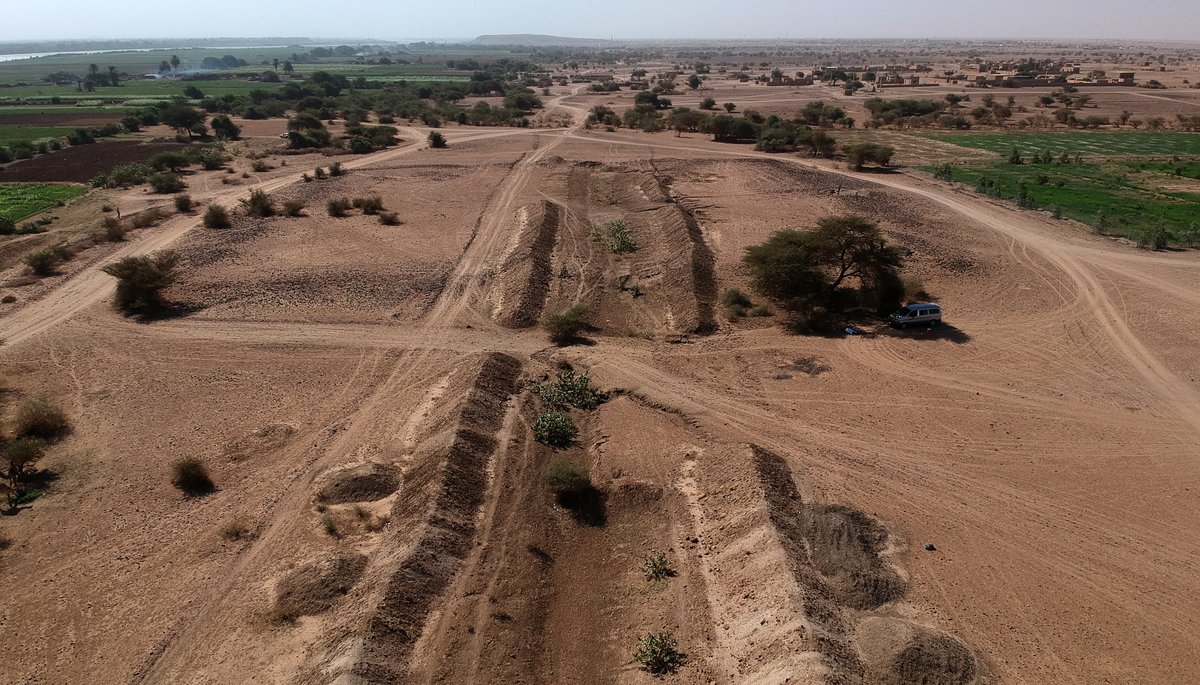

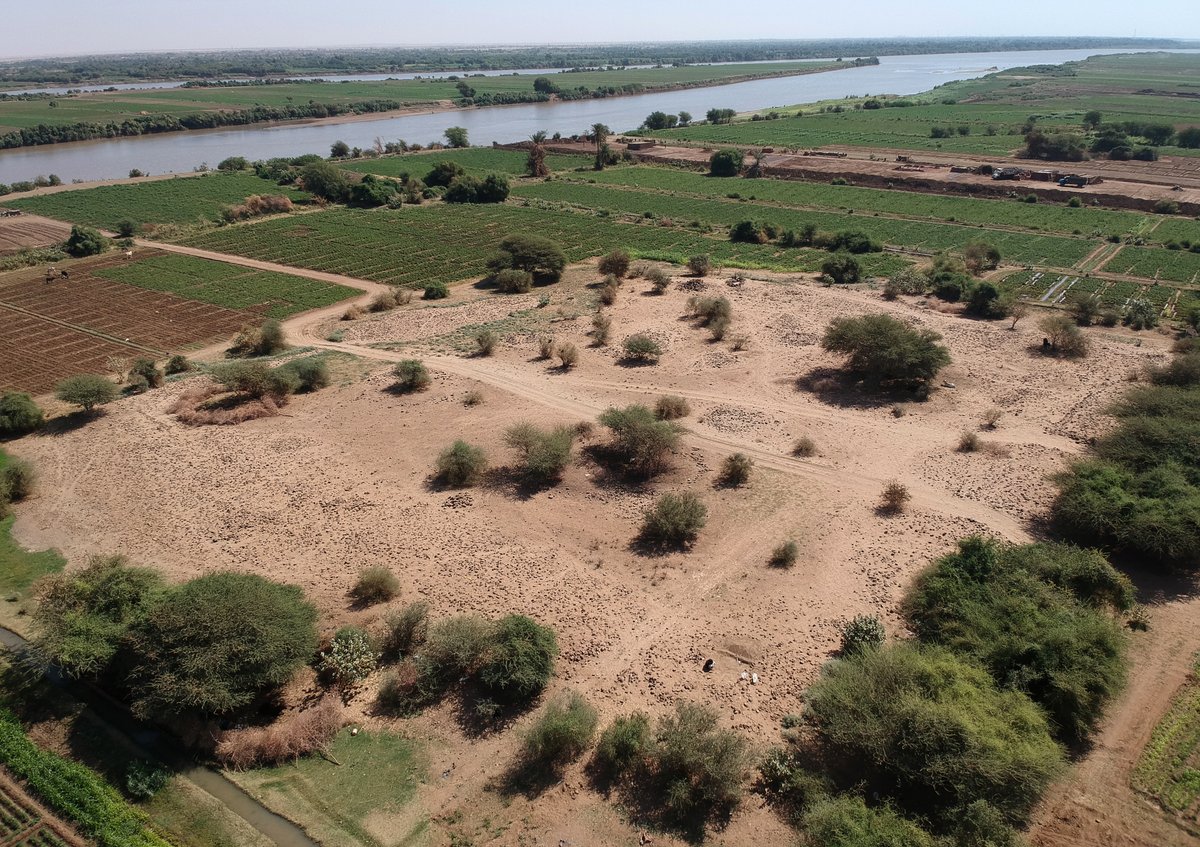
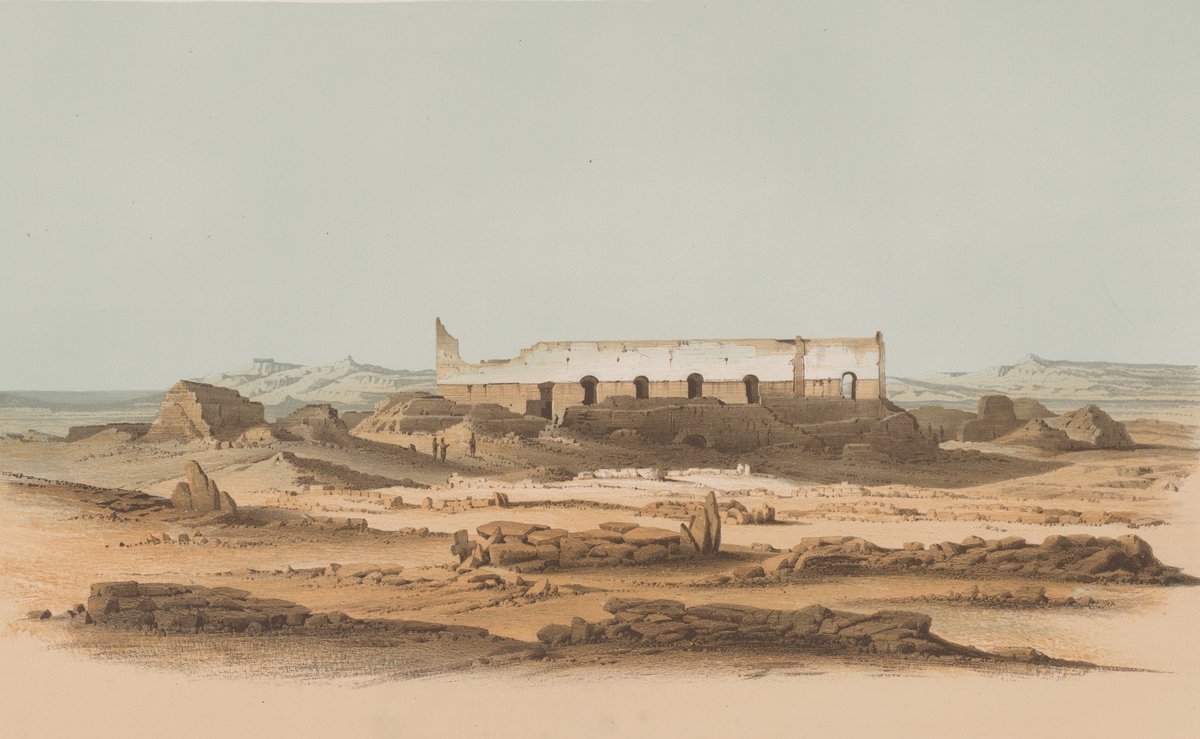
Nestled in Sudan on the left bank of the Nile, Hosh el-Kab fortress is the largest known regular fort in the Middle Nile Valley. The enclosure was erected in the second half of the 6th century AD during the Alwan rule. Built of stones bonded with mud mortar, it features a quadrilateral layout with internal dimensions measuring 97x88 meters. Thirteen bastions reinforced the walls, located in the corners and at regular intervals along the curtains. Two gates led to the fort, one from the riverside to the east and the other from the desert to the west.
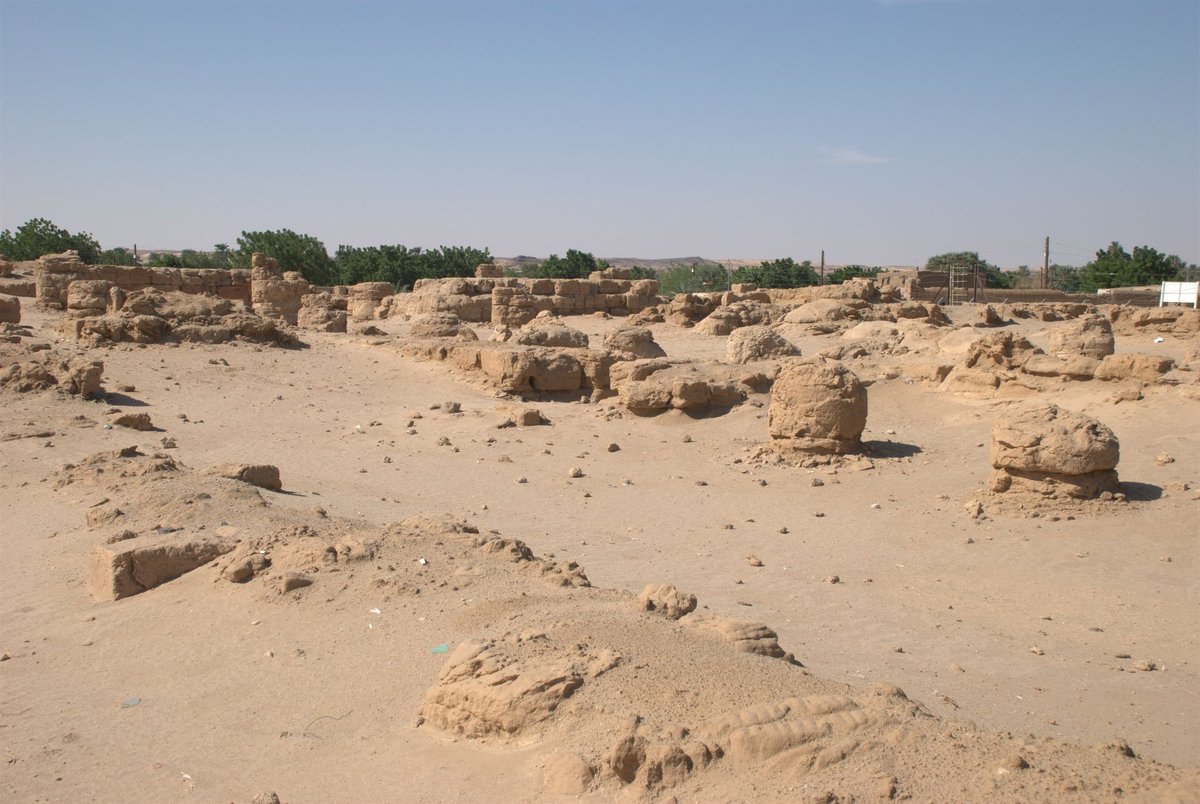
The fort was inhabited until the mid-seventh century, after which it was no longer maintained and remained abandoned for approximately 1000 years. During the Funj period from the 16th to 19th centuries, a small group settled in the ruins of the fort. Traces of buildings and stone structures from this period can be found mainly in the south-eastern part of the enclosure, with some built directly on the ruins of the defenses.
Geophysical research conducted in 2018 proved that there are numerous structures erected along the inner faces of the walls as well as free-standing buildings. The area remains attractive to local farmers due to its proximity to the Nile, which is about 500 meters away. This is evidenced by a 10-meters wide irrigation channel, which was dug in 2013/2014 across the fort.
Sources: Wikipedia, OpenStreetMap, Wikidata, Wikimedia Commons
Written by Mutabor
Discuss this with the author and others
No comments yet. Be the first to start the conversation.