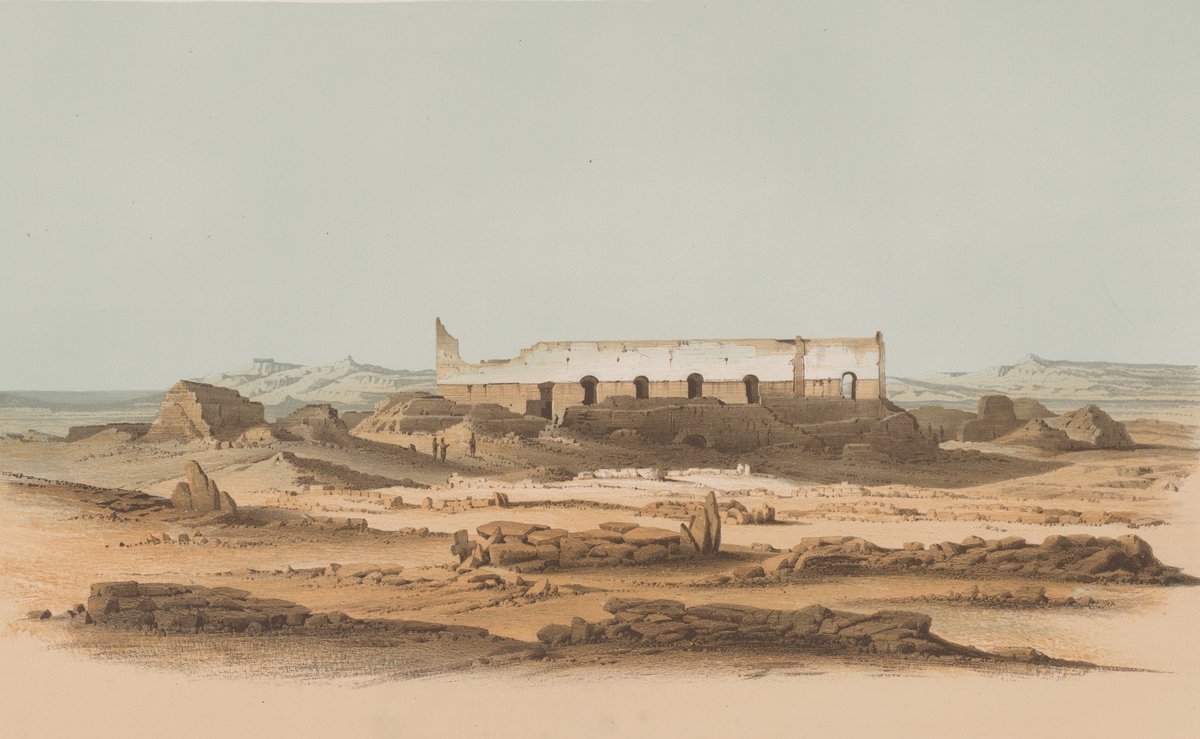

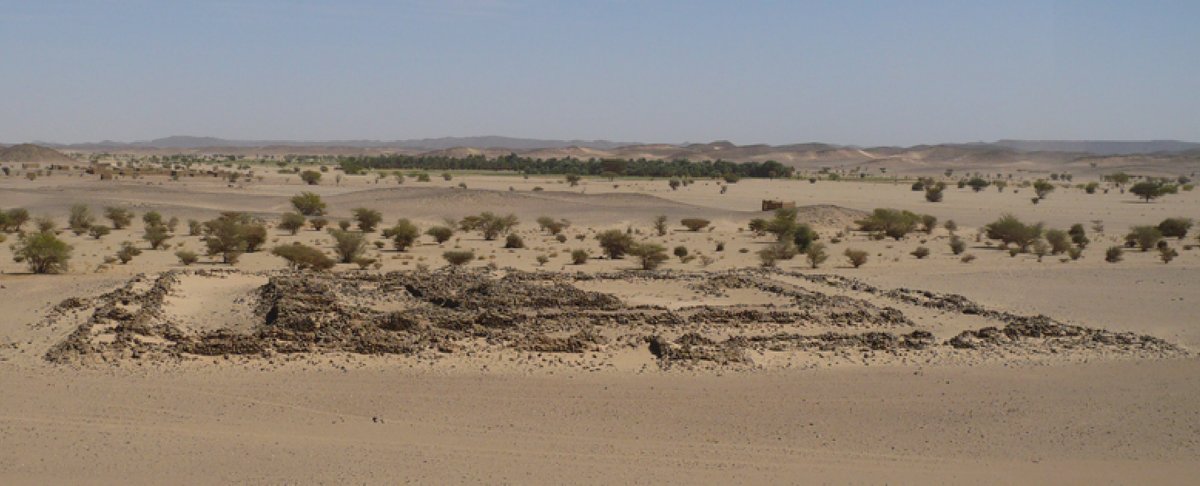
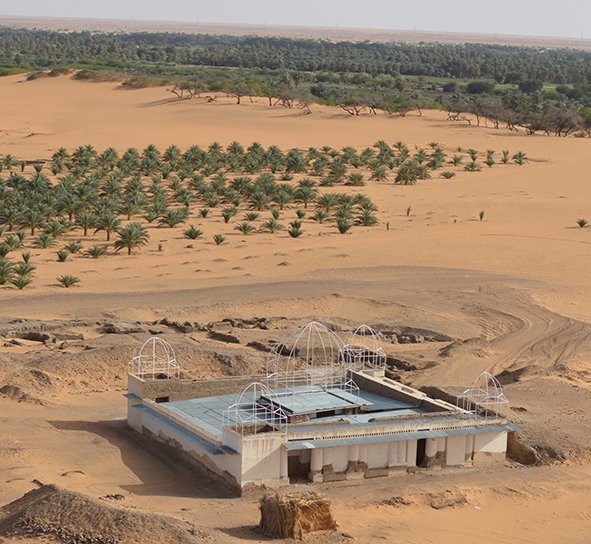
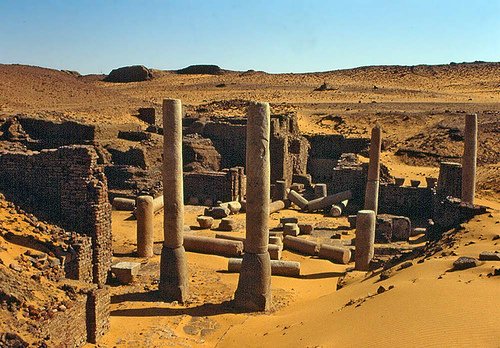
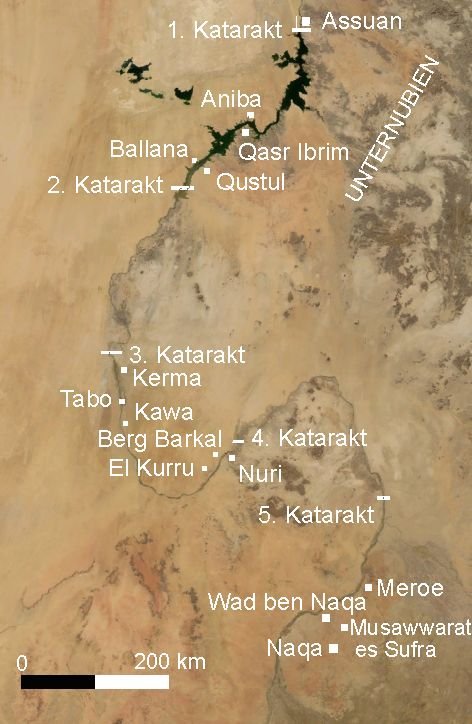
The Monastery of Ghazali was a medieval Christian monastery located in the Bayuda Desert of northern Sudan. It was probably founded by the Makurian king Merkurios in the late 7th century and functioned until the 13th century. The site includes the monastery, a settlement, cemeteries, and a metallurgical center with iron-smelting furnaces, which provide information on the daily life of the monks.
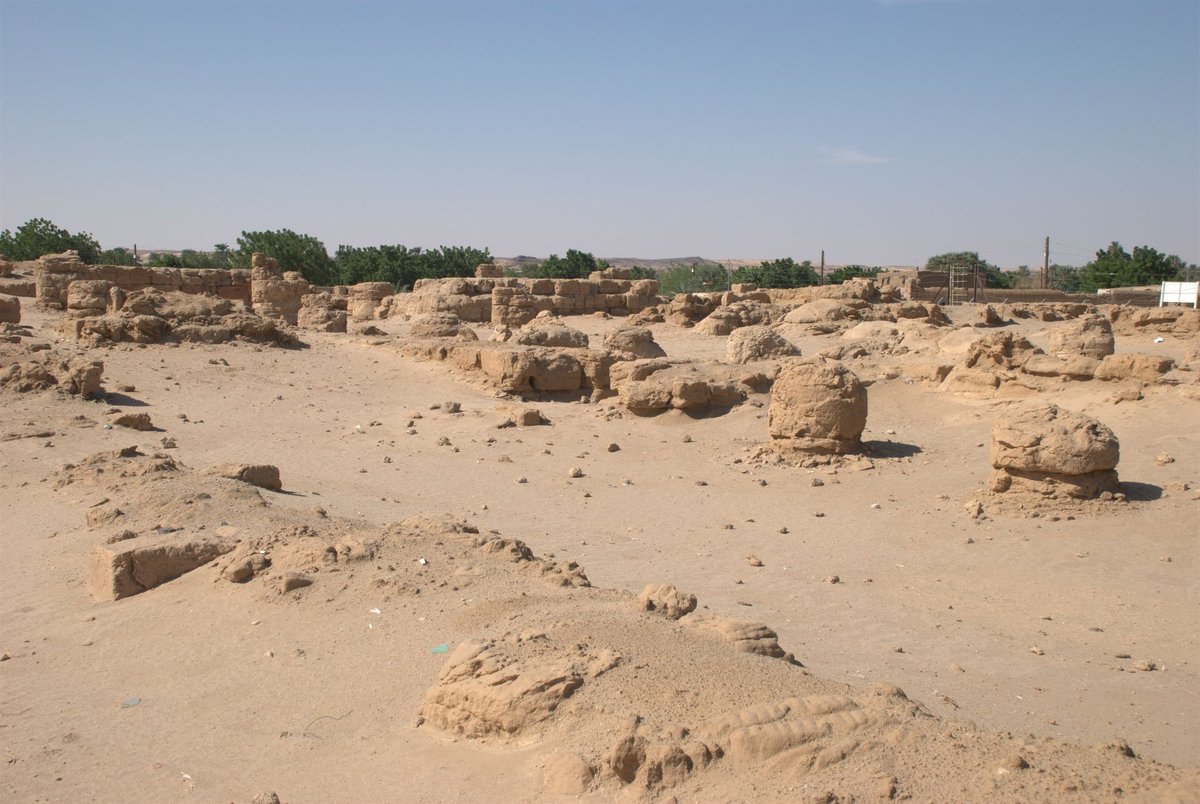
Research conducted by a team from the Polish Centre of Mediterranean Archaeology and the National Corporation of Antiquities and Museums of Sudan has revealed various structures. A free-standing building contained six, and later twelve, dormitories. These dormitories were small, measuring about 20 square meters, and evidence of a staircase indicates there was a second floor. The site also features a refectory, a mill, and an oil press for food production.
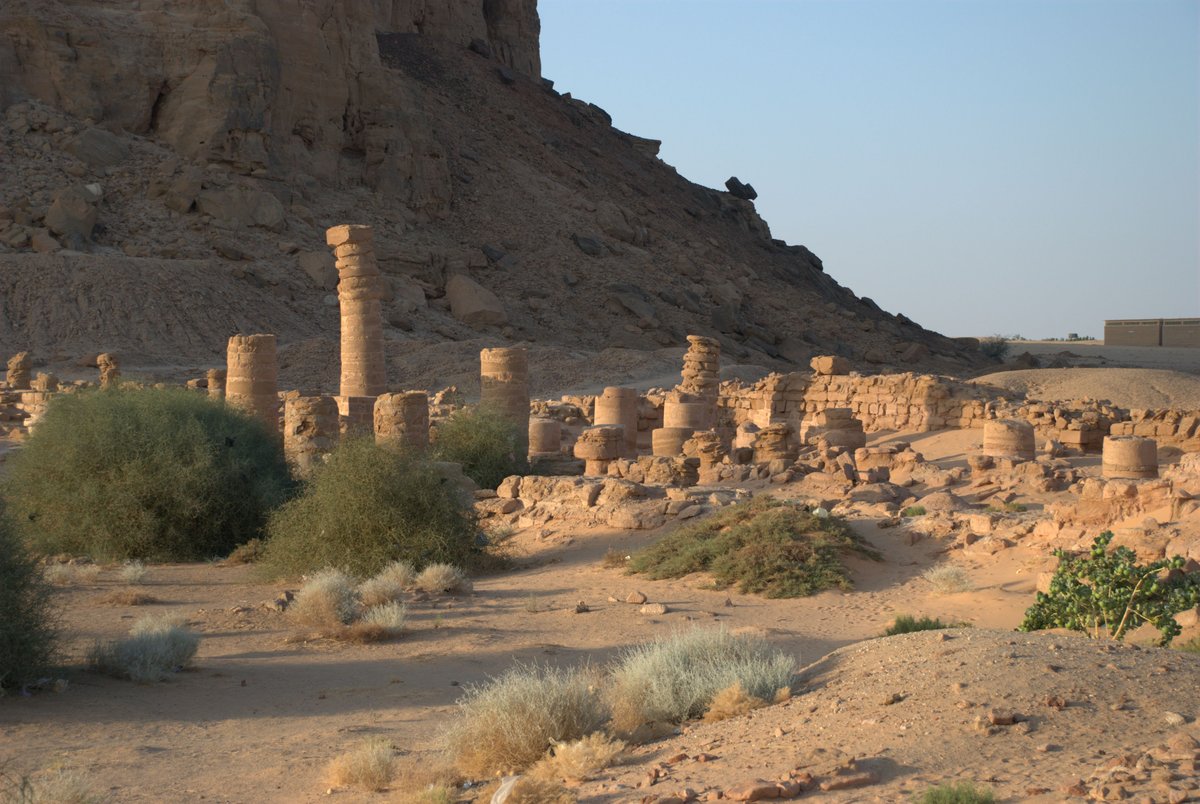
Two churches are key features of the site. The North Church, which was first excavated by Peter Shinnie’s expedition, follows a basilical layout and is a typical Makurian church. The younger South Church is built entirely of mud bricks. Additionally, there is evidence suggesting the presence of a pilgrimage movement in the area.
Modern archaeological work has mapped the remains and prepared the site for visitors. The Polish team, under the direction of Artur Obłuski, has worked to present the ruins so that the public can see how the monastic community lived and worked in the desert over several centuries.
Sources: Wikipedia, OpenStreetMap, Wikidata, Wikimedia Commons
Written by Mutabor
Discuss this with the author and others
No comments yet. Be the first to start the conversation.