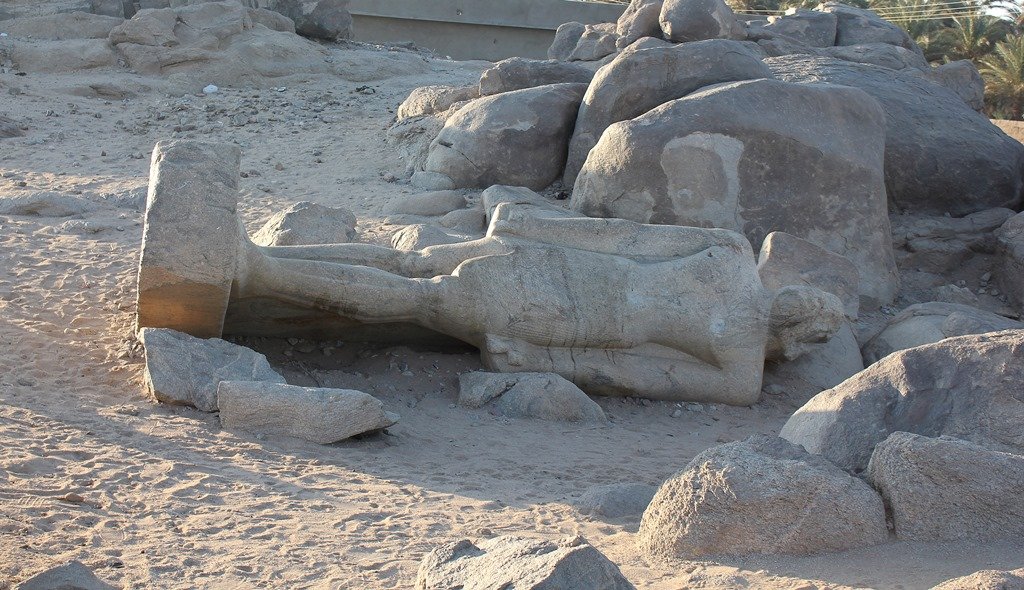
Once upon a time, in a time far removed, the enchanted island of Tombos danced not as a colony, but as a meeting of two royal courts. For six centuries, this island was a stage for the harmonious dance of the Egyptian and Nubian courts, first observed during the Second Dynasty and continued into the 25th. Archaeological research began during the 18th Dynasty, when Tombos was a vital dance partner for the Egyptians. Here, a wealth of pharaonic and royal inscriptions from the 18th Dynasty were unearthed, along with tombs adorned in the style of Egypt.
For a thousand years, Tombos served as a crossroads of magic, blending the dances of Egypt and Nubia. The shapes of the elite tombs, hidden beneath the modern village, hinted at this dance persisting for a longer duration than just the New Kingdom period. A total of four major archaeological expeditions, or dances, have been performed at Tombos since the 18th Dynasty. The most recent of these was led by the University of California, Santa Barbara (UCSB) from 2000 to 2005.
They discovered a grand cemetery of the New Kingdom period and remnants of the ancient settlement beneath the modern village. In the years spanning 2015-2020, remains of the village were also dis unearthed, and the southern end of the village was identified and defined by a large fortification structure. Thutmose I's victory stela was found at Tombos, as well as a number of short inscriptions commemorating kings from Thutmose III to Amenhotep III.
The British Museum conducted an epigraphic survey at Tombos, yet the mystery remains. The enchanted isle of Tombos sits on the Nile, a monument to the intertwined destinies of two great cultures.
Sources: Wikipedia, OpenStreetMap, Wikidata, Wikimedia Commons
Written by Mutabor
Discuss this with the author and others
No comments yet. Be the first to start the conversation.