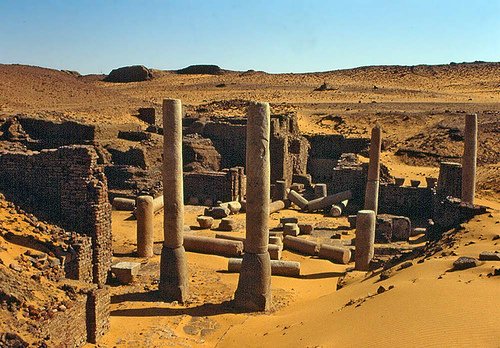

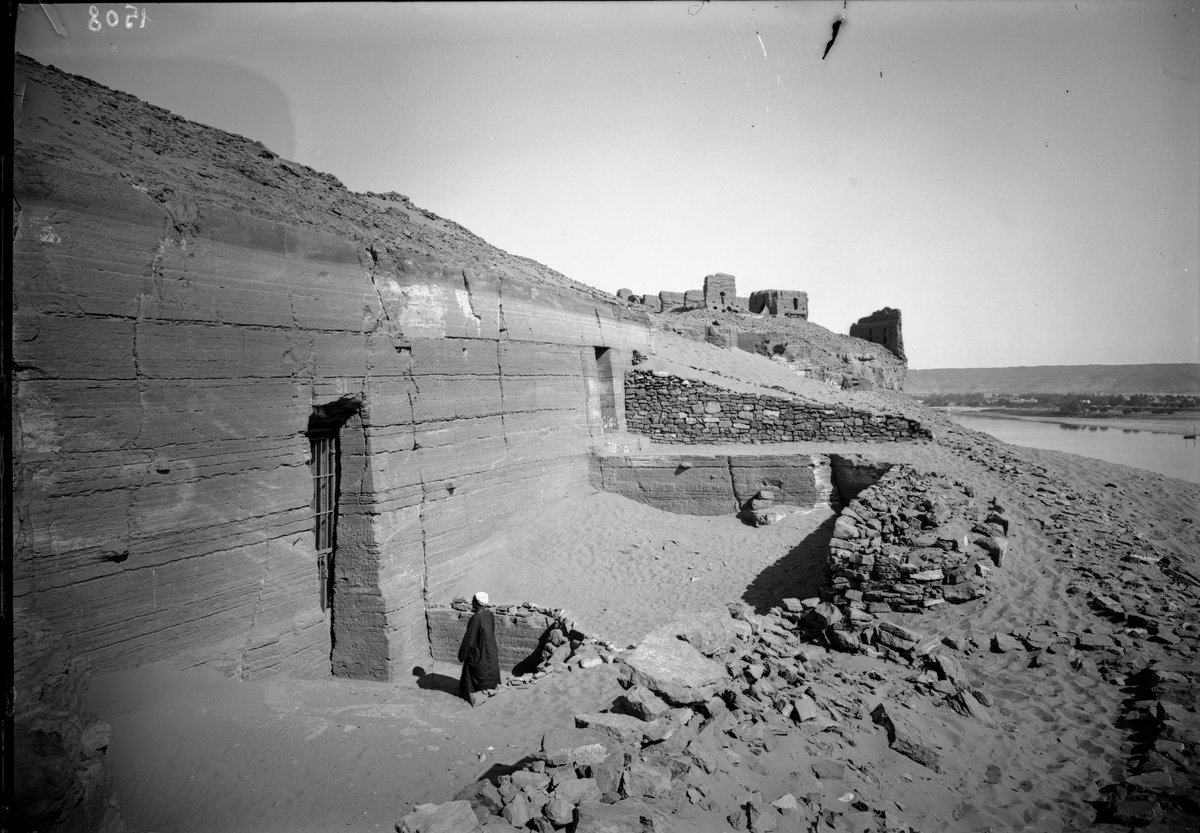
Old Dongola, known as Tungul or Dunqulā al-ʿAjūz, is a deserted town situated along the eastern bank of the Nile in present-day Northern State, Sudan. This town served as an important city in medieval Nubia and was the capital of the Makurian state from the fourth to the fourteenth century. A Polish archaeological team has been excavating the town since 1964. Covering about 200 hectares, the archaeological site encompasses two main zones: the citadel and urban buildings in the south, and suburban residences in the north. There are also cemeteries associated with subsequent phases of the town's functioning, including Islamic domed tombs.
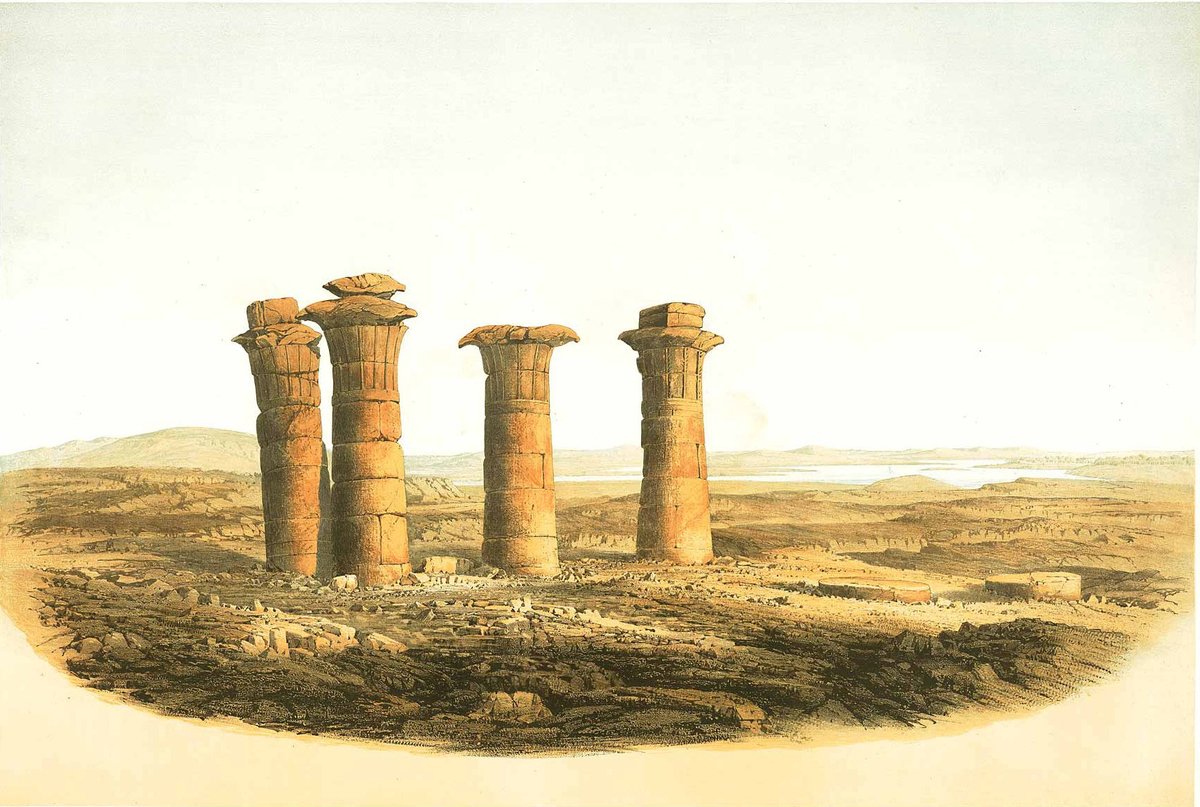
The city's foundations date back to the fifth century, when it was founded as a fortress. In the mid-sixth century, with the arrival of Christianity, it became the capital of Makuria. The town was further expanded, including the area outside the citadel, where several churches were built. These included Building X and the Church with the Stone Pavement, both erected about 100 meters apart from the walled town centre. Building X was soon replaced by the Old Church, which was destroyed in the middle of the seventh century. Material from the Old Church was used to repair the city walls. At the end of the seventh century, the Church of the Granite Columns was erected over the Old Church ruins. Adorned with 16 granite columns, it may have been the cathedral of Old Dongola.
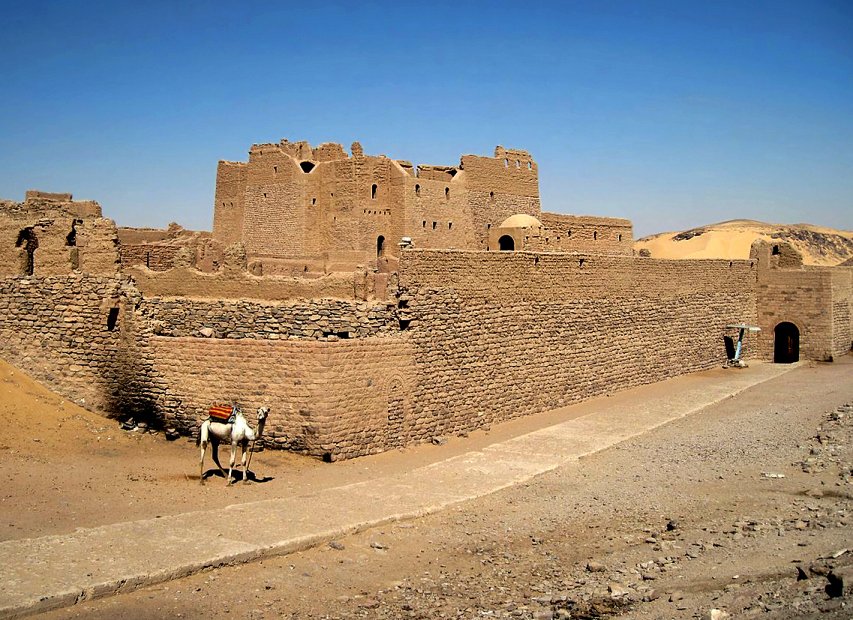
The city's heyday was in the ninth–eleventh centuries, but building activity lasted until the fourteenth century. At this time, the Church of the Stone Pavements was replaced with the Cruciform Church, and the town included many other churches, at least two palaces, and a sizable monastery on its north side. About 1.5 km to the north-east of the citadel lies the Kom H, where a monastery was uncovered. The inscription on the funerary stela of Archbishop Georgios, who died in 1113, indicates that St Anthony the Great was the patron of the monastery, though it is also referred to in literature as the Monastery of the Holy Trinity.
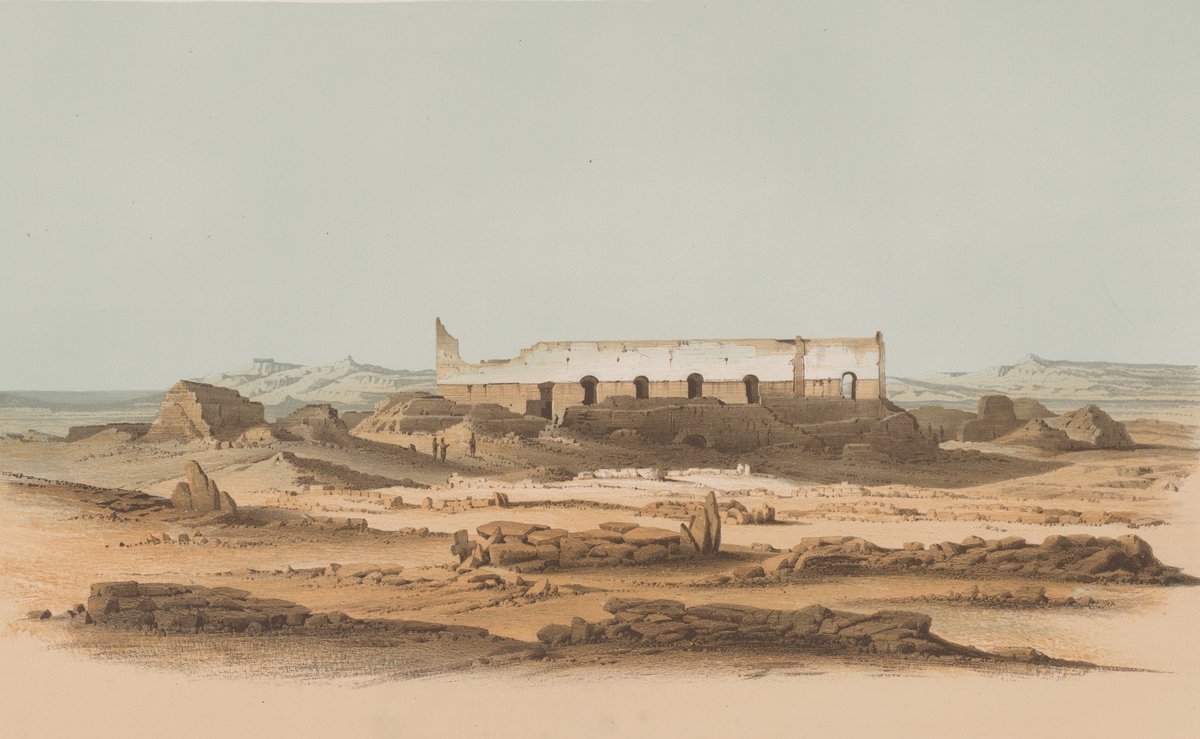
During the medieval period, intensive trade relations with the Far East and Europe continued. In 1812, the Mamluks fled to Sudan to escape purges in Egypt and conquered Old Dongola. They founded the city of New Dongola downriver, which grew in size during the nineteenth century, shifting the economic and trade center of the region 80 km (50 miles) to the opposite side of the Nile. Today, Old Dongola stands as a testament to the bygone era of medieval Nubia, with various cemeteries and ruins still visible across the site.
Sources: Wikipedia, OpenStreetMap, Wikidata, Wikimedia Commons

Written by Mutabor
Discuss this with the author and others
No comments yet. Be the first to start the conversation.