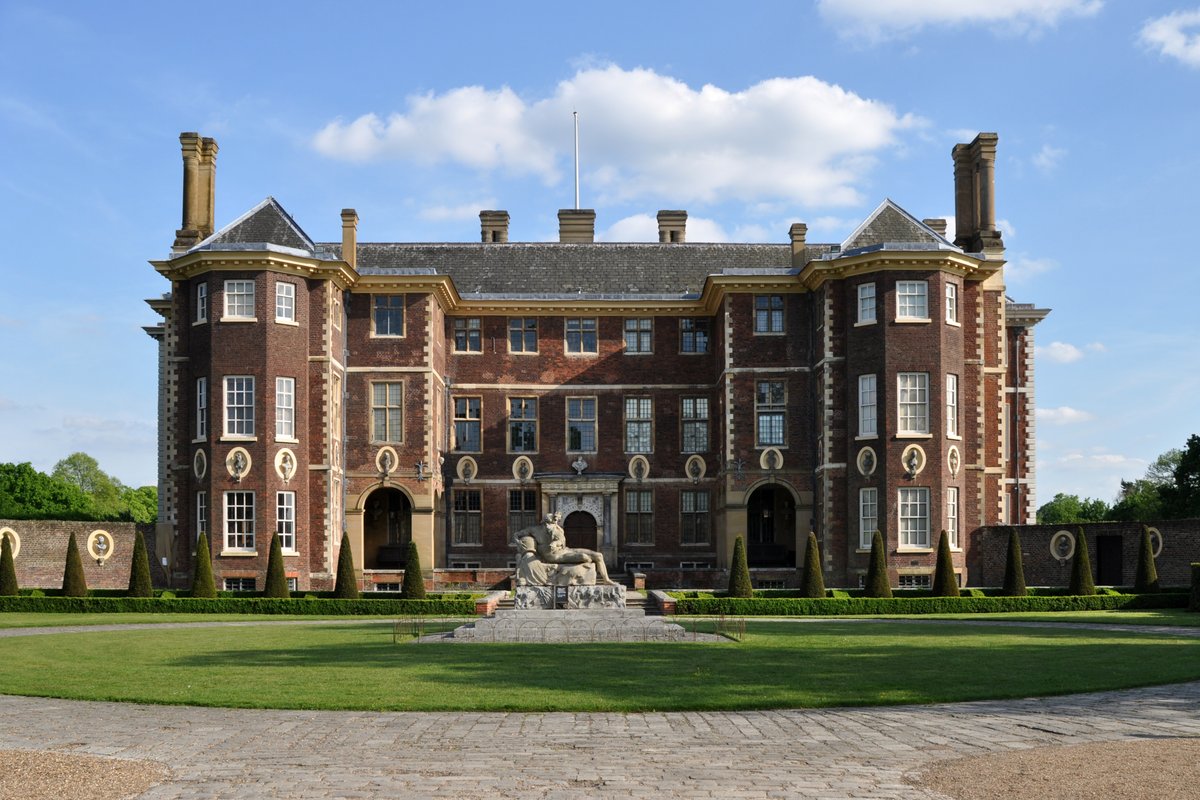
Ham House, a 17th century stately home in Ham, London Borough of Richmond upon Thames, is a monument to the art of wielding power and influence. Originally built by Thomas Vavasour in 1610, Ham House experienced a transformative period when William Murray, a courtier and alleged whipping boy of Charles I, leased it in 1626. The English Civil War saw the house and much of its estate confiscated, but Murray's wife Catherine, a shrewd and influential figure, managed to regain it after compensating for its sequestration.
Under her guidance, Ham House flourished. During the Protectorate, Elizabeth Murray, Countess of Dysart, ensured the estate's continuity following her father's death in 1655. Her marriage to John Maitland, 1st Duke of Lauderdale accelerated Ham House's expansion and embellishment. The rebuilt house was nearly double its original size, boasting the finest courtly taste in its furnishings and decor. Countess Elizabeth's collection of art, tapestries, and furniture further enhanced the grand rooms and galleries, making Ham House a sought-after destination for the elite.
In 1640, William Murray handed over Ham House to Katherine and his four daughters. After the Restoration, Elizabeth retained the titles to the Manors of Ham and Petersham, which had not been sold off during the Civil War. In 1948, Lyonel and his son, Major (Cecil) Lyonel Tollemache, donated Ham House to the National Trust, preserving it as a Grade I listed building and a museum accredited by Arts Council England, offering a window into 17th century politics, art, and design for visitors today.
Sources: Wikipedia, OpenStreetMap, Wikidata, Wikimedia Commons
Written by Nicolo Ciampini
Discuss this with the author and others
No comments yet. Be the first to start the conversation.