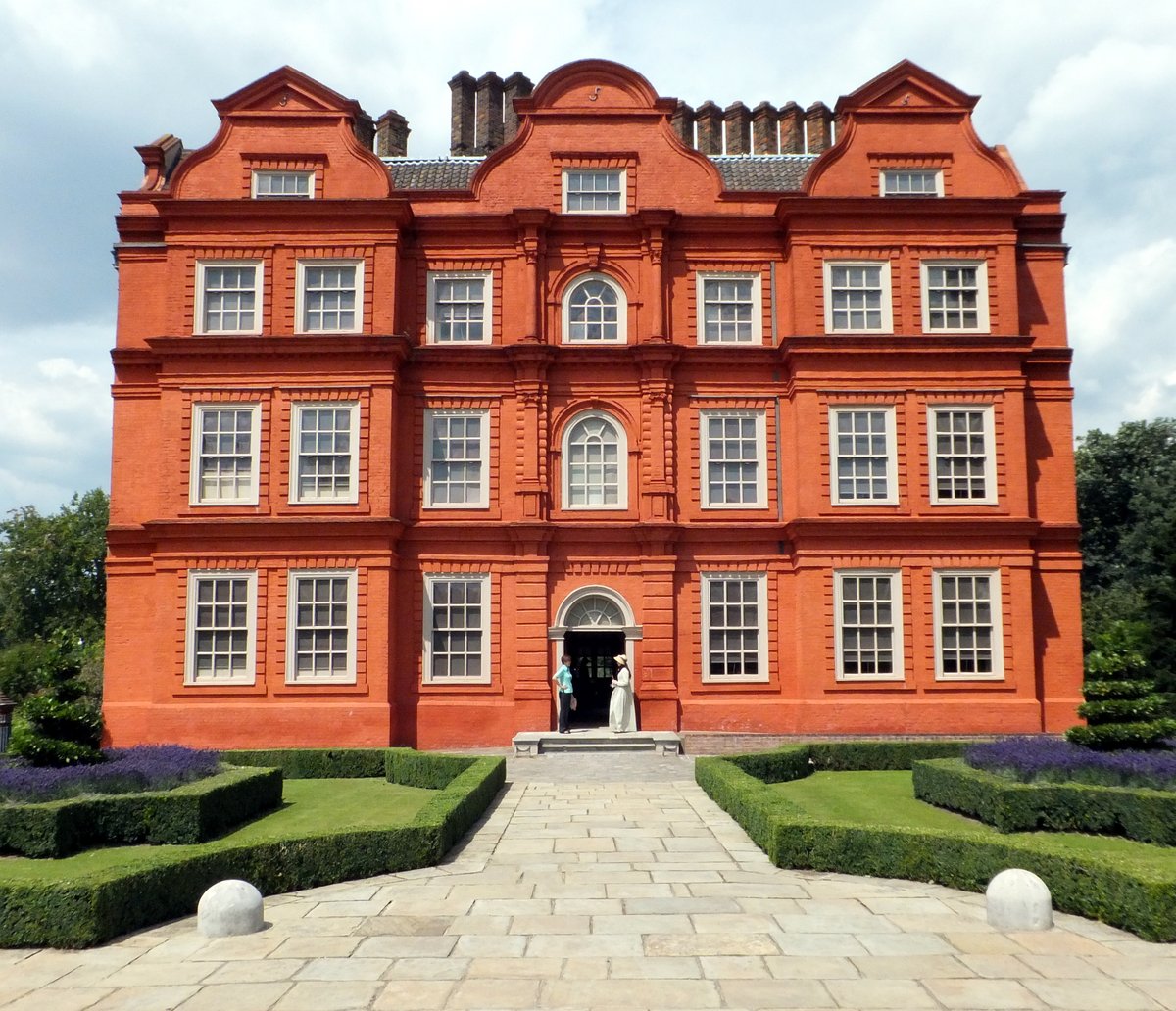

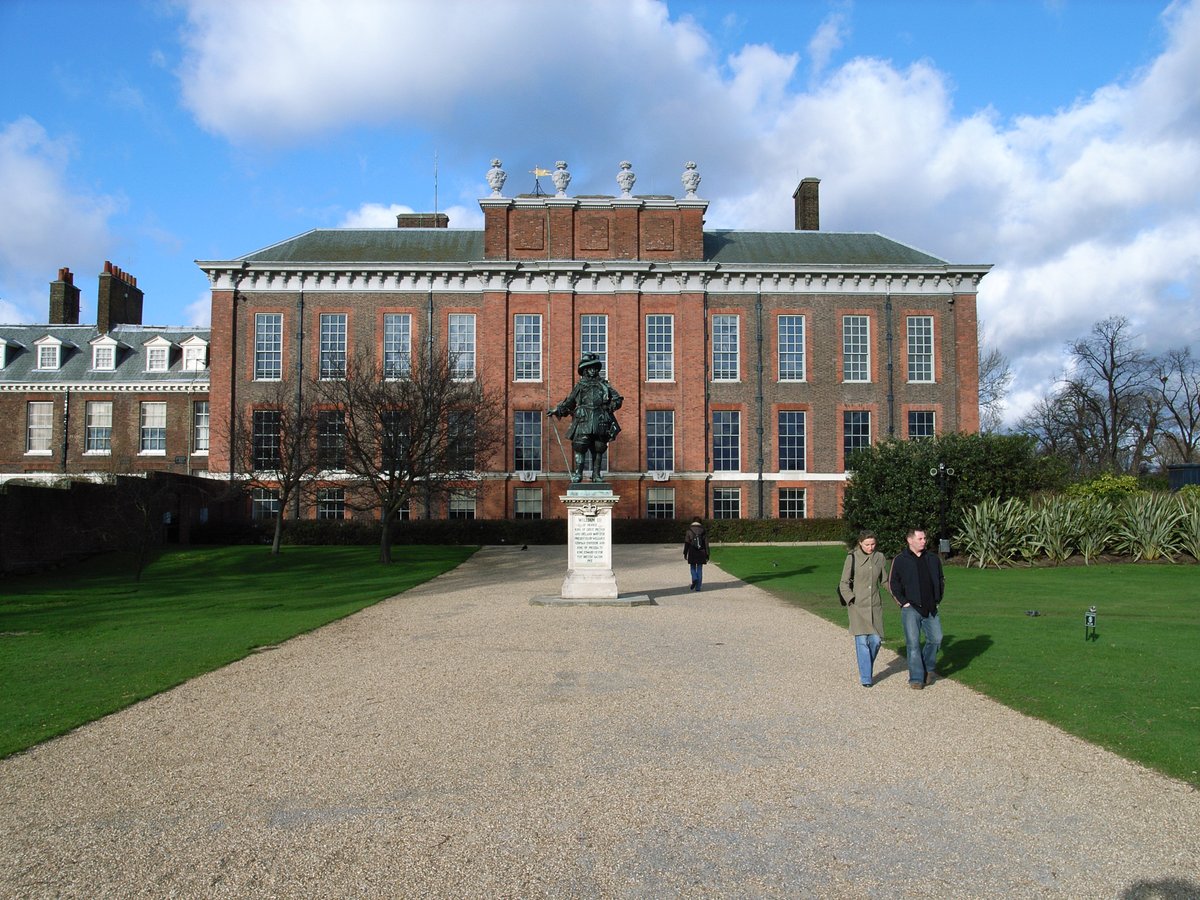
So, you’re standing in front of Kew Palace. Is it a grand royal fortress? Not exactly. Most of the original palace complex is gone, leaving behind mainly the Dutch House. Why is it called that? Because of its gables, which looked Dutch to the local eye - even though the style was actually more common in East Anglia at the time. It was built in 1631 by Samuel Fortrey, a merchant, not a monarch.
The Fortrey family gave the building its personality long before it saw a royal inhabitant. The current house sits atop an even older 16th-century undercroft. It belongs to a west-facing brick building that once belonged to the Earl of Leicester, a close friend of Elizabeth I. She even visited the site in 1563. It is a bit of an architectural soup - one house demolished to build another while the foundations just keep gathering dust.
Royal life arrived later, in 1728, when Queen Caroline leased the house for her daughters. It served as a home for George II’s children for decades. The Prince of Wales, Frederick, eventually bought the neighboring house and turned it into the White House. He even had his sisters play music together in 1733, as shown in a 1733 oil-on-canvas musical portrait by Philip Mercier.
Today, you can still wander through the service wing and visit the old kitchens. Most of the surrounding buildings are private, but the kitchens remain open to the public. It is a strange, layered history of merchants, poets, and royals, all squeezed into a few acres of garden.
Sources: Wikipedia, OpenStreetMap, Wikidata, Wikimedia Commons


Written by Nicolo Ciampini
Discuss this with the author and others
No comments yet. Be the first to start the conversation.