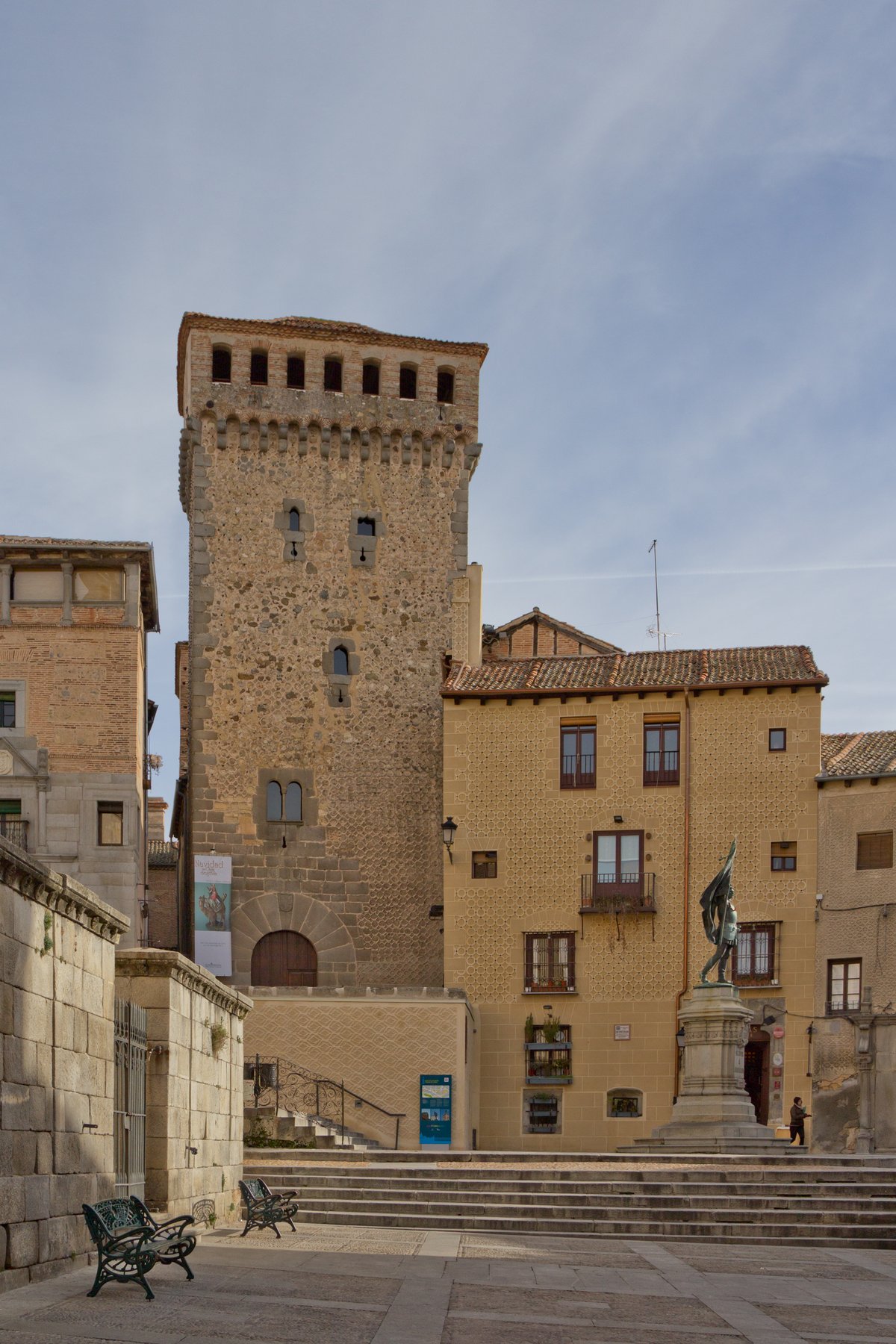

On the penultimate floor of the Torreón de Lozoya, the walls bear a series of charcoal graffiti. These markings - ranging from ships and dragons to phallic signs - were left by guards who used braziers to stay warm. In the past, when the building was occupied by a school for Concepcionist Mothers, students also left marks while watching for planes coming from the mountain front.
While these sketches offer a human connection to the past, the building's structure tells a story of strategic defense. Built between the 13th and 15th centuries, the complex features two towers. The main tower stands 25 metres tall, while a smaller one is set at a distance to provide a defense that evidences the conflicts lived in the Late Middle Ages. Even the entrance is designed with a winding layout to prevent an enemy from charging straight into the hall.
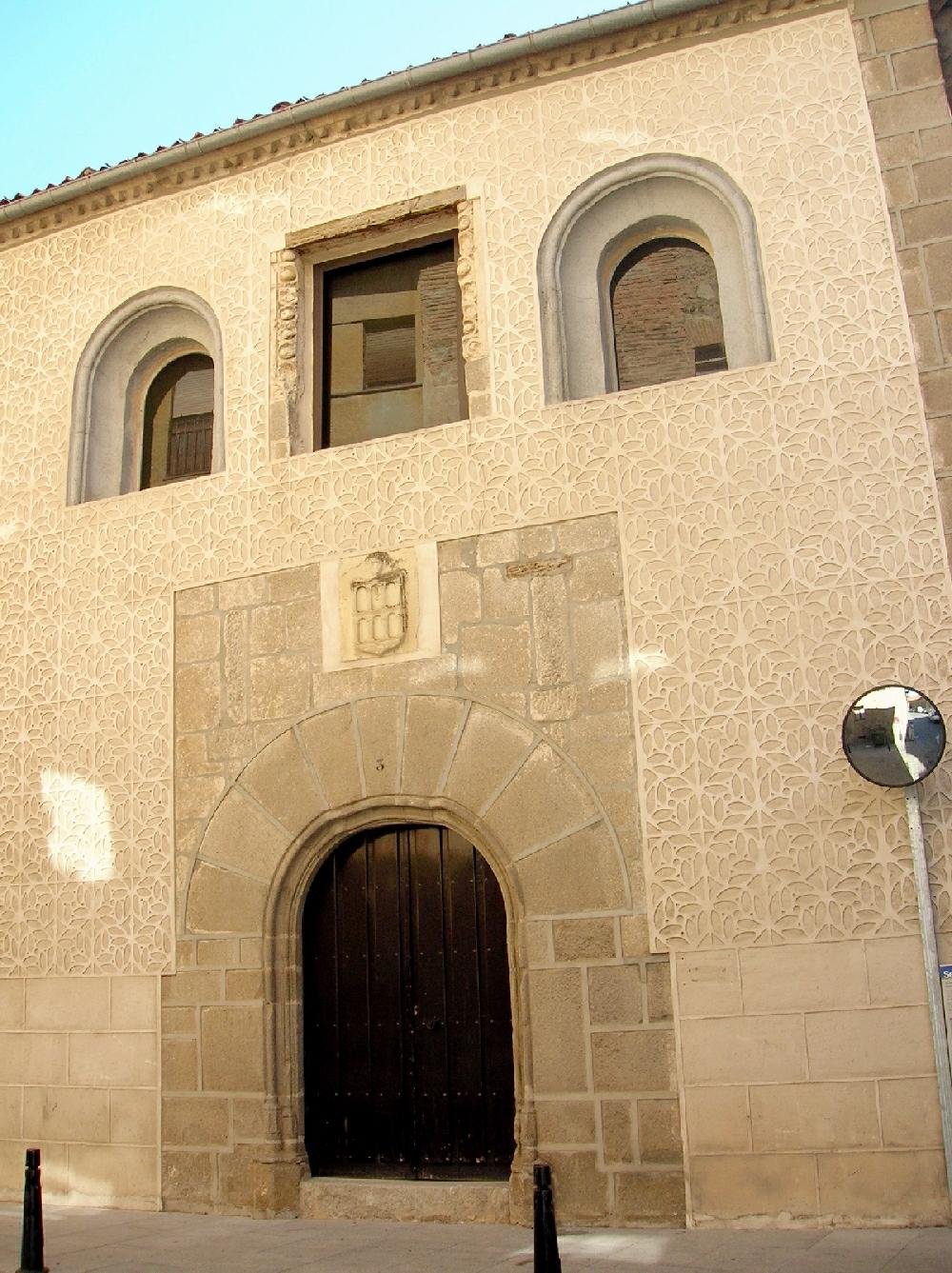
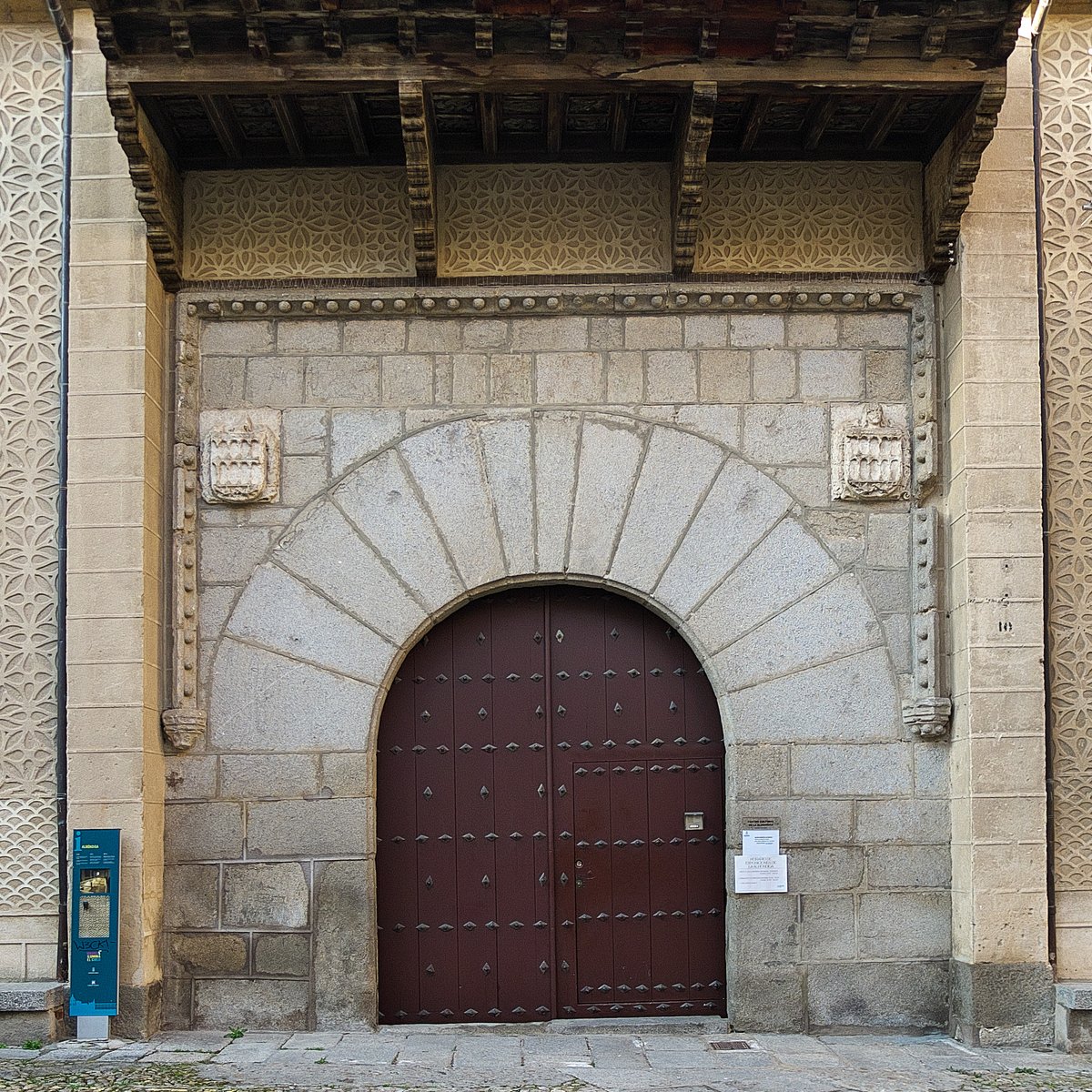
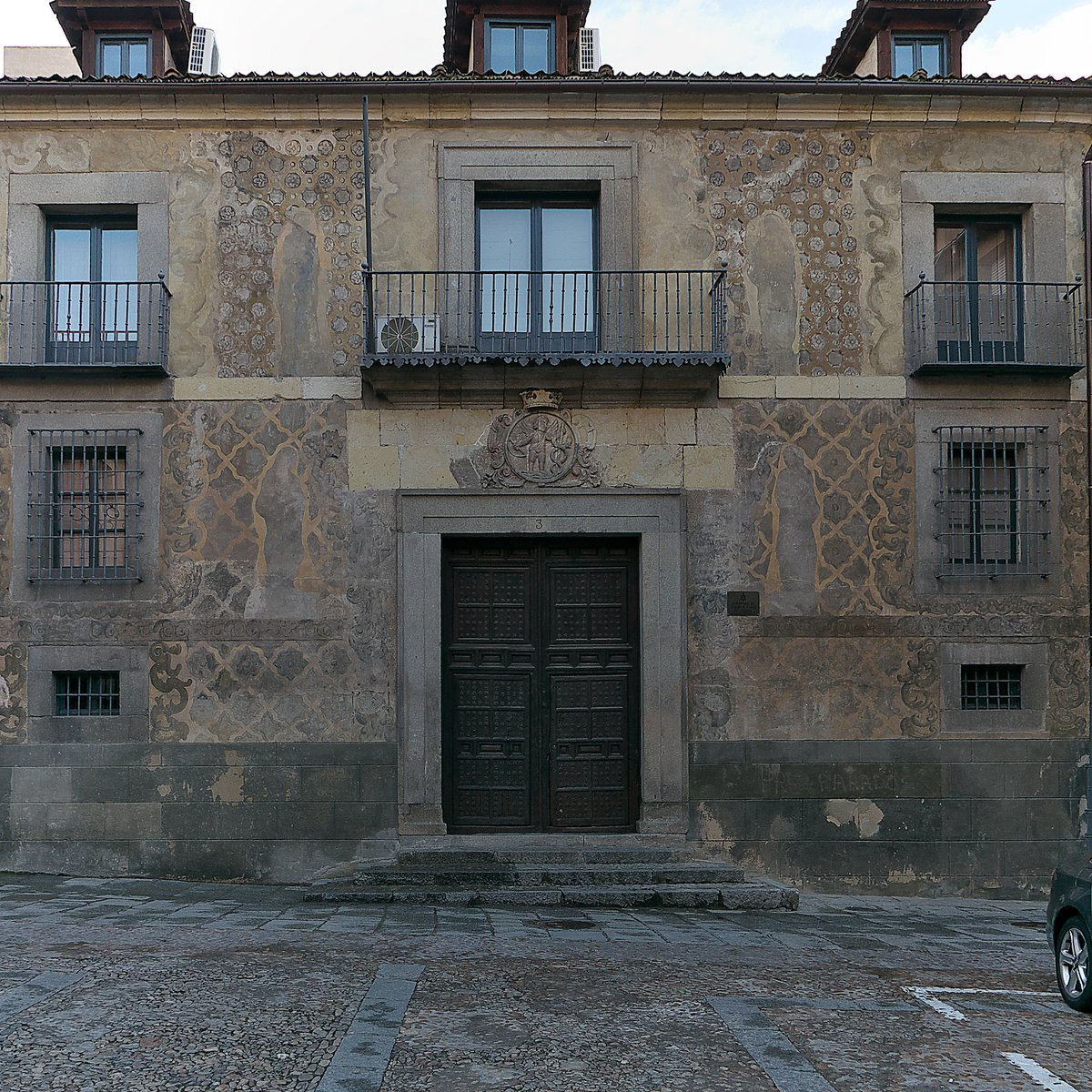
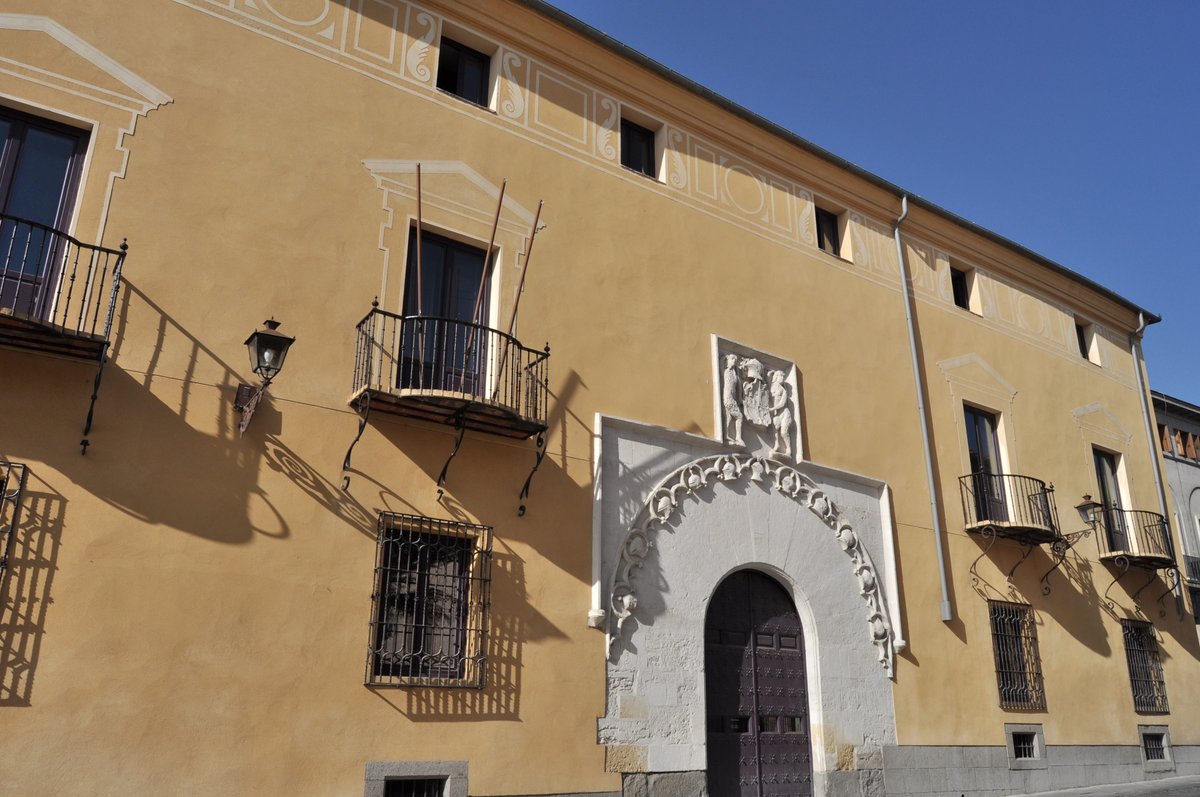
The exterior is unique for its esgrafiado, a technique where two European traditions - one Mudéjar and one Renaissance - converge. The resulting geometric patterns represent tangent circles speckled with bits of slag.
Today, the site functions as a cultural hub. You can find a shop-library in the Renaissance courtyard and a garden used for concerts and festivals. A ticket at the shop provides access to the top floor, where the tower's windows provide a 360-degree panorama of the city and its surroundings.
Sources: Wikipedia, OpenStreetMap, Wikidata, Wikimedia Commons
Written by Nik Frost
Discuss this with the author and others
No comments yet. Be the first to start the conversation.