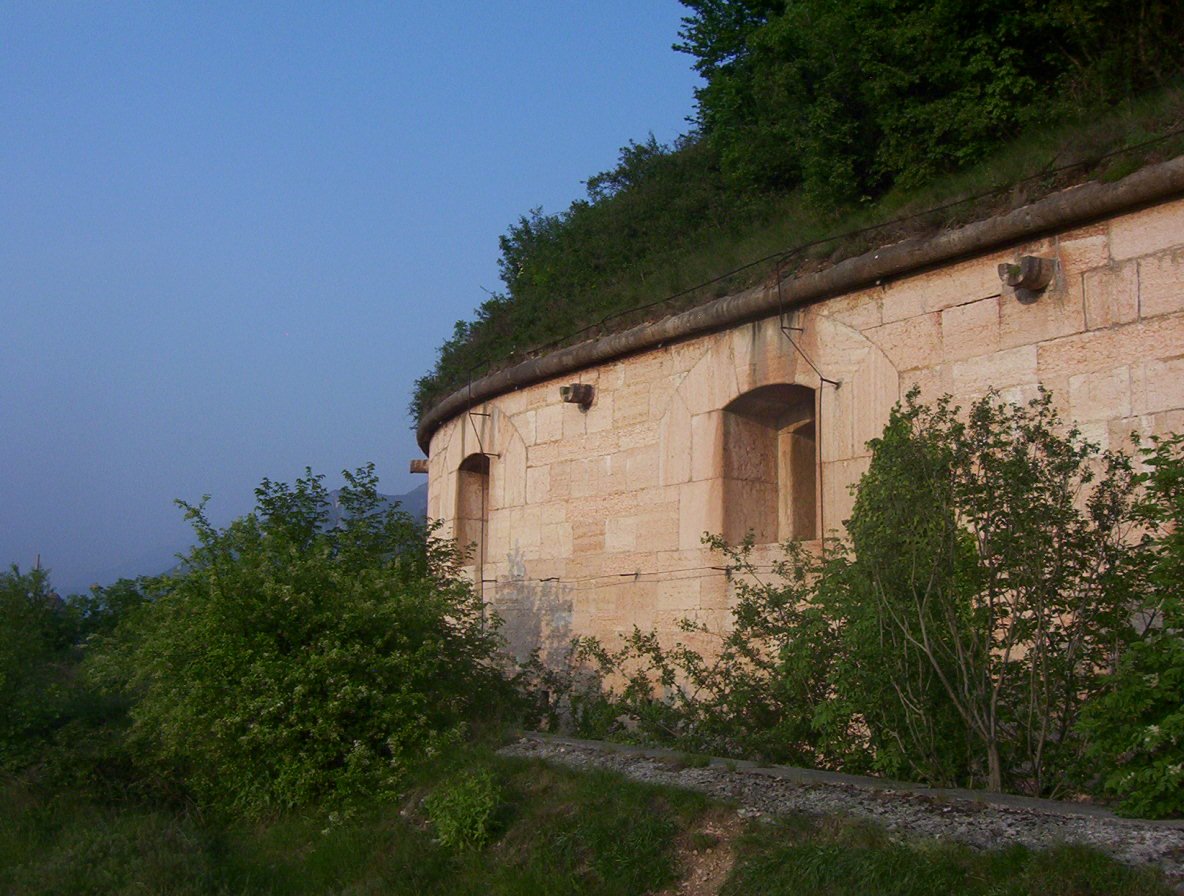

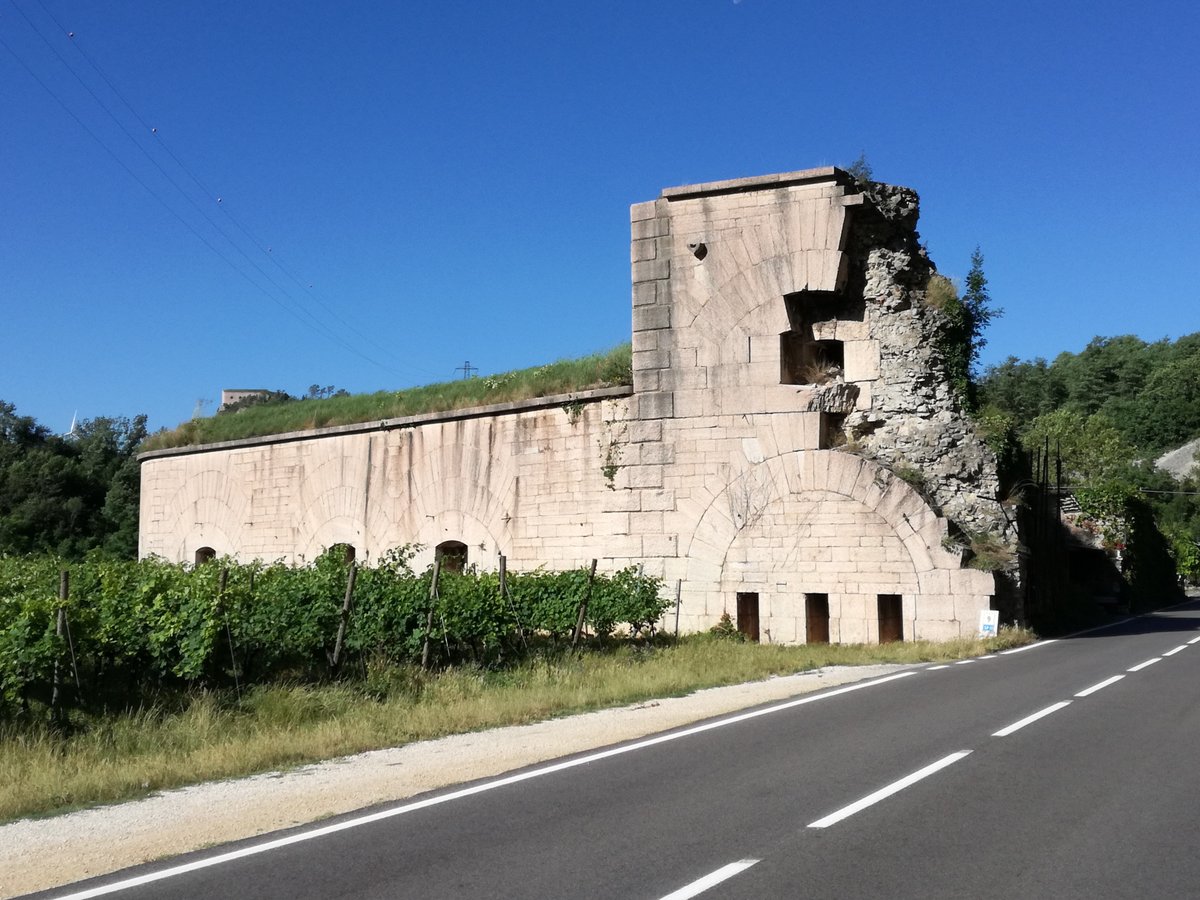
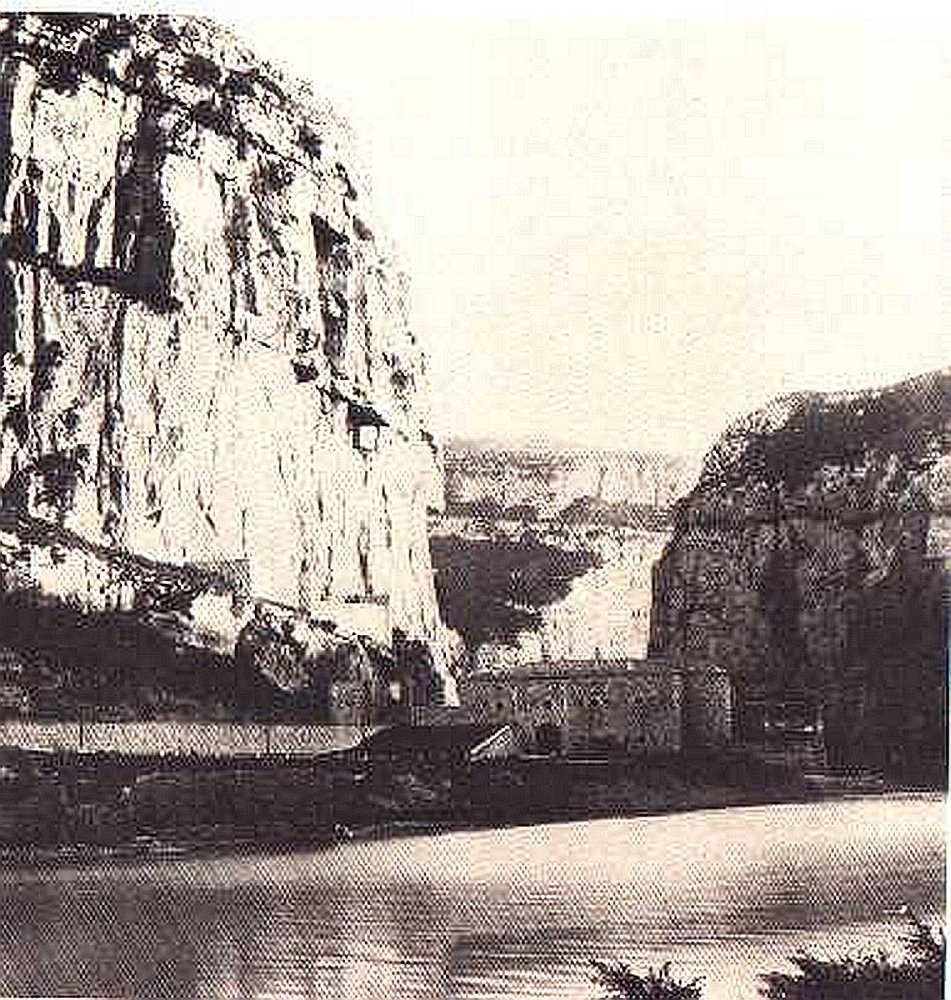
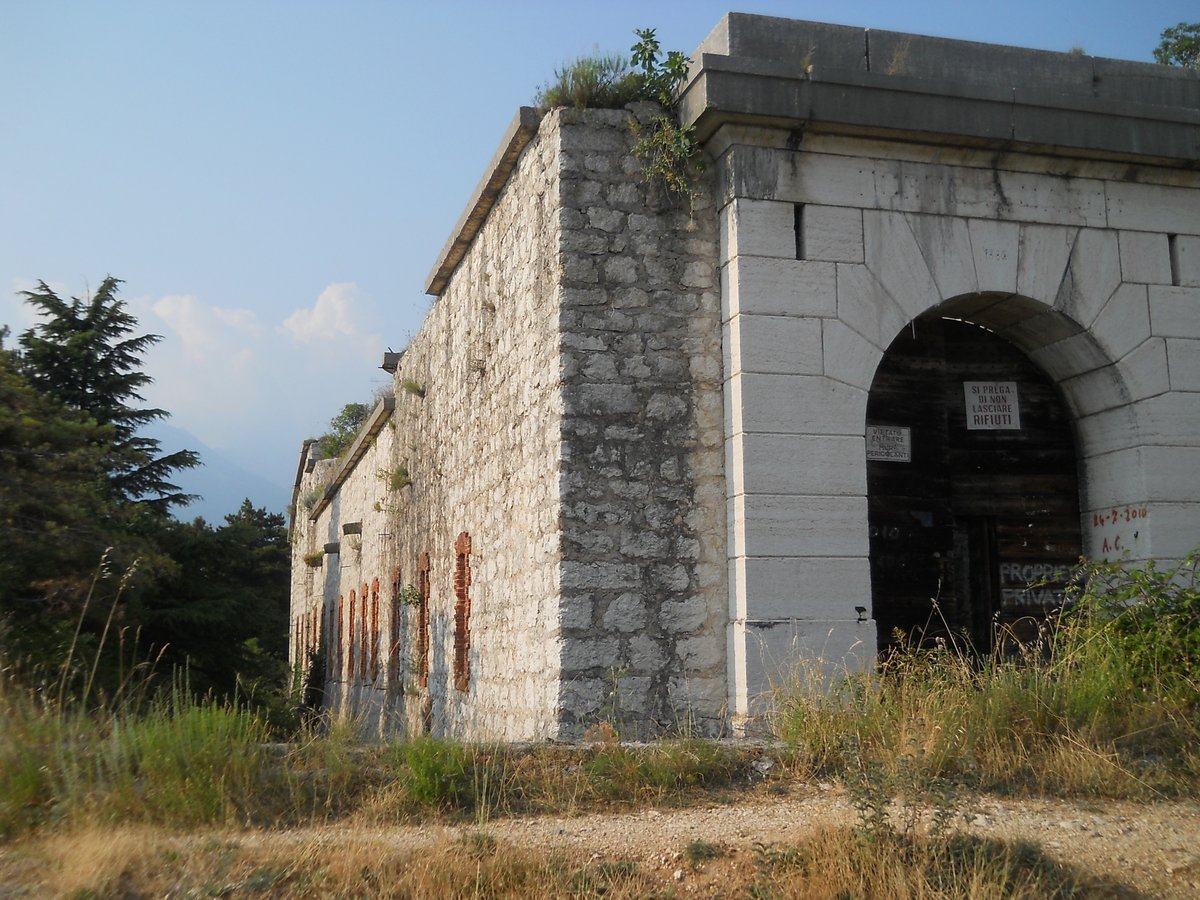
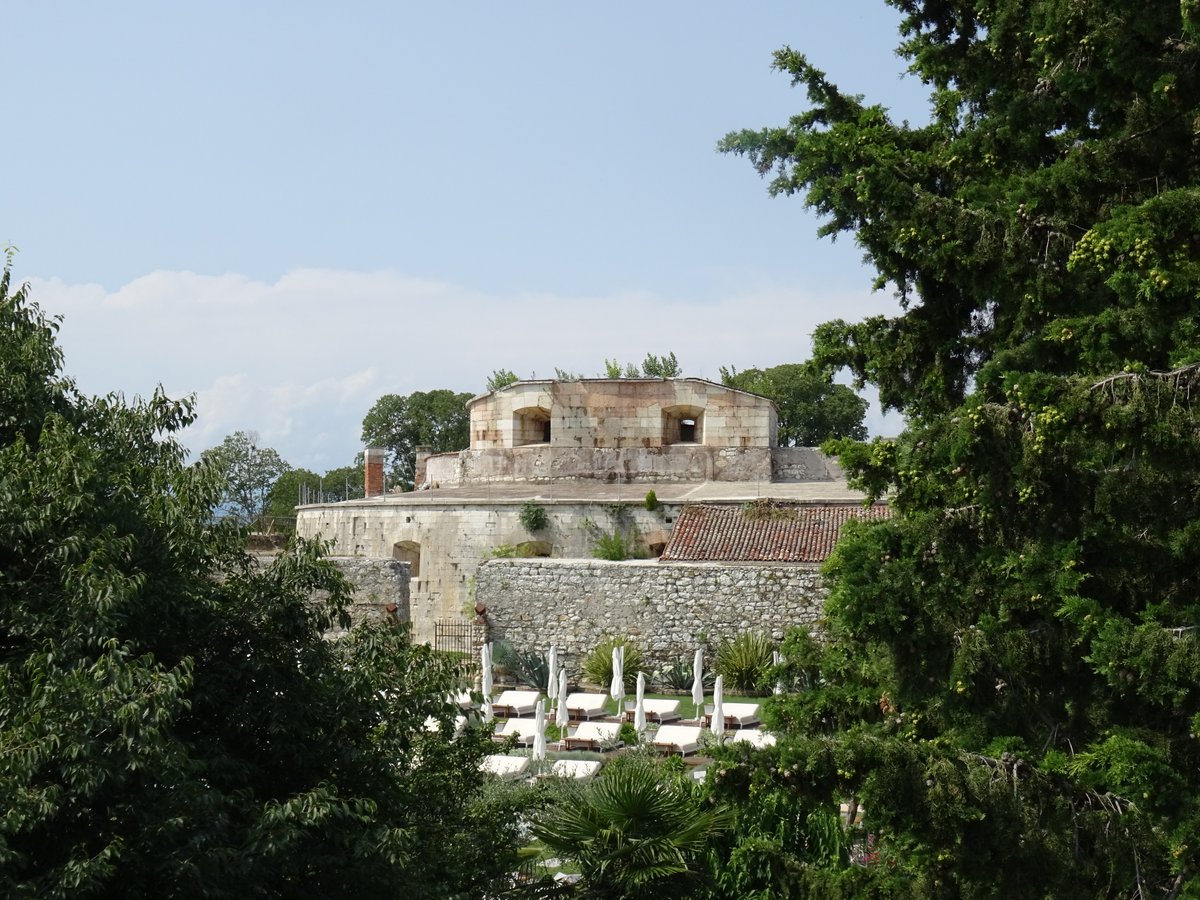
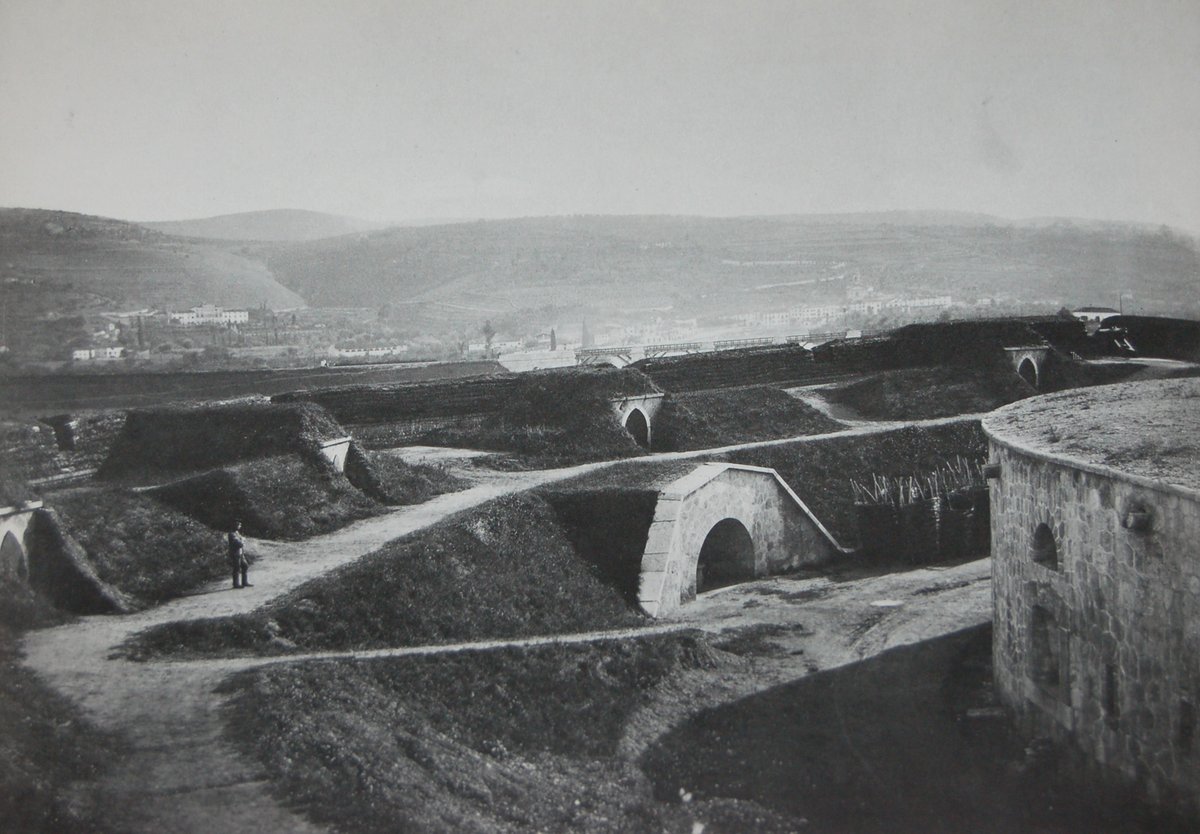
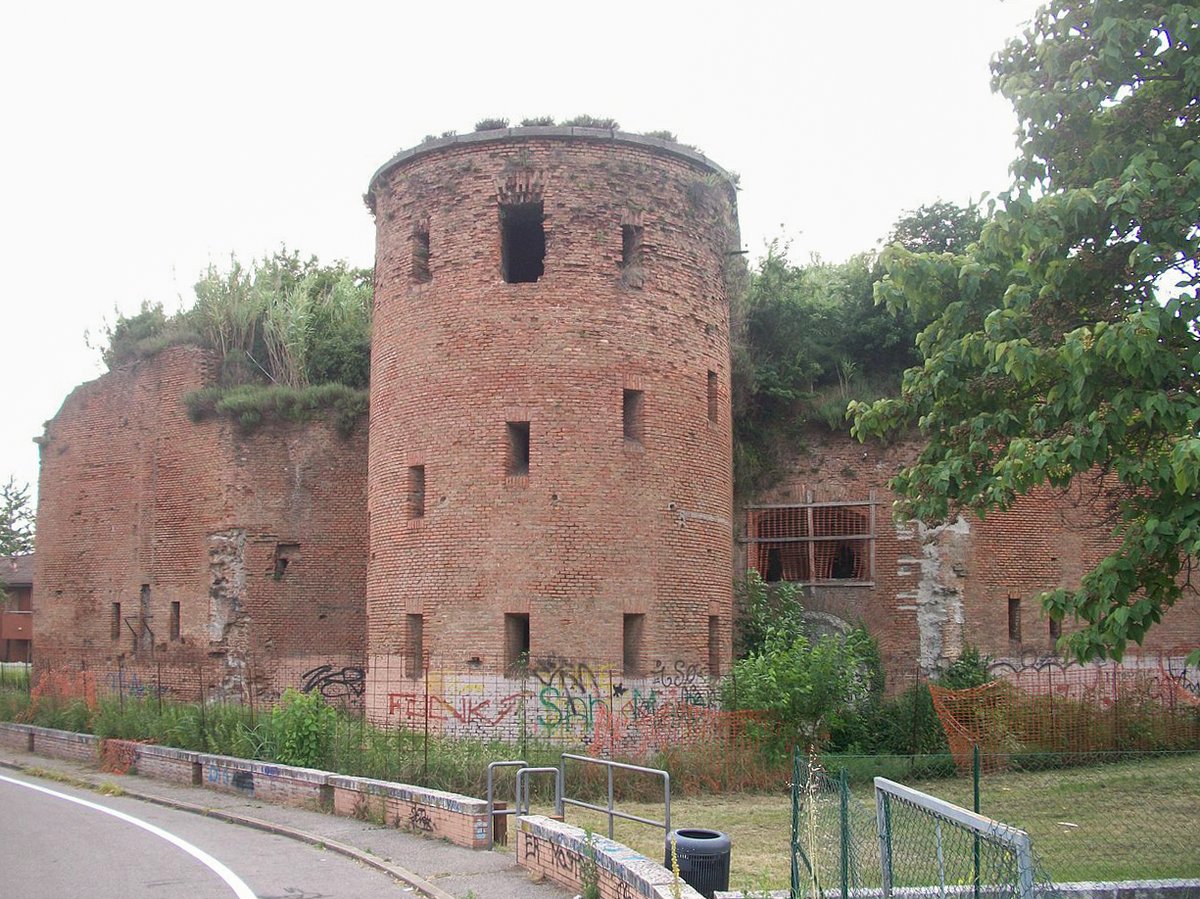
Fort Ceraino was built between 1850 and 1851 as part of the Rivoli-Ceraino group of fortifications near the municipality of Ceraino in Northern Italy. Originally named Fort Hlawaty after the main architect of the fortifications of Verona, Lieutenant Field Marshal Johann von Hlavaty, it was constructed by Austria-Hungary.
Built at an altitude of 236m on Monte Pastello, the fort is constructed out of quarried stone. It is surrounded by a moat that is 5m wide and 3-4m deep, which was chiseled out of stone. Within the moat are numerous rifle slits. The garrison for the fort consisted of between 1/2 and 3/4 of an infantry company and between 100 and 115 artillery crew members.
The fort was equipped with 15 guns of various calibers and two batteries of 4 quick-firing guns. After Italy received the fort as part of Lombardy following the Austro-Prussian War of 1866, it was renamed Fort Ceraino. The guns were then turned around so that they could fire towards the Austro-Hungarian border.
Sources: Wikipedia, OpenStreetMap, Wikidata, Wikimedia Commons
Written by Nicolo Ciampini
Discuss this with the author and others
No comments yet. Be the first to start the conversation.