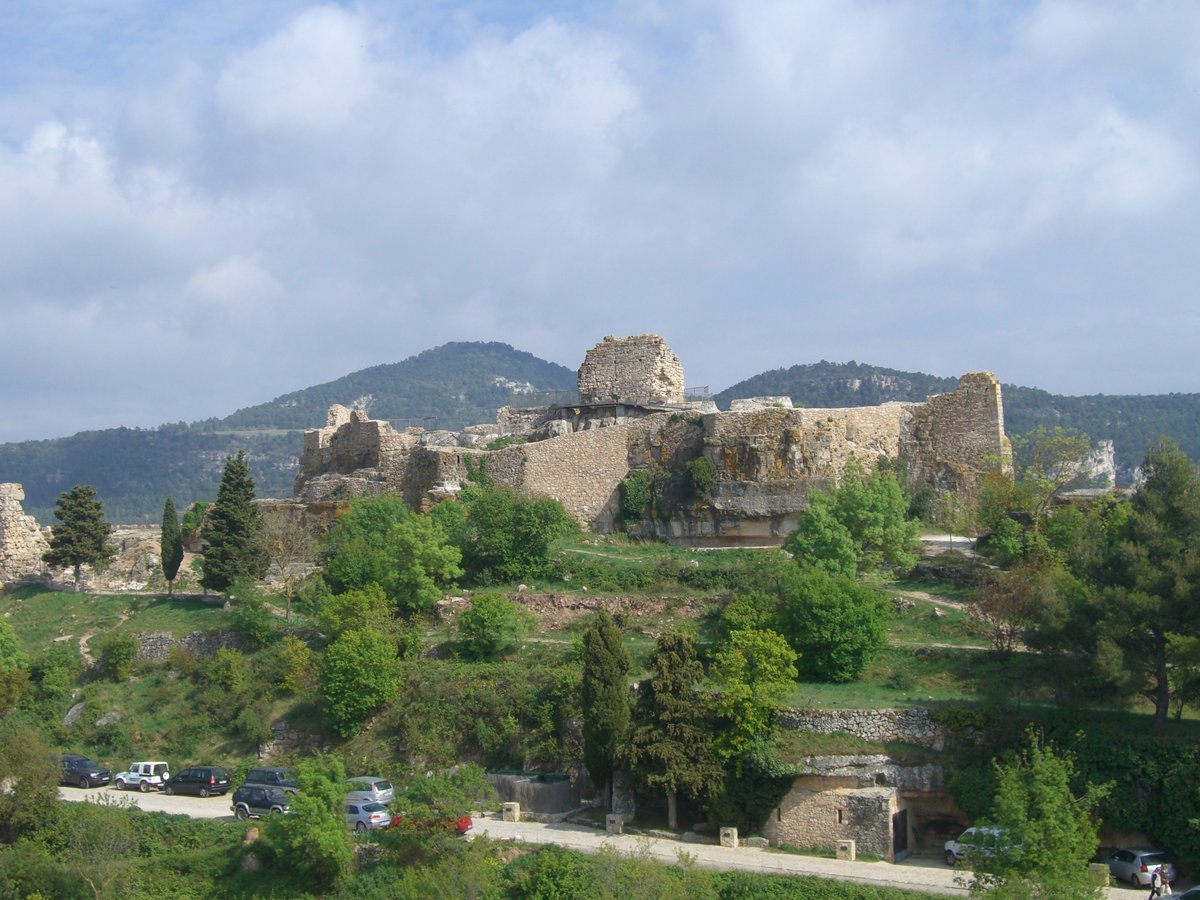

Castell de Siurana, nestled in the municipality of Cornudella de Montsant, Catalonia, Spain, stands as a testament to enduring power and influence. For over a millennium, this remarkable hilltop fortress has played a pivotal role in regional conflict and governance. The castle's history dates back to the late 8th century, when Muslim forces first established this strategic site. Over the centuries, it has served as a stronghold for various factions, from Muslim occupiers to Christian Reconquistadores and ultimately the monarchy.
The castle continues to exert its influence even today. Remnants of walls, the base of the tower, and a chamber with a reinforced vault remain, offering a glimpse into the castle's past. The castle, built on a cliff, overlooks the only natural access to the village.
In the 12th century, the royal bailiwick of the Mountains of Siurana fell into the hands of Queen Sança, wife of Alfons I. Archeological excavations reveal Arab fortifications beneath the Christian remains.
Castell de Siurana was later declared a national cultural heritage site.
Sources: Wikipedia, OpenStreetMap, Wikidata, Wikimedia Commons
Written by Nik Frost
Discuss this with the author and others
No comments yet. Be the first to start the conversation.