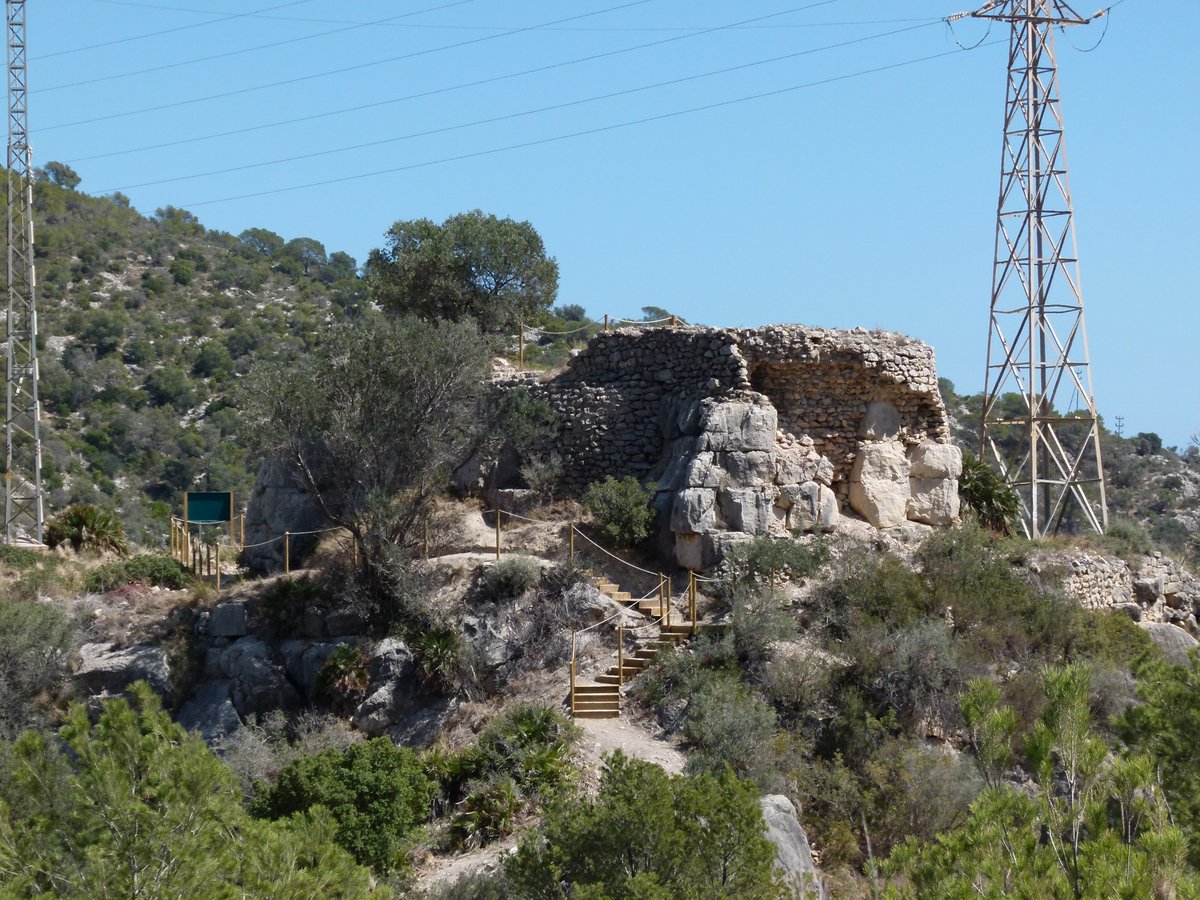

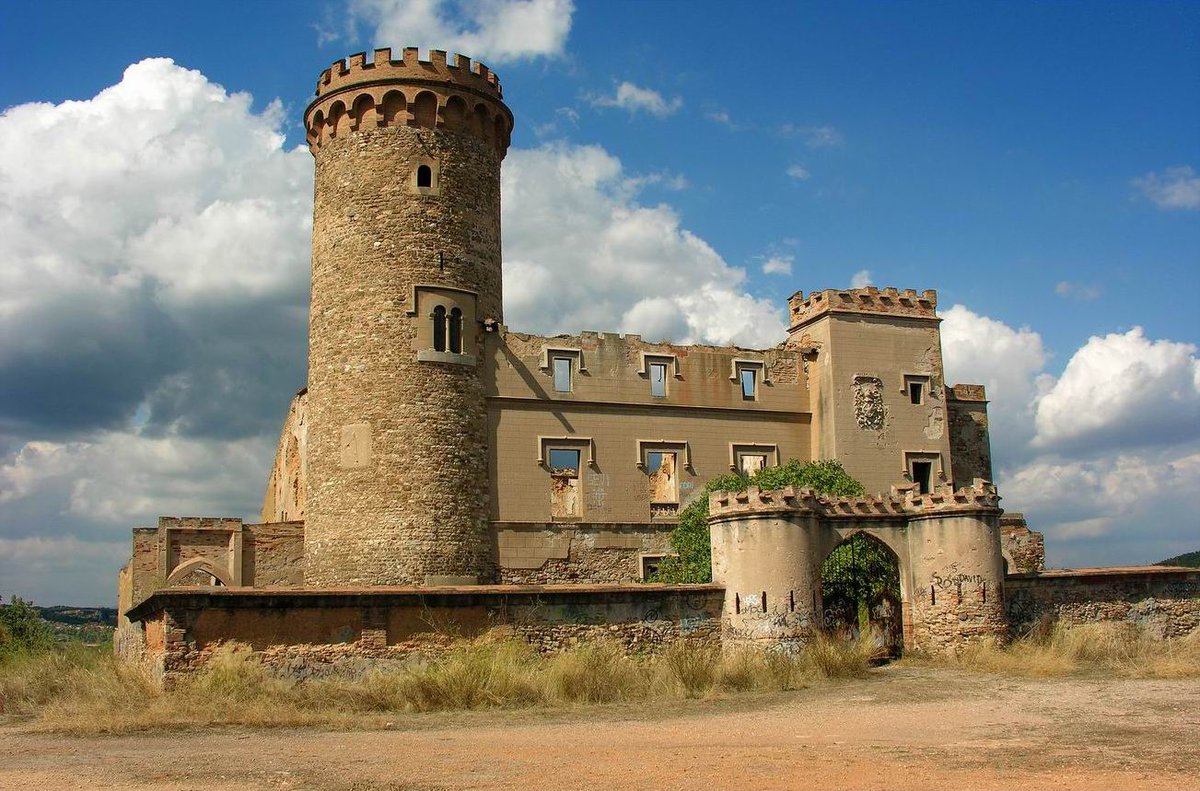
The ruins of Castell de Garraf stand firmly on a rocky promontory overlooking the torrent de Garraf. While modern maps identify the site as Castellet, the local people of the town of Garraf have preserved the name Castellot for generations. This enduring presence invites us to look closer at its historical progression.
Historical records trace the site back to the 12th century, beginning with a monastery-castle built around 1159. By 1365, the prior of Garraf held rights to three hearths. However, the security of the site faltered in 1382 when a local man named Bernat de Fortià rebelled against the lordship. That summer, the prior's summer residence and part of the church were destroyed. Because of this negligence, the bishop urged the prior to resign from the priory.
We can trace the subsequent shift in ownership with precision. In 1394, the king ceded lordship of the area to the Pia Almoina of the See of Barcelona. By 1418, the university of Sitges purchased the rights to the land. This transition marks a significant chapter in the site's long history.
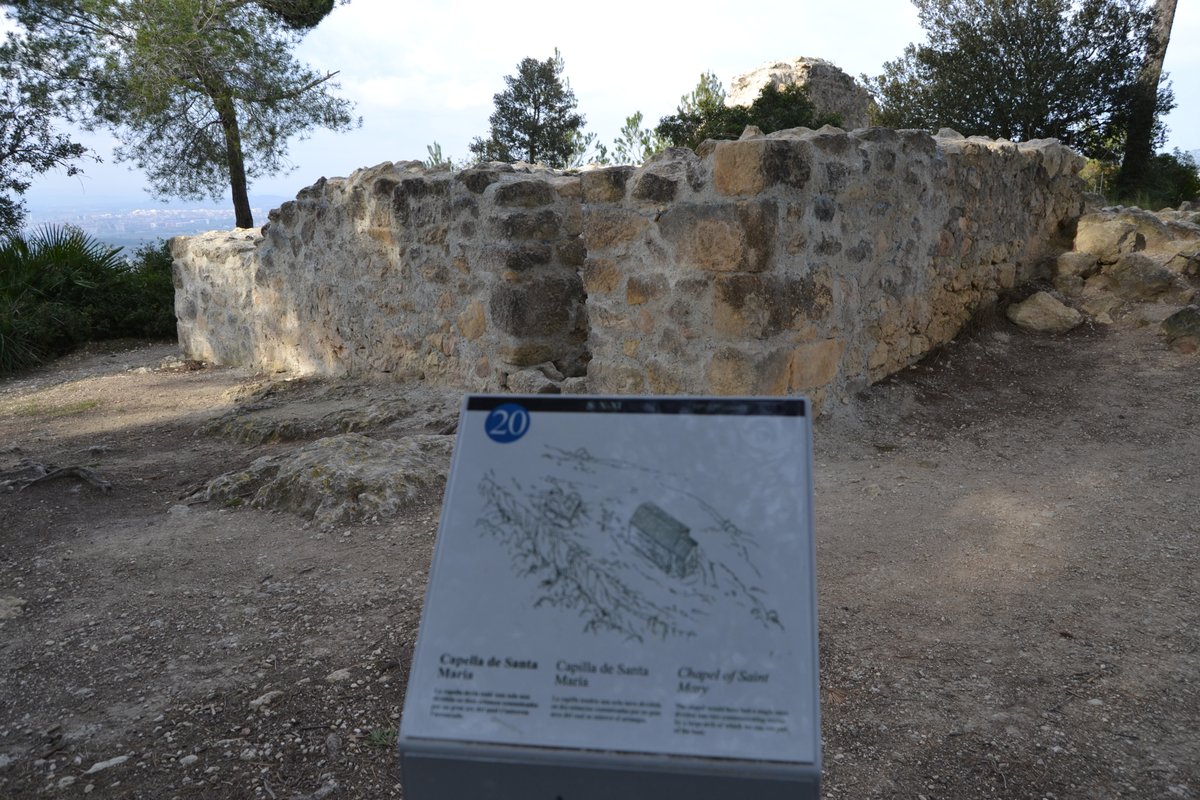
Today, the structure is a protected site of national cultural interest. Visitors can examine two vaulted spaces, a main entrance portal, and a battered arcade. In 2022, through a subsidy from European funds, the access was improved and the structure was consolidated and signposted.
Sources: Wikipedia, OpenStreetMap, Wikidata, Wikimedia Commons
Written by Nik Frost
Discuss this with the author and others
No comments yet. Be the first to start the conversation.