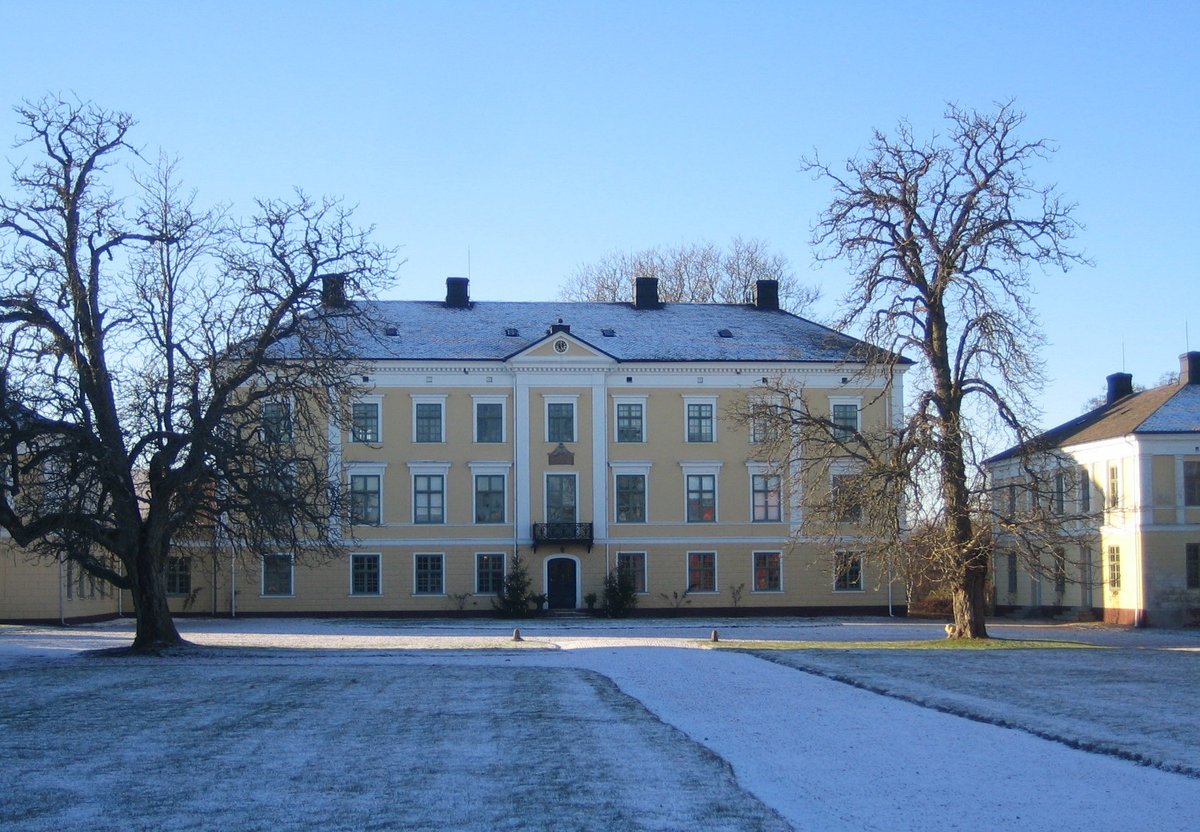

The site at Börringe stationsväg 14 invites us to look closer at a history beginning in 1150. Founded by Eskil, Archbishop of Lund, this location served as a Benedictine priory. By 1231, it was mentioned as a convent on an island in Börringe Lake. The nuns lived within a four-sided enclosure designed to separate them from the outside world.
We can trace how the community became a local fixture supported by donations and tithes from the Archdiocese of Lund. It provided housing for noblewomen seeking a religious life without full vows. In 1536, the kingdom of Denmark became Lutheran and all religious houses reverted to the crown. The property was secularized and became an estate for the Brahe family as a home for honorable and noble women. In 1582, Lady Görvel Sparre ordered the demolition of the conventual church to build a new parish church nearby.
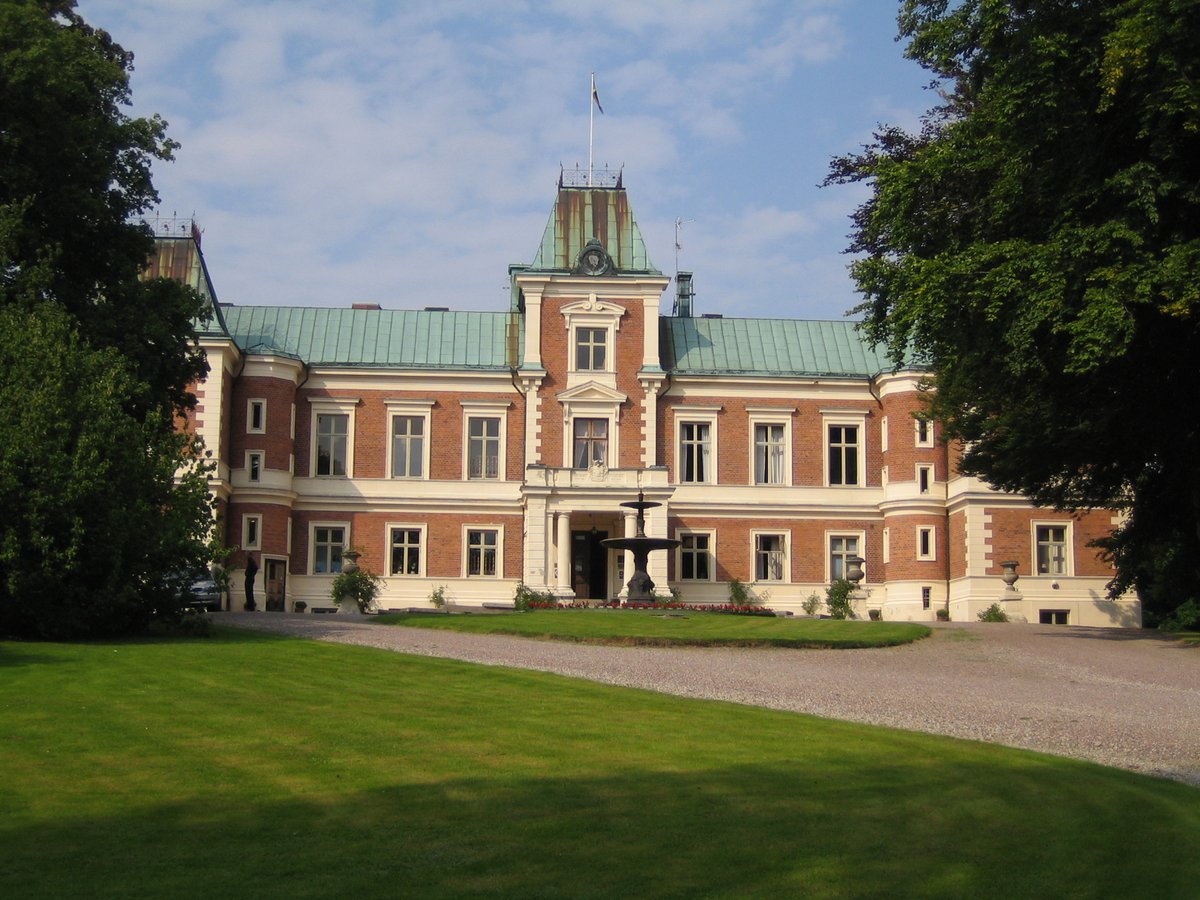
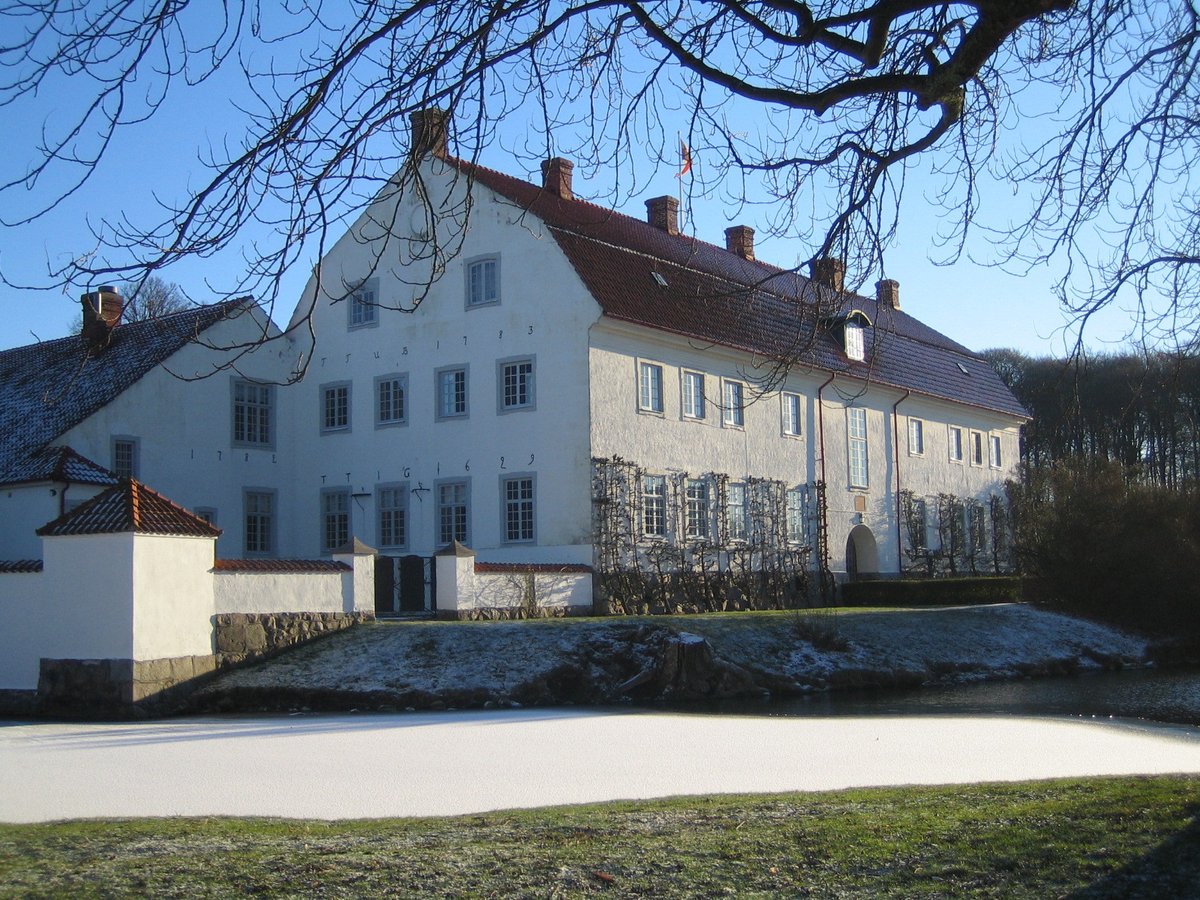
History continued to unfold as ownership shifted when Sweden took control of Scania in 1658. After several noble families held the land, the Beck-Friis family purchased it in 1745. They chose to demolish the old structures and built the current large building in 1763. This structure was later expanded and renovated in 1873 to reach its present appearance.
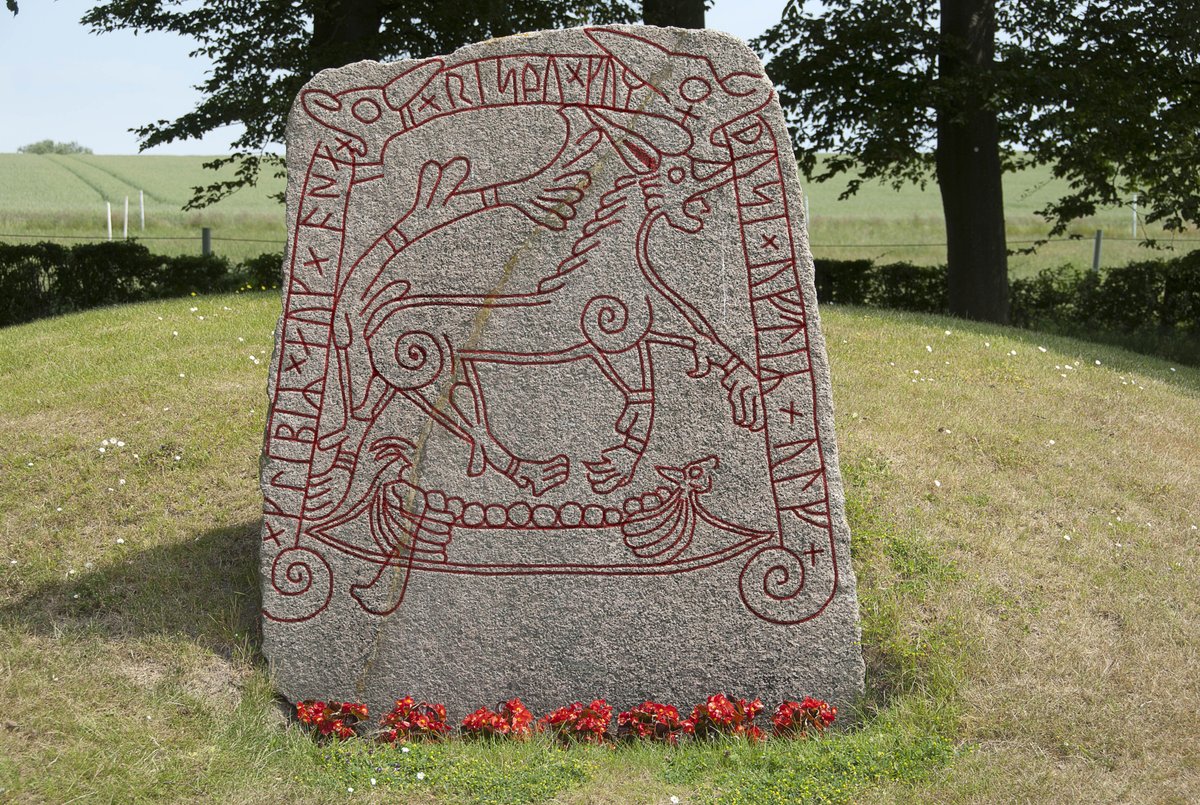
There are no remnants of the former priory to be seen, except for a few fragments from the monastic church now in the Börringe burial ground.
Sources: Wikipedia, OpenStreetMap, Wikidata, Wikimedia Commons
Written by Nik Frost
Discuss this with the author and others
No comments yet. Be the first to start the conversation.