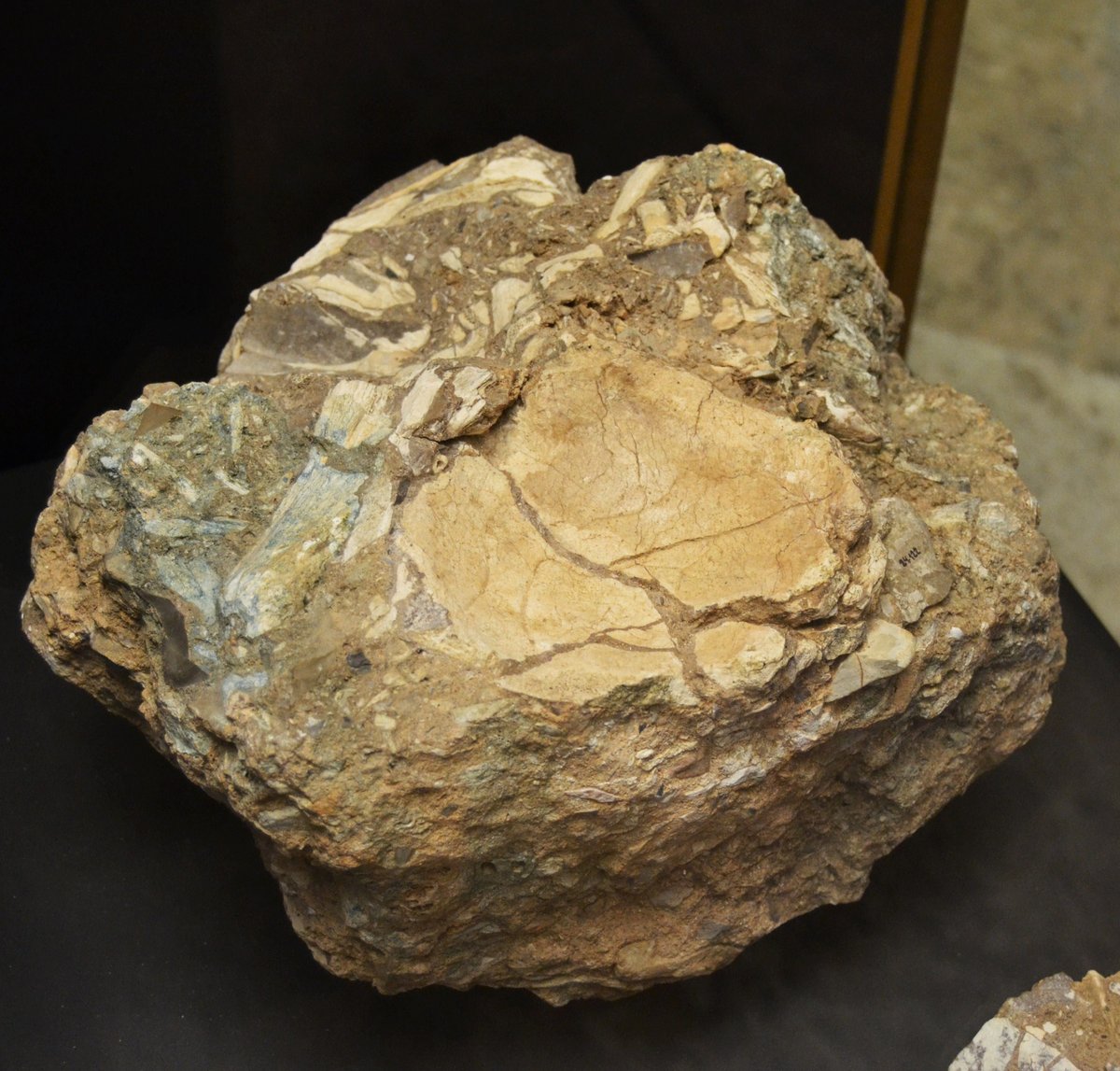

Bolomor Cave, found in the La Valldigna valley of the Valencian Community, Spain, was inhabited by Neanderthals over a long period, between 350,000 and 120,000 years ago. Excavations at the site have uncovered four remains, including a fibula fragment, teeth, a parietal bone from an adult, and a peculiar finding: rabbit remains. The human occupants are known to have dined on a variety of animals, such as ungulates, tortoises, birds, and young elephants, but the rabbits were a site-specific addition to the menu. Tools were crafted using flake production, and fire was extensively used. Today, Bolomor Cave is a significant international scientific reference and one of the most outstanding prehistoric heritage sites in the Valencian region.
Sources: Wikipedia, OpenStreetMap, Wikidata, Wikimedia Commons
Written by Nik Frost
Discuss this with the author and others
No comments yet. Be the first to start the conversation.