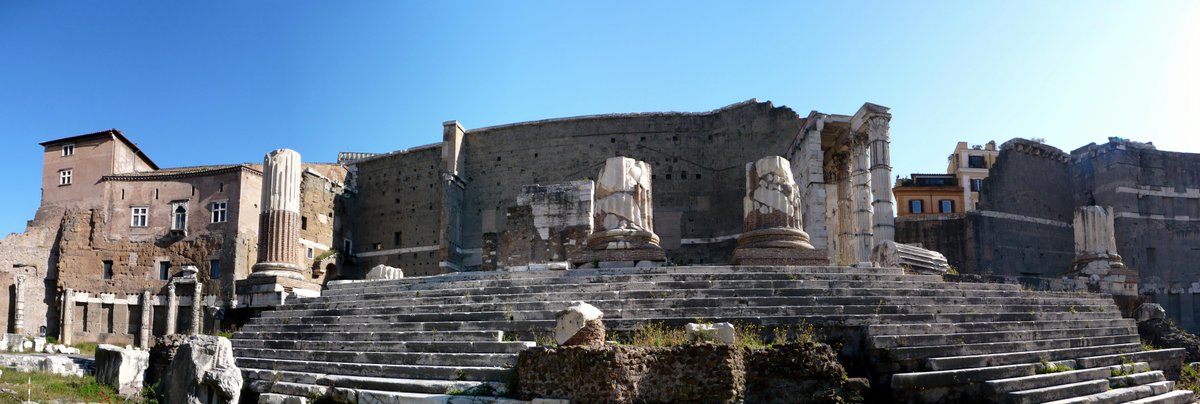

In 42 BCE, the young Octavian vowed to build a temple to Mars in his guise as avenger if he and Marcus Antonius could defeat the assassins of Julius Caesar. However, work did not commence until 20 BCE following the recovery of the Aquilae, which had been lost by Marcus Licinius Crassus in the Battle of Carrhae 33 years earlier. While the Senate had decreed the standards be housed in a temple on the Capitoline Hill, Augustus chose to build it at his own expense on the site of his new forum. Scholars speculate he delayed the vow to avoid celebrating victory over those seen as defenders of Libertas, preferring the symbolic revenge against the Parthians.
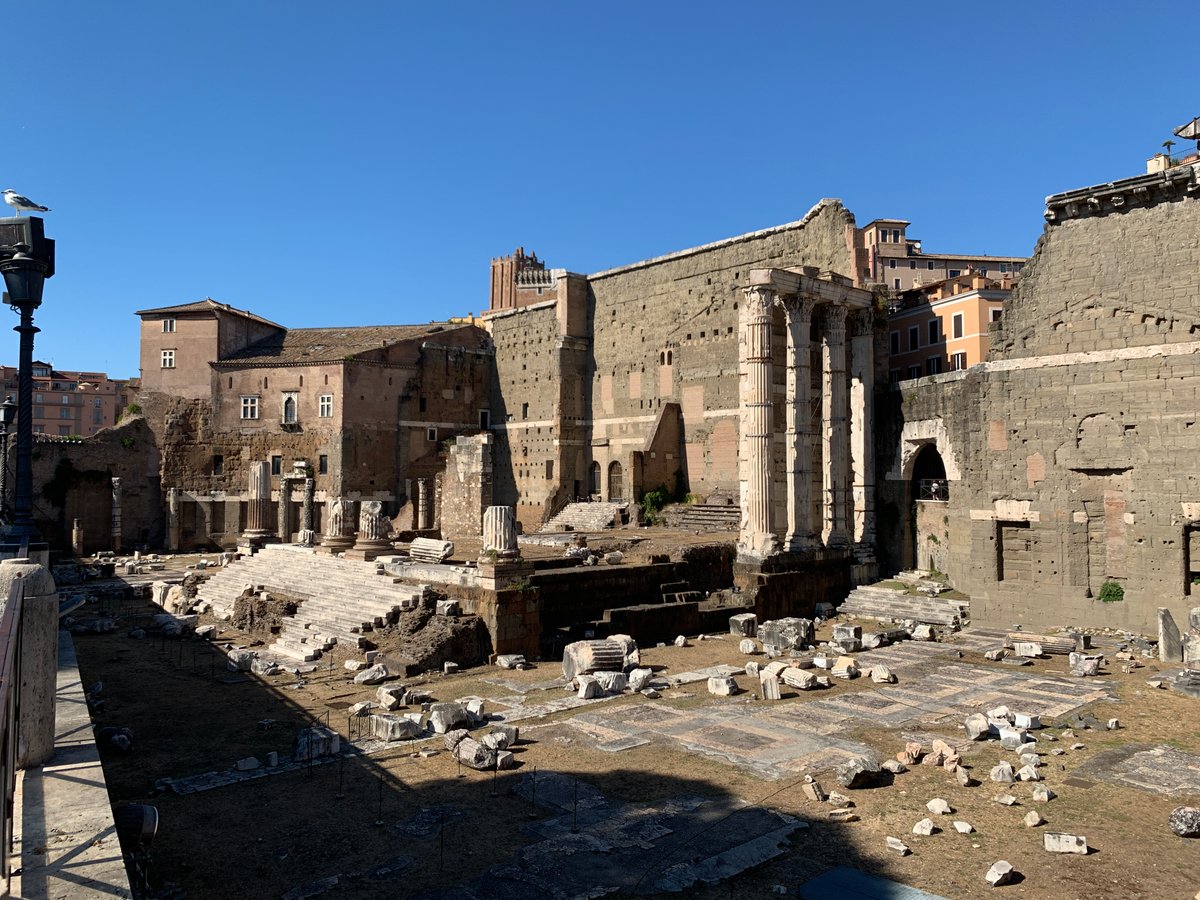
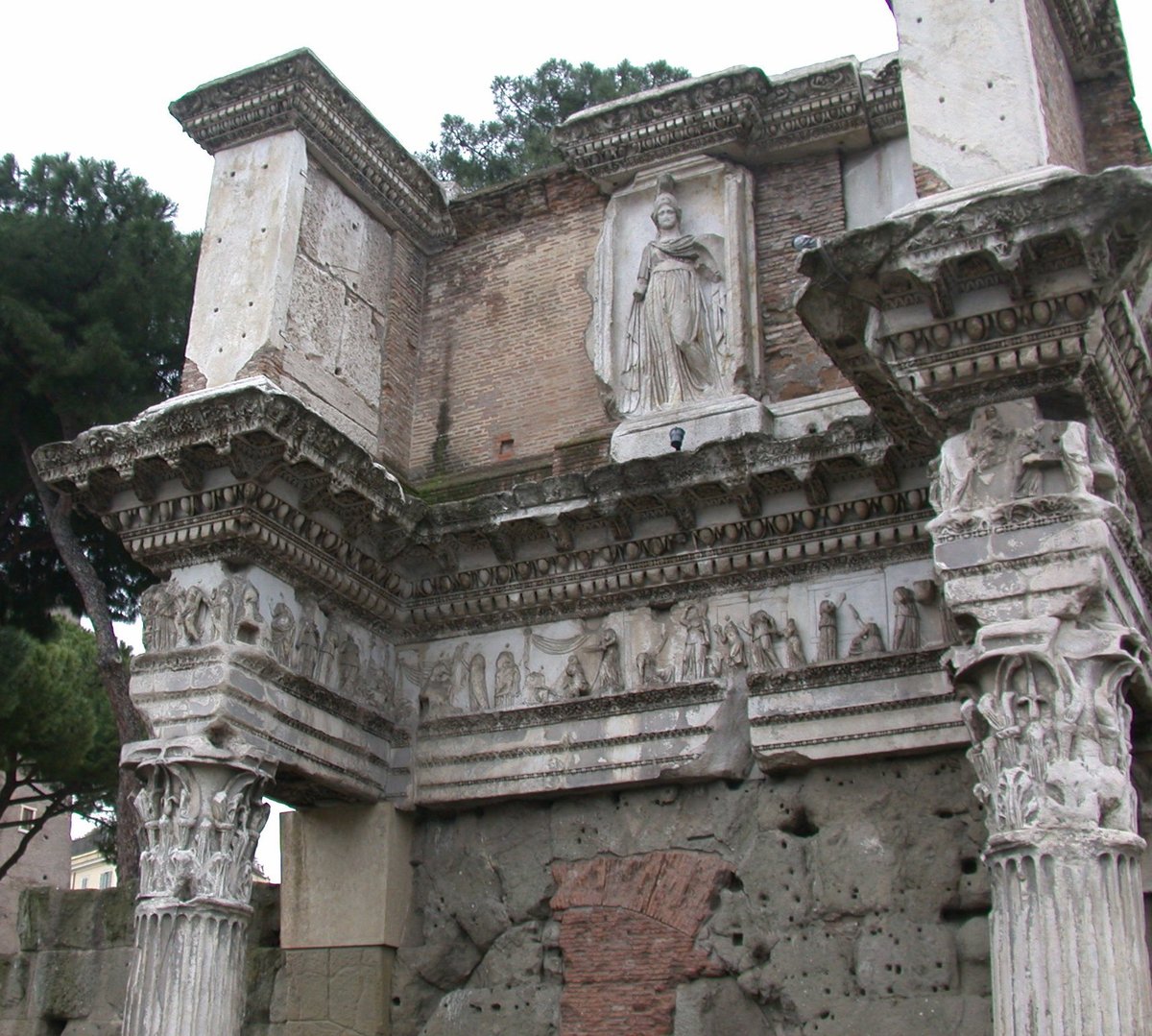
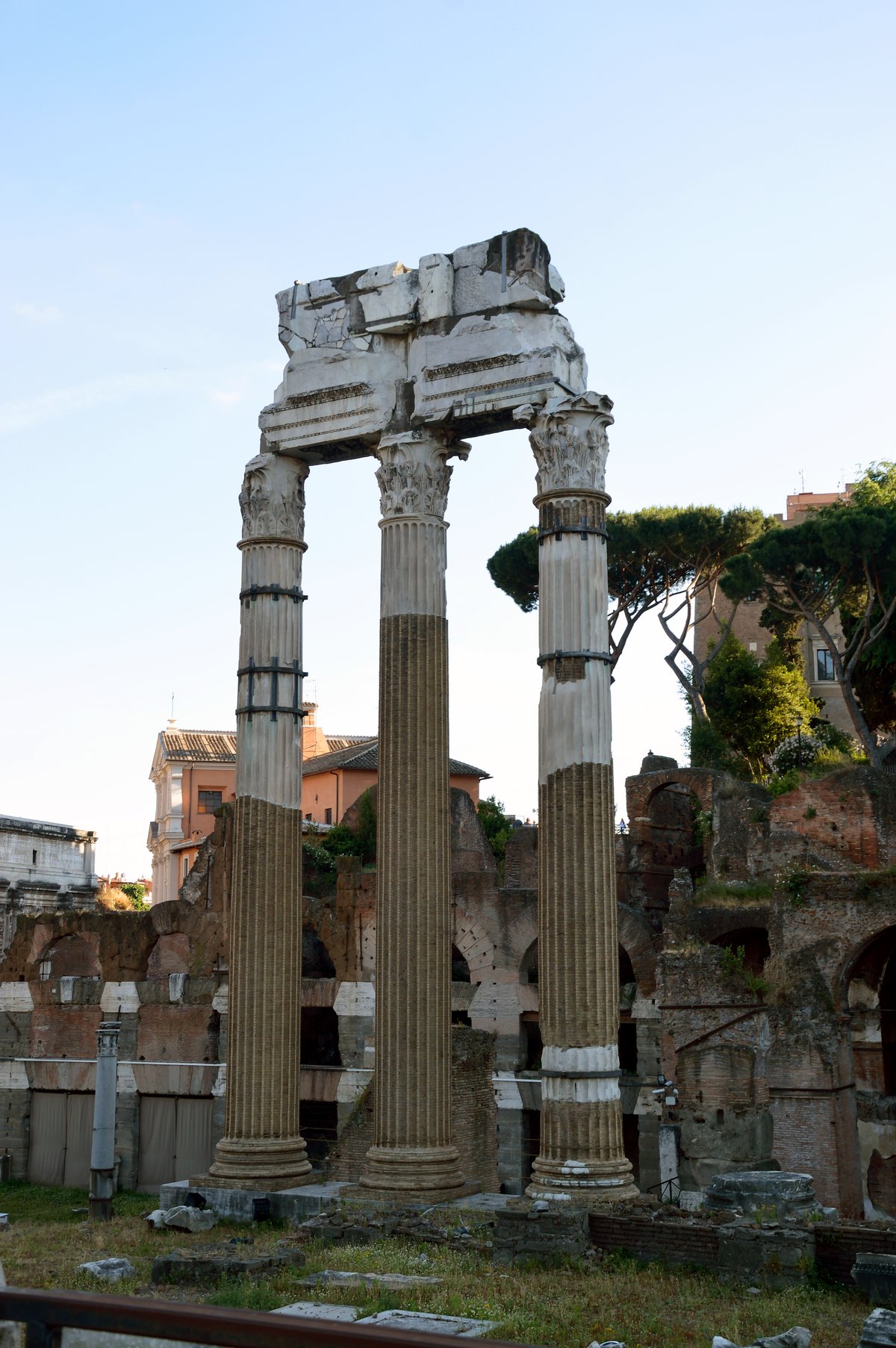
Dedicated in 2 BCE during his 13th consulship, the peripteral temple served as part of an imperial propaganda campaign to glorify the new Augustan empire. The structure aimed to accentuate the favor of the gods and the ancestral figures of Rome to overcome the disorder of civil wars. On the pediment, reliefs honored the divinities who influenced battles, featuring Mars flanked by Fortuna and Venus, along with the figures of Romulus and Roma. These figures symbolized the self-styled victory over the Parthians and the filial vengeance against the assassins of Julius Caesar.
Within the temple there stood three statues. In the middle, a colossal Mars Ultor depicted in full military dress, holding a large spear in his right hand and a shield in his left. On the right side of the god stood a statue of the goddess Venus, with Cupid - it was Venus whom all of the gens Julia claimed descent from. To the left of the god was a statue of Julius Caesar, or more specifically Divus Julius, as he had been deified after a comet was seen in the sky during his funeral games. The Senate used this space for meetings regarding foreign policy and declarations of war until the 4th century.
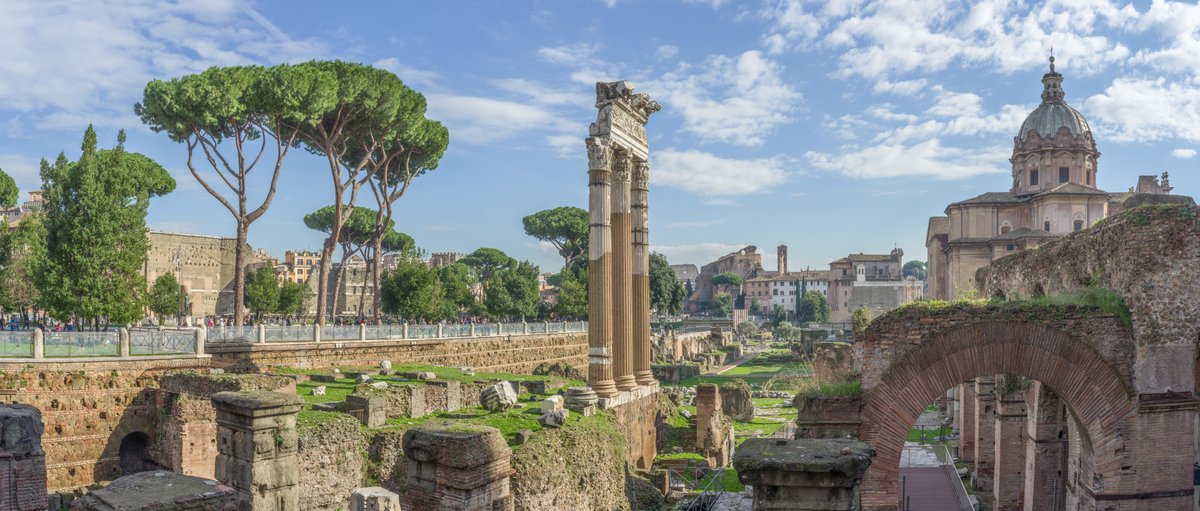
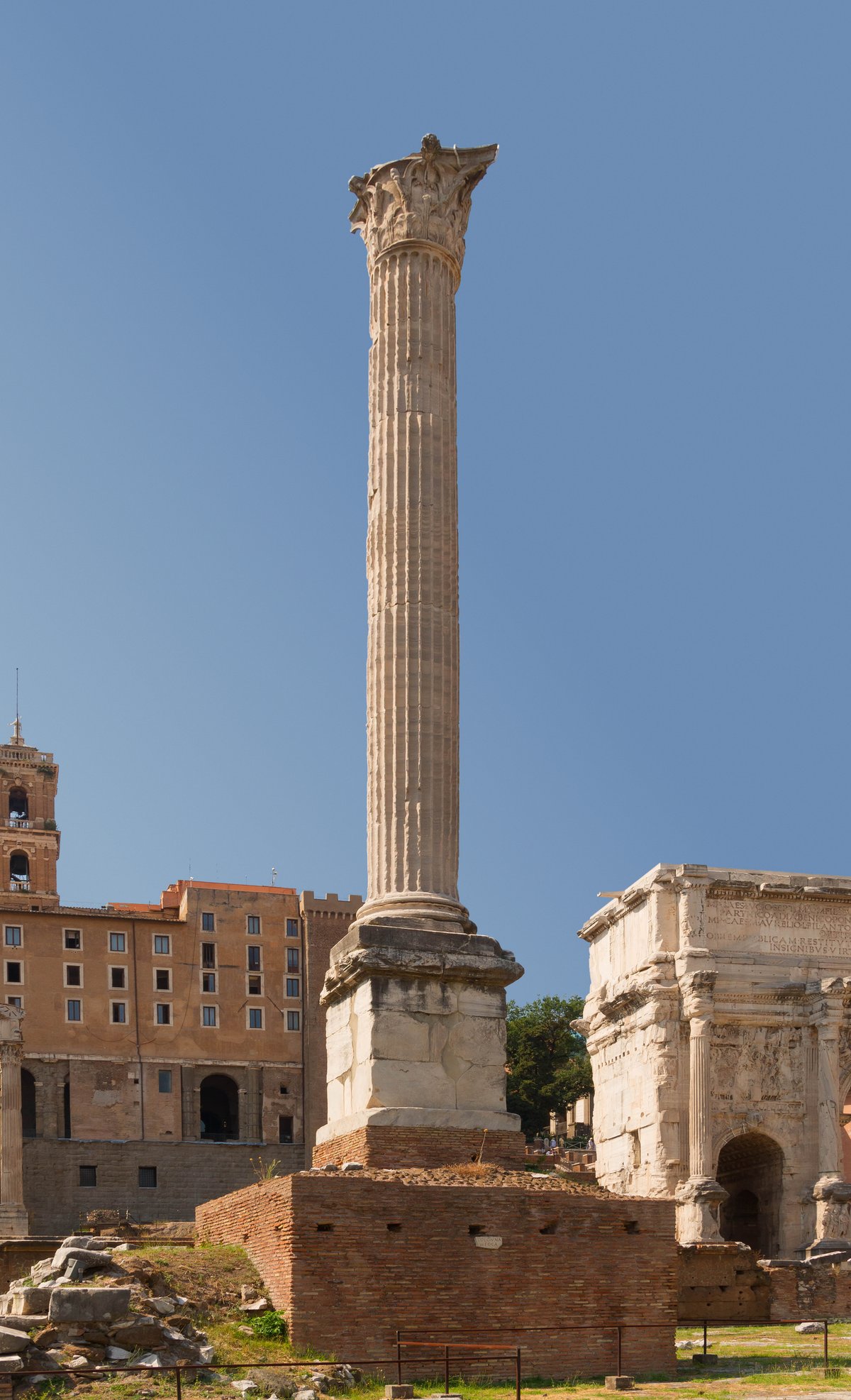
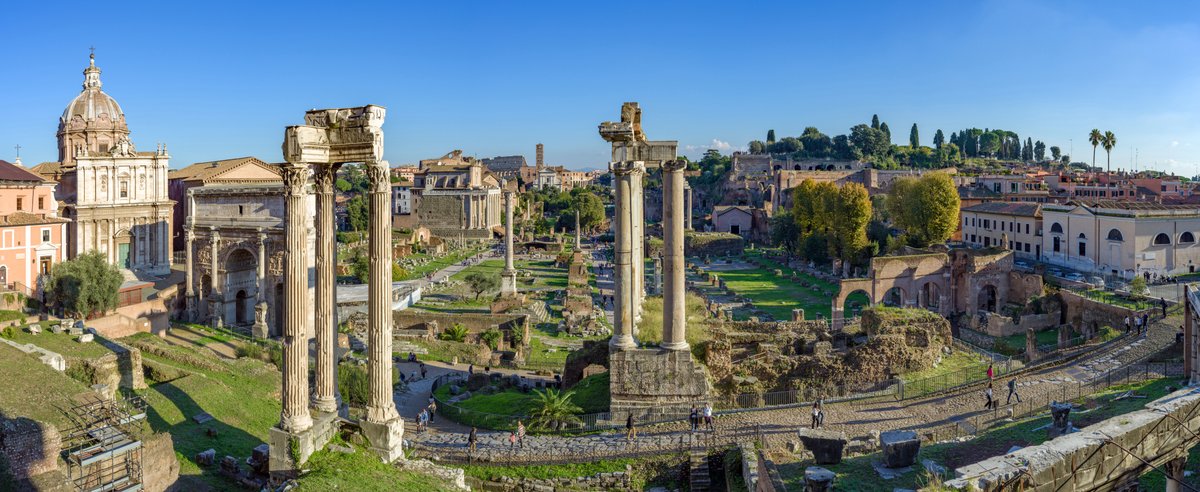
By the end of the 4th century, the temple was closed during the persecution of pagans. In the ninth century, an oratory church called San Basilio in Scala Mortuorum was built in the ruins. By the late 19th century, the temple ruins were home to the convent of the nuns of Santa Annunziata.
Sources: Wikipedia, OpenStreetMap, Wikidata, Wikimedia Commons
Written by Nicolo Ciampini
Discuss this with the author and others
No comments yet. Be the first to start the conversation.